
Main Courses
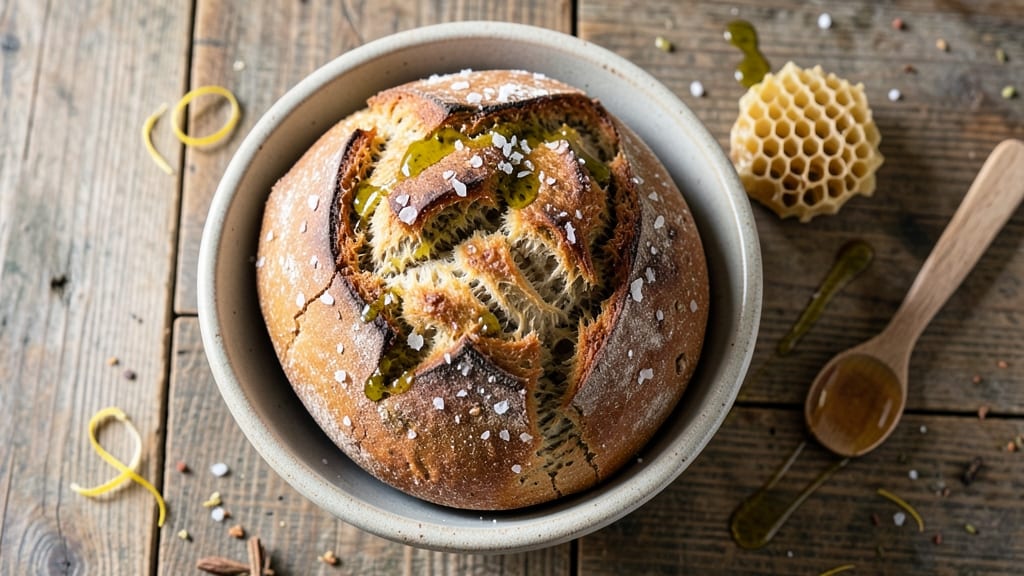
This 1 loaf whole wheat bread recipe delivers the perfect balance of nutty crust and moist, gluten-packed heart—no dense, heavy texture here. The secret lies in hydrating the whole wheat flour properly and using a touch of honey to enhance browning while keeping the interior tender.
I developed this recipe after years of trial and error, finally cracking the code for bread that's both nutritious and delicious.
What sets this recipe apart is the foolproof method that ensures consistent results every time, even for beginners. With just 5 simple ingredients and 30 minutes of active time (plus rising), you'll have a loaf that's perfect for sandwiches, toast, or serving with soups.
The bread develops a beautiful golden crust while staying soft and flavorful inside—no gummy centers here.
The dough comes together quickly with warm water and a pinch of salt to activate the gluten, creating that satisfying chew. After shaping and proofing, the bread bakes at 375°F for 30-35 minutes, filling your kitchen with that irresistible aroma.
The result? A loaf with a crisp, nutty crust and a moist, airy interior that's far superior to store-bought.
For extra flavor, try adding seeds or herbs to the dough before baking—just fold them in during the final knead. This recipe yields one perfect loaf, so you won't end up with excess dough or wasted ingredients. Let's get started on your homemade whole wheat masterpiece!
Ingredients for 1 loaf whole wheat bread
Five simple ingredients transform into a loaf with perfect nutty crust and moist, gluten-packed heart every time.
| Ingredient | Amount | Notes |
|---|---|---|
| Whole Wheat Flour 🌾 | 4 cups | Unbleached, high protein preferred |
| Warm Water 💧 | 1 ½ cups | 110°F for optimal gluten activation |
| Honey 🍯 | 2 tbsp | Wildflower for best flavor |
| Active Dry Yeast 🍞 | 2 ¼ tsp | Ensure yeast is fresh |
| Kosher Salt 🧂 | 1 ½ tsp | Diamond Crystal preferred |
| Olive Oil 🫒 | 1 tbsp | Extra-virgin for richness |
| Sesame Seeds 🌰 | 2 tbsp | Optional for topping |
| Flaxseed Meal 🌾 | 1 tbsp | For added nutrition |
The whole wheat flour is where the magic happens—King Arthur or Bob's Red Mill brands are my go-to for consistent results. Warm water (around 110°F) activates the yeast and gluten properly, so don't skip heating it. If your kitchen is cold, pop the water in the microwave for 30 seconds. Honey isn't just for sweetness here—it enhances browning while keeping that interior tender. I always grab local wildflower honey from the farmers market when I can, but any quality honey works. The yeast? Fresh is non-negotiable—if it's past its expiration, toss it.
No honey? Maple syrup at the same amount works beautifully. Short on flaxseed? Chia seeds or extra sesame seeds keep that nutty flavor. The olive oil adds richness—Trader Joe's brand is my secret weapon for affordability and quality. For extra flavor, try adding 1 tsp dried rosemary or thyme to the dough. The sesame seeds on top? Totally optional, but they give that irresistible crunch and look stunning. If you're making this for a crowd, double the recipe—just remember you'll need a larger loaf pan.
This dough needs 1 hour of rising time—don't rush it. Shape the loaf gently to avoid overworking the gluten. Bake at 375°F for 30-35 minutes until it sounds hollow when tapped. Store wrapped at room temperature for 3 days or freeze for 3 months. The crust stays crisp for about 24 hours, but after that, toast it to revive. I always make a double batch—one for eating, one for freezing. The flavor actually improves after a day or two as the crust firms up.
Why You'll Love This Recipe
- No-Fuss Mixing: I swear by this method—just toss the whole wheat flour, warm water, and honey in a bowl, stir until it’s just combined, then let the yeast wake up in the same spot. No food processor, no over-kneading, no stress.
- Honey’s Secret Edge: That splash of honey isn’t just sweet—it keeps the bread tender without overpowering the nutty whole wheat. It’s the kind of flavor that makes you reach for a second slice, even when you’re not hungry.
- Weeknight Workhorse: This loaf is my go-to for sandwiches, toast, or even croutons. It stays fresh for days (yes, even with whole wheat) and turns a sad lunch into something worth looking forward to.
- Budget-Proof Staple: Whole wheat flour and honey stretch my grocery budget, but the results feel like a treat. I make two loaves at a time—one for the freezer, one for the counter—and never regret it.
Step-by-step instructions for homemade whole wheat bread
Here's how to craft a loaf with a nutty crust and a gloriously moist interior—every bite packed with gluten and flavor.
Activate the Yeast and Mix the Dough
In a large mixing bowl, combine the 1.5 cups warm water (about 110°F) with the 2 tbsp honey and 2.25 tsp active dry yeast. Let this sit for 5-10 minutes until frothy—this confirms the yeast is alive and ready to work. If it doesn't bubble, start over with fresh yeast.
In a separate bowl, whisk together the 4 cups whole wheat flour, 1.5 tsp kosher salt, and 1 tbsp flaxseed meal. Add this dry mixture to the yeast-water mixture along with the 1 tbsp olive oil. Use a wooden spoon or dough whisk to combine until a shaggy dough forms. The dough will be sticky, but that's perfect—whole wheat absorbs more moisture.
Knead Until Gluten Develops
Turn the dough onto a lightly floured surface and knead for 8-10 minutes by hand, or use a stand mixer with a dough hook on medium speed for 5-6 minutes. You're looking for a smooth, elastic dough that springs back when poked. The gluten development is key here—it's what gives bread its structure and chew.
If the dough feels too sticky, wet your hands slightly and keep kneading. If it's too dry, add 1 tsp warm water at a time. Once it passes the windowpane test (stretch a small piece—it should be thin enough to see light through without tearing), you're ready for the next step. The dough should feel slightly tacky but not wet.
First Rise and Shaping
Lightly oil a large mixing bowl, place the dough inside, and cover it with a damp kitchen towel or plastic wrap. Let it rise in a warm spot (like near the oven with the light on) for 1-2 hours, or until it has roughly doubled in size. You'll know it's ready when it jiggles slightly when shaken and leaves a gentle imprint when you press a finger into it.
Punch down the dough to release air, then shape it into a loaf by folding the ends toward the center and rolling it gently into a log. Place it seam-side up in a 9x5-inch loaf pan that's been lightly greased with olive oil. Cover again and let it rise for another 30-45 minutes until it's just slightly above the pan's rim.
Bake to Golden Perfection
Preheat your oven to 375°F with a baking stone or inverted baking sheet on the middle rack. This creates steam for a crispier crust. Once the oven is ready, brush the top of the dough with a little water and sprinkle the 2 tbsp sesame seeds evenly over the surface. Bake for 35-40 minutes until the bread is deep golden brown and sounds hollow when tapped on the bottom.
Remove from the oven and let the bread cool in the pan for 10 minutes before transferring to a wire rack. This resting period prevents a gummy interior. The crust should be nutty and crisp, while the heart remains moist and packed with flavor. Slice when completely cool for perfect slices every time.
Pro Tips For Making 1 Loaf Whole Wheat Bread
- Dissolve the Yeast First: I learned this the hard way—just tossing yeast into flour and water means it’ll wake up unevenly. Mix the yeast with warm water and honey first, let it sit for 5 minutes until bubbly before adding flour. That guarantees your dough starts with a strong, active lift, not a lazy one.
- Use a Scale—Not Cups: Whole wheat flour packs differently than white. Measuring by volume leads to dense, gummy bread. Weigh your flour (about 400g for a loaf) for consistent results—no guessing, no disappointments. (Yes, even if you’re impatient like me.)
- Knead Until Smooth: Stop when the dough springs back slowly after poking it, not when it feels "done." Whole wheat needs more gluten development than white flour, but over-kneading makes it tough. Aim for 8-10 minutes by hand—less if your dough feels silky.
- Steam the Pan: Cold oven? Skip it. Place a metal bowl of boiling water on the lower rack while preheating. The steam creates a crisp crust and keeps the bread from drying out—especially crucial for whole wheat, which can turn rubbery. (Your future self will thank you.)
Storing and reheating your 1 loaf whole wheat bread
Room Temperature Storage
Wrap your freshly baked loaf in a clean kitchen towel or beeswax food wrap to maintain moisture and freshness. Store it in a cool, dark place (like a bread box or countertop) for up to 3 days.
The crust stays crisp for about 24 hours, but after that, I recommend toasting slices to revive texture. For extra shelf life, place the wrapped loaf in a paper bag—this prevents sogginess better than plastic. 🌾
Refrigerator Refresh
If you need to extend freshness beyond 3 days, pop the loaf in the fridge wrapped tightly in plastic wrap or an airtight container. It’ll keep for 5-7 days, but refrigeration can dry out the crust.
To revive stale bread, wrap slices in a damp paper towel and microwave for 10-15 seconds. For sandwiches, lightly toast before assembling to restore moisture. I always keep a loaf on hand for quick lunches—just slice and toast in the morning. ⏰
Freezer Preservation
For long-term storage, slice the bread and freeze in a single layer on a baking sheet before transferring to a freezer bag (this prevents sticking). Label with the date—it’ll stay fresh for 3 months. When ready to use, toast frozen slices directly in the toaster (no thawing needed).
For sandwiches, toast after assembling to melt any fillings properly. I make double batches on weekends and freeze half—perfect for busy weeknights. ❄️
Reviving Stale Bread
If your loaf loses its crispness, don’t toss it! Spritz with water and bake at 350°F for 5-7 minutes to refresh the crust. For extra flavor, brush with melted butter or olive oil before reheating.
Another trick? Wrap slices in aluminum foil and warm in the oven for 3-5 minutes—this works wonders for sandwich bread. I’ve saved many a forgotten loaf this way. 🔥
Toasting Tips
Toast your whole wheat bread on medium-high heat until golden brown with crispy edges. For extra richness, brush slices with olive oil before toasting. If using a toaster oven, spread slices apart to ensure even browning.
For French toast, soak slices in an egg-milk mixture with 1 tsp cinnamon and 1 tbsp vanilla extract—this adds incredible flavor. I never skip toasting when serving with soups or butter. ✨
Nutrition facts
Frequently asked questions
Why does my whole wheat dough feel so sticky?
Whole wheat flour absorbs more moisture than all-purpose flour, making the dough naturally sticky. The solution is to knead it properly—wet your hands slightly and keep working the dough until it becomes smooth and elastic. If it's still too sticky after kneading, add just 1 tsp warm water at a time until it reaches the right consistency.
Can I substitute all-purpose flour for whole wheat?
You can replace up to 50% of the whole wheat flour with all-purpose flour for a lighter texture, but expect less nutty flavor. For a 100% whole wheat loaf, use King Arthur or Bob's Red Mill brands—they have higher protein content for better gluten development. The recipe is designed specifically for whole wheat, so substitutions may affect rise and texture.
What's the best way to test if my dough is ready?
Perform the windowpane test: Stretch a small piece of dough between your fingers—it should be thin enough to see light through without tearing. If it passes, your gluten is fully developed. For proofing, press your finger gently into the dough—it should spring back slowly (not immediately) when you remove it. This indicates proper fermentation.
How do I fix a dense whole wheat loaf?
Dense bread usually means underdeveloped gluten or insufficient rising time. Next time, knead 2-3 minutes longer and let the dough rise until it's 50-100% larger. Also ensure your yeast is fresh and your water is 110°F—too cold water slows fermentation. For extra lift, try adding 1 tsp vital wheat gluten to the dry ingredients.
Can I make this bread without a loaf pan?
Shape the dough into a round boule or batard and bake on a parchment-lined baking sheet for 30-35 minutes at 375°F. For a rustic look, score the top with a sharp knife before baking. The crust will be thicker, but the interior will remain moist. Just be sure to preheat your oven with a baking stone for even heat distribution.