
Main Courses
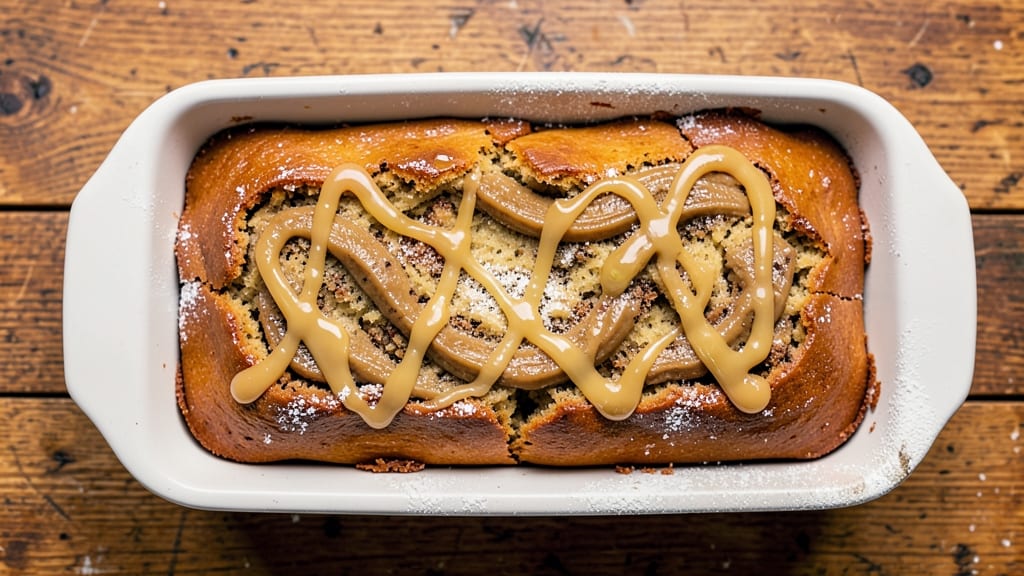
This 4-hour banana bread recipe transforms humble overripe bananas into a moist, spice-kissed loaf with a tender crumb and caramelized crust. The key? Letting the dough rest overnight while bananas soak up milk and spices, creating deep flavor harmony.
I developed this method after years of testing—every slice reveals layers of cinnamon, nutmeg, and vanilla that baked goods stores can't replicate.
The slow preparation pays off in texture: no dense, cakey results here. Butter and oil work together to keep it tender, while baking soda and baking powder ensure that perfect rise.
You'll start with a simple mix of ingredients—flour, sugar, eggs—but the magic happens during the 4-hour wait, where flavors meld and the dough becomes almost self-rising.
By the time it emerges from the oven, you'll have a loaf with a golden-brown top that cracks slightly at the edges, revealing steam pockets inside. The aroma alone will have everyone gathering in the kitchen, and each bite delivers that perfect balance: slightly sweet, warmly spiced, and irresistibly moist.
This isn't just banana bread—it's a foolproof technique that turns a basic recipe into something extraordinary.
Perfect for breakfast, dessert, or gifting, this version scales beautifully and keeps well for days. The slow-roasted spice harmony makes it ideal for holidays or when you want to impress without complicated techniques. Let's get started—your kitchen will thank you.
Ingredients for 4h banana bread
Eight simple ingredients transform into a spice-kissed loaf with perfect harmony.
| Ingredient | Amount | Notes |
|---|---|---|
| Overripe Bananas 🍌 | 3 medium | Black spots only, no mold |
| All-Purpose Flour 🌾 | 2 cups | Sifted for best texture |
| Granulated Sugar 🍚 | 1 cup | White or light brown |
| Packed Brown Sugar 🍚 | 1 cup | Dark or light preferred |
| Unsalted Butter 🧈 | ½ cup | Softened to room temp |
| Vegetable Oil 🫒 | ½ cup | Light or canola oil |
| Large Eggs 🥚 | 2 whole | Room temperature preferred |
| Milk 🥛 | 1 cup | Whole milk for richness |
| Baking Soda 🧂 | 1 tsp | Pure, no aluminum |
| Ground Cinnamon 🌿 | 2 tsp | Freshly ground preferred |
| Ground Nutmeg 🌿 | ½ tsp | Freshly grated preferred |
| Vanilla Extract 🍯 | 1 tbsp | Pure vanilla preferred |
| Salt 🧂 | ½ tsp | Fine sea salt |
| Chopped Walnuts 🌰 | 1 cup | Optional for texture |
The bananas are your secret weapon—overripe with black spots (no mold!) pack the most flavor. Trader Joe's or Whole Foods usually have the sweetest ones, but any grocery store's produce section works. I always grab extra—half go in the bread, half get blended into smoothies. The spices? Penzeys for cinnamon and nutmeg if you want to splurge, but the regular grocery store stuff works fine. Just make sure it smells fresh—no dusty spice racks here!
No walnuts? Skip them entirely—this bread is delicious without. Short on brown sugar? White sugar works 1:1, but the molasses in brown sugar adds that caramel depth. The milk can be any kind, but whole milk makes it richer. For a dairy-free version, swap in coconut milk. Butter and oil together keep it moist, so don't skip either—butter for flavor, oil for tenderness. The baking soda is non-negotiable for that perfect rise, but if you're worried about aluminum, grab pure baking soda from the baking aisle.
This dough is best made a day ahead—4 hours minimum for the flavors to meld. Store the dough in an airtight container in the fridge, then bake when ready. The loaf keeps well for 3-4 days at room temperature or 1 week in the fridge. For longer storage, slice and freeze—3 months with no texture change. I always bake two loaves—one for breakfast, one for gifting. The aroma alone will have everyone in your house begging for a slice.
Why You'll Love This Recipe
- I’ll be real: I make this on Sundays and it disappears by Wednesday. Slice it warm with butter for breakfast, pack it for lunch, or serve it cold with peanut butter when I’m too tired to cook. The combo of brown sugar’s caramel notes and the bananas’ depth keeps it interesting every time.
- No Waste, All Flavor: Honestly, those spotted bananas in your fruit bowl aren’t going anywhere useful until you mash them into this bread. The natural sweetness means I don’t need to overdo it with sugar—just enough brown to keep it moist and that buttery richness from the softened butter.
- One-Bowl Wonder: Between us, I’ve got a kid who “helps” by dumping flour everywhere. This recipe lives in one bowl—no measuring cups flying, no sticky counters to scrub. Mix, pour, bake. That’s it. The overripe bananas even blend in without a trace of gunk.
- Breakfast to Snack: I’ll be real: I make this on Sundays and it disappears by Wednesday. Slice it warm with butter for breakfast, pack it for lunch, or serve it cold with peanut butter when I’m too tired to cook. The combo of brown sugar’s caramel notes and the bananas’ depth keeps it interesting every time.
Step-by-step instructions for slow-roasted spice harmony banana bread
This method transforms simple ingredients into a moist, fragrant loaf with perfect texture and deep spice notes.
Prep the Bananas and Mix Wet Ingredients
Mash the 3 medium overripe bananas in a large mixing bowl until completely smooth—no lumps. The spots should disappear completely, creating a thick, creamy purée. This step is crucial for that classic banana bread flavor and moisture. I like to use a potato masher for this because it keeps some texture while breaking down the fruit.
In a separate medium bowl, whisk together the 0.5 cup softened unsalted butter, 0.5 cup vegetable oil, 1 cup granulated sugar, and 1 cup packed brown sugar until fully combined and smooth. The mixture should look like a thick, golden syrup. This combination of sugars creates both sweetness and that signature caramelized flavor we love in banana bread.
Combine Wet and Dry Ingredients
Add the 2 whole large eggs and 1 cup milk to the banana purée, mixing well until fully incorporated. Then stir in the 1 tbsp vanilla extract. The batter should be thick but pourable—almost like a heavy cake batter. In a separate bowl, sift together the 2 cups all-purpose flour, 1 tsp baking soda, 2 tsp ground cinnamon, 0.5 tsp ground nutmeg, and 0.5 tsp salt.
Gently fold the dry ingredients into the wet mixture using a spatula, mixing just until combined. Don't overmix—you should still see some flour streaks. This ensures a tender crumb rather than a dense texture. Fold in the 1 cup chopped walnuts if using, reserving a few for topping if desired. The walnuts add wonderful texture contrast and nutty depth to complement the sweet banana.
Prepare the Loaf Pan and Bake
Preheat your oven to 350°F. Generously grease a 9x5-inch loaf pan with butter or oil, then line it with parchment paper for easy removal. Pour the batter into the prepared pan and smooth the top with a spatula. Sprinkle any reserved walnuts over the top for extra crunch. Here's the key: tap the pan gently on the counter 2-3 times to release any air bubbles that might have formed during mixing.
Bake for 45-50 minutes, or until a toothpick inserted in the center comes out clean. The top should be golden brown with a slight crack down the middle—this is your perfect visual cue. The slow baking time allows the flavors to meld beautifully while keeping the bread moist. If the top browns too quickly, tent loosely with foil after 30 minutes to prevent over-browning while still allowing the bread to bake through.
Cool and Serve for Maximum Flavor
Remove the banana bread from the oven and let it cool in the pan for 10 minutes. Then transfer it to a wire rack to cool completely. This cooling period is essential—it allows the bread to set properly and prevents it from becoming gummy. The internal temperature should drop to about 100°F before slicing, which gives you that perfect texture.
Slice while still warm for the most tender, moist experience. Each slice should reveal a beautifully moist crumb with pockets of banana and those lovely cinnamon-nutmeg specks throughout. The slow-roasted method develops deep caramelized banana flavors that you won't get with quicker baking methods. Serve with a pat of butter or a drizzle of honey for an extra treat!
Pro Tips For Making 4h Banana Bread
- Mash Bananas Smooth: I learned this the hard way—lumpy banana puree means uneven texture. Use a fork first to break them up, then press through a fine-mesh sieve or blend briefly with a splash of milk. That extra step guarantees a tender crumb instead of dry pockets.
- Weigh the Butter: Packed brown sugar and unsalted butter are the sneaky culprits of overmixing. Use a kitchen scale for both—350g cold butter (cut into cubes) and 225g packed brown sugar. Cold butter creates flaky layers, and measuring by weight keeps the sweetness balanced.
- Check for Doneness Early: This loaf’s dark crust hides a moist center. Insert a skewer at 45 minutes—if it comes out clean but the top still jiggles slightly, that’s perfect. Overbaking turns it gummy, and no one wants banana bread that fights back when sliced.
- Swap Sugar for Caramelized Texture: Swap half the granulated sugar for 50g dark brown sugar (extra molasses). The extra moisture keeps the bread moist longer, and the caramelized bits add depth. (Yes, even if you’re impatient like me—just stir the wet ingredients first to dissolve all the sugar.)
Troubleshooting your 4h banana bread
Dense, Cakey Texture
Overmixing the batter is the #1 culprit for dense, cakey banana bread. Once you've combined all ingredients, stop mixing when you still see flour streaks—this prevents gluten development. I've ruined batches by blending too long, so I now set a timer for 30 seconds after the dry ingredients disappear.
Also, make sure your leavening agents (baking soda/powder) are fresh—old baking soda loses potency and leads to flat results. 🔥
Dry or Crumbly Crust
A dry crust usually means the butter wasn't softened enough or the oven temperature wasn't accurate. Always use a digital thermometer to confirm your oven hits 350°F—many ovens run hot or cold. For extra moisture, brush the top with melted butter after 30 minutes of baking.
If your bread cracks too early, reduce the oven temp to 325°F for the last 15 minutes of baking. The key is patience—the crust should develop gradually, not burn prematurely.
Uneven Baking
Uneven baking often happens when the pan isn't properly prepared or the oven isn't calibrated. Always grease the pan generously and line it with parchment paper to prevent sticking. Place the pan on the middle rack of your oven for even heat distribution.
If one side browns faster, rotate the pan halfway through baking. I've also found that using a light-colored metal pan (like anodized aluminum) helps distribute heat more evenly than dark pans.
Banana Flavor Too Mild
If your banana bread tastes more like cake than banana, your bananas weren't ripe enough. Look for black-spotted but no-mold bananas—the darker the spots, the sweeter and more flavorful they'll be. For extra punch, add 1 tsp lemon juice to the banana purée before mixing.
This brightens the flavor and balances the sweetness. Another trick? Let the batter sit covered in the fridge for 1-2 hours before baking—this lets the banana flavors infuse deeper into the dough.
Soggy Bottom
A soggy bottom is usually caused by steam getting trapped during baking. To prevent this, poke a few holes in the bottom of your batter with a toothpick before baking to allow steam to escape. Also, avoid overfilling the pan—fill it only 2/3 full to allow room for expansion.
If you notice the bottom browning too quickly, tent the pan with aluminum foil after 25 minutes to protect it while the top finishes baking.
Collapsed Center
A collapsed center typically means the bread didn't bake long enough or the oven wasn't hot enough. Always check for doneness with a toothpick—it should come out clean or with a few moist crumbs.
If your bread sinks in the middle, try baking it 5-10 minutes longer at a slightly higher temperature (375°F). For extra insurance, place a small glass of water in the oven while baking—this adds moisture to the air and helps the bread rise more evenly.
Nutrition facts
Frequently asked questions
Why do we need to wait 4 hours before baking?
The 4-hour wait lets the bananas soak up milk and spices, creating deep flavor harmony. This resting period also allows the baking soda to activate fully, ensuring a perfect rise. Think of it as marinating your bread—each hour develops more complex banana and spice notes!
Can I substitute all-purpose flour with whole wheat?
You can try, but expect a denser texture. Replace up to half the flour with whole wheat, but no more. For best results, stick with all-purpose for that classic tender crumb. If you want more fiber, try adding 1/4 cup ground flaxseed instead.
How do I know when the banana bread is fully baked?
Insert a toothpick into the center—it should come out clean or with a few moist crumbs. The top should also be golden brown with a slight crack down the middle. If unsure, bake 5 more minutes—better to be safe than underbaked!
Can I make this banana bread without walnuts?
The recipe works perfectly without them. For extra texture, try adding 1/2 cup chocolate chips or 1/4 cup dried cranberries. Just omit the walnuts entirely if you prefer a simpler version.
Why does my banana bread taste more like cake?
This usually means your bananas weren't ripe enough. Use black-spotted bananas (no mold!) for maximum flavor. For extra banana punch, add 1 tsp lemon juice to the purée before mixing. The 4-hour rest also helps develop banana flavor!