
Main Courses
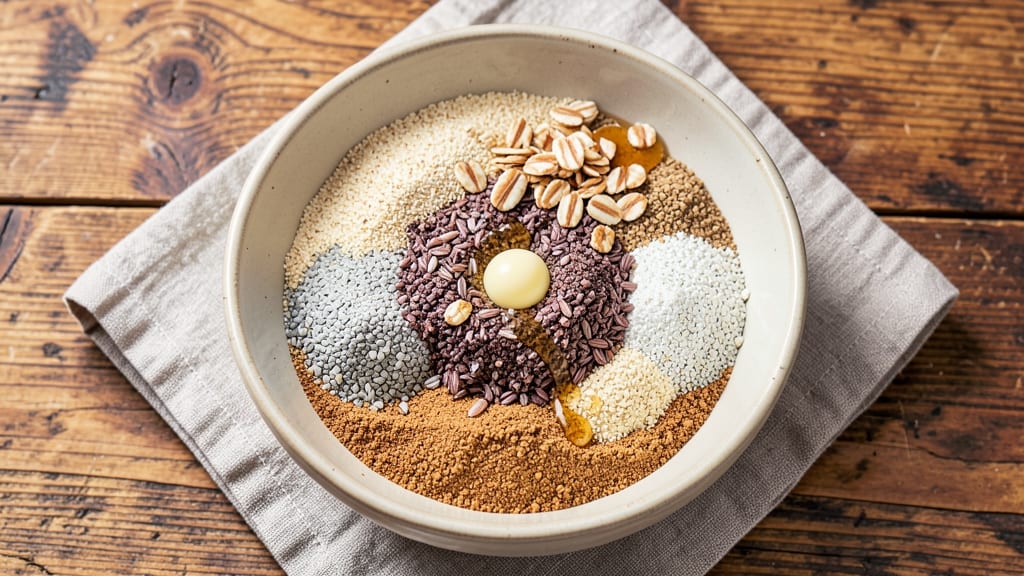
This 7-grain bread machine recipe delivers a hearty loaf with a nutty, crunchy crust and a satisfyingly dense crumb—perfect for sandwiches, toast, or serving alongside soups. After years of experimenting with whole-grain breads, I’ve perfected a formula that balances texture and flavor without requiring manual kneading or shaping.
The key lies in precise ingredient ratios and understanding your bread machine’s unique behavior.
The beauty of this recipe is its versatility—it works in nearly any bread machine model, though I recommend using the "dough" cycle first to ensure proper development before baking.
We’re using a mix of whole wheat, rye, and oat flours for depth, along with wild rice and millet for texture, all hydrated to just the right level to avoid a gummy crumb. The addition of flaxseeds and sunflower seeds adds crunch and nutrition without overpowering the bread’s natural flavor.
What you’ll end up with is a golden-brown loaf with a crisp exterior and a tender yet substantial interior, packed with nutty, earthy notes from the grains. The crust develops a satisfying crackle when sliced, while the interior holds together beautifully for toast or sandwiches.
This recipe also doubles as a great way to use up pantry staples—no special equipment needed beyond your bread machine and a loaf pan.
For best results, measure your ingredients by weight for consistency, and don’t skip the optional egg wash before baking—it enhances browning and adds a subtle sheen. Whether you’re a bread machine beginner or a seasoned baker, this recipe delivers restaurant-quality results with minimal effort.
Let’s get started on making your own hearty, homemade loaf.
Ingredients for 7 grain bread recipe for bread machine
Seven flours, two seeds, and a touch of butter create this nutty, crunchy masterpiece.
| Ingredient | Amount | Notes |
|---|---|---|
| Whole Wheat Flour 🌾 | 2 ½ cups | King Arthur brand preferred |
| Rye Flour 🌾 | 1 ½ cups | Dark rye for robust flavor |
| Oat Flour 🌾 | 1 cup | Blended from rolled oats |
| Wild Rice Flour 🌾 | ½ cup | For nutty depth |
| Millet Flour 🌾 | ½ cup | Lightly toasted for aroma |
| Active Dry Yeast 🍞 | 2 ¼ tsp | Fresh yeast if available |
| Granulated Sugar 🍚 | 1 ½ tbsp | White or brown sugar |
| Unsalted Butter 🧈 | ½ cup | Softened, not melted |
| Large Eggs 🥚 | 1 whole | Room temperature preferred |
| Warm Water 💧 | 1 ½ cups | 110°F for yeast activation |
| Flaxseeds 🌰 | ¼ cup | Whole, for crunch |
| Sunflower Seeds 🌻 | ¼ cup | Unsalted, toasted |
| Salt 🧂 | 1 ½ tsp | Diamond Crystal preferred |
| Extra-Virgin Olive Oil 🫒 | 1 tbsp | For dough softness |
The flours are the heart of this loaf—King Arthur whole wheat and Bob's Red Mill rye are my go-tos, but any quality brands work. For the wild rice and millet flours, check the bulk bins at Whole Foods or Sprouts—they keep well in airtight containers for months. Toast your millet flour lightly in a dry pan before mixing to wake up those nutty notes. The flaxseeds and sunflower seeds? Trader Joe's sells them pre-toasted, which saves time. If you're using whole flaxseeds, grind them briefly in a spice grinder right before adding to prevent clumping.
No wild rice flour? Substitute with extra oat flour—it’ll still give you that hearty texture, just less pronounced. Running out of rye? Dark whole wheat flour works in a pinch. For the seeds, walnuts or pumpkin seeds are great swaps, though they’ll change the flavor profile slightly. The yeast is non-negotiable—if it’s old or past its expiration, toss it. For the butter, vegan butter works too if you need a dairy-free version. And if you’re short on time, the egg wash can be skipped, though I don’t recommend it—it’s what gives that golden sheen and crisp crust.
Store your flours in the freezer for up to a year to preserve freshness, but keep the yeast in the fridge—it’ll last 2 months that way. The seeds and flours can be pre-measured into a container with parchment paper between layers to keep them fresh for 3 months. This loaf reheats beautifully—wrap it in foil and warm in a 350°F oven for 10 minutes. For extra crunch, brush the warm loaf with a little melted butter. Leftovers? Toast them—it’s the best way to revive stale bread.
Why You'll Love This Recipe
- No-Fuss Mixing: I swear by this bread machine magic—just toss the flours (whole wheat, rye, oat, wild rice, millet) with water, a touch of honey, and yeast. No kneading, no stress, and the machine does all the heavy lifting while I sip my coffee.
- Nutty Earthy Crunch: That wild rice and millet? They add a toasty, almost buttery depth you won’t find in plain white bread. Toast it, and the oat flour gives this loaf a satisfying crunch that keeps me reaching for seconds.
- Weeknight Hero: Between us, this bread is my go-to for sandwiches, toast, or even croutons—no one suspects how simple it is. The rye flour keeps it hearty enough for breakfast toast but light enough for lunch wraps. (Yes, even on a Tuesday night.)
- Dollar-Smart Staple: A single batch stretches for days—my freezer’s full of slices for quick meals. The blend of flours is cheaper than buying specialty breads, and honestly? It tastes better than half the stuff at the bakery. Win-win.
Step-by-step instructions for 7-Grain bread machine recipe
Here's how to transform these hearty grains into a loaf with a nutty aroma and crispy crust.
Prepare the Flour and Seed Mixture
In a large mixing bowl, combine the 2.5 cups whole wheat flour, 1.5 cups rye flour, 1 cup oat flour, 0.5 cup wild rice flour, and 0.5 cup millet flour. I like to whisk these together briefly to distribute any lighter flours evenly—this ensures consistent texture throughout the loaf. In a separate small bowl, toast the 0.25 cup flaxseeds and 0.25 cup sunflower seeds in a dry skillet over medium heat for 2-3 minutes until fragrant and lightly golden. Let them cool completely before adding to the flour mixture.
The nutty aroma from the toasted seeds will permeate your kitchen, signaling they're ready. Here's the thing—those seeds add crunch and depth, but they need to be toasted first to prevent the dough from becoming gummy. Once cooled, fold them into the flour blend and set aside.
Activate the Yeast and Combine Wet Ingredients
In the bowl of your bread machine, combine the 1.5 cups warm water (about 110°F), 1.5 tbsp granulated sugar, and 2.25 tsp active dry yeast. Let this mixture sit for 5-10 minutes until it becomes frothy and bubbly—this confirms the yeast is alive and ready to work. If it doesn't bubble, your yeast might be expired, and you'll need to start over.
Once the yeast is active, add the 1 whole large egg, 0.5 cup softened unsalted butter, 1 tbsp extra-virgin olive oil, and 1.5 tsp salt to the bread machine. The butter should be softened but not melted—it should hold its shape when pressed. This combination of fats creates a tender crumb while maintaining structure.
Add the Dry Ingredients and Mix
With the bread machine on the "dough" setting, gradually add the flour mixture you prepared earlier. The machine will knead everything together for about 3-5 minutes until the dough forms a smooth, elastic ball that pulls away from the sides of the bowl. You'll notice the dough initially looks shaggy, but it will come together as it kneads.
Here's where it gets interesting—the multiple flours create a denser dough than traditional white bread. Don't be tempted to add extra water if it seems too stiff; this recipe relies on the natural moisture from the ingredients. The dough should be soft but not sticky when you press it gently with your finger.
Shape and Rise in the Bread Machine
Once the dough has completed kneading, use a lightly oiled spatula to transfer it to a lightly floured surface. Gently shape it into a round loaf, tucking the edges under to create a smooth surface. Place the shaped dough back into the bread machine pan, seam-side up.
Select the "basic" bread setting on your machine and let it rise for the first cycle. The dough will nearly double in size, developing a slightly domed top with small bubbles forming on the surface. This rising phase is crucial—it develops the gluten structure that gives the bread its chewy texture. If your kitchen is cold, you might see slower rising, but the machine will compensate by extending the time automatically.
Bake to Golden Perfection
After the initial rise, the machine will automatically begin the baking cycle. For this recipe, I recommend using the "brown" crust setting if your machine has one, or manually select a 375°F temperature. The bread will bake for about 40-50 minutes, depending on your machine. You'll know it's done when the internal temperature reaches 190-200°F and the crust has turned a deep golden brown with a crisp texture.
Real talk: The crust should be crackly and slightly charred in spots—that's where all the nutty flavors from the seeds and flours really shine. Let the bread cool on a wire rack for at least 30 minutes before slicing. This resting period allows the moisture to redistribute, preventing a gummy interior. The aroma alone as it cools will make your kitchen smell like a bakery, and every slice will be hearty with that perfect crunch.
Pro Tips For Making 7 Grain Bread Recipe For Bread Machine
- Weigh Your Flours: I learned this the hard way—measuring cups with these dense flours like rye and wild rice? Total guesswork. Use a kitchen scale for precision, especially since each grain absorbs moisture differently. Whole wheat and millet need slightly more hydration than you’d think, so don’t eyeball it.
- Mix the Dough Wet First: Skip the dry ingredients first—this bread machine dough is stubborn. Start with the wet ingredients (water, oil, yeast) and stir until smooth before adding flours. I used to add everything at once, and the machine would struggle to blend the oat and wild rice flours properly. Wet first, then fold in the dry stuff.
- Skip the Extra Yeast: This isn’t your average white bread. The rye and whole wheat flours slow fermentation, so don’t double the yeast thinking it’ll rise faster—it’ll just make the bread dense and gummy. Stick to the recipe’s yeast amount and let the machine do the work. Patience here guarantees a lighter crumb.
- Add Seeds Last: If your recipe includes seeds (chia, flax, sunflower), toss them in during the final knead cycle—not the first. I tried adding them with the dry ingredients, and they’d clump into hard little rocks. Sprinkle them in after the machine’s second knead, and they’ll distribute evenly without fighting for space.
Creative variations of this 7 grain bread recipe for bread machine
Herb-Infused Twist
Boost the flavor profile by adding 1 tbsp fresh rosemary or 1 tbsp dried thyme to the flour mixture before mixing. These herbs pair beautifully with the nutty grains, adding an earthy aroma that complements the crust.
For a brighter twist, mix in 1 tsp lemon zest with the seeds before toasting—it cuts through the richness and adds a subtle citrus note. 🌿
Sweet & Spiced Version
Transform this into a sweet loaf by reducing the sugar to 1 tbsp and adding ½ cup raisins or chopped dates to the dough. For warmth, include ½ tsp cinnamon and ¼ tsp nutmeg with the salt.
This creates a delicious breakfast loaf or snack bread with a caramelized crust. The sweetness balances the earthy grains perfectly.
Seed & Nut Variations
Swap out the flaxseeds and sunflower seeds for other nutty add-ins like ¼ cup chopped walnuts or ¼ cup pumpkin seeds. For a sweeter crunch, try ¼ cup pecans or ¼ cup almonds.
Toast these nuts in the same skillet as the seeds—just 2-3 minutes over medium heat—to enhance their flavor. Each variation changes the texture and taste while keeping the bread hearty.
Gluten-Free Adaptation
For a gluten-free version, replace the flours with 2 cups gluten-free all-purpose flour blend (like Bob’s Red Mill 1:1) and add ¼ cup tapioca starch for elasticity. Reduce the water by ¼ cup since gluten-free flours absorb less.
Use 1 tbsp psyllium husk powder mixed with 2 tbsp water to help bind the dough. The texture will be denser but still delicious, with a crisp crust.
Savory Cheese Loaf
Add ½ cup shredded sharp cheddar or ½ cup crumbled feta to the dough for a savory twist. For extra richness, mix in 2 tbsp cream cheese with the butter. The cheese melts during baking, creating pockets of gooey goodness.
Sprinkle 1 tbsp poppy seeds on top before baking for added crunch and visual appeal. This version pairs perfectly with soups or as a side for hearty meals.
Seasonal Harvest Bread
In fall, add ½ cup diced apple or pear to the dough for a fruity contrast. In winter, stir in ¼ cup dried cranberries and ½ tsp cardamom for a festive touch.
For spring, try ¼ cup chopped dried apricots and a pinch of orange zest. Each seasonal variation keeps the bread fresh and exciting while maintaining its nutty, crunchy essence. 🍂
Nutrition facts
Frequently asked questions
Can I make this 7-grain bread without a bread machine?
Yes! You can adapt this recipe for a stand mixer or even by hand. After mixing all ingredients, knead the dough on a floured surface for 8-10 minutes until smooth. Let it rise in a greased bowl for 1-2 hours (or until doubled), then shape into a loaf, place in a 9x5-inch loaf pan, and bake at 375°F for 40-50 minutes. The texture will be slightly denser but still delicious.
Why does my dough look too sticky or too dry?
This recipe relies on precise hydration. If your dough is too sticky, reduce water by 1-2 tablespoons next time. For dry dough, add 1 teaspoon water at a time during kneading (but don't exceed the total 1.5 cups). The multiple flours absorb moisture differently—whole wheat and rye flours need less water than white flour. If your kitchen is humid, the dough may need slightly less water.
How do I store this bread to keep it fresh?
Wrap the cooled loaf tightly in plastic wrap or place in an airtight container. Store at room temperature for 3-4 days. For longer storage, freeze slices wrapped in parchment paper for up to 3 months. To revive, toast frozen slices for 2-3 minutes at 375°F or warm in a 350°F oven for 10 minutes wrapped in foil.
What's the best way to reheat slices?
For crispy toast, heat slices in a dry skillet over medium heat for 1-2 minutes per side until golden. For softer bread, wrap slices in foil and warm in a 350°F oven for 5-7 minutes. A quick fix is using the toaster—just set it to the highest setting for 2-3 minutes to restore crunch. Never microwave—it makes the crust soggy!
Can I substitute any of the specialty flours?
Yes, but with adjustments. Replace wild rice flour with extra oat flour (same amount) for milder flavor. For millet, try buckwheat flour (½ cup) but reduce water by 1 tbsp—it's denser. The key is maintaining the 3:2 ratio of whole wheat to other flours to keep the structure. Always measure by weight for accuracy when substituting.