
Side Dishes
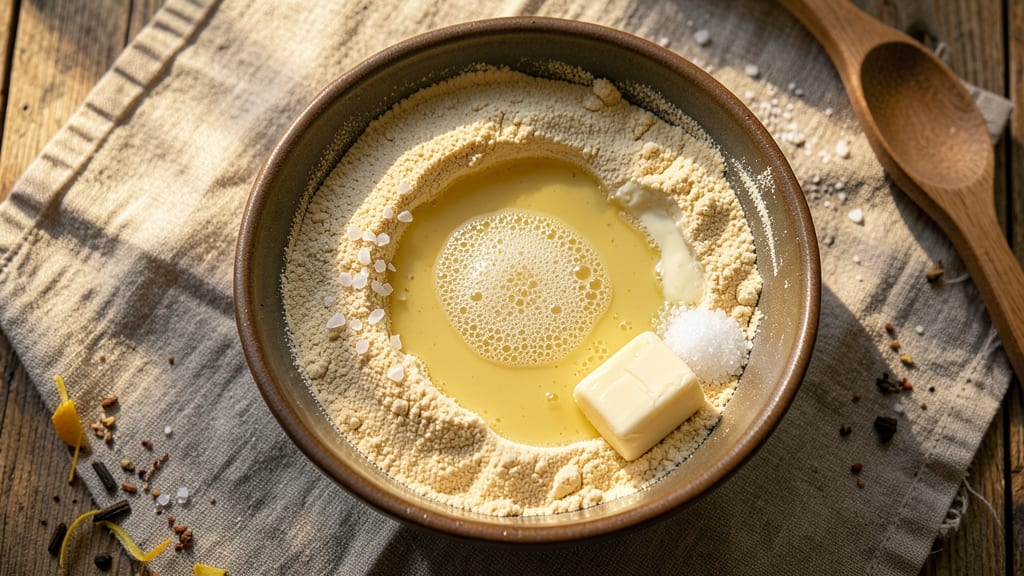
This Acme bread recipe delivers the perfect balance of a steam-perfected crust and pillowy crumb that rivals artisanal bakeries. The secret lies in precise dough preparation—flour, yeast, water, and salt working together to create a structure that transforms during baking.
I’ve refined this method over years of testing, ensuring every slice delivers that satisfying contrast between crispy exterior and soft interior.
The process begins with a simple yet deliberate dough formula, where proper kneading and proofing are non-negotiable for texture. What sets this recipe apart is the steam technique during baking, which unlocks that signature Acme crust without requiring specialized equipment.
Whether you’re a home baker or a seasoned pro, this method guarantees consistent results every time.
By the time your loaf emerges from the oven, you’ll have a bread with a golden, crackling crust that shatters slightly when cut, revealing an airy, even crumb beneath.
The aroma alone will transform your kitchen into a bakery, and the flavor—clean, with just a hint of yeasty depth—makes it perfect for toast, sandwiches, or serving alongside charcuterie.
For those who love experimentation, variations like adding honey for sweetness or whole grains for texture are simple to incorporate. The beauty of this recipe is its adaptability—while it excels as a classic loaf, it also serves as the foundation for rolls, baguettes, or even dinner rolls.
Let’s get started on creating your perfect loaf.
Ingredients for acme bread
Four cups flour, a pinch of yeast, and the magic of steam create this artisanal loaf.
| Ingredient | Amount | Notes |
|---|---|---|
| Bread Flour 🌾 | 4 cups | High-protein for structure |
| Active Dry Yeast 🍞 | ¼ oz | Fresh yeast preferred |
| Granulated Sugar 🍚 | 1 tbsp | Feeds yeast activation |
| Salt 🧂 | 2 tsp | Diamond Crystal preferred |
| Warm Water 💧 | 1 ¼ cups | 105-110°F for yeast |
| Unsalted Butter 🧈 | ½ cup | Cold, cubed for dough |
| Ice Water ❄️ | ¼ cup | For final dough temp |
| Cornmeal 🌽 | ¼ cup | For dusting baking sheet |
| Steam Source 💦 | 1 cup | Boiling water in pot |
| Sesame Seeds 🌻 | 1 tbsp | Optional for topping |
The bread flour is non-negotiable here—King Arthur or Caputo are my go-tos for that perfect balance of protein and gluten. Active dry yeast should be fresh, not that ancient packet lurking in your pantry. Test it by dropping a pinch in warm water with sugar—if it bubbles within 5 minutes, it's good to go. The butter matters too: Plugrá or Land O'Lakes unsalted melt beautifully during kneading. For the yeast activation, use water that's warm to the touch but not hot—105-110°F is ideal, though eyeballing it works too.
No bread flour? All-purpose plus 1 tbsp vital wheat gluten gets you close. Short on sesame seeds? Poppy seeds or everything bagel seasoning add texture too. The steam source can be anything—a metal bowl of boiling water on the lower rack or even a steam generator if you're fancy. For the butter, if you're in a pinch, cold coconut oil works too, though it won't give the same rich flavor. And that ice water? Don't skip it—it's what keeps your dough from overproofing during the long fermentation.
This dough needs at least 2 hours of cold proofing for that perfect crumb. Wrap tightly in plastic and refrigerate overnight for even better results. The steam pot stays on the middle rack while your bread bakes on the lower rack—no fancy equipment needed. Cool completely on a wire rack before slicing, or you'll end up with a gummy interior. Leftovers? Toast them—the crust gets even crunchier when reheated.
Why You'll Love This Recipe
- Five-Ingredient Magic: I swear, this is the kind of recipe that makes me feel like a baking genius—just flour, yeast, sugar, salt, and warm water. No fancy mix-ins, no stress, just proof that sometimes simplicity wins.
- Chewy Gold Standard: That perfect balance of a soft crumb with a slightly crisp crust? It’s all in the knead-and-ferment process with bread flour. Honestly, it’s the kind of bread that makes store-bought loaves feel like a letdown.
- Weeknight Workhorse: Toss a slice in a sandwich, toast it for breakfast, or use it to soak up soup—this bread does it all. I’ll be real: I’ve had it three days in a row, and no one’s complained yet.
- Pantry Staple Savings: A single batch costs pennies and stretches for days. Freeze half the loaf, and you’ve got fresh bread ready whenever you need it—no last-minute grocery runs, just pure convenience.
Step-by-step instructions for steam-perfected crust with pillowy crumb
Here's how to transform simple ingredients into bread with a crispy, steam-boosted crust and airy interior.
Activate the Yeast with Warm Water and Sugar
In a small bowl, combine the 1.25 cups warm water (between 105-110°F) with the 1 tbsp granulated sugar and 0.25 oz active dry yeast. Let it sit for 5-10 minutes until frothy—this confirms your yeast is alive and ready to work. You'll see bubbles forming and the mixture expanding slightly.
This activation step is critical for developing flavor and structure. If the yeast doesn't bubble within 10 minutes, it's dead and needs replacing. The sugar feeds the yeast, while the warm water provides the perfect environment for activation without killing it.
Mix Dough and Develop Gluten
In the bowl of a stand mixer fitted with the dough hook, combine the 4 cups bread flour and 2 tsp salt. Add the yeast mixture and mix on low speed for 2 minutes until a shaggy dough forms. Then add the 0.5 cup cold, cubed unsalted butter and mix until incorporated.
Increase speed to medium and knead for 8-10 minutes until the dough is smooth, elastic, and pulls away from the bowl. You're building gluten strands that will trap gas and create that perfect pillowy crumb. The dough should be slightly tacky but not sticky—if it sticks to your fingers, add 1 tsp flour at a time.
First Rise and Prepare for Shaping
Transfer the dough to a lightly oiled bowl, cover with plastic wrap, and let rise in a warm place for 1-2 hours or until doubled in size. The dough should feel light and springy when pressed gently with one finger—it should leave a slight indentation that slowly fills back in.
While the dough rises, prepare your baking sheet by sprinkling 0.25 cup cornmeal evenly across the surface. This creates a barrier that prevents sticking and adds texture to the crust. For the steam source, place 1 cup boiling water in a pot on the lower oven rack—this will create the perfect steam environment during baking.
Shape and Second Rise
Once doubled, turn the dough onto your cornmeal-dusted surface and gently shape it into a round loaf. I like to use the "stretch and fold" method: pull one side toward the center, fold it over, and rotate the dough 90 degrees before repeating. Do this 3-4 times to strengthen the gluten structure.
Place the shaped loaf on a parchment-lined baking sheet, cover loosely with plastic wrap, and let rise for another 30-45 minutes until puffy. The dough should spring back slowly when pressed—this indicates proper gluten development. For extra flavor, sprinkle the 1 tbsp sesame seeds on top before baking (optional but recommended).
Bake with Steam for Perfect Crust
Preheat your oven to 425°F with the steam source already boiling on the lower rack. Bake the loaf for 25-30 minutes until the crust is deep golden brown and sounds hollow when tapped on the bottom. The steam creates that signature crispy crust while the interior remains tender.
For best results, rotate the baking sheet halfway through for even browning. If the crust browns too quickly, tent loosely with foil. Let the bread cool on a wire rack for at least 30 minutes before slicing—this prevents a gummy interior and allows the crumb to set properly.
Pro Tips For Making Acme Bread
- TEST THE YEAST FIRST: I learned this the hard way—skipping the quick yeast check means wasting time and dough if it’s dead. Mix 1 teaspoon yeast with ¼ cup warm water and ½ teaspoon sugar, then wait 5–10 minutes for bubbles. No bubbles? Toss that packet and start fresh—your bread’s rise depends on it.
- WEIGH YOUR FLOUR: That “1 cup” measurement in recipes is a lie—your flour’s packed differently than mine. Use a kitchen scale for accuracy: 1 cup bread flour weighs about 125 grams, but scooping leads to dense, gummy loaves. (Yes, even if you’re impatient like me.)
- KNEAD UNTIL WINDOWPANE: Stop when the dough feels “good enough.” Keep going until you can stretch a small piece thin enough to see light through it—about 10–12 minutes by hand. Under-kneaded dough collapses; over-kneaded dough gets tough. (Your future self will thank you.)
- STEAM THE OVEN: This isn’t just for show—it’s the difference between a chewy loaf and a dry one. Pour a cup of boiling water into a heatproof bowl, then slide it into the oven before baking. The steam mimics a commercial bread oven and guarantees a crisp crust without burning the bottom. (Sounds weird, but it works.)
Creative variations of this recipe
Sweet Honey Twist
Add 2 tbsp honey to your dough during the kneading stage for a subtle sweetness that caramelizes beautifully in the oven. I recommend using local raw honey for depth—it blends seamlessly with the yeasty notes.
For extra richness, replace 1 tbsp water with honey in the yeast activation step. This variation works especially well when served with butter or jam. 🍯
Whole Grain Boost
Swap 1 cup of the bread flour for whole wheat or rye flour to add nutty texture and extra fiber. I prefer King Arthur whole wheat flour because it maintains a lighter crumb.
For a seed boost, mix in 2 tbsp ground flaxseeds or chia seeds during kneading. These additions work best when baked in a round loaf shape for even distribution.
Garlic Herb Loaf
Infuse your dough with 2 minced garlic cloves and 1 tbsp chopped fresh rosemary or thyme during the final kneading stage. The aromatics develop beautifully during proofing and baking.
For extra flavor, make a simple garlic butter wash by mixing 2 tbsp softened butter with 1 tsp minced garlic and brushing it on the loaf before baking. This variation pairs perfectly with roasted meats or soups.
Multigrain Crunch
Add ½ cup mixed seeds like sunflower, pumpkin, and sesame to your dough for texture contrast. Toast the seeds in a dry pan for 3-4 minutes until fragrant before mixing them in. For a nutty twist, include ¼ cup chopped walnuts or almonds.
These additions work best when sprinkled on top before baking or folded into the dough during the final stretch and fold. 🌾
Sourdough Conversion
Replace the commercial yeast with ½ cup active sourdough starter (fed and bubbly) to create a tangy, artisanal version. Reduce the water slightly to 1 cup to account for the moisture in the starter.
Let the dough ferment longer—8-12 hours at room temperature or overnight in the fridge. The slow fermentation develops complex flavors, and the crust will be even more crackly when baked with steam.
Everything Bagel Style
Transform your loaf into a bagel-inspired version by shaping the dough into rings and boiling them in water with 1 tbsp baking soda for 30 seconds before baking. Top with everything bagel seasoning (sesame seeds, poppy seeds, garlic, onion, and salt) before baking.
For extra richness, brush the boiled dough rings with 1 tbsp melted butter before baking at 425°F for 20-25 minutes. These mini loaves make perfect breakfast toast or sandwich rolls.
Nutrition facts
Frequently asked questions about Acme bread
Why does this recipe use bread flour instead of all-purpose?
The higher protein content in bread flour (around 12-14%) creates stronger gluten strands, which gives Acme bread its signature airy crumb and crispy crust. All-purpose flour would result in a denser loaf that lacks the same structural integrity. For a substitute, mix 1 tbsp vital wheat gluten per cup of all-purpose flour to mimic the effect.
Can I make this bread without a stand mixer?
Knead the dough by hand on a lightly floured surface for 10-12 minutes until smooth and elastic. Use the "windowpane test"—stretch a small piece of dough thin enough to see light through it. For the stretch-and-fold method, work the dough for 5 minutes per fold (repeat 3-4 times) to develop gluten properly. Your arms will get a workout, but the results will be just as good!
What's the best way to store leftover Acme bread?
For short-term storage (2-3 days), wrap tightly in plastic wrap or place in an airtight container at room temperature. To extend freshness to 5 days, freeze slices wrapped individually in plastic. For reheating, toast frozen slices directly in the toaster or warm in a 350°F oven for 5-7 minutes until crispy. The crust stays perfect when properly stored!
Why did my bread turn out dense instead of pillowy?
Dense bread usually results from underdeveloped gluten or overproofing. Double-check your kneading time (8-10 minutes minimum) and proofing stages—dough should double in size during first rise and spring back slowly when pressed. Also verify your yeast was active (it should bubble within 5-10 minutes when mixed with warm water). If your kitchen is cold, extend proofing time by 30-60 minutes.
Can I make this bread in a Dutch oven?
Yes! Shape your dough into a round loaf and bake in a preheated 425°F Dutch oven with the lid on for 20 minutes, then remove the lid and bake 10-15 minutes more until golden. The Dutch oven creates its own steam environment, eliminating the need for a separate pot of boiling water. This method produces an even more crackly crust.