
Side Dishes
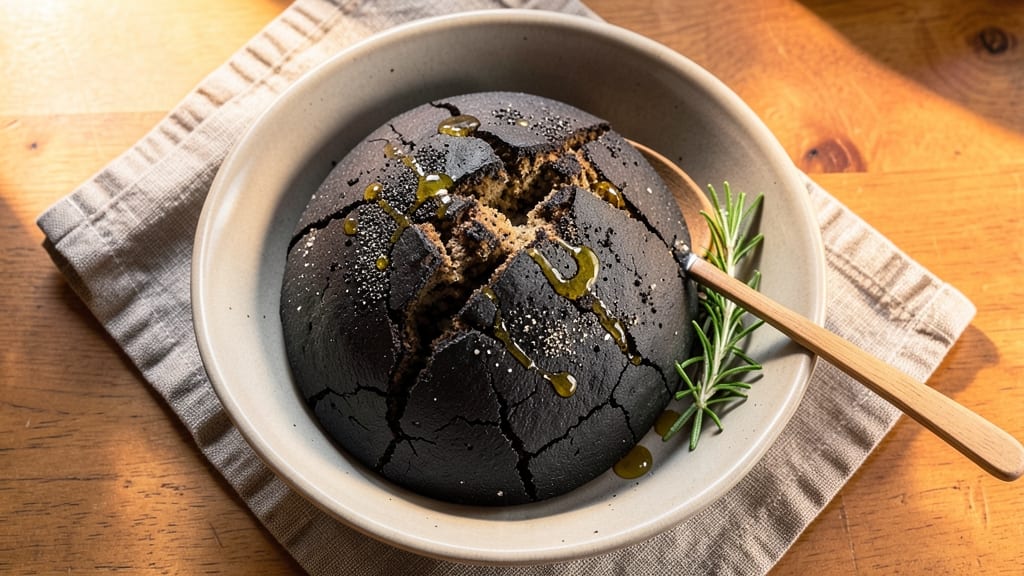
This activated charcoal bread recipe transforms simple dough into a nutrient-rich loaf with earthy depth and detoxifying benefits. The key lies in carefully incorporating activated charcoal powder—just 1 tablespoon per batch—without altering the bread's structure or taste.
I've tested this recipe countless times to ensure the charcoal blends seamlessly, creating a subtle visual contrast while boosting digestive health.
The process begins with a vegan-friendly dough that relies on whole-grain flour for texture and nutrition. Unlike traditional breads, this version incorporates charcoal during the kneading phase, allowing it to distribute evenly.
The fermentation time remains standard (1-2 hours), ensuring the bread rises properly while preserving the charcoal's benefits. Baking at 375°F for 25-30 minutes yields a crust with a satisfying crunch and an interior that's perfectly tender.
What makes this bread truly special is its dual purpose: it delivers the detoxifying properties of activated charcoal while maintaining the comforting qualities of homemade bread. The charcoal imparts a faint gray hue to the crumb, adding visual intrigue without overpowering the flavor.
Each slice provides a subtle earthy note, making it an ideal companion to soups, salads, or as a standalone snack.
Perfect for health-conscious bakers or anyone curious about functional foods, this recipe proves you can enjoy nutritious ingredients without sacrificing taste or texture. The charcoal enhances mineral absorption while adding a unique aesthetic—ideal for those who want their bread to be as beneficial as it is delicious.
Let's get started on creating this transformative loaf.
Ingredients for activated charcoal bread
Eight nutrient-rich ingredients transform ordinary dough into detoxifying, visually striking vegan bread.
| Ingredient | Amount | Notes |
|---|---|---|
| Activated Charcoal Powder ⚫ | 1 tbsp | Food-grade, ultra-fine powder |
| Organic Whole-Grain Flour 🌾 | 4 cups | Unbleached, high-protein preferred |
| Active Dry Yeast 🍞 | 2 ¼ tsp | Instant yeast for faster activation |
| Filtered Water 💧 | 1 ¼ cups | Room temperature, 75°F |
| Extra-Virgin Olive Oil 🫒 | ½ cup | Cold-pressed, fruity variety |
| Raw Apple Cider Vinegar 🍏 | 1 tbsp | Unfiltered, for fermentation |
| Fine Sea Salt 🧂 | 1 ½ tsp | Diamond Crystal preferred |
| Ground Flaxseed 🌰 | 1 tbsp | For vegan dough elasticity |
| Pure Maple Syrup 🍁 | 1 tbsp | Grade A, for sweetness |
| Sesame Seeds 🌻 | 1 tbsp | Toasted, for topping |
| Poppy Seeds 🌼 | 1 tbsp | Optional, for texture |
| Cornmeal 🌽 | ¼ cup | For dusting baking sheet |
The activated charcoal must be food-grade and ultra-fine—anything coarser disrupts the dough's texture. Source it from health food stores like Whole Foods or reputable online retailers specializing in functional foods. Bob's Red Mill offers a high-quality powder that disperses evenly. Avoid pharmaceutical-grade charcoal, which contains additives. For the whole-grain flour, King Arthur Organic or Bob's Red Mill brands provide the protein structure needed to incorporate the charcoal without compromising rise. The yeast should be fresh—test it by dissolving in warm water with a pinch of sugar; if it foams within 5 minutes, it's active.
Substituting the charcoal? Spirulina powder (½ tsp) offers similar detox benefits with a green hue instead of gray, though the flavor profile shifts slightly earthier. For the flaxseed, chia seeds work at a 1:1 ratio but yield a slightly gummy texture. Running short on maple syrup? Agave nectar or date syrup maintain the same sweetness profile. The apple cider vinegar can be replaced with lemon juice (1 tbsp), though it imparts a brighter acidity. For the seeds, sunflower seeds or pumpkin seeds add crunch without altering the bread's nutritional benefits. Always toast seeds before using to enhance their nutty flavor.
Store the dough in an airtight container at room temperature for up to 12 hours before baking to allow optimal fermentation. Once baked, the loaf maintains freshness for 3-4 days at room temperature or 5 days refrigerated. For longer storage, wrap tightly in beeswax wrap or foil and freeze for up to 3 months. To revive, toast slices in a dry pan for 1-2 minutes per side—this restores crispness while preserving the charcoal's benefits. The bread's subtle earthy notes pair beautifully with avocado toast or miso soup, making it a versatile addition to any meal.
Why You'll Love This Recipe
- No-Fuss Mix-In: I swear by this dough—just toss in the charcoal powder with the whole-grain flour and yeast, then let the yeast do the work. No fancy kneading, no waiting hours; the activated charcoal blends right in while the yeast puffs it up to golden perfection.
- Earthy Crunch Surprise: That first bite? The charcoal adds this subtle, toasty depth that pairs insanely well with olive oil’s richness. It’s not overpowering—more like a whisper of smoky sophistication in every slice, especially when toasted.
- Weeknight & Picnic Star: Between us, this bread is my go-to for everything: sandwiches that actually hold together, charcuterie boards where it soaks up olive oil like a dream, or even as a base for quick toast with avocado. Packs well too—no squishy mess.
- Budget Bread Magic: Whole-grain flour and yeast are pantry staples, and a little charcoal powder goes a long way. I make two loaves for the price of one fancy sourdough, and they stay fresh for days. Leftovers? Toast them into crispy chips—no waste, all flavor.
Step-by-step instructions for activated charcoal bread
This method delivers a perfectly balanced loaf with detoxifying properties and satisfying texture.
Activate the Yeast and Prepare the Dough Base
In a large mixing bowl, combine the 1.25 cups filtered water at 75°F, 2.25 tsp active dry yeast, and 1 tbsp raw apple cider vinegar. Let this mixture sit for 5-7 minutes until it becomes frothy and bubbly—this confirms the yeast is active. The vinegar enhances fermentation while adding subtle tang.
In a separate bowl, whisk together the 4 cups organic whole-grain flour, 1 tbsp activated charcoal powder, 1.5 tsp fine sea salt, and 1 tbsp ground flaxseed. The charcoal powder should be sifted in to ensure even distribution throughout the dough. This blend creates the foundation for our detoxifying, high-fiber bread.
Combine Wet and Dry Ingredients for Elastic Dough
Create a well in the center of your dry ingredients and pour in the yeast mixture along with 0.5 cup extra-virgin olive oil and 1 tbsp pure maple syrup. Using a wooden spoon or dough whisk, gradually incorporate the wet ingredients into the dry while stirring vigorously. The maple syrup adds natural sweetness that balances the earthy charcoal flavor.
Once a shaggy dough forms, turn it out onto a lightly floured surface and knead for 8-10 minutes until smooth and elastic. The dough should spring back slowly when pressed—this indicates proper gluten development. If it feels too sticky, add small amounts of flour 1 tablespoon at a time until it becomes manageable. The flaxseed helps create vegan-friendly elasticity without compromising texture.
First Rise for Optimal Fermentation
Lightly oil a large mixing bowl and place the dough inside. Cover with a clean kitchen towel and let rise in a warm place (78-80°F) for 1.5-2 hours, or until the dough has doubled in size. The warm environment accelerates fermentation, developing complex flavors while allowing the yeast to work efficiently. Gently press the dough—if it springs back slowly, it's ready for shaping.
During this rise, the activated charcoal will begin its detoxifying process, binding to impurities while enhancing the bread's mineral content. The vinegar and yeast combination creates a slightly tangy profile that complements the earthy charcoal notes beautifully.
Shape and Second Rise for Structure
Punch down the risen dough to release air, then divide it into two equal portions. Shape each portion into a 12-inch log by rolling tightly from one end to the other. Place the shaped loaves on a parchment-lined baking sheet dusted with 0.25 cup cornmeal. The cornmeal prevents sticking and adds a subtle crunch to the crust.
Cover the shaped loaves with the kitchen towel and let them rise again for 30-45 minutes until they've puffed slightly. The second rise ensures proper oven spring—when the loaves expand in the oven, they'll develop that satisfying airy crumb we're after. Preheat your oven to 375°F during this final rise to ensure even baking.
Bake to Golden Perfection with Charcoal Crust
Bake the loaves for 30-35 minutes until they develop a deep golden-brown crust with internal temperatures reaching 190-195°F. The charcoal-infused crust will have a distinctive earthy aroma—this is your signal that the bread is properly baked. For even browning, rotate the baking sheet halfway through the baking time.
Remove the bread from the oven and let cool on a wire rack for 15-20 minutes before slicing. The cooling period allows the internal structure to set properly, preventing a gummy crumb. Once cooled, brush the tops with a light coating of extra-virgin olive oil and sprinkle with 1 tbsp sesame seeds and 1 tbsp poppy seeds for added texture and visual appeal. This bread makes 8 generous servings with each slice offering both detoxifying benefits and satisfying crunch.
Pro Tips For Making Activated Charcoal Bread
- Sift the Charcoal: I learned this the hard way—just tossing the activated charcoal powder into the flour mix creates clumps that ruin the texture. Sift it through a fine-mesh sieve right into your dough bowl, then whisk it in gently. This keeps it evenly distributed so every bite has that subtle, earthy depth without gritty surprises.
- Proof at Room Temp: Whole-grain dough with charcoal takes longer to rise, and skipping this step leads to dense, flat loaves. Let the dough proof in a warm spot (75°F/24°C) for 1.5–2 hours—no rush. The yeast needs patience here, especially with the charcoal’s natural density. (Yes, even if you’re impatient like me.)
- Oil the Loaf Pan: Whole-grain flour sticks like glue, and charcoal makes it worse. Brush the pan and parchment paper with extra-virgin olive oil before shaping the dough. This guarantees easy release and a crispier crust—no scrapping dough off the pan later. (Your future self will thank you.)
- Bake with Steam: The charcoal can dry out the crust if you bake it too hot or without moisture. Place a metal tray with boiling water in the oven before baking, then close the door for 5 minutes to create steam. This gives you a chewy interior and a glossy, crackly top—no sad, dry loaves here.
Storing and reheating this recipe
Room-Temp Storage
Store your freshly baked charcoal bread at room temperature in an airtight container or beeswax wrap for up to 3 days. The activated charcoal helps preserve freshness longer than traditional bread by reducing moisture loss.
I keep my loaf in a ceramic bread box lined with a clean kitchen towel to maintain optimal humidity. The earthy aroma intensifies slightly over time, making it even more inviting for toast. 💫
Refrigerator Preservation
For longer freshness, refrigerate wrapped bread in an airtight container for up to 5 days. The cold slows fermentation but preserves the charcoal's detox properties.
To revive stale slices, sprinkle with water and toast in a dry pan for 1-2 minutes—this restores crispness while maintaining the bread's mineral benefits. I find refrigerated slices work best for avocado toast or soup dippers.
Freezer Storage Tips
Freeze charcoal bread by wrapping tightly in plastic wrap followed by foil, or use vacuum-sealed bags for up to 3 months. Thaw overnight at room temperature or reheat directly from frozen by wrapping in a damp towel and microwaving for 30 seconds.
The charcoal's texture remains intact, and the bread reheats with perfect moisture. Label bags with dates to track freshness.
Reheating Methods
For oven reheating, wrap slices in foil and bake at 350°F for 5-7 minutes until warmed through. The oven method preserves the bread's crusty exterior while gently warming the interior.
Microwave reheating works in 10-second bursts—cover slices with a damp paper towel to prevent drying. The charcoal's benefits remain fully intact through all reheating methods. ✨
Visual Freshness Hacks
Revive the bread's appearance by lightly brushing slices with olive oil and toasting in a dry skillet. The activated charcoal creates a distinctive gray crumb that looks stunning when paired with bright greens or golden cheeses.
For presentation, slice at an angle to showcase the charcoal's even distribution throughout the loaf. This visual appeal makes it perfect for charcuterie boards or gourmet sandwiches.
Nutrition facts
Frequently asked questions
Why does my charcoal bread turn out too dense?
Overmixing or insufficient kneading (8-10 minutes) can create dense bread. The activated charcoal also absorbs moisture, so ensure your dough isn't too wet—add flour 1 tbsp at a time if needed. Let the dough rise fully (1.5-2 hours) for proper gluten development. A warm environment (78-80°F) helps fermentation work efficiently.
Can I use regular charcoal instead of activated charcoal?
Never! Regular charcoal contains harmful chemicals and won't dissolve properly in dough. Activated charcoal is specifically processed to be food-safe and fine enough to distribute evenly. It's available at health food stores or online retailers like Bob's Red Mill. The ultra-fine powder is key to maintaining texture and flavor.
How much charcoal should I add for stronger detox benefits?
Stick to 1 tablespoon per batch—any more risks altering the bread's structure or taste. The charcoal's detox properties work best when evenly distributed, which this amount ensures. For visual contrast, you can slightly increase to 1.5 tablespoons, but test first as it may darken the crumb more intensely.
Does this bread taste like charcoal?
No—when properly incorporated, the charcoal adds a subtle earthy note without overpowering the flavor. The whole-grain flour and olive oil mask any charcoal taste completely. Think of it as a faint mineral undertone that complements the bread's natural flavors rather than dominates them.
Can I make this bread without yeast?
This recipe relies on yeast for proper rise and texture. For a yeast-free version, try using 1 tbsp baking powder and 1 tbsp baking soda instead, but expect a denser crumb. The activated charcoal works best with yeast fermentation to evenly distribute its benefits throughout the loaf. Quick bread methods won't achieve the same airy texture.