
Breakfast & Brunch
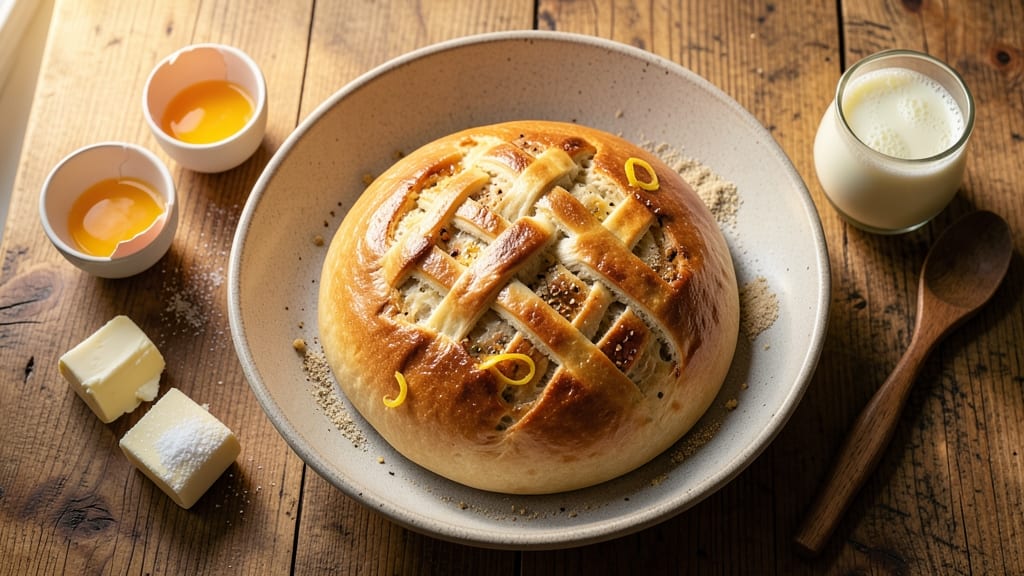
Adding egg to bread transforms ordinary loaves into rich, tender masterpieces with minimal effort—the secret lies in understanding how eggs work in dough. This technique elevates everything from simple sandwich bread to luxurious brioche, adding moisture, structure, and a golden sheen without complicating the process.
I’ve perfected this method over years of baking, ensuring your final loaf has that professional bakery quality at home.
The key is balancing eggs with flour and fat to prevent dryness or gumminess—too much egg creates a dense crumb, while too little leaves the bread flat. For enriched doughs like brioche, eggs provide both richness and lift, creating that signature tender crumb we all crave.
The process stays simple: just incorporate the eggs during mixing, let the dough rest properly, and bake at the right temperature for a perfectly risen, golden crust.
What you’ll achieve is bread with a velvety texture, improved browning, and longer freshness—qualities that make it worth the extra step. Whether you’re making a classic egg bread or experimenting with brioche, this method guarantees results that taste like they came from a bakery.
The dough remains manageable, and the payoff is a loaf that’s impossible to resist. Let’s get started on creating your enriched masterpiece.
This approach works for both beginners and experienced bakers—no advanced techniques required. We’ll cover everything from dough preparation to troubleshooting common issues like overproofing or uneven baking. The result? A foolproof method that delivers restaurant-quality bread with just one simple addition. Ready to elevate your baking game?
Ingredients for adding egg to bread
Nine simple ingredients transform basic dough into bakery-style bread with velvety texture and golden crust.
| Ingredient | Amount | Notes |
|---|---|---|
| Large Eggs 🥚 | 2 whole | Room temperature for even distribution |
| All-Purpose Flour 🌾 | 4 cups | Bread flour preferred for structure |
| Unsalted Butter 🧈 | ½ cup | Cold, cubed for easier mixing |
| Granulated Sugar 🍚 | ¼ cup | Light brown sugar for depth |
| Active Dry Yeast 🍞 | 2 ¼ tsp | Freshly opened for viability |
| Whole Milk 🥛 | ½ cup | Warmed to 110°F for activation |
| Diamond Crystal Kosher Salt 🧂 | 1 ½ tsp | Adjust to taste after mixing |
| Granulated White Sugar 🍚 | 1 tbsp | For egg wash and crust shine |
| Large Egg Yolk 🥚 | 1 whole | Reserved for egg wash |
| Cornmeal 🌽 | ¼ cup | For dusting bread pan |
The eggs are the game-changer here—room temperature is non-negotiable for even distribution through the dough. I always grab large eggs from the store's refrigerated section and let them sit for 30 minutes before using. For the butter, European-style brands like Plugrá melt more smoothly, but any unsalted butter works. The yeast? Freshly opened packets ensure maximum activity—never use the tiny pinch left at the bottom of a jar. If you're making brioche, increase the butter to 1 cup for that signature richness, but for a simpler enriched bread, this amount keeps it manageable yet luxurious.
No eggs on hand? Flax eggs (1 tbsp ground flaxseed + 3 tbsp water) work in a pinch for moisture, though you'll lose that perfect golden crust. Using bread flour instead of all-purpose gives better structure, but if that's not an option, add 1 tsp vital wheat gluten per cup of flour. The milk can be swapped for warm water if dairy isn't available, but the warmth is key for yeast activation. For the sugar, light brown sugar adds subtle caramel notes, but white sugar works fine if that's what you've got. The reserved egg yolk for the wash? Don't skip this—it's what gives that bakery-style shine and crisp crust.
Store any leftover dough in an airtight container in the fridge for up to 24 hours before shaping and baking. For longer storage, wrap the dough tightly in plastic and freeze for up to 3 months—thaw overnight in the fridge before proofing. The baked loaves keep well at room temperature for 2-3 days wrapped in a clean towel, or freeze for up to 2 months for freshness. Pro tip: Brush warm loaves with melted butter while still slightly warm for extra richness—trust me, it's worth the extra minute.
Why You'll Love This Recipe
- Same dough, endless uses: toast it for breakfast, shape it into rolls for dinner, or even bake into a quick loaf when guests drop by. No last-minute stress.
- Five-Ingredient Magic: I swear by this—just eggs, flour, butter, sugar, and yeast. No fancy mixers or confusing ratios; the dough comes together faster than my coffee brews.
- Rich Without Effort: That egg in the dough? It keeps everything tender but sturdy, while the butter adds a buttery melt that’s dangerously easy to overdo. (I’ve been there.)
- Breakfast to Brunch: Same dough, endless uses: toast it for breakfast, shape it into rolls for dinner, or even bake into a quick loaf when guests drop by. No last-minute stress.
Step-by-step instructions for enriched bread with eggs
Here's how to incorporate eggs for a tender, golden crust without complicating the process.
Activate the Yeast with Warm Milk
In a small bowl, combine the 0.5 cup warm whole milk (about 110°F) with the 2.25 teaspoons active dry yeast. Let it sit for 5-10 minutes until frothy—you'll see bubbles form on the surface and a yeasty aroma develop. This confirms the yeast is alive and ready to work.
If no bubbles appear after 10 minutes, your yeast may be inactive. In that case, start fresh with a new packet. The milk should be warm enough to melt butter easily but not hot enough to cook the yeast. Test with your finger—it should feel like warm bathwater, not scalding.
Mix Wet Ingredients with Butter and Eggs
In a large mixing bowl, combine the 0.5 cup cold cubed unsalted butter, 0.25 cup granulated sugar, and the 2 whole large eggs. Use a hand mixer or wooden spoon to beat on medium speed for 2-3 minutes until the mixture becomes pale and fluffy. You're incorporating air at this stage, which will create that light, tender crumb we're after.
Add the yeast-milk mixture and mix for another 30 seconds until fully combined. The dough should look like a thick, slightly sticky batter. If it seems too dry, add 1 tablespoon milk at a time until it reaches a smooth, cohesive consistency. This enriched dough will be softer than traditional bread dough, so don't worry if it looks more like cake batter at this point.
Gradually Incorporate the Flour
With the mixer on low speed, gradually add the 4 cups all-purpose flour and the 1.5 teaspoons diamond crystal kosher salt. Mix just until combined—about 1 minute. You'll see the dough come together as the flour absorbs the wet ingredients. Be careful not to overmix, as this can develop too much gluten and make the bread dense.
The dough should be soft, slightly sticky, and form a loose ball when pressed. If it's too wet and sticky to handle, add 1 tablespoon flour at a time until it reaches a workable consistency. This enriched dough will be more pliable than standard bread dough, so don't be afraid to get your hands in there and feel the texture. It should be smooth and elastic, not crumbly or tough.
Knead and Rest for Optimal Texture
Turn the dough onto a lightly floured surface and knead gently for 2-3 minutes, just enough to develop some structure without overworking it. The dough will be softer than traditional bread dough, so handle it with care. Shape it into a loose ball and place it back in the mixing bowl.
Cover the bowl with a damp towel and let the dough rest at room temperature for 30-45 minutes. During this time, the gluten will relax and the dough will become more pliable. This resting period is crucial for developing the best texture in your enriched bread. You'll know it's ready when the dough has doubled in size and feels springy to the touch when gently pressed.
Shape, Proof, and Bake for Perfect Results
Lightly grease a 9x5-inch loaf pan and dust it with 0.25 cup cornmeal. Transfer the rested dough to the pan and shape it gently to fit. Cover with a damp towel and let it proof for 1-1.5 hours or until it has risen to about 1 inch above the pan and feels light when pressed gently. The dough should spring back slowly rather than immediately.
Preheat your oven to 375°F. In a small bowl, whisk together the 1 whole large egg yolk and 1 tablespoon granulated white sugar to make an egg wash. Brush this mixture over the top of the dough just before baking for a beautiful golden crust and extra shine. Bake for 35-40 minutes or until the internal temperature reaches 190-200°F and the top is deep golden brown.
Pro Tips For Making Adding Egg To Bread
- Whisk Eggs Until Foamy: Don’t just crack and stir—beat those eggs with a fork or whisk until they’re noticeably lighter and slightly thicker. This adds structure to your bread, preventing it from turning gummy or dense when baked. I learned this the hard way after making a batch that collapsed like a sad soufflé.
- Measure Butter Cold: Scoop that unsalted butter straight from the fridge and cut it into tablespoons—no softening needed. Cold butter creates pockets of steam in the bread, making it fluffier. I was skeptical until I tried it, and now I resist the urge to let it sit out.
- Proof Yeast in Warm Water: Bloom your yeast in warm water (105–110°F) for 5 minutes before mixing it into the dough. If it doesn’t foam, your bread will taste flat. Use a thermometer if you’re unsure—yeast is picky, and guessing leads to disappointment.
- Fold Eggs Gently: When adding the beaten eggs to the dough, use a spatula to fold them in, not stir aggressively. Overmixing develops gluten too early, making the bread tough. Think of it like tucking in a blanket—just enough to incorporate without tearing.
Wine and beer pairings for these flavors
Crisp Whites
For this egg-enriched bread, a dry, crisp white wine like Sauvignon Blanc from New Zealand or Albariño from Spain works beautifully. The bright acidity cuts through the richness of the butter and eggs, cleansing your palate with every bite.
I love a glass of Kim Crawford Sauvignon Blanc—its citrus notes complement the bread’s subtle sweetness without overpowering it. 🍷
Malty Beers
A light lager or pilsner pairs perfectly with the buttery, tender crumb of this bread. Try Heineken or Peroni for a classic choice—their crisp, refreshing qualities balance the richness.
For something more adventurous, a Belgian Witbier like Hoegaarden adds a touch of spice and citrus that enhances the bread’s slight sweetness. 🍺
Rich Reds
If you prefer red wine, opt for a light-bodied Pinot Noir from Oregon or Chianti Classico from Italy. The Pinot Noir’s earthy notes and Chianti’s acidity pair surprisingly well with the bread’s buttery texture.
I recommend a La Crema Pinot Noir—its bright fruitiness won’t compete with the bread’s richness. Avoid heavy Cabernets, as they can overpower the delicate flavors. 🍷
Seasonal Pairings
In summer, a chilled Rosé like Whispering Angel adds a refreshing contrast to the bread’s warmth. For winter, a spiced beer such as Christmas Ale from Samuel Smith brings cozy, malty notes that complement the bread’s buttery depth.
The key is matching the drink’s acidity or spice to the bread’s richness for harmony. ✨
Non-Alcoholic Options
For a non-alcoholic pairing, try sparkling apple cider like Martinelli’s—its effervescence and slight tartness mirror the bread’s texture. A ginger beer like Feather’s also works, especially if you add a slice of lemon to enhance the citrus notes. These options keep the pairing fresh and balanced without alcohol. 🍏
Nutrition facts
Frequently asked questions
Why does adding egg make bread richer?
Eggs add fat and protein to bread dough, creating a tender crumb and golden crust. The fat in yolks mimics butter's richness while the protein helps bind ingredients together. This is why brioche and egg breads have that luxurious, melt-in-your-mouth texture that regular bread lacks.
How many eggs should I add to bread dough?
For a standard 9x5-inch loaf, 2 large eggs is ideal—this creates the perfect balance of moisture and structure. Too many eggs (3+) can make the bread dense, while too few (1) won't provide enough richness. Start with this ratio and adjust based on your desired texture.
Can I substitute eggs in egg bread?
Yes! For 1 egg, use either ¼ cup applesauce (for moisture) or ¼ cup Greek yogurt (for richness). For a vegan option, ¼ cup flax egg (1 tbsp ground flax + 3 tbsp water) works, though the crust won't be as golden. The texture will be slightly different but still delicious.
Why does my egg bread turn out dense?
Overmixing or underproofing are the most common causes. Mix just until combined (1 minute max) and let the dough proof until it's 1 inch above the pan. Also, ensure your eggs are room temperature—cold eggs won't distribute evenly. For extra lightness, fold in ½ cup whipped egg whites before baking.
How long does egg-enriched bread stay fresh?
Wrapped in a clean towel, it stays fresh for 3-4 days at room temperature. For longer storage, freeze the baked loaf for up to 3 months. Thaw overnight in the fridge and reheat in a 350°F oven for 5-10 minutes to restore freshness. The eggs help preserve moisture better than regular bread.