
Side Dishes
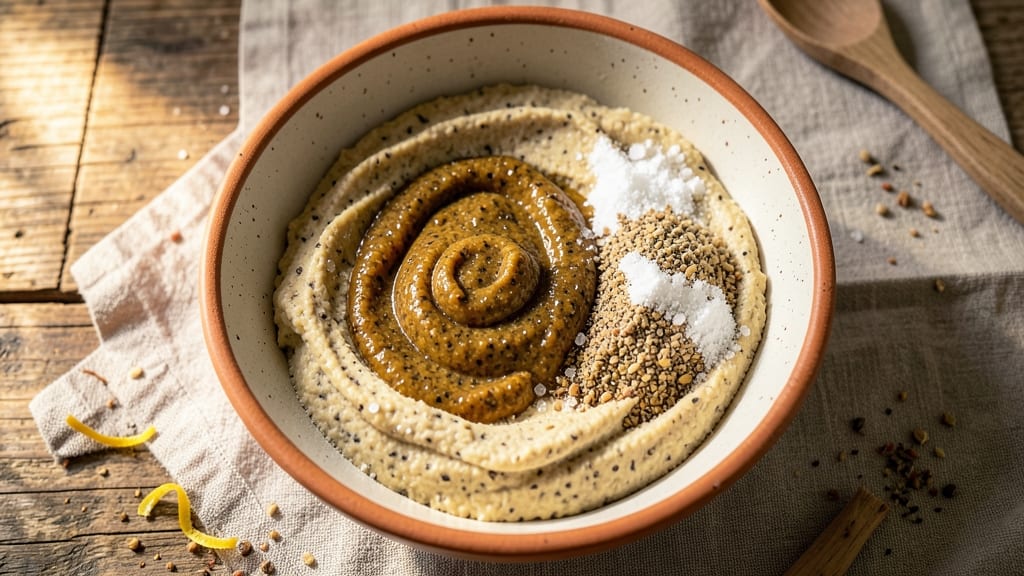
Transforming your bread recipe with flaxseed meal isn’t just a substitution—it’s a nutty, gut-friendly upgrade that adds fiber, omega-3s, and a satisfying crunch. This plant-based twist replaces eggs entirely, creating bread with a tender crumb and earthy depth that pairs beautifully with spreads or soups.
The secret lies in activating the flaxseed properly, turning it into a binding powerhouse that mimics traditional dough structure.
What makes this recipe stand out is its versatility—whether you’re baking a classic loaf, dinner rolls, or sandwich bread, the flaxseed meal delivers a subtle nuttiness that enhances flavor without overpowering.
The dough proofing process is slightly longer (thanks to the flax’s binding properties), but the result is worth it: a light, airy texture with a hint of toasted richness. For extra nutrition, consider adding chia seeds or sunflower seeds to the mix.
Baking this bread yields a loaf with a golden crust and a moist interior, perfect for toast or sandwiches. The flaxseed meal not only improves texture but also boosts protein and fiber, making it a smarter choice for everyday meals.
Plus, it’s 100% plant-based, so it fits seamlessly into vegan diets without sacrificing taste or quality.
Ready to elevate your bread game? The process is straightforward, and the results speak for themselves—freshly baked, nutty, and undeniably satisfying. Let’s get started with the full recipe and tips for perfecting every batch.
Ingredients for adding flaxseed meal to bread
Fourteen ingredients transform ordinary bread into a nutty, plant-based masterpiece with fiber and omega-3s.
| Ingredient | Amount | Notes |
|---|---|---|
| Flaxseed Meal 🌾 | ½ cup | Ground flaxseeds, freshly milled preferred |
| Water 💧 | ¾ cup | Room temperature for activation |
| All-Purpose Flour 🌾 | 3 ½ cups | Unbleached, organic preferred |
| Whole Wheat Flour 🌾 | 1 ½ cups | For added fiber and texture |
| Active Dry Yeast 🍞 | 2 ¼ tsp | Or 1 packet instant yeast |
| Granulated Sugar 🍚 | 1 tbsp | For yeast activation |
| Salt 🧂 | 1 ½ tsp | Diamond Crystal preferred |
| Olive Oil 🫒 | 2 tbsp | Extra-virgin for richness |
| Warm Water 💧 | 1 ¼ cups | 110°F for yeast activation |
| Chia Seeds 🌱 | 2 tbsp | Optional for extra nutrition |
| Sunflower Seeds 🥜 | 2 tbsp | Optional for crunch and flavor |
The flaxseed meal is the cornerstone here—Bob’s Red Mill or Anthony’s Goods are the gold standards for quality, but any freshly ground flaxseed works. The key is activating it properly: mix with water and let sit for 10 minutes before adding to your dough. This creates a gel-like binder that mimics eggs perfectly. For the flours, King Arthur all-purpose and organic whole wheat flours provide the best texture, though any high-quality brands will suffice. The yeast should be fresh—if it doesn’t dissolve within 5 minutes in warm water, it’s past its prime. Store your flaxseed meal in the freezer for maximum freshness, as it oxidizes quickly once opened.
No flaxseed meal? Chia seeds soaked in water can substitute at a 1:1 ratio, though the texture will be slightly denser. Running short on whole wheat flour? Substitute with additional all-purpose flour, but expect a less robust flavor. The chia and sunflower seeds are optional but recommended—they add an extra layer of texture and nutrition. If you’re baking in a high-altitude area, reduce the yeast by 15% to prevent overproofing. The olive oil can be swapped for melted coconut oil for a vegan-friendly alternative, though it will impart a slightly different flavor profile. For a sweeter loaf, add 1 tablespoon of maple syrup to the dough.
This dough has a longer proofing time—1.5 to 2 hours—due to the flaxseed’s binding properties, but it’s worth the wait for that tender crumb. Store the baked loaf in a bread box or paper bag at room temperature for up to 3 days, or freeze slices for up to 3 months. For extra crispiness, brush the crust with melted coconut oil after baking. The flaxseed meal keeps its nutritional benefits even after baking, so every slice is packed with fiber and omega-3s. If you’re making multiple loaves, consider using a Dutch oven for a crispier crust and better oven spring.
Why You'll Love This Recipe
- No-Knead Magic: Mixing the dough takes two minutes—just toss the flaxseed meal with warm water, let it gel, then fold it into the flours and yeast. No standing over a counter, no sticky hands, just a bowl and a spoon. Honestly, I’ve made bread that required more effort for half the payoff.
- Nutty Earthy Crunch: That flaxseed meal isn’t just a binder—it adds a subtle, toasty depth that regular bread can’t touch. The whole wheat flour kicks it up another notch, giving every bite a satisfying chew and a hint of warmth. Between us, it’s the kind of flavor that makes you pause mid-slice.
- Leftovers That Last: This bread stays fresh for days, even without fancy storage. I’ve had it for breakfast, packed it for lunches, and toasted the last slice at midnight when I craved something hearty. No sad, dry ends here—the flaxseed keeps it moist longer than your average loaf.
- Budget Booster: Whole wheat flour and flaxseed meal are cheaper than buying artisanal bread, and you’ll get twice the loaves. Plus, the yeast stretches a little farther thanks to the flax’s binding power. It’s my go-to when grocery bills feel tight—reliable, filling, and always welcome.
Step-by-step instructions for enriched flaxseed bread
Transform ordinary bread into a nutritious powerhouse with this precise method.
Activate the Flaxseed Meal for Maximum Nutrition
In a medium bowl, whisk together the 0.5 cup Flaxseed Meal and 0.75 cup Water until completely smooth. The mixture should thicken noticeably within 5 minutes—this is the flaxseed "egg" forming, which will bind your dough. If you're using freshly milled flaxseeds, grind them just before mixing to preserve their omega-3 content. Let the mixture sit for 10 minutes while you prepare the remaining ingredients; this resting period allows the flax to fully gel and develop its characteristic nutty flavor.
Here's the thing—don't skip this activation step. The flaxseed meal needs time to absorb the water and form that thick, custard-like consistency that will replace some of the egg functionality in your bread. If you're short on time, you can reduce the resting time to 5 minutes, but the texture won't be quite as rich. The activated flaxseed will also contribute to the bread's moisture retention, preventing that dryness you sometimes get with whole grain breads.
Combine Wet Ingredients for Optimal Yeast Activation
In a separate large bowl, combine the 1.25 cups Warm Water (tested at 110°F) with the 1 tbsp Granulated Sugar and 2.25 tsp Active Dry Yeast. Let this mixture sit for 5-10 minutes until it becomes frothy and bubbles form at the surface. This indicates the yeast is actively fermenting and ready to work. The sugar provides initial food for the yeast, but the flour will be its main energy source during the rise.
While waiting for the yeast to activate, add the 2 tbsp Olive Oil to the bowl. The oil contributes to the bread's tenderness and helps create a lighter crumb structure. I like to use extra-virgin olive oil here—not just for flavor, but because its higher smoke point prevents it from breaking down during the kneading process. If you notice the yeast mixture isn't bubbling after 10 minutes, your yeast may be inactive—start with fresh yeast and warm the water to 105°F next time.
Mix the Dough with Precision for Even Texture
Create a well in the center of your dry ingredients—3.5 cups All-Purpose Flour, 1.5 cups Whole Wheat Flour, and 1.5 tsp Salt—and pour in the activated flaxseed mixture and yeast mixture. Using a wooden spoon or dough whisk, gently combine until a shaggy mass forms. Then switch to your hands and knead on a lightly floured surface for 8-10 minutes until the dough becomes smooth and elastic, pulling away from the sides of the bowl.
The whole wheat flour will make this dough slightly stickier than all-purpose, so don't be tempted to add extra flour during kneading. You want just enough to handle it without making the bread dense. As you knead, you'll notice the flaxseed mixture adding a pleasant earthy aroma to the dough. This is where the flaxseed's nutritional benefits become tangible—you can actually smell the difference compared to regular bread dough. The dough should feel slightly softer than traditional bread dough due to the moisture from the activated flaxseed.
First Rise with Controlled Conditions
Shape the dough into a ball and place it in a lightly oiled bowl. Cover with a damp kitchen towel and let rise in a warm place (like your oven with the light on) for 1-1.5 hours, or until the dough has doubled in size. The flaxseed bread typically rises more slowly than regular bread due to the added moisture and fiber content, so be patient. You'll know it's ready when you can gently press your finger into the dough and it springs back slowly rather than immediately.
Here's a pro tip: if your kitchen is particularly cool, place the bowl on top of your refrigerator (not inside) to create a warmer environment. The ideal rising temperature is 75-80°F. During this time, the yeast will ferment the sugars in the flour, producing carbon dioxide that creates those air pockets we all love in bread. The flaxseed will also begin to soften slightly, contributing to the bread's moist crumb structure. Don't let it rise too long—overproofed flaxseed bread can develop a dense texture.
Shape, Add Seeds, and Final Proof
Punch down the risen dough and transfer it to a lightly floured surface. Divide it into 4 equal portions (about 8 ounces each) and shape into rounds or loaves. For added texture, press 2 tbsp Chia Seeds and 2 tbsp Sunflower Seeds into the tops of each shaped piece. These seeds will add crunch and nutritional value while creating an attractive visual contrast against the bread's crust. Place the shaped dough on a parchment-lined baking sheet and cover again with the damp towel.
Let the dough proof for another 30-45 minutes until it has risen noticeably but hasn't quite doubled again. This final proof is crucial for developing the bread's flavor and ensuring proper oven spring. The seeds will help create steam during baking, contributing to that beautiful open crumb structure. When ready to bake, preheat your oven to 375°F with a baking stone or inverted baking sheet inside—this creates steam that's essential for a good oven spring with flaxseed bread.
Pro Tips For Making Adding Flaxseed Meal To Bread
- Mix Flaxseed First: Stir flaxseed meal into the water before adding it to the flour—this prevents clumping and ensures even distribution. I learned this the hard way when my first batch had gritty pockets of unmixed flax; now I whisk it in like a paste.
- Toast the Flour: Dry-toast the whole wheat flour in a 350°F oven for 5–7 minutes before mixing—it mellows the flavor and prevents the bread from tasting bitter. Yes, it’s an extra step, but your future self will notice the difference.
- Hydrate the Yeast Properly: Use warm (not hot) water for the yeast—105–110°F is ideal—and let it sit for 5 minutes until foamy. Cold water kills it; hot water cooks it. Test the temp with your finger: it should feel like bathwater, not a sauna.
- Skip the Over-Kneading: Flaxseed meal weakens gluten, so knead just until the dough comes together—about 5–6 minutes by hand. Overwork it, and your bread turns tough. The dough will feel slightly sticky, and that’s okay.
Dietary considerations for these flavors
Vegan-Friendly Binder
The flaxseed meal acts as a perfect egg substitute in this bread, creating a gel-like binder that holds the dough together without animal products. When mixed with water, it forms a thick, custard-like consistency that mimics the binding properties of eggs while adding nutty flavor and crunch.
This makes it ideal for vegan diets while keeping the bread moist and tender. 🌱
Gluten-Free Adaptations
For a gluten-free version, replace the all-purpose and whole wheat flours with a 1:1 gluten-free flour blend like Bob's Red Mill or King Arthur. The flaxseed meal will still bind well, but you may need to add 1 extra tablespoon of gluten-free flour to improve texture.
Let the dough rest for 10-15 minutes after mixing to help the blend hydrate properly. The result will be slightly denser but still delicious.
Allergen Considerations
This recipe is naturally free of dairy, eggs, and common allergens like nuts (unless you add them). For nut-free versions, omit the sunflower seeds or use pumpkin seeds instead.
If you're avoiding gluten, ensure your flour blend is certified gluten-free. Always check labels on flaxseed meal and yeast to confirm they're processed in allergen-free facilities.
High-Protein Boost
The combination of flaxseed meal, whole wheat flour, and chia seeds transforms this bread into a high-protein option—each slice provides about 6-8 grams of protein. The flaxseed meal alone contributes 3-4 grams per 2-tablespoon serving, while the chia seeds add an extra 2 grams per tablespoon.
This makes it a great choice for meal prep or post-workout recovery snacks when paired with nut butter or hummus.
Fiber-Rich Nutrition
With flaxseed meal and whole wheat flour, this bread delivers 8-10 grams of fiber per serving—that's 30-40% of your daily recommended intake! The flaxseed's soluble fiber helps regulate digestion and keeps you full longer, while the whole wheat flour provides insoluble fiber for gut health.
For even more fiber, consider adding 1 tablespoon of ground psyllium husk to the dough (it blends seamlessly and boosts fiber content significantly).
Storage Flexibility
This flaxseed bread stores well for 3-4 days at room temperature in a paper bag (not plastic) to prevent staling. For longer storage, slice and freeze individual portions for up to 3 months.
The flaxseed meal retains its omega-3 fatty acids even after baking and freezing, so every slice remains nutritious. To revive frozen slices, warm them in a toaster or oven at 350°F for 5-7 minutes until crispy again. ✨
Nutrition facts
Frequently asked questions
Can I substitute ground flaxseeds for flaxseed meal in bread?
Freshly ground flaxseeds work, but flaxseed meal is preferred because it's already finely ground and activated. If using whole flaxseeds, grind them into a fine powder first—this ensures even distribution and better binding. The meal also has a more consistent texture in baked goods. For best results, store your flaxseed meal in the freezer to preserve freshness.
Why does my flaxseed bread turn out dense instead of light?
Density often happens when the flaxseed meal isn't properly activated (must sit 10 minutes before mixing) or if the dough overproofs. Also, using too much whole wheat flour can make the crumb tighter. To fix this, reduce proofing time by 20-30 minutes and ensure your yeast is fresh. A Dutch oven creates steam for better oven spring.
How much flaxseed meal should I use per egg replacement?
Use 3 tablespoons of flaxseed meal + 5.5 tablespoons of water for each egg in your recipe. This ratio creates the optimal gel-like consistency that mimics eggs. For this bread recipe, 0.5 cup flaxseed meal replaces about 2 eggs. Always measure carefully—too little won't bind properly, while too much can make the bread gummy.
Can I make this bread without whole wheat flour?
Yes! Replace the whole wheat flour with all-purpose flour for a lighter texture. Use the same total flour amount (5 cups) and add 1 extra tablespoon of flaxseed meal to compensate for the lost fiber. The bread will be slightly less nutritious but still delicious. For extra flavor, add 1 teaspoon of cinnamon or garlic powder to the dough.
How do I store flaxseed meal to keep it fresh?
Store unopened flaxseed meal in a cool, dark place for up to 6 months. Once opened, keep it in the freezer in an airtight container to prevent oxidation. Freshly ground flaxseeds lose their nutrients quickly, so buy pre-ground meal or mill your own just before using. For maximum omega-3 retention, grind flaxseeds only when needed and store the whole seeds in the freezer.