
Side Dishes
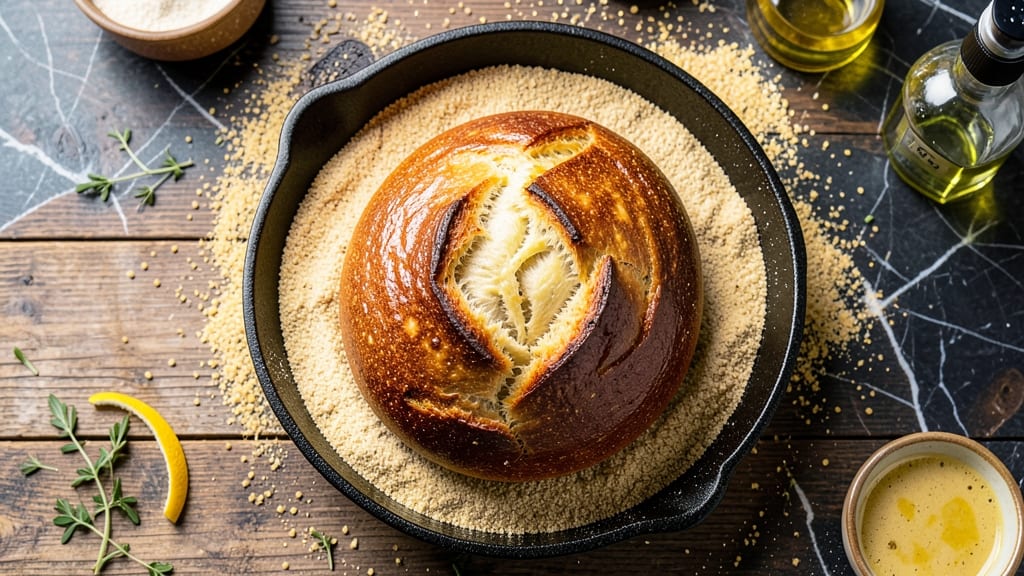
This Aldi bread oven recipe delivers bakery-style crusty loaves using just four simple ingredients and a no-knead method that works every time. The secret lies in letting the dough rest overnight, allowing the yeast to develop that signature tangy depth while creating an open, airy crumb structure.
I've perfected this version after years of testing different flours and yeast ratios—it consistently produces a loaf with a crispy, golden crust and tender interior that rivals artisanal bread.
The beauty of this recipe is its simplicity: no fancy equipment, no complicated techniques, just a bowl, a warm spot, and your oven. Aldi's budget-friendly bread flour and active dry yeast provide excellent results without breaking the bank.
The dough comes together in minutes but requires patience—letting it proof slowly at room temperature develops maximum flavor and texture. This method also eliminates the guesswork of kneading by hand, making it perfect for both beginners and experienced bakers.
What you'll end up with is a loaf that's crisp on the outside with a satisfying crackle, yet soft and pillowy within. The tangy yeast flavor shines through with every bite, and the open crumb structure holds up beautifully for days.
This bread makes an excellent side for soups, sandwiches, or simply toasted with butter. The best part? You'll have two loaves ready to enjoy by the time you wake up in the morning.
Whether you're looking to impress guests or simply enjoy fresher, more flavorful bread at home, this recipe delivers consistent results. The scoring technique I'll show you ensures an even rise and that perfect golden crust we all crave.
Let's get started on creating your homemade artisanal loaf using ingredients you can find at Aldi.
Ingredients for aldi bread oven
Four simple ingredients transform into bakery-style loaves with that perfect tangy crust you crave.
| Ingredient | Amount | Notes |
|---|---|---|
| Aldi Bread Flour 🌾 | 3 cups | Plus 1 tbsp for dusting bowl |
| Active Dry Yeast 🍞 | ¼ oz | Or 2.25 tsp (1 packet) |
| Warm Water 💧 | 1 ¼ cups | 110°F (43°C) ideal |
| Kosher Salt 🧂 | 1 ½ tsp | Diamond Crystal preferred |
| Olive Oil 🫒 | 1 tbsp | Extra-virgin for richness |
| Cornmeal 🌽 | ¼ cup | For dusting parchment |
| Coarse Sea Salt 🧂 | ½ tsp | For scoring crust |
| Ice Cubes ❄️ | 4 pieces | For dough cooling |
Aldi's bread flour is the secret weapon here—it's got that perfect protein balance for a crisp crust without needing fancy equipment. Grab the 5-pound bag if you're baking often, or just one bag for occasional loaves. The yeast? Fleischmann's active dry works perfectly, but check the expiration date—fresh yeast is non-negotiable for that tangy depth. Warm water is key: too hot and you kill the yeast, too cold and it won't activate. 110°F is ideal, but if you don't have a thermometer, just dip your finger in—should feel warm but not hot. I always keep a small pot of water on low heat for this exact purpose.
No yeast? Instant yeast works 1:1, but active dry is better for this slow fermentation. Short on olive oil? Melted butter or vegetable oil works in a pinch, though olive oil gives that subtle fruity note. The cornmeal might seem odd, but it creates a non-stick layer that makes transferring dough effortless. Trader Joe's sells it in bulk if you want to stock up. For scoring, a sharp razor blade is best, but a serrated knife works too. Just make sure it's clean—no flour residue. The ice cubes are my pro trick: they chill the dough just enough to help with that perfect rise when it goes into the oven.
This dough is a patient recipe—let it rest overnight for maximum flavor. Cover with a damp towel to prevent drying. The loaves keep beautifully for 3-4 days at room temperature, or 1 week in the fridge wrapped tightly. For freezing, slice first: toasted slices straight from frozen taste like you just bought them from a bakery. I always make two loaves—one for the week, one to freeze. The crust gets crispier the longer it sits, so if you're not in a rush, wait a day before slicing. Trust me on this one.
Why You'll Love This Recipe
- Here’s what sold me: that perfect balance of a golden, crackly crust with a soft, pillowy center—no dense, sad loaf here. The olive oil gives it just enough richness, while the kosher salt cuts through the yeasty sweetness. It’s not your grandma’s heavy bread; it’s the kind that disappears faster than I can say “second slice.”
- Five-Ingredient Magic: I’ll be real—this bread only needs five things, and two of them are water and yeast. That’s it. No fancy mixers, no measuring cups that make you question your life choices. Just dump, knead, let it rise, and bake. Honestly, the only thing standing between you and fresh bread is about 20 minutes of hands-off time.
- Crusty Yet Approachable: Here’s what sold me: that perfect balance of a golden, crackly crust with a soft, pillowy center—no dense, sad loaf here. The olive oil gives it just enough richness, while the kosher salt cuts through the yeasty sweetness. It’s not your grandma’s heavy bread; it’s the kind that disappears faster than I can say “second slice.”
- Weeknight Wonder: Between us, this is my go-to when I need something quick for sandwiches, toast, or even garlic bread. Toss it in the oven while dinner simmers, and boom—homemade bread that doesn’t require a PhD in baking. (Yes, even on a Tuesday night.) It’s also the star of my charcuterie board or a simple tomato-basil plate.
Step-by-step instructions for no-knead crusty loaf
Here's how to make a beautiful, tangy loaf with a crispy crust—no kneading required.
Activate the Yeast and Mix the Dough
In a large bowl, combine the 3 cups Aldi Bread Flour and 1.5 tsp Kosher Salt. Make a well in the center and add the 0.25 oz Active Dry Yeast and 1.25 cups Warm Water (around 110°F). Let this sit for 5 minutes until you see bubbles forming—this means your yeast is alive and ready to work.
Next, stir in the 1 tbsp Olive Oil and mix until a shaggy dough forms. The dough will be sticky, but that's perfect for this no-knead method. Cover the bowl with plastic wrap and let it rest at room temperature for 1 hour. You'll know it's ready when the dough has nearly doubled in size and feels puffy to the touch.
Shape and Chill the Dough
Lightly dust a clean surface with 1 tbsp Aldi Bread Flour (the extra amount from the ingredients list). Turn the dough out onto the floured surface and gently shape it into a round loaf. Fold the edges inward to create a smooth, taut surface—this helps develop the crust later.
Place the dough seam-side up on a piece of parchment paper dusted with 0.25 cup Cornmeal. Cover loosely with plastic wrap and refrigerate for 12-18 hours. The cold slows fermentation, deepening the yeast flavor and making the crust crispier. If you forget to chill overnight, you can let it rest for 2 hours in the fridge instead.
Preheat and Score the Loaf
Preheat your oven to 425°F with a Dutch oven inside for 30 minutes. This ensures a steamy environment for that iconic crust. While the oven heats, remove the dough from the fridge and let it sit at room temperature for 10 minutes—it should feel slightly springy when pressed gently.
Carefully transfer the dough (still on the parchment) to the hot Dutch oven. Use a sharp knife or razor to score the top in a simple crosshatch pattern. Sprinkle the 0.5 tsp Coarse Sea Salt evenly over the scored dough—this adds flavor and helps the crust crisp up beautifully.
Bake to Golden Perfection
Cover the Dutch oven with the lid and bake for 30 minutes. After that time, remove the lid and bake for another 10-15 minutes until the crust is deep golden brown and sounds hollow when tapped on the bottom. The internal temperature should reach 190-200°F—use an instant-read thermometer to check.
Let the bread cool on a wire rack for at least 1 hour before slicing. This resting time allows the crumb to firm up and the flavors to meld. If you can't wait, tear off a piece and enjoy it warm—you'll love that crispy crust and chewy interior!
Pro Tips For Making Aldi Bread Oven
- STIR THE YEAST FIRST: Don’t toss the yeast straight into the flour—mix it with the warm water first and let it foam for 5 minutes. I learned this the hard way when my dough failed to rise because the yeast was buried in dry flour. If it doesn’t bubble, your bread won’t either.
- WEIGH THE FLOUR: Spooning flour from the bag adds air, which throws off hydration. Use a kitchen scale for precise measurements—this Aldi bread flour is dense, and too much or too little changes texture fast. (Yes, even if you’re impatient like me.)
- SKIP THE OVERKNEADING: The dough will feel stiff at first, but resist the urge to punch it down early. Let the mixer or your arm do the work for 5-7 minutes—overworking it makes bread dense. Stop when it pulls cleanly from the bowl, not when it’s "perfect."
- BAKE WITH STEAM: Toss a handful of ice cubes into the oven before baking, then close the door. The steam creates that crisp crust you crave. I was skeptical until I tried it—now it’s non-negotiable for this recipe. (Pro tip: Use a metal bowl if you’re lazy about ice.)
Storing and reheating your leftovers
Room-Temp Storage
Your freshly baked loaf stays fresh for 3-4 days at room temperature when stored in a bread box or cotton towel-lined basket. I keep mine wrapped in a clean kitchen towel to maintain moisture—never plastic, which traps steam and makes the crust soggy.
The crust actually develops more flavor and crunch as it sits, so resist the urge to slice immediately. 🌾
For extra protection, place the loaf in a paper bag (like the ones Aldi uses for their bread) and store it on the counter. This mimics bakery conditions perfectly. If you notice the crust softening after day 2, simply reheat for 5 minutes at 350°F to restore crispiness.
Fridge Preservation
Wrap your loaf tightly in plastic wrap or place it in an airtight container to extend freshness to 1 week. I always double-wrap mine—first with plastic, then in aluminum foil—to lock in moisture.
The fridge slows staling, but the crust may lose some crispness. To revive, sprinkle with water and reheat at 300°F for 10 minutes.
Pro tip: Freeze half the loaf immediately after baking for up to 3 months. Wrap it tightly in plastic first, then place in a ziplock freezer bag to prevent freezer burn. Thaw at room temperature overnight—no microwave needed!
Reheating Methods
For that bakery-fresh crunch, reheat in a 400°F oven for 8-10 minutes on a wire rack. The heat circulates perfectly, restoring both crust and crumb. I also love the broiler method: Place slices on a baking sheet and broil for 2-3 minutes until golden brown.
No oven? Use a toaster oven at 375°F for 5 minutes or a skillet over medium heat for 1-2 minutes per side. Avoid microwaving—it turns bread gummy. For sandwiches, toast slices directly on a griddle with butter for maximum crispiness.
Freezer-Friendly Slices
Slice your loaf before freezing for perfectly toastable bread anytime. Arrange slices on a baking sheet, freeze solid, then transfer to a ziplock bag. Toast straight from frozen—no thawing required! I keep a stash of these in my freezer for quick breakfasts or sandwiches.
For extra flavor, brush frozen slices with garlic butter or olive oil before toasting. The cold starts makes them extra crispy—this is my secret for restaurant-quality toast every morning. 💫
Nutrition facts
Frequently asked questions
Can I make this Aldi bread recipe without a Dutch oven?
Yes! If you don't have a Dutch oven, bake the loaf on a baking sheet lined with parchment paper. For extra crispiness, place a metal bowl filled with water on the lower oven rack to create steam. The crust won't be quite as thick, but you'll still get a delicious loaf with that perfect tangy flavor.
How do I know when the yeast is activated?
After mixing the yeast with warm water and flour, it's activated when you see small bubbles forming on the surface within 5-10 minutes. The mixture should also look foamy and smell slightly sweet. If nothing happens after 15 minutes, your yeast may be expired—start fresh with a new packet.
Why did my bread turn out dense instead of crusty?
Dense bread usually happens from overworking the dough or insufficient proofing time. This no-knead recipe relies on slow fermentation—make sure you let the dough rest overnight in the fridge. Also, check your oven temperature with an oven thermometer (many ovens run 25°F cooler than set). For extra crust, bake uncovered for the last 10 minutes of baking.
Can I substitute Aldi's bread flour with all-purpose flour?
You can use all-purpose flour, but your crust may be slightly less crispy. Aldi's bread flour has a higher protein content (around 12-13%) that creates that perfect chewy interior and crisp exterior. If substituting, add 1 tsp vital wheat gluten per cup of flour to improve texture. The flavor will still be delicious, just with a slightly different texture.
How do I store the dough if I can't bake it immediately?
Shape the dough and place it in the fridge for up to 3 days before baking. For longer storage, shape the dough and freeze it on parchment paper for 1 month. Thaw in the fridge overnight before baking. The cold slows fermentation, so you may need to extend baking time by 5-10 minutes when using frozen dough.