
Side Dishes
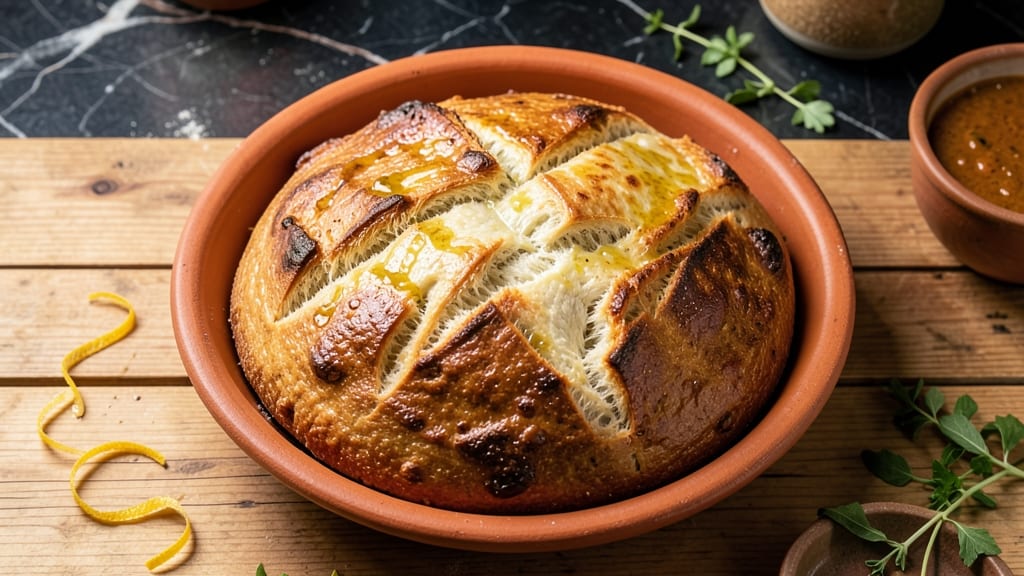
This Algerian bread recipe brings the warmth of North African kitchens to your table with its signature harissa-kissed crisp and fluffy interior. The dough develops a tender yet sturdy texture, perfect for soaking up stews or pairing with couscous—just like in Algerian homes.
What sets this apart is the harissa-infused oil used in the dough, which adds a subtle, aromatic depth that transforms ordinary flatbread into something extraordinary.
The process is straightforward but rooted in tradition: a simple dough of flour, yeast, and water, kneaded just enough to develop gluten without overworking it. The real magic happens when the bread bakes in a hot oven, creating that golden, crispy crust while keeping the inside soft and pillowy.
Unlike many flatbreads, this one holds its shape beautifully, making it ideal for serving as a side or even as a wrap for hearty fillings.
Once baked, the bread releases an intoxicating aroma that fills your kitchen—harissa, garlic, and warm flour working together to create a scent that’s impossible to resist. The crispy edges contrast perfectly with the tender center, and the harissa-infused oil leaves a faint, lingering heat that enhances every bite.
This is the kind of bread that makes ordinary meals feel like a celebration.
Serve it warm alongside tagine, lamb stew, or even as a base for a simple salad. The versatility of this Algerian bread ensures it becomes a staple in your kitchen, bringing a taste of North Africa to every meal. Ready to master this recipe? Let’s get started.
Ingredients for algerian bread
Flour, yeast, and harissa make this fluffy Algerian bread unforgettable.
| Ingredient | Amount | Notes |
|---|---|---|
| All-Purpose Flour 🌾 | 4 cups | Bread flour works even better |
| Active Dry Yeast 🍞 | ¼ tsp | Or 1 packet (2.25 tsp) |
| Granulated Sugar 🍚 | ¼ tsp | Feeds the yeast |
| Salt 🧂 | 1 tsp | Kosher or sea salt |
| Extra-Virgin Olive Oil 🫒 | ½ cup | For dough and harissa oil |
| Warm Water 💧 | 1 ¼ cups | 110°F for yeast activation |
| Harissa Paste 🌶️ | 1 tbsp | Adjust for spice preference |
| Garlic Cloves 🧄 | 3 cloves | Minced for harissa oil |
| Ground Cumin 🌿 | ½ tsp | Earthy depth |
| Coriander Seeds 🌿 | ½ tsp | Toasted for aroma |
| Sesame Seeds 🌰 | 1 tbsp | For topping |
| Cornmeal 🌽 | ¼ cup | For dusting surface |
Harissa is the soul of this bread. Look for smooth, paste-style harissa at Middle Eastern markets—Bella or Al Wadi are solid choices. If you can't find it, mix 1 tsp smoked paprika + 1/2 tsp cayenne as a quick swap. The garlic and cumin in the harissa oil are non-negotiable—they're what gives that signature North African warmth. Toast your coriander seeds in a dry pan for 30 seconds first (trust me, it makes a difference). For the flour, King Arthur or Bob's Red Mill bread flour gives that perfect chewy texture, but all-purpose works in a pinch.
No harissa? Blend 1 tbsp tomato paste + 1/2 tsp smoked paprika + 1/4 tsp cayenne for a decent stand-in. Short on sesame seeds? Poppy seeds or crushed pistachios add a nice crunch. The yeast needs to be active dry—check the date on the packet. If it's been sitting in your pantry for months, toss it. For the water, it should feel warm to the touch (like bathwater), not hot. The sugar feeds the yeast, but don't skip it—it's what gets those bubbles started. If you're making this ahead, the dough keeps 24 hours in the fridge, covered.
This bread is best fresh out of the oven, but it reheats beautifully. Wrap cooled loaves in a clean kitchen towel and store at room temp for 2 days. For longer storage, freeze portions wrapped in foil—they'll last 3 months. To reheat, pop in a 350°F oven for 5-7 minutes until crispy again. The harissa oil infuses the dough, so every bite has that subtle kick. Perfect for soaking up stews or wrapping around grilled meats—just like in Algerian homes.
Why You'll Love This Recipe
- No-Yeast Struggle: I swear by this dough—just flour, yeast, sugar, and olive oil. No kneading, no waiting for it to rise like a fancy sourdough. The yeast works fast, and the olive oil keeps it tender without the fuss.
- Crispy-Gold Perfection: That olive oil brush? Magic. The crust turns golden and shatteringly crisp while staying soft inside—like a cross between a baguette and a buttery flatbread. Honestly, I’ve burned bread before, but this one’s hard to mess up.
- Breakfast to Brunch: Tear it fresh for toast with jam, freeze slices for quick sandwiches, or serve warm with honey and za’atar. It’s my lazy Sunday go-to, and honestly? It’s just as good cold as it is hot.
- Pantry Staple Power: Five ingredients, minimal effort, and it lasts a week in the freezer. I bake a batch every Saturday—some for toast, some to stash. Between us, it’s the most reliable way to stretch a grocery budget without sacrificing flavor.
Step-by-step instructions for Algerian bread
Here's how to make this aromatic flatbread with a crispy edge and fluffy center.
Activate the Yeast and Mix the Dough
In a small bowl, combine the 1.25 cups warm water (around 110°F—it should feel warm to your wrist but not hot), 0.25 tsp granulated sugar, and 0.25 tsp active dry yeast. Let it sit for 5-10 minutes until frothy—this means your yeast is alive and ready to work. If it doesn't bubble, your yeast might be dead, and you'll need to start over.
In a large bowl, whisk together the 4 cups all-purpose flour and 1 tsp salt. Add the yeast mixture and 0.5 cup extra-virgin olive oil to the dry ingredients. Using a wooden spoon or your hands, mix until a shaggy dough forms. The dough will be sticky, so don't worry if it doesn't come together perfectly yet. Sprinkle in the 0.5 tsp ground cumin and 0.5 tsp coriander seeds, then mix again until evenly distributed.
Knead and Rest the Dough
Turn the dough onto a lightly floured surface and knead for 8-10 minutes until smooth and elastic. You'll know it's ready when it springs back slowly when poked. If the dough feels too sticky, wet your hands slightly to prevent sticking. Once kneaded, place the dough back in the bowl, cover it with a damp towel, and let it rise in a warm place for 1-2 hours or until it has doubled in size.
Here's the thing—don't rush this step. A proper rise gives you that light, airy texture. If your kitchen isn't warm enough, place the bowl near a slightly warmed oven (with the light on) or on top of your fridge to help it rise faster. The dough should feel puffy and jiggly when ready.
Prepare the Harissa Oil
While the dough rises, make the harissa oil. In a small saucepan, gently heat the 1 tbsp harissa paste and 3 cloves minced garlic over low heat for 2-3 minutes, stirring constantly. Add 2 tablespoons of the 0.5 cup extra-virgin olive oil reserved earlier and stir until fully combined. Remove from heat and let it cool slightly. This oil will give your bread its signature spicy kick and rich flavor.
If you prefer less heat, reduce the harissa to 1 teaspoon and increase the olive oil to 3 tablespoons for a milder version. The harissa oil should be thick but pourable—if it's too runny, let it cool a bit longer before using.
Shape and Cook the Bread
Punch down the risen dough and divide it into 4 equal portions. Roll each portion into a ball, then flatten into a 6-inch round on a floured surface. Dust the top of each flatbread lightly with 0.25 cup cornmeal, focusing on the edges to help create that crispy crust. Brush the center of each flatbread with the harissa oil, leaving a 1-inch border around the edges.
Heat a skillet or griddle over medium-high heat until hot. Cook each flatbread for 2-3 minutes per side, pressing down gently with a spatula to ensure even cooking. You'll see the edges start to crisp and turn golden brown—that's your signal to flip. The bread is done when it's golden all over and the underside is crispy.
Finish with Sesame Seeds and Serve
Remove the cooked flatbreads from the skillet and place them on a wire rack or clean kitchen towel. While still warm, sprinkle each with 1 teaspoon sesame seeds, pressing them gently into the surface so they stick. The seeds add a nutty crunch and beautiful presentation. Let the bread cool for 5 minutes before serving—this helps the crust set while keeping the interior soft.
Serve the Algerian bread warm with your favorite dips like hummus, labneh, or the remaining harissa oil. The contrast of crispy edges, fluffy center, and spicy harissa flavor makes this bread a standout. Store any leftovers in an airtight container for up to 2 days, but honestly, they won't last that long!
Pro Tips For Making Algerian Bread
- TEST YEAST FIRST: Skip the guesswork—mix a tiny pinch of yeast with warm water and a pinch of sugar. If it bubbles within 5–10 minutes, your yeast is alive. I learned this the hard way after baking a dense, flavorless loaf because my "fresh" yeast had expired in the pantry.
- KNEAD LESS, STRETCH MORE: Algerian bread dough doesn’t need long kneading—just 3–4 minutes by hand. Instead, focus on stretching the dough gently in the bowl after the first rise. This builds strength without overworking it, and you’ll get that signature tender crumb. (Yes, even if you’re impatient like me.)
- OIL THE BOWL WELL: Don’t just drizzle olive oil over the dough—coat the bowl thoroughly with 1–2 tablespoons. The dough will rise smoother and stick less, making the second rise effortless. I used to skip this and ended up with dough glued to the bowl like a science experiment gone wrong.
- BAKE UNTIL GOLDEN: Algerian bread turns a deep golden brown when done—wait for that color, not just a hollow sound. A toothpick should come out clean, but the crust should crack slightly. Sounds weird, but it works: underbaked bread tastes gummy, and overbaked bread dries out. Find that sweet spot.
Regional styles of this dish
Moroccan Khobz
In Morocco, Algerian bread is known as khobz, a staple in every home. This version is slightly sweeter, often baked in a tannour (clay oven) for that signature crispy crust.
The dough includes a touch of orange blossom water (about 1 tsp) for floral notes, and the bread is shaped into small rounds. Serve it with msemen (Moroccan pancakes) or use it to scoop up tagines—it’s the perfect vessel for rich stews. 🌿
Tunisian Briouat
Tunisia’s briouat is a folded flatbread stuffed with spiced meat or vegetables, but the dough itself is similar to Algerian bread. For a Tunisian twist, add 1 tsp ground fennel seeds to the dough and shape it into half-moon folds before baking.
The harissa oil becomes even more essential here, as it balances the savory filling. Try stuffing it with lamb and prunes for a classic combination.
Libyan Mhadjeb
Libya’s mhadjeb is a crispy, layered flatbread that’s almost like a cross between a cracker and a flatbread. The dough is rolled paper-thin, brushed with harissa oil, and baked until golden and crunchy.
For extra flavor, sprinkle crushed pistachios on top before baking. Serve it with shakshuka or as a side to grilled meats—it’s the perfect crunchy contrast to rich dishes.
Algerian Street Bread
In Algerian street markets, you’ll find small, round flatbreads sold by the dozen—these are often baked in cast-iron skillets over open flames for a smoky flavor. For a street-style version, reduce the dough to 3 cups flour and bake the breads 2 inches in diameter.
Brush them with harissa oil and sprinkle with sesame seeds while still hot. These bite-sized breads are perfect for snacking or pairing with merguez sausage or olive tapenade.
Seasonal Variations
In summer, Algerians often add fresh herbs like mint or cilantro to the dough for brightness. For winter, a pinch of ground cinnamon (about ¼ tsp) adds warmth.
The harissa oil can also be adjusted—reduce it to ½ tbsp in summer to avoid overheating, or increase to 1.5 tbsp in winter for extra coziness. The bread’s versatility makes it a year-round favorite. ❄️
Nutrition facts
Frequently asked questions
Can I make this Algerian bread without harissa?
Yes! If you can't find harissa, blend 1 tbsp tomato paste with ½ tsp smoked paprika and ¼ tsp cayenne for a similar kick. For a milder version, skip the harissa entirely and use 2 tbsp extra olive oil infused with 3 minced garlic cloves and ½ tsp cumin instead. The bread will still be delicious with a more subtle flavor.
How do I store leftover Algerian bread to keep it crispy?
Wrap cooled bread in a clean kitchen towel and store at room temperature for 2 days. For longer storage, freeze portions in foil for up to 3 months. To reheat, warm in a 350°F oven for 5-7 minutes until crispy again. The towel helps maintain moisture while preserving the crust's texture.
Why did my dough not rise properly?
This usually happens if the yeast was inactive or the environment was too cold. First, check your yeast by testing it in warm water with sugar—it should bubble within 5-10 minutes. If not, replace it. For rising, place the dough in a warm spot (80°F+), like near a turned-on oven light or on top of the fridge. A damp towel helps too—it traps heat and humidity for better fermentation.
Can I use this dough for other North African breads?
This versatile dough works for Moroccan msemen (folded pancakes) or Tunisian briouat (stuffed flatbreads). For msemen, roll the dough thin and cook in a skillet until puffed. For briouat, divide into small balls, flatten, fill with spiced meat or veggies, fold, and seal. The harissa oil adds authentic flavor to both variations.
What’s the best way to serve Algerian bread?
This bread shines with warm dips like labneh, hummus, or tahini sauce. Use it to scoop up tagines, merguez sausage, or olive tapenade. For a sweet twist, serve with date paste or honey. The crispy edges soak up flavors perfectly, while the soft center stays intact—ideal for both savory and sweet pairings!