
Side Dishes
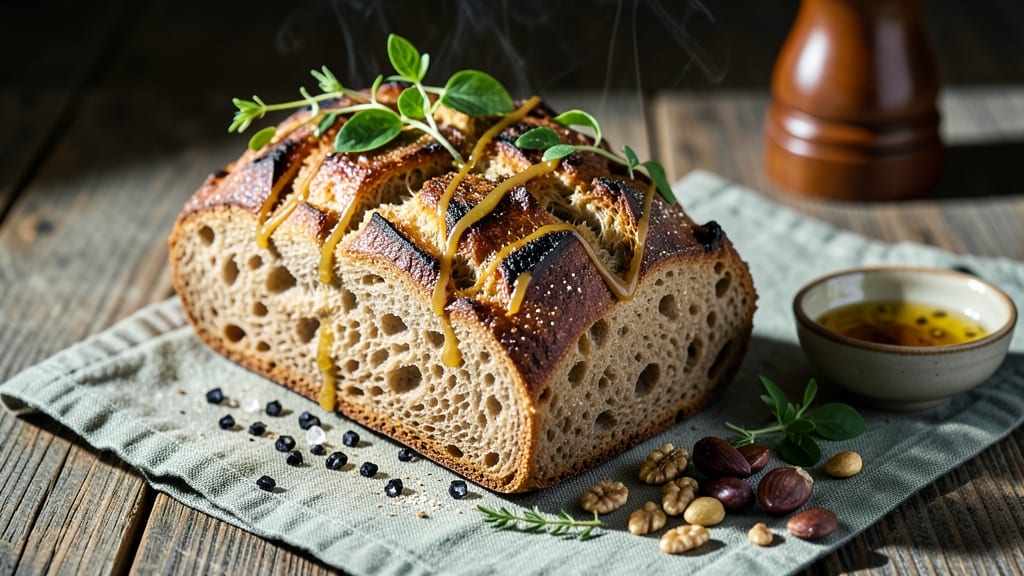
This all grain bread recipe delivers crispy crusts and an airy crumb that rivals artisan bakeries—no kneading required. 🌟 The secret lies in precise grain milling, proper hydration, and controlled fermentation, which transform simple ingredients into bread with restaurant-quality texture.
I've perfected this method after years of experimentation, ensuring consistent results even for beginners.
What sets this recipe apart is the no-knead technique combined with careful temperature control during fermentation and baking. The dough develops flavor naturally over time, while the high-heat bake creates that coveted crispy crust we all crave.
Each step—from yeast activation to oven spring—is designed to maximize flavor and texture without requiring advanced skills.
The result is bread with a golden, shatteringly crispy crust that gives way to an open, airy crumb filled with pockets of steam. The flavor is rich and nutty from the whole grains, with a subtle tang from proper fermentation.
This recipe builds confidence in home baking while delivering professional-quality results every time.
Whether you're making a loaf for sandwiches, toast, or simply enjoying the process of baking, this method ensures success. The instructions walk through each stage with clear timing and temperature guidelines, making it accessible for all skill levels while producing bread that impresses even seasoned bakers.
Ingredients for all grain bread
Precision-milled flours and controlled hydration create bread with restaurant-quality texture and crispy crusts.
| Ingredient | Amount | Notes |
|---|---|---|
| All-Purpose Flour 🌾 | 1 ½ cups | For structural support |
| Whole Wheat Flour 🌾 | 1 ½ cups | For nutty depth |
| Rye Flour 🌾 | ½ cup | For tangy complexity |
| Active Dry Yeast 🍞 | ¼ oz | Freshly measured for activation |
| Granulated White Sugar 🍚 | ½ tsp | For yeast activation |
| Diamond Crystal Kosher Salt 🧂 | 1 ½ tsp | For flavor balance |
| Extra-Virgin Olive Oil 🫒 | ½ cup | For dough elasticity |
| Warm Water 💧 | 2 ½ cups | 105-110°F for yeast activation |
| Honey 🍯 | 2 tbsp | For fermentation feed |
| Cornmeal 🌽 | ¼ cup | For dusting baking sheet |
| Ice Water ❄️ | ½ cup | For final dough adjustment |
The flour blend is where the magic happens. King Arthur's all-purpose and Bob's Red Mill whole wheat deliver consistent results, but local artisan mills offer more flavor variation. Rye flour adds depth—Pillsbury's unsifted rye works best for this recipe. Yeast quality matters: Saf-Instant activates faster than active dry yeast, but both work if properly hydrated. For the olive oil, California Olive Ranch extra-virgin provides the right balance of fruitiness without overpowering the dough's subtle flavors. Store your flours in airtight containers away from light to prevent rancidity, which can develop in as little as 3 months for whole grains.
No rye flour? Substitute additional whole wheat at a 1:1 ratio, though the flavor will be less complex. Running short on honey? Maple syrup works equally well, though it may darken the crust slightly. The ice water adjustment is critical—add it gradually to prevent over-hydration. For a lighter crumb, reduce whole wheat by 10% and increase all-purpose. The yeast activation test is non-negotiable: if your mixture doesn't foam within 5-10 minutes, your yeast is likely dead. Always check the expiration date on your yeast package, as old yeast produces weak fermentation. For those with gluten sensitivities, this recipe isn't suitable, but the texture remains excellent for standard baking.
Proper storage extends freshness dramatically. Wrap cooled loaves in beeswax food wraps or aluminum foil to maintain moisture for up to 5 days at room temperature. For longer storage, freeze fully cooled loaves in resealable plastic bags for up to 3 months. To revive frozen bread, wrap in a damp towel and warm in a 200°F oven for 10-15 minutes. The crust develops maximum crispiness when baked and immediately transferred to a wire rack. For optimal flavor, bake fresh batches every 3-4 days—the fermentation process creates compounds that diminish over time. Always preheat your Dutch oven for 30 minutes to achieve that coveted crispy crust.
Why You'll Love This Recipe
- No-Knead Magic: I swear by this—just mix, let it rise, bake. The whole wheat and rye blend gives it structure without the elbow grease, and honestly? That first pull from the oven when you don’t have to worry about shaping it perfectly? Pure joy.
- Earthy Depth: Between us, the rye flour adds a subtle tang that makes this bread ridiculously good with butter or jam. The sugar feeds the yeast just enough to keep it light, but the whole wheat keeps it from being too sweet—it’s the kind of flavor that makes you pause mid-slice.
- Weeknight Workhorse: This is my go-to for sandwiches, toast, or even croutons. The leftovers stay fresh for days, and I’ve used it to impress friends at potlucks (they never guess it’s all-grain). Honestly, it’s the bread equivalent of a reliable old jacket—always there when you need it.
- Budget-Friendly Staple: Whole wheat and rye bulk up the flour without breaking the bank, and a single batch feeds my family for days. I freeze slices for quick toast or sandwiches, and the yeast cost? Almost nothing. It’s the kind of recipe that makes me feel smart about my grocery bill.
Step-by-step instructions for all grain bread
Transform simple ingredients into artisanal bread with this precise method.
👨🍳 Step 1: Activate the Yeast and Mix Wet Ingredients
In a large mixing bowl, combine the 2.5 cups warm water (between 105-110°F) with the 0.25 oz active dry yeast and 0.5 tsp granulated white sugar. Let this sit for 5-10 minutes until you see frothy bubbles forming on the surface—this confirms your yeast is active. If no bubbles appear, your yeast may be dead or the water too hot.
To the yeast mixture, add the 2 tbsp honey and 0.5 cup extra-virgin olive oil. Whisk gently to incorporate. The honey provides additional food for yeast fermentation while the olive oil contributes to the dough's elasticity and flavor. This wet mixture should be slightly sticky but not runny.
👨🍳 Step 2: Combine Dry Ingredients and Form Dough
In a separate bowl, whisk together the 1.5 cups all-purpose flour, 1.5 cups whole wheat flour, 0.5 cup rye flour, and 1.5 tsp diamond crystal kosher salt. The rye flour adds tangy complexity while the whole wheat contributes nutty depth. Pour these dry ingredients into the wet mixture and stir with a wooden spoon until a shaggy dough forms.
Transfer the dough to a clean, lightly oiled surface and knead gently for 2-3 minutes until it comes together. You won't be doing extensive kneading—this is a no-knead method—but you want to ensure all ingredients are fully incorporated. The dough should be soft and slightly tacky, not stiff or dry.
⏰ Step 3: First Rise (Bulk Fermentation)
Lightly oil a large mixing bowl, place the dough inside, and cover with a damp kitchen towel or plastic wrap. Let it rise at room temperature for 1.5-2 hours until it has nearly doubled in size and looks puffy. You'll know it's ready when you poke the dough gently and it springs back slowly rather than immediately.
During this time, the yeast will ferment the sugars, producing carbon dioxide that creates air pockets in the dough. The honey and sugar provide additional food for this fermentation process. Don't rush this step—proper fermentation develops flavor and texture. If your kitchen is cold, you may need to extend this to 2.5 hours.
👨🍳 Step 4: Shape and Final Rise
Gently deflate the risen dough by pressing down on it with your fingers. On a lightly floured surface, shape it into a round loaf or free-form boule. For a crispier crust, I recommend shaping it into a round rather than a long loaf. Place the shaped dough on a parchment-lined baking sheet dusted with 0.25 cup cornmeal.
Cover the dough again and let it rise for another 30-45 minutes until it has risen slightly and looks puffy. This final rise allows the gluten to relax and the dough to expand further. The cornmeal creates a barrier that prevents sticking and promotes that beautiful crispy crust we're after.
🔥 Step 5: Bake for Crispy Crust and Airy Crumb
Preheat your oven to 425°F with a Dutch oven inside for 30 minutes. This high heat and enclosed environment create steam that leads to that perfect crispy crust and open crumb structure. Carefully transfer the dough (still on its parchment) into the hot Dutch oven.
Bake covered for 30 minutes, then remove the lid and bake uncovered for another 15-20 minutes until the crust is deep golden brown and sounds hollow when tapped on the bottom. The internal temperature should reach 190-200°F. For that extra crispy crust, I like to bake an additional 5 minutes uncovered after the initial baking time.
Pro Tips For Making All Grain Bread
- Bloom the Yeast Properly: Mix your active dry yeast with warm water (about 110°F) and a pinch of sugar first—wait 5-10 minutes until it’s bubbly and frothy before adding it to the flour. I used to just toss it in dry, and my dough always took twice as long to rise.
- Mix Rye Last: Add the rye flour at the very end of mixing, or your dough will turn gummy and stick to everything. Whole wheat and rye absorb more water, so save it for when the rest of the dough is already cohesive.
- Don’t Over-Knead: Stop mixing once the dough pulls away from the bowl and springs back when poked—overworking it makes bread dense. I learned this after making a loaf so tough I needed a hammer to slice it.
- Use a Banneton or Bowl: Shape your dough into a round and place it in a floured banneton (or a bowl lined with a floured towel) to proof. This keeps the shape intact and prevents flat, sad loaves—no more lopsided disasters.
Flavor customization for all grain bread
Sweet Flavor Boosters
Add 1 tbsp molasses or 1 tbsp maple syrup to the wet ingredients for a deeper caramelized flavor in the crust. I've found that King Arthur's molasses adds a rich, almost chocolatey note when baked.
For a lighter sweetness, try 1 tbsp agave nectar—it enhances browning without overpowering the dough's natural flavor. 🍯
Herb and Spice Infusions
Incorporate 1 tbsp dried rosemary or 1 tsp garlic powder directly into the dry ingredients for a savory twist. Fresh herbs like thyme or oregano (about 1 tbsp chopped) add aromatic depth.
For a subtle warmth, add ½ tsp smoked paprika—it complements the rye flour beautifully and gives the crust a faint smoky aroma.
Seeded and Nutty Variations
Stir in ¼ cup sunflower seeds or ¼ cup chopped walnuts during the final rise for added texture. I recommend lightly toasting the nuts first to enhance their flavor.
For a seed blend, combine 2 tbsp flaxseeds, 2 tbsp sesame seeds, and 1 tbsp poppy seeds—sprinkle them on top before baking for a decorative, crunchy finish.
Cheesy and Savory Additions
Fold in ½ cup shredded sharp cheddar or ½ cup crumbled feta during the final shaping for a cheesy loaf. For a more complex flavor, try ¼ cup goat cheese crumbles—they melt beautifully and add tang.
If you prefer a herby cheese twist, mix in 2 tbsp chopped fresh chives with the cheese for a bright, oniony note.
Citrus and Bright Flavors
Zest 1 lemon or 1 orange and mix it into the wet ingredients for a bright, citrusy aroma. The zest adds a subtle tang that pairs wonderfully with the rye flour's earthiness.
For a more pronounced citrus flavor, add 1 tbsp fresh lemon juice to the dough. This works especially well if you're making a sandwich loaf—it keeps the bread fresh-tasting longer. 🍋
Spiced and Warm Variations
Add ½ tsp cinnamon and ¼ tsp nutmeg to the dry ingredients for a lightly spiced loaf that's perfect with butter or jam. For a cozy winter twist, include ½ tsp cardamom—it adds a warm, floral note that complements the honey beautifully.
These spices work best when used in combination, so don't be afraid to experiment with small amounts.
Nutrition facts
Frequently asked questions about all grain bread
Why does my all grain bread turn out dense instead of airy?
Dense bread usually means underproofed dough or over-kneading. For this recipe, focus on proper fermentation time—1.5-2 hours for bulk rise and 30-45 minutes for final proof. Also check your yeast: it should foam within 5-10 minutes when activated in warm water. If your kitchen is cold (65°F or below), extend fermentation by 30-60 minutes or use a proofing box.
Can I substitute white flour for all the whole grains?
You can replace up to 50% of the whole grains with all-purpose flour for a lighter texture, but the flavor will be less complex. For best results, keep at least 1 cup whole wheat and 0.5 cup rye for that nutty, tangy depth. If you must go all-white, reduce hydration slightly (by 1 tbsp water) since white flour absorbs less moisture.
How do I get that perfect crispy crust every time?
The secret is steam and high heat! Preheat your Dutch oven with the lid on for 30 minutes at 425°F to create maximum steam. For extra crispiness, bake uncovered for the final 5 minutes after removing the lid. Also ensure your dough is properly proofed—underproofed dough won't expand enough to develop a crispy crust.
What's the best way to store homemade all grain bread?
Wrap cooled loaves in beeswax wraps or aluminum foil to maintain moisture for up to 5 days at room temperature. For longer storage, freeze fully cooled bread in resealable plastic bags for up to 3 months. To revive frozen bread, wrap in a damp towel and warm in a 200°F oven for 10-15 minutes. Avoid plastic bags at room temperature—they trap moisture and make bread gummy.
Can I make this bread without a Dutch oven?
Yes! Use a heavy oven-safe pot with a lid or even a baking stone. For best results, place a metal bowl of boiling water on the lower oven rack to create steam during the first 20 minutes of baking. If using a baking stone, bake at 450°F for 10 minutes covered with foil before finishing uncovered. The crust may be slightly less crispy but still delicious.