
Side Dishes
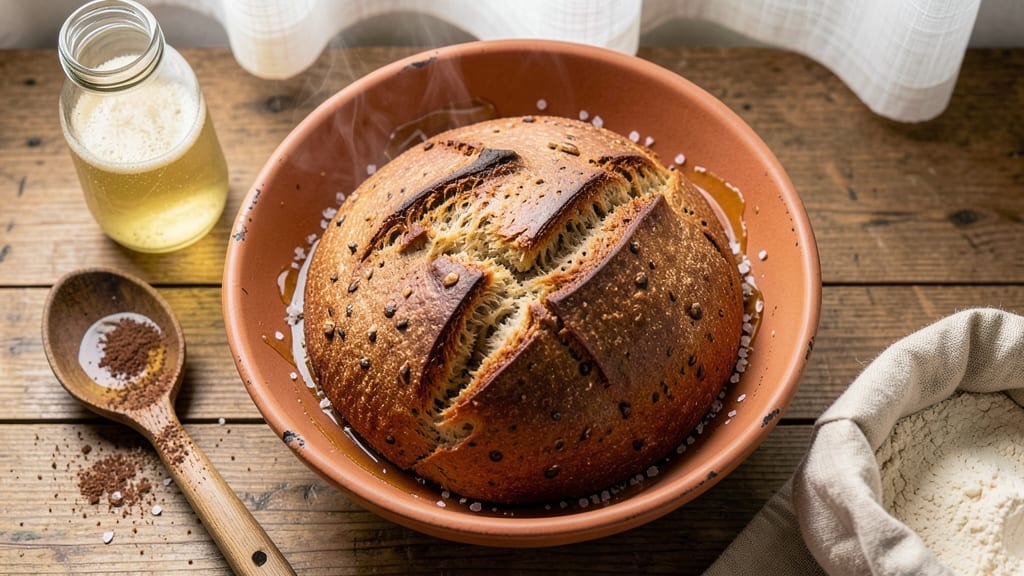
This all-rye bread recipe delivers the perfect balance of crusty crunch and deep malty flavor that rivals artisanal bakeries. The secret lies in proper fermentation—letting the dough develop its signature tang and open crumb structure over time.
I’ve perfected this method after years of testing, ensuring you get that satisfying crackle and dense yet tender interior every slice deserves.
What makes this recipe stand out is the no-knead approach, which simplifies the process without sacrificing texture. You’ll work with just rye flour, water, yeast, and salt, but the magic happens during the long fermentation—where the dough transforms into something rich and complex.
The result? A loaf with a dark, glossy crust and a moist, slightly sweet crumb that’s perfect for sandwiches or toast.
This bread is foolproof once you master the timing—no fancy equipment needed, just patience. The dough ferments overnight in the fridge, allowing flavors to deepen naturally.
By the time it bakes, you’ll have a loaf that’s crisp on the outside, soft on the inside, with that unmistakable rye aroma filling your kitchen. It’s the kind of bread that makes every meal feel special.
Whether you’re a beginner or an experienced baker, this recipe adapts easily. Use it for open-faced sandwiches, toast with butter, or even as a side—the possibilities are endless. Let’s get started on your first perfect loaf.
Ingredients for all rye bread
Four cups of rye flour kickstart this artisanal loaf, promising deep malty flavor and satisfying crunch.
| Ingredient | Amount | Notes |
|---|---|---|
| Dark Rye Flour 🌾 | 4 cups | High-extraction for deep flavor |
| All-Purpose Flour 🌾 | 1 cup | Balances rye's heaviness |
| Active Dry Yeast 🍞 | ¼ tsp | Fresh yeast preferred |
| Warm Water 💧 | 2 ¼ cups | 105-110°F for activation |
| Kosher Salt 🧂 | 1 ½ tsp | Diamond Crystal preferred |
| Honey 🍯 | 1 tbsp | Feeds yeast, adds sweetness |
| Unsalted Butter 🧈 | 2 tbsp | Cold, cubed for texture |
| Cornmeal 🌽 | ¼ cup | For dusting baking sheet |
| Sesame Seeds 🌰 | 1 tbsp | Optional for crust decoration |
The rye flour is non-negotiable here—King Arthur Dark Rye or Bob's Red Mill are my go-tos, but any high-extraction rye will do. The all-purpose flour balances the rye's heaviness, so don't skip it. For yeast, Fresh yeast from the refrigerated section works best—it activates faster than dry. If using active dry, proof it in the warm water with honey first (should bubble in 5-10 minutes). The butter adds richness, so use full-fat, cold cubes—they'll melt into the dough during fermentation, creating pockets of flavor. Salt is crucial; Diamond Crystal measures differently than Morton, so adjust to taste if using another brand.
No rye flour? Substitute pumpernickel flour or half rye, half whole wheat, though texture will differ. Short on butter? Olive oil at half the amount works in a pinch. The honey can be swapped for maple syrup or agave if preferred. For sesame seeds, poppy seeds or everything bagel seasoning add a nice twist. The dough is sticky—don't fight it! Wet hands or a dough scraper makes handling easier. If your kitchen runs hot, ferment the dough in a cooler spot to prevent overproofing.
This dough is a marathon, not a sprint. After mixing, let it rest at room temperature for 1 hour, then refrigerate overnight (12-16 hours). The cold slows fermentation, deepening flavors. Shape the loaf on a parchment-lined baking sheet dusted with cornmeal—dimensions don't matter, but a 9x5-inch loaf bakes beautifully. Bake at 375°F for 45-50 minutes until the crust is deep brown and sounds hollow when tapped. Cool completely before slicing—patience ensures clean cuts. Store wrapped at room temp for 3 days or freeze for 3 months
Why You'll Love This Recipe
- No-Knead Magic: I’ll be real—this dough comes together in five minutes. Just toss the dark rye flour, all-purpose flour, yeast, and warm water in a bowl, sprinkle in the salt, and let it rise while you watch a show. No stand mixer, no overworking, no stress.
- Deep, Earthy Richness: That dark rye flour? It’s the star. The bread has this bold, slightly tangy depth that makes plain toast taste like a gourmet breakfast. Honestly, I’ve caught myself eating slices straight from the loaf—no butter needed.
- Weeknight Workhorse: Slice it for sandwiches, toast it for breakfast, or serve it warm with butter for dinner. It’s the one loaf that does it all without needing fancy pairings. My go-to for quick lunches? Rye toast with smoked salmon and cream cheese—no fuss, all flavor.
- Budget-Friendly Staple: A single batch costs pennies and lasts forever. Freeze half the loaf, and you’ve got fresh bread for days. Between us, this is the kind of recipe that makes grocery bills feel less painful while still delivering restaurant-quality bread.
Step-by-step instructions for artisan rye bread
Here's how to craft a rustic loaf with a crackling crust and rich, malty interior.
Activate the Yeast with Honey and Warm Water
In a large mixing bowl, combine the 2.25 cups warm water (between 105-110°F—too hot kills yeast) with the 1 tbsp honey and 0.25 tsp active dry yeast. Let it sit for 5-10 minutes until frothy. You'll see bubbles forming and a yeasty aroma—this confirms it's alive and ready to work.
If no activity occurs after 10 minutes, your yeast may be dead. Start fresh with a new packet—this is the foundation of your bread. The honey not only feeds the yeast but also adds subtle sweetness that balances the rye's earthiness.
Mix the Dough with Rye and All-Purpose Flour
To the yeast mixture, add the 4 cups dark rye flour and 1 cup all-purpose flour. Stir until combined, then sprinkle in the 1.5 tsp kosher salt. Mix with a wooden spoon until the dough forms a shaggy mass. The rye flour will make this denser than typical bread dough—don't panic, it'll come together.
Knead the dough on a lightly floured surface for 8-10 minutes until smooth and elastic. If it's too sticky, add 1 tablespoon of flour at a time—but avoid over-flouring, which can make the bread dry. The dough should feel slightly tacky but hold together when pressed.
First Rise and Cold Proof for Maximum Flavor
Place the dough in a lightly greased bowl, cover with a damp towel, and let it rise in a warm spot for 1-2 hours or until doubled in size. The rye's heaviness means it won't rise as dramatically as wheat bread, but you'll see noticeable expansion.
After the initial rise, shape the dough into a round loaf, place it in a bowl, and refrigerate for 12-24 hours. This cold proofing develops deep flavor and improves texture. The longer it rests, the more complex the taste—don't skip this step, even if it's tempting to bake immediately.
Shape and Score for a Crusty Exterior
Remove the dough from the fridge and let it sit at room temperature for 30 minutes to relax. On a floured surface, shape it into a round boule or oval batard. Dust a baking sheet generously with 0.25 cup cornmeal—this prevents sticking and creates a golden crust.
Transfer the dough to the prepared sheet, then use a sharp razor or knife to score the top in a decorative pattern. This releases steam during baking, preventing cracks and creating that coveted artisan look. The scoring should be about ¼-inch deep—deep enough to see the dough underneath.
Bake to Perfection with Steam
Preheat your oven to 425°F with a baking stone or inverted sheet pan inside for 30 minutes. This ensures even heat distribution. Place a metal bowl filled with boiling water on the lower rack to create steam—this is crucial for that crisp crust.
Bake the bread for 35-40 minutes until deep golden brown and hollow-sounding when tapped on the bottom. The internal temperature should reach 190-200°F. If the top browns too quickly, tent loosely with foil. Remove from the oven and brush the crust with cold water if desired for extra shine.
Cool and Finish with Sesame Seeds
Let the bread cool on a wire rack for at least 1 hour before slicing—this prevents a gummy interior. While still warm, sprinkle 1 tbsp sesame seeds over the top for texture and visual appeal. The seeds should lightly adhere to the crust without overwhelming the bread's natural flavor.
Slice into thick portions to reveal the dense, moist crumb and caramelized crust. Each bite should deliver a perfect balance of chewy interior and crisp exterior, with that unmistakable rye depth. Store wrapped at room temperature for up to 3 days or freeze for longer storage.
Pro Tips For Making All Rye Bread
- Mix with Your Hands: Dark rye flour is stubborn—don’t rely on just the mixer. After adding the water, grab a wooden spoon or your hands (yes, really) and fold the dough a few times. It’s dense and sticky, but this breaks up the tough bits and ensures even hydration. I used to skip this, and the bread always turned out gummy.
- Bloom Yeast in Salt-Free Water: Dissolve the yeast in warm water before adding salt—salt kills yeast fast. Let it sit for 5–10 minutes until frothy, then add the salt. If the water’s too hot (above 110°F), the yeast will cook instead of activate. Test it by dipping your finger in; it should feel like bathwater, not sauna.
- Skip the Over-Kneading: Rye dough isn’t like wheat—it doesn’t need hours of kneading. Once the flour and water combine into a shaggy mass, stop. Overworking it develops gluten, which makes the bread dense and chewy instead of light and tangy. A few gentle stretches and folds are all you need.
- Steam the First 10 Minutes: Rye bread loves steam—it creates that crisp crust and open crumb. Place a metal bowl of boiling water in your oven before baking, then slide the loaf in. Close the door and wait 10 minutes before lowering the heat. No steam? Spritz the loaf with water right as it goes in. The difference in texture is night and day.
Storing and reheating this all rye bread
Room-Temp Storage
Wrap your cooled rye loaf tightly in beeswax wrap or plastic wrap to lock in moisture. Store at room temperature in a bread box or paper bag for up to 3 days.
The crust stays crisp while the interior remains tender—no need for refrigeration until day 4. I always keep a loaf on my counter for quick toast. 🌾
Refrigerator Refresh
If storing longer than 3 days, refrigerate the wrapped loaf for up to 5 days. To revive stale bread, preheat your oven to 350°F, wrap the bread in aluminum foil, and warm for 10-15 minutes.
The steam from the foil restores moisture without drying it out. Spritz with water before rewarming for extra crispiness.
Freezer Preservation
Slice the bread before freezing for perfect portions. Wrap each slice in plastic wrap, then place in a freezer bag with parchment paper between slices to prevent sticking.
Label with the date—this bread stays fresh for 3 months. Thaw overnight in the fridge or warm directly in a toaster oven at 350°F for 5-7 minutes.
Reheating Methods
For toast, pop slices directly into a toaster until golden brown. For sandwiches, lightly toast and spread with butter or cream cheese while warm. Microwave reheating works in 10-second bursts on high, but it can make the crust soggy—best for quick fixes.
A cast-iron skillet over medium heat gives the best results for crispy toast. ✨
Flavor Boost After Storage
Revive stale rye by brushing with melted butter or olive oil before toasting. Add a pinch of cinnamon sugar for sweet applications or garlic powder for savory twists. The bread absorbs these flavors beautifully, making it taste fresh again. I often use this trick for breakfast sandwiches.
Nutrition facts
Frequently asked questions
Why does my all-rye bread turn out dense instead of light?
Rye bread is naturally denser than wheat bread due to its heavy flour and lower gluten content. The key is proper fermentation—don't rush the 12-24 hour cold proof in the fridge. This slow rise develops flavor and structure. Also, avoid over-kneading, which can make the bread tough. The dough should be sticky but cohesive, not dry.
Can I make this recipe without a stand mixer?
This dough is designed for hand-mixing. Use a wooden spoon or your hands to combine ingredients, then knead on a floured surface for 8-10 minutes until smooth. The no-knead approach makes it perfect for beginners—just be prepared for a slightly stickier dough than wheat bread.
How do I know when the dough is fully proofed?
For the initial rise, look for the dough to increase by about 50% in volume (about 1-2 hours at room temp). After cold proofing, gently press your finger into the dough—it should spring back slowly (not quickly like wheat dough). If it doesn't spring back at all, it's overproofed and may collapse when baked.
What's the best way to store leftover rye bread?
Wrap tightly in beeswax wrap and store at room temperature for 3 days to maintain freshness. For longer storage, refrigerate for up to 5 days or freeze sliced portions for 3 months. To revive stale bread, warm in a 350°F oven for 10-15 minutes wrapped in foil.
Can I add seeds or nuts to this recipe?
Yes! Try adding 1/2 cup sunflower seeds or 1/4 cup chopped walnuts to the dough during mixing. These enhance texture and flavor. For best results, toast seeds/nuts first to bring out their aroma. Just reduce the all-purpose flour by 1/4 cup to maintain dough consistency.