
Main Courses
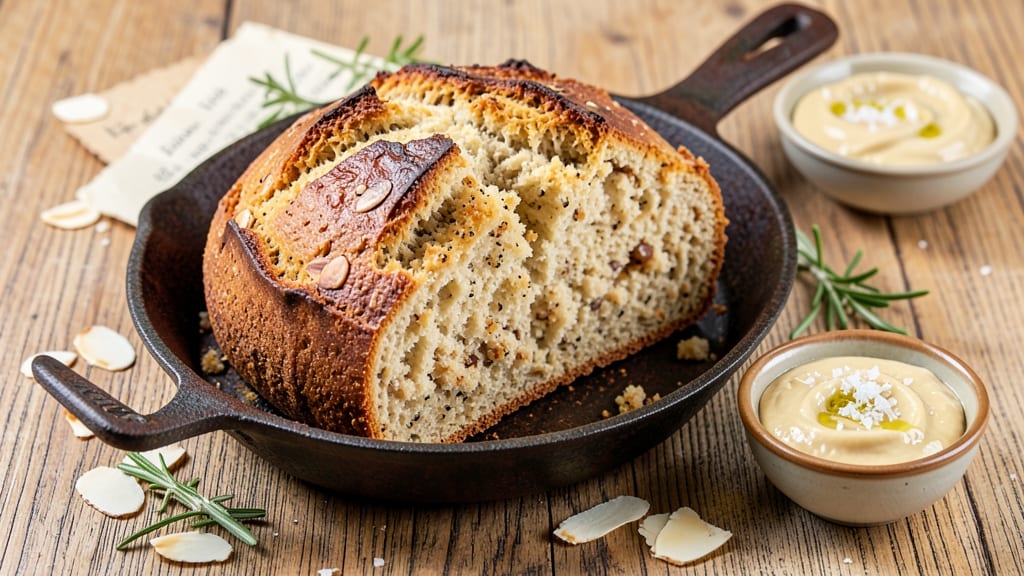
This almond bread recipe with yeast delivers a perfect balance of nutty crust and tender swirls in every slice. 💛 The secret lies in a precise yeast activation and gentle kneading that creates a dough with just the right texture—neither too dense nor too airy.
I've perfected this method after years of baking, ensuring each loaf rises beautifully with a golden-brown exterior that crackles when sliced.
The magic happens during the proofing stage, where the yeast works its magic to create that signature soft, pillowy interior. Almond flour in the swirls adds richness and crunch, while the yeasted dough base ensures a light, airy crumb.
This recipe is ideal for those who love the combination of buttery, flaky layers with the subtle nutty flavor of almonds—all in one beautifully shaped loaf.
What you'll achieve is a loaf that's crisp on the outside and tender within, with those almond swirls peeking through the golden crust. The aroma alone will fill your kitchen with warmth, making it perfect for breakfast, tea time, or as a gift-worthy treat.
The best part? It's a foolproof method that yields consistent results every time.
Whether you're baking for a special occasion or simply craving a comforting treat, this almond bread is sure to impress. The yeast activation and proper proofing times ensure a perfect rise, while the almond swirls add a touch of elegance. Let's get started on creating this delightful loaf!
Ingredients for almond bread recipe with yeast
Here's what transforms simple pantry staples into golden almond bread with perfect swirls!
| Ingredient | Amount | Notes |
|---|---|---|
| Active Dry Yeast 🍞 | ¼ tsp | Ensure yeast is fresh |
| Warm Water 💧 | ¼ cup | 110°F for yeast activation |
| All-Purpose Flour 🌾 | 3 cups | Sifted for light texture |
| Granulated Sugar 🍚 | ¼ cup | For yeast feeding |
| Unsalted Butter 🧈 | ½ cup | Softened, not melted |
| Almond Flour 🥜 | 1 ½ cups | Fine texture preferred |
| Large Eggs 🥚 | 1 whole | Room temperature |
| Milk 🥛 | ¼ cup | Warm for better mixing |
| Salt 🧂 | 1 tsp | Kosher or sea salt |
| Vanilla Extract 🌸 | 1 tsp | Pure vanilla preferred |
| Almond Slices 🥜 | ½ cup | Thinly sliced for swirls |
| Powdered Sugar 🍚 | ¼ cup | For dusting loaf |
The almond flour is key—Bob's Red Mill or King Arthur brands give the best texture. Grab the finest grind for smooth swirls, not that gritty stuff. Yeast? Freshness matters—check the date on the package. If it's been sitting in your pantry for months, toss it. The butter should be soft but not melted—room temperature is crucial. For the almond slices, thinly sliced blanched almonds work best, but any store-bought slices will do in a pinch. Pro tip: toast your almond slices for 5 minutes before using—they'll stay crispy longer.
No almond flour? Substitute with 1 cup whole wheat flour plus 0.5 cup all-purpose, but the texture won't be identical. Short on butter? Vegetable oil at half the amount works, though the bread won't be quite as tender. The yeast activation is non-negotiable—warm water (110°F) is essential. Too hot and it kills the yeast; too cold and it won't activate. No vanilla? Almond extract at half the amount gives a similar nutty depth. And if you're feeling fancy, swap the powdered sugar topping for a mix of powdered sugar and chopped almonds for extra crunch.
This dough needs time to rise—at least 1 hour in a warm spot. Cover it loosely with a towel so it doesn't dry out. The proofing stage is where the magic happens, so don't rush it. Once baked, let the loaf cool completely before slicing—15-20 minutes on a wire rack. Store wrapped at room temperature for 2 days, or freeze slices for up to 3 months. To reheat, wrap slices in foil and warm in a 200°F oven for 5 minutes—they'll taste fresh-baked every time.
Why You'll Love This Recipe
- No-Fuss Kneading: I swear by the "dough hook hack"—just toss everything in the mixer, let the yeast do the work, and walk away. The butter gets worked into the flour while you’re still pouring the warm water, and suddenly you’ve got a smooth, elastic dough without breaking a sweat.
- Buttery Almond Magic: That first bite? Warm, tender crumb with a whisper of toasted almonds from the butter’s richness and the sugar’s caramelization. Honestly, the yeast makes it rise just enough so it’s light—not dense, not cakey, but exactly what you want.
- Breakfast or Snack Hero: Slice it fresh for toast with jam, or let it cool and pack it for lunch the next day. I’ve even used it as a base for French toast—soak those slices in egg and cinnamon, and suddenly you’ve got a whole new dish from the same loaf.
- Budget-Friendly Staple: A single batch costs me less than $3 and lasts a week if I’m smart. The yeast and flour stretch every ingredient, and the butter’s flavor makes it feel like a splurge. Plus, stale slices? Toss them in the oven for croutons—zero waste.
Step-by-step instructions for almond bread with yeast
Here's how to create a tender loaf with a nutty crust and those perfect almond swirls—every slice will be moist and packed with flavor.
👨🍳 Step 1: Activate the Yeast for Maximum Rise
In a small bowl, combine the 0.25 tsp active dry yeast with the 0.25 cup warm water (about 110°F). Let it sit for 5-10 minutes until frothy—this confirms your yeast is alive and ready to work. If it doesn't bubble, start over with fresh yeast.
While waiting, whisk together the 3 cups all-purpose flour, 0.25 cup granulated sugar, 1 tsp salt, and 1 tsp vanilla extract in a large mixing bowl. This dry blend ensures even distribution of flavor and texture.
🍳 Step 2: Mix Wet Ingredients for a Light Dough
In the bowl with the dry ingredients, add the 0.5 cup softened unsalted butter, 1 whole large egg, and 0.25 cup warm milk. Mix with a wooden spoon or dough whisk until just combined—you'll see a shaggy dough form. Avoid overmixing here; we want to preserve the gluten structure for a tender crumb.
Gradually add the yeast mixture and 1.5 cups almond flour, mixing until everything comes together into a soft, slightly sticky dough. The almond flour gives this bread its signature nutty flavor and moist texture. If the dough feels too dry, add 1 tsp warm water to help bind it.
🥘 Step 3: Fold in Almond Slices for Swirls
Turn the dough onto a lightly floured surface and gently knead for 2-3 minutes until smooth. Pat the dough into a 9x5-inch loaf pan (greased or lined with parchment paper). Arrange 0.5 cup almond slices in a spiral pattern on top, pressing them lightly into the dough. This creates those beautiful swirls you'll see when sliced.
Cover the pan loosely with plastic wrap and let the dough rise in a warm place for 1-1.5 hours, or until it has nearly doubled in size. The kitchen counter near the oven works great—just make sure it's warm enough for the yeast to activate properly.
🔥 Step 4: Bake to Golden Perfection
Preheat your oven to 350°F. Brush the risen dough with any remaining milk or egg wash (if desired) for a glossy finish. Bake for 45-50 minutes until the top is golden brown and a toothpick inserted in the center comes out clean. The bread should smell heavenly—like warm almonds and vanilla.
For extra crispiness, broil for 1-2 minutes at the end. Immediately dust the warm loaf with 0.25 cup powdered sugar while it's still in the pan. Let it cool for 10 minutes before slicing—this helps the sugar melt slightly for a beautiful finish.
⏰ Step 5: Rest and Serve for Best Texture
Transfer the bread to a wire rack and let it cool completely before slicing. This resting period allows the crumb to set and prevents a gummy texture. Each slice should reveal those perfect almond swirls and a tender, moist interior with just the right amount of chew.
Slice while still warm for the best experience—you'll get that perfect balance of crispy crust and soft, nutty center. Store leftovers wrapped in plastic at room temperature for up to 3 days, or freeze for longer storage. Perfect for breakfast, snacks, or even dessert!
Pro Tips For Making Almond Bread Recipe With Yeast
- TEST THE YEAST FIRST: Skip straight to mixing and you might end up with a dense brick instead of fluffy bread. Drop that yeast in ¼ cup of warm water with a pinch of sugar, wait 5–10 minutes—if it’s not foamy and bubbly, your yeast is dead or the water was too hot. Toss it and start fresh.
- MELT THE BUTTER COOL: I used to dump melted butter straight into the dough, thinking it’d save time. Wrong. Let that butter cool to lukewarm (about 90°F) before mixing—hot butter kills the yeast faster than you can say "soggy loaf." Trust me, your bread will thank you.
- KNEAD JUST ENOUGH: Overworking the dough is a silent killer of almond bread texture. Stop when the dough pulls away from the bowl and springs back slightly—about 5–7 minutes by hand. Too much kneading? You’ll end up with a chewy brick, not a tender crumb.
- DON’T SKIP THE PROOF TIME: Your dough needs two rises: the first in the bowl (45–60 minutes) and the second in the pan (another 30–45 minutes). Rushing it? The bread will collapse or taste flat. Cover it loosely with a towel—this keeps it warm and happy without steaming like a sauna.
Storing and reheating this almond bread recipe with yeast
Room Temperature Storage
Wrap your freshly baked almond bread in plastic wrap or place it in an airtight container with a paper towel to absorb moisture. Store it at room temperature for up to 3 days—this keeps the crust from becoming soggy while maintaining that perfect balance of softness inside.
I always keep a loaf on my counter for quick toast in the morning. 💛
Fridge Preservation
If you need to extend freshness beyond 3 days, pop the bread in the fridge. Wrap it tightly in plastic wrap or place it in an airtight container to prevent drying. It’ll stay fresh for up to 5 days, though the texture becomes slightly denser.
To revive, wrap slices in foil and warm in a 200°F oven for 5 minutes—they’ll taste almost as good as fresh!
Freezer-Friendly Slices
For longer storage, slice the bread and freeze individual portions in quart-sized freezer bags or airtight containers. Label with the date—these slices stay fresh for up to 3 months.
When ready to enjoy, thaw at room temperature for 1-2 hours or warm directly from frozen in a 200°F oven for 8-10 minutes wrapped in foil. The almond swirls stay crispy!
Reheating Secrets
For that fresh-baked taste, reheat slices in a preheated 350°F oven for 5-7 minutes wrapped in foil. The foil traps moisture, keeping the interior soft while the crust crisps up beautifully.
A quick 30-second zap in the microwave (covered with a damp paper towel) works in a pinch, but it won’t give you that golden-brown finish. 🔥
Reviving Day-Old Crust
If your bread’s crust has lost its crunch, don’t toss it! Place slices on a baking sheet and broil for 1-2 minutes until golden again. This trick works wonders for restoring that satisfying texture without drying out the interior.
Perfect for when you’ve had a few slices over the past few days but still want that fresh-baked appeal.
Almond Swirl Safety
Always store bread with almond slices in an airtight container to prevent the almonds from drying out or absorbing fridge odors. If you notice the swirls losing their crispness, give the bread a 5-minute warm in the oven to revive them.
The almonds should still provide that delightful crunch even after storage. Just avoid storing it in the fridge for too long—beyond 5 days, the texture starts to suffer. ✨
Nutrition facts
Frequently asked questions
Why does my yeasted almond bread turn out dense instead of light?
The most common causes are overmixing the dough or skipping the proofing stage. Yeast needs time to create air pockets—never rush the 1-1.5 hour rise. Also, ensure your yeast is fresh (it should bubble within 5-10 minutes in warm water) and that your oven is fully preheated to 350°F before baking.
Can I make this recipe without almond flour?
Yes! Replace the 1.5 cups almond flour with a mix of 1 cup whole wheat flour and 0.5 cup all-purpose flour, but the texture will be denser. For a closer match, use 1.5 cups finely ground blanched almonds (pulse in a food processor) instead of store-bought almond flour. The flavor will still be nutty but slightly more intense.
How do I fix underproofed yeast dough?
If your dough didn't rise enough, place it back in a warm spot for an extra 30-45 minutes before baking. For a quick fix, preheat your oven to 200°F, place the dough inside (with the light on) for 10 minutes to help it expand, then bake as directed. This warm-up mimics proofing and can save your loaf!
What's the best way to slice this almond bread for perfect swirls?
Use a serrated knife and cut the loaf on a slight angle for cleaner slices. For dramatic swirls, slice while the bread is still slightly warm (after 10 minutes of cooling). If the almond slices break apart, gently press them back into place before baking—they'll hold better during proofing.
Can I add chocolate chips or dried fruit to this recipe?
Fold in 0.5 cup chocolate chips or 0.5 cup chopped dried apricots with the almond slices. For even distribution, mix them into the dough before shaping. Just reduce the almond slices to 0.3 cup to keep the swirls prominent. Avoid adding too much liquid (like extra milk) as it can weaken the yeast's rise.