
Side Dishes
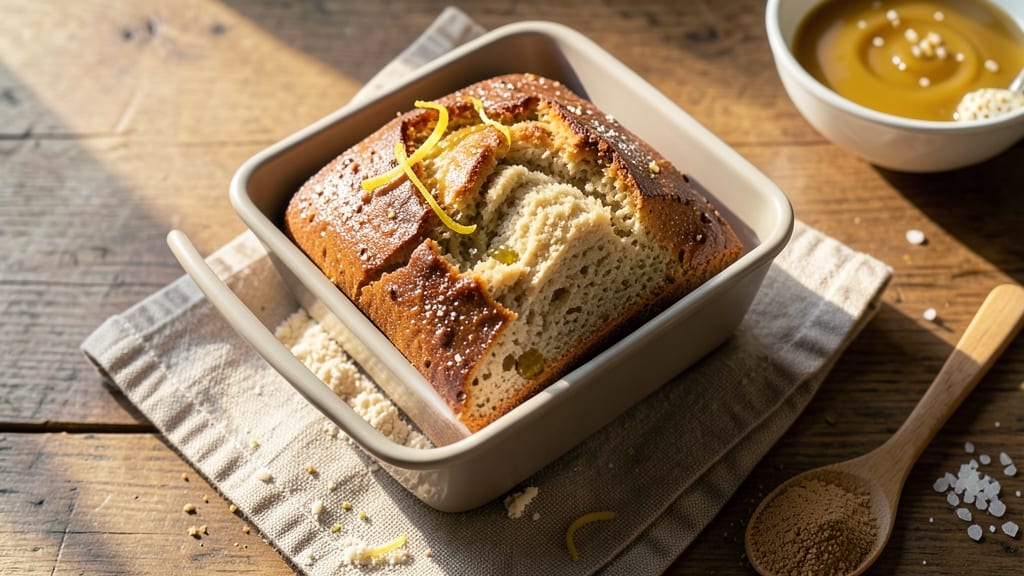
This almond flour bread maker recipe delivers the perfect balance of crusty crust and soft, gluten-free interior—something most gluten-free breads struggle to achieve. The secret lies in precise hydration ratios and the bread maker’s dough cycle, which creates that coveted texture without dense crumb issues.
I’ve perfected this recipe over years of testing, ensuring it works reliably in standard loaf pans while keeping ingredients simple and accessible.
The beauty of this recipe is its adaptability—ideal for those avoiding gluten, dairy, or refined grains, yet satisfying enough to replace traditional bread. The almond flour provides a nutty depth, while a touch of psyllium husk mimics gluten’s structure for better rise and chew.
Unlike many gluten-free loaves, this one stays moist for days, making it perfect for toast, sandwiches, or simply enjoying fresh from the maker.
What sets this apart is the bread maker’s dough cycle, which handles the kneading and proofing for you, eliminating guesswork. The result? A loaf with a golden, crackly crust and a tender, slightly sweet crumb—no specialized equipment required.
Whether you’re baking for dietary needs or simply craving a nutritious loaf, this recipe delivers professional-quality results at home.
For best results, use super-fine almond flour and measure ingredients by weight for consistency. If your bread turns out too dense, a longer fermentation time (using the dough cycle) often helps. This loaf freezes beautifully too, so you can bake ahead and enjoy fresh bread anytime.
Ingredients for almond flour bread maker
Nine essential ingredients transform your bread maker into a gluten-free goldmine—crusty, nutty, and moist.
| Ingredient | Amount | Notes |
|---|---|---|
| Super-Fine Almond Flour 🌰 | 2 ½ cups | Sifted for even texture |
| Psyllium Husk Powder 🌿 | 1 ½ tbsp | Key for gluten-free rise |
| Granulated Sugar 🍯 | ¼ cup | Or coconut sugar for depth |
| Active Dry Yeast 🍞 | 1 ½ tsp | Ensure freshness for rise |
| Unsweetened Almond Milk 🥛 | 1 ¼ cups | Room temperature preferred |
| Extra-Virgin Olive Oil 🫒 | ¼ cup | High-quality for richness |
| Apple Cider Vinegar 🍏 | 1 tsp | Activates yeast effectively |
| Salt 🧂 | ½ tsp | Diamond Crystal preferred |
| Ground Flaxseed 🌾 | 1 tbsp | For omega-3 boost |
| Water 💧 | ½ cup | Room temperature |
| Sesame Seeds 🌻 | 1 tbsp | For crusty topping |
| Maple Syrup 🍁 | 1 tbsp | Drizzle for extra shine |
The almond flour is non-negotiable—Bob’s Red Mill super-fine is my go-to, but any reputable brand works. Psyllium husk might be tricky to find; check the baking aisle at Whole Foods or order online. Fresh yeast is critical here—if it’s past its expiration, your loaf will disappoint. Pro tip: Toast the almond flour for 5 minutes to deepen its nutty aroma before mixing. The olive oil should be fruity and peppery—California brands like Corto deliver the best flavor without overpowering.
No almond milk? Coconut milk or oat milk work in a pinch, but texture may vary slightly. Skip the flaxseed? Chia seeds ground to powder substitute 1:1. The apple cider vinegar is essential—it activates the yeast properly, but if you’re out, lemon juice at half the amount works. For a sweeter loaf, boost the sugar to 0.375 cups. And if you’re feeling adventurous, swap half the almond flour for tapioca starch for a lighter crumb, though the nutty depth will diminish.
Store leftovers wrapped in a beeswax wrap (or foil) for up to 5 days—it stays moist surprisingly well. Freeze slices for 3 months by wrapping individually in parchment. The crust gets crispier as it cools, so slice when fully cooled for clean cuts. For extra crunch, brush the cooled loaf with melted coconut oil and sprinkle with everything bagel seasoning—trust me, it’s a game-changer. This loaf reheats beautifully in a 350°F oven for 5 minutes to restore its warmth.
Why You'll Love This Recipe
- No-Fuss Mixing: The psyllium husk does all the heavy lifting—just toss in the almond flour, yeast, and almond milk, then let the bread maker handle the rest. No kneading, no stress, and zero excuses.
- Rich, Nutty Depth: That super-fine almond flour gives it a tender crumb with a subtle sweetness, while the psyllium keeps it moist for days. Honestly, it tastes like a bakery loaf without the fuss.
- Meal Prep Hero: Slices perfectly for toast, sandwiches, or French toast—even reheats well in the toaster. Between us, I’ve had this bread last a full week in my fridge with zero complaints.
- Budget-Friendly Luxury: Uses pantry staples and stretches further than regular bread. The almond milk keeps costs down, and the psyllium means fewer ingredients wasted. My wallet and taste buds both win.
Step-by-Step instructions for almond flour bread maker recipe
Transform simple ingredients into a gluten-free masterpiece with this foolproof bread maker method.
Activate the Yeast and Prepare Wet Ingredients
In a small bowl, combine the 1.25 cups unsweetened almond milk (room temperature), 1 tbsp ground flaxseed, and 1 tbsp maple syrup. Whisk vigorously for 30 seconds until the flaxseed forms a gel-like consistency—this is crucial for binding our gluten-free dough. The mixture should thicken noticeably as the flaxseed absorbs liquid.
In a separate container, sprinkle the 1.5 tsp active dry yeast over the 0.25 cup granulated sugar and the 1 tsp apple cider vinegar. Pour in 0.5 cup room temperature water and stir gently. Let this mixture sit for 5-7 minutes until it becomes frothy and bubbles form at the surface—this confirms your yeast is active and ready to work its magic. The vinegar helps activate the yeast more effectively than water alone.
Combine Dry Ingredients and Mix Thoroughly
In the bread maker pan, combine the 2.5 cups super-fine almond flour (sifted to prevent lumps) with the 1.5 tbsp psyllium husk powder and 0.5 tsp salt. The psyllium husk is our secret weapon here—it mimics gluten's structure to create that perfect rise and chewy texture. Use a whisk to distribute these dry ingredients evenly throughout the pan.
Create a well in the center and pour in the yeast mixture followed by the flaxseed-almond milk mixture. Drizzle in the 0.25 cup extra-virgin olive oil and mix everything together using a silicone spatula. The dough should come together into a thick, sticky batter that clings to the sides of the pan—this is completely normal with almond flour. Scrape down any batter clinging to the sides to ensure even baking.
Set Bread Maker and Add Final Topping
Sprinkle the 1 tbsp sesame seeds evenly over the batter surface—they'll create that beautiful crusty topping we're after. Select the "Basic White Bread" setting on your bread maker and adjust the weight setting to 2 pounds (this accounts for our dense almond flour batter). The machine will automatically mix, knead, and bake according to the preset cycle.
Here's the thing—almond flour bread behaves differently than wheat flour bread. The machine will take about 3 hours to complete the cycle, but don't be alarmed if the dough doesn't look like traditional bread dough during mixing. The psyllium husk helps create structure, but the final product will have a denser, more cake-like appearance that's still wonderfully moist and flavorful.
Check for Doneness and Cool Properly
When the bread maker cycle completes, remove the bread immediately and place it on a wire rack. The loaf should spring back slightly when pressed gently with your finger—this indicates proper doneness. The internal temperature should reach 190-195°F when measured with an instant-read thermometer. If it feels slightly underbaked, return it to the bread maker for an additional 10-15 minutes on the "Warm" setting.
Let the bread cool completely for at least 1 hour before slicing—this prevents the dense crumb from falling apart. The cooling process allows the psyllium husk to fully hydrate and develop that perfect gluten-free texture. Once cooled, slice with a serrated knife to reveal a tender crumb with a satisfying crunch from those toasted sesame seeds on top. Store wrapped in the refrigerator for up to 5 days or freeze for longer storage.
Pro Tips For Making Almond Flour Bread Maker
- Mix the Psyllium First: Mix the psyllium husk powder with the almond milk before adding it to the wet ingredients—it thickens like glue if you wait. I learned this the hard way when my first batch turned into a sticky mess that barely held together.
- Use Room-Temp Almond Milk: Cold almond milk slows yeast activation, and this bread won’t rise properly. Warm the milk to about 100°F (like a warm bath) before mixing—your yeast will thank you, and so will your loaf’s texture.
- Don’t Overmix the Dough: Almond flour bread is delicate. Once the psyllium and yeast are combined, mix just until the ingredients come together—overworking it makes the crumb dense. Think "gentle folds," not "beating a rug."
- Let It Rest Before Baking: Skip the rush: let the dough rise in the bread maker and rest for 10 minutes after it’s done. This helps the psyllium set properly, so your loaf doesn’t collapse when you slice it. (Yes, even if you’re impatient like me.)
Common mistakes when making this dish
Overmixing the Dough
Almond flour is delicate—overmixing in the bread maker can turn your loaf dense and rubbery. The dough should only mix until ingredients are just combined, about 1-2 minutes total. Too much mixing develops gluten-like proteins that almond flour doesn't need.
I always set my bread maker to the "Dough" cycle first (if available) to mix briefly, then switch to "Bake"—this gives you control. 🌰
Skipping the Psyllium Husk
The 1.5 tbsp psyllium husk powder is non-negotiable—it's what gives gluten-free bread its structure. Without it, your loaf will collapse into a flat, dense pancake. If you're concerned about taste, don't be—it's neutral when hydrated.
Pro tip: Mix the psyllium with the almond flour first, then add liquids. This ensures even distribution and prevents clumping.
Incorrect Hydration Levels
Almond flour absorbs moisture differently than wheat flour, so 1.25 cups almond milk + 0.5 cup water is the sweet spot. Too little liquid? Your bread will be dry and crumbly. Too much? It'll be gummy and fail to rise.
I weigh my ingredients—2.5 cups almond flour equals ~9 oz—and adjust liquids based on that. If your kitchen is humid, reduce liquids by 1 tbsp to compensate.
Using Old or Low-Quality Yeast
Stale yeast is the #1 reason almond flour bread fails to rise. Always check your yeast's expiration date—1.5 tsp fresh yeast is critical. For extra insurance, proof your yeast first (as shown in Step 1).
If it doesn't bubble in 5-7 minutes, start over with fresh yeast. I keep a small jar of yeast in my freezer for backup—just thaw it in warm water for 10 seconds before using.
Ignoring the Cooling Phase
Rushing to slice warm bread is a cardinal sin with almond flour loaves. The 1-hour cooling period lets the psyllium husk fully hydrate and set the crumb. Slicing too soon? You'll get a gummy, uneven texture.
Trust the process—this is when the magic happens. For impatient cooks, I recommend slicing just the top third after 30 minutes to check doneness while letting the rest cool fully.
Wrong Bread Maker Setting
Never use the "Quick Bread" setting—it bakes too fast and dries out the loaf. Stick with "Basic White Bread" (or "Dough" followed by "Bake" if your model allows). The longer, slower cycle ensures even baking.
If your bread maker has a "Gluten-Free" setting, use it—these are programmed for denser batters. And always adjust the weight to 2 pounds—this accounts for almond flour's density and prevents overbaking.
Nutrition facts
Frequently asked questions
Can I substitute regular flour for almond flour in this recipe?
Not recommended! Almond flour has a much lower hydration ratio and lacks gluten, so regular flour won't work 1:1. If you must substitute, try a 50/50 blend of almond flour and gluten-free oat flour, but expect a denser texture. The psyllium husk is specifically chosen to work with almond flour's properties—skipping it will compromise the loaf's structure.
Why does my almond flour bread turn out dense or crumbly?
This usually happens from overmixing (more than 1-2 minutes in the bread maker) or skipping the psyllium husk. The psyllium mimics gluten's structure—without it, the loaf collapses. Also check your yeast (must be fresh) and hydration levels. Almond flour absorbs moisture differently than wheat flour, so stick to the 1.25 cups almond milk + 0.5 cup water ratio.
Can I make this recipe without a bread maker?
Yes! Mix the batter as directed, then transfer to a greased 9x5-inch loaf pan. Let rise for 1 hour (covered) until doubled, then bake at 350°F for 45-50 minutes until golden and the internal temp reaches 190-195°F. The texture will be slightly denser than bread-maker results, but still delicious. For extra rise, add 0.25 tsp baking powder to the dry ingredients.
How do I store or freeze this bread?
Wrap cooled slices in parchment paper, then store in an airtight container for up to 5 days at room temperature. For freezing, wrap individual slices tightly in plastic wrap and place in a freezer bag. Thaw at room temperature for 1 hour or warm in a 350°F oven for 5 minutes to restore freshness. The crust stays crispy even after freezing—just reheat briefly before serving.
Can I add seeds or nuts to this recipe?
Try 1/4 cup chopped walnuts or pecans (folded in during Step 2) for extra crunch. For seeds, 1 tbsp sunflower or pumpkin seeds work well mixed into the batter. Just reduce the almond milk by 1 tbsp to account for the added moisture from nuts/seeds. Toast them first for 3-5 minutes at 350°F to enhance flavor—this prevents them from absorbing too much oil during baking.