
Side Dishes
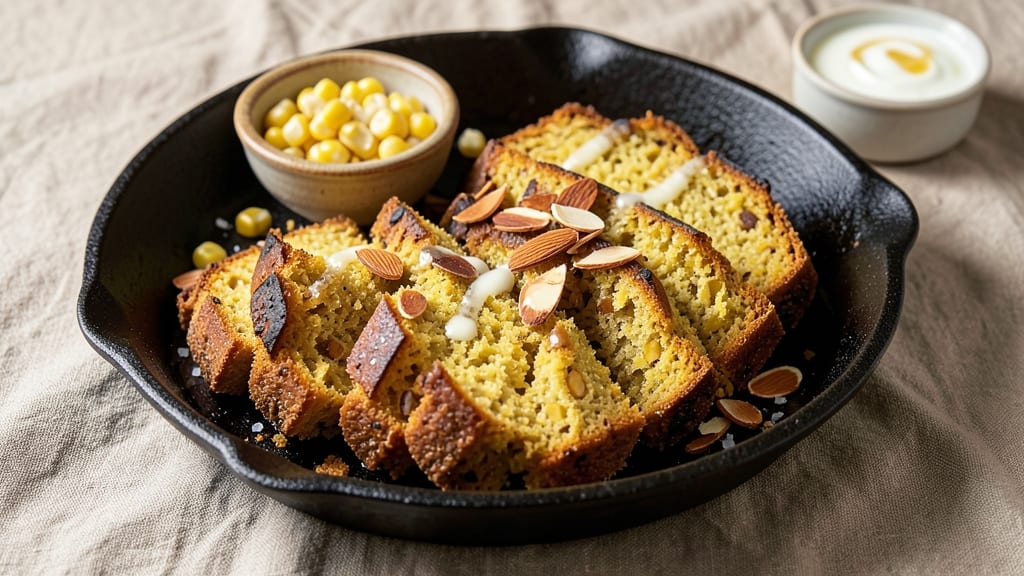
This gluten-free almond flour corn bread delivers the perfect crunch and sweet corn flavor without traditional flour. The secret lies in blending almond flour's nutty richness with fresh corn kernels for a texture that's both tender and satisfying.
I developed this recipe after years of searching for a gluten-free option that didn't compromise on taste or texture—it's now a staple in my rotation for brunch or as a side dish.
What sets this apart is the foolproof technique that ensures a golden-brown crust and moist interior, even without gluten. The almond flour provides natural moisture retention while keeping the bread light, and the corn kernels add a delightful pop of sweetness in every bite.
It's vegetarian, gluten-free, and requires just 30 minutes of active prep plus baking time. The result is a crispy-edged, tender-crumb corn bread with a subtle sweetness that pairs beautifully with soups, chilis, or even as a breakfast treat.
The nutty flavor from the almond flour complements the corn perfectly, creating a balance that's both comforting and sophisticated. Store leftovers in an airtight container for up to 5 days or freeze for longer storage.
For extra flavor, consider adding a pinch of cinnamon or jalapeños—this versatile recipe adapts easily to your preferences.
Ingredients for almond flour corn bread
Nutty almond flour meets sweet corn kernels in this gluten-free masterpiece—no traditional flour needed.
| Ingredient | Amount | Notes |
|---|---|---|
| Almond Flour 🌰 | 1 ½ cups | Finely ground, unsweetened |
| Fresh Corn Kernels 🌽 | 1 ½ cups | Cut from 2-3 ears of corn |
| Large Eggs 🥚 | 2 whole | Room temperature for even baking |
| Unsalted Butter 🧈 | ½ cup | Melted, cooled slightly |
| Granulated Sugar 🍚 | ¼ cup | Light brown sugar for depth |
| Coconut Milk 🥥 | ¼ cup | Full-fat for moisture retention |
| Baking Powder 🍞 | 1 tbsp | Aluminum-free preferred |
| Diamond Crystal Kosher Salt 🧂 | ½ tsp | Adjust to taste |
| Ground Cinnamon 🌿 | ½ tsp | Optional for warmth |
| Vanilla Extract 🌸 | 1 tsp | Pure, high-quality |
| Almond Extract 🌰 | ½ tsp | Enhances nutty flavor |
| All-Purpose Flour 🌾 | ¼ cup | For gluten-free blend |
| Xanthan Gum 🧪 | ¼ tsp | Binds gluten-free mixture |
The almond flour is the foundation here—Bob's Red Mill brand is my go-to for its consistent grind. Look for finely ground varieties, not the coarser almond meal, which won't yield the same tender crumb. Fresh corn kernels are non-negotiable for that authentic pop; Trader Joe's sells pre-cut kernels in the freezer section when fresh isn't available. The coconut milk adds moisture without overpowering the nutty base—full-fat is crucial for proper texture. For almond extract, McCormick or Goya brands deliver reliable quality without bitterness.
No almond flour? Substitute with 1 cup oat flour plus 0.5 cup tapioca starch, but expect a denser texture. Fresh corn unavailable? Frozen kernels work perfectly—thaw and drain well. The xanthan gum is essential for gluten-free binding; if omitted, add an extra 0.25 tsp guar gum as a backup. For sweetness adjustments, maple syrup replaces sugar 1:1, though it may slightly alter texture. The baking powder must be fresh—test with the vinegar test (if it fizzes, it's good).
Batter holds for 24 hours in the fridge, making this ideal for meal prep. Baked loaves keep 5 days in an airtight container at room temperature or 3 months frozen. For reheating, wrap slices in foil and warm at 350°F for 5 minutes—this preserves the crispy edges. Portion into individual servings before freezing for easy grab-and-bake breakfasts. The crust stays crisp for 3 days if stored properly.
Why You'll Love This Recipe
- Here’s what sold me: that buttery almond flour base with just a touch of sugar balances the bright, juicy corn so perfectly. It’s not cloyingly sweet, not bland—it’s got this just-right harmony that makes every bite feel like a little summer celebration.
- I’ll be real: most corn bread dries out fast. Not this one. The almond flour stays moist for days, so I can bake a batch on Sunday and still have perfect toast for Tuesday’s breakfast. Plus, the butter keeps it rich without tasting greasy—just slice, toast, and enjoy. Zero waste, all win.
Step-by-step instructions for almond flour corn bread
This gluten-free corn bread delivers a perfect crumb and nutty depth using precise technique and quality ingredients.
Preheat and Prepare the Baking Pan
Preheat your oven to 350°F and generously grease an 8-inch square baking pan with unsalted butter, using a paper towel to ensure even coverage. The butter should coat the bottom and sides completely—this prevents sticking and ensures easy release. I also like to sprinkle a thin layer of almond flour over the greased pan and tap it out, leaving a fine dusting. This extra step creates a nonstick barrier that's especially important for gluten-free baking.
While the oven preheats, measure out all your dry ingredients in separate bowls for efficient mixing. The almond flour should be sifted lightly to aerate it, which helps create a lighter texture in the final bread. Keep the fresh corn kernels at room temperature—they'll release their natural sweetness more effectively when not cold.
Mix Wet Ingredients for Optimal Texture
In a medium bowl, combine the 2 whole large eggs, 0.5 cup melted unsalted butter (cooled slightly), 0.25 cup granulated sugar, 0.25 cup coconut milk, 1 tsp vanilla extract, and 0.5 tsp almond extract. Whisk vigorously for 2 minutes until the mixture is completely homogeneous and slightly thickened. The almond extract adds subtle depth, while the coconut milk contributes moisture without overpowering the corn flavor.
This step is crucial for gluten-free baking—the egg and fat combination helps mimic the structure that gluten would normally provide. If you notice the mixture separating slightly, don't worry; it will come together when combined with the dry ingredients. The sugar should be fully dissolved, and you should see small bubbles forming from the whisking action.
Combine Dry Ingredients and Fold in Corn
In a separate large bowl, whisk together the 1.5 cups almond flour, 0.25 cup all-purpose flour, 1 tbsp baking powder, 0.5 tsp diamond crystal kosher salt, 0.5 tsp ground cinnamon, and 0.25 tsp xanthan gum. The xanthan gum is essential for binding the gluten-free mixture—it creates elasticity similar to what wheat flour provides. Sift the ingredients through a fine-mesh sieve if possible to prevent lumps.
Gently fold the dry ingredients into the wet mixture using a spatula, mixing just until combined. Be careful not to overmix—gluten-free batters are more delicate. Once incorporated, fold in the 1.5 cups fresh corn kernels using a gentle turning motion. The corn should be evenly distributed throughout the batter without being mashed. The final mixture should be thick but pourable, similar to pancake batter.
Bake Until Golden and Springy
Pour the batter into the prepared baking pan and smooth the top with a spatula, tapping gently to remove any air bubbles. Bake in the preheated oven for 25-30 minutes, until the edges are golden brown and a toothpick inserted in the center comes out clean. The top should spring back slightly when pressed with a finger—this indicates proper doneness. Gluten-free breads can vary in baking time, so start checking at the 22-minute mark if your oven runs hot.
During the last 5 minutes of baking, you may notice the edges browning more quickly than the center. If this happens, tent the pan with aluminum foil to prevent over-browning while allowing the center to finish cooking. The bread should have a slightly crisp exterior with a tender, moist interior. Remove from the oven and let it cool in the pan for 10 minutes before transferring to a wire rack.
Serve Warm for Maximum Enjoyment
While the corn bread cools, you'll notice the aroma intensify as the almond and corn flavors meld together. For best results, serve slices warm—this enhances the natural sweetness of the corn and the nutty undertones from the almond flour. The texture should be slightly dense but still light, with visible corn kernels throughout each slice.
This gluten-free corn bread holds its shape well when sliced and makes an excellent side for grilled meats or soups. Store any leftovers in an airtight container at room temperature for up to 3 days, or freeze for longer storage. The baking powder ensures it stays fresh longer than traditional corn bread, while the almond flour adds a delightful crunch that complements the sweet corn perfectly.
Pro Tips For Making Almond Flour Corn Bread
- Bake at 325°F—Not Higher: I learned this the hard way—almond flour burns faster than regular flour. If you crank the oven to 375°F, you’ll end up with a crusty exterior and a dense, undercooked center. The butter needs time to melt evenly, and almond flour doesn’t forgive rushed heat.
- Toast the Almond Flour First: This isn’t just about nuttiness—it’s about moisture control. Spread the almond flour on a baking sheet and toast for 5–7 minutes at 350°F until it smells toasty. Untreated almond flour soaks up liquid like a sponge, making your batter too thick or gummy. Trust me, your corn bread will be lighter and less crumbly.
- Chill the Batter for 15 Minutes: I used to pour this straight into the pan, and the butter would separate or the batter would spread like wildfire. Let it sit—even if you’re eager to bake. The eggs will thicken slightly, the butter will emulsify better, and the corn kernels won’t sink to the bottom like rocks. (Yes, it’s annoying, but your future self will notice the difference.)
- Use Cold Butter—Cut Into Cubes: Room-temperature butter melts too fast, turning your batter into a greasy mess. Cut the butter into small cubes and toss them into the dry ingredients first—this keeps them solid longer. When you mix in the wet ingredients, the butter will create pockets of moisture that make the bread tender, not greasy. (And skip the microwave—it’s not worth it.)
Flavor customization for almond flour corn bread
Sweet Corn Variations
Swap fresh corn kernels for canned sweet corn (drained well) if needed, but fresh yields the best texture. For a savory twist, replace half the corn with diced jalapeños or roasted red peppers—adds heat and smoky depth.
I love using black-eyed peas (½ cup) for a Southern-inspired variation that adds protein and earthy flavor. 🌶️
Spiced & Citrus Infusions
Boost warmth with 1 tsp smoked paprika or ½ tsp cardamom for Middle Eastern flair. A splash of orange zest (1 tsp) brightens the corn flavor beautifully. For a Mexican-inspired version, add ½ tsp cumin and ¼ tsp chili powder—pair with salsa!
The citrus works best when added with the wet ingredients to infuse properly.
Nutty & Seed Crunch
Stir in ¼ cup chopped pecans or pumpkin seeds during the final fold for added texture. Toast them first in a dry pan for 2 minutes to enhance their flavor.
For extra richness, sprinkle 2 tbsp melted butter over the baked loaf before serving. The seeds add crunch that balances the bread's tender crumb. 🌰
Sweet & Decadent Add-Ins
Fold in ½ cup diced apples or sautéed peaches for a fruity surprise. A ¼ cup chocolate chips (dark or milk) creates a dessert-worthy version—perfect for breakfast! For caramel notes, swap sugar for ½ cup maple syrup and add 1 tsp vanilla bean paste.
The fruit works best when fresh, but frozen works in a pinch (thaw and drain).
Herb & Cheese Enhancements
Fold in ¼ cup crumbled feta or goat cheese for a tangy kick. Fresh herbs like chopped chives or dill add brightness—sprinkle on top after baking. For a cheesy pull-apart texture, fold in ½ cup shredded cheddar during the final mix.
The cheese melts beautifully during baking, creating pockets of gooey goodness. 🧀
Global Flavor Twists
For a Japanese-inspired version, add 1 tsp matcha powder to the dry ingredients and top with white sesame seeds after baking. A Mediterranean twist uses 1 tbsp lemon zest and ¼ cup sun-dried tomatoes (chopped).
The matcha adds earthiness that pairs surprisingly well with corn's sweetness. Each global variation keeps the base recipe intact while offering exciting new directions. 🌍
Nutrition facts
Frequently asked questions
Why does this recipe use almond flour instead of regular flour?
Almond flour creates a naturally gluten-free, nutty base that adds rich flavor and moisture without traditional flour. It's perfect for those with gluten sensitivities or celiac disease while delivering a delightful crunch and tender crumb. The fat content in almonds also helps keep the bread moist longer than wheat flour versions.
Can I make this corn bread without fresh corn?
Use 1.5 cups frozen corn kernels (thawed and drained) as a substitute. For canned corn, drain it well and pat dry to remove excess moisture. Fresh corn gives the best texture, but frozen or canned works perfectly in a pinch. Just be sure to adjust liquid measurements if your corn is particularly wet.
How do I prevent my gluten-free corn bread from being too dense?
Don't overmix the batter—gluten-free flours don't need extensive mixing like wheat flour. Whisk wet ingredients thoroughly first, then gently fold in dry ingredients. The xanthan gum and baking powder are key for proper rise. Also, make sure your almond flour is finely ground and not clumpy. For extra lift, let the batter rest for 10 minutes before baking.
What's the best way to store leftovers?
Store in an airtight container at room temperature for 3 days or freeze for up to 3 months. For reheating, wrap slices in foil and warm at 350°F for 5 minutes to maintain crispy edges. The almond flour helps preserve freshness longer than traditional corn bread. Portion into individual servings before freezing for easy grab-and-bake breakfasts.
Can I make this recipe nut-free?
Yes! Replace the 1.5 cups almond flour with 1 cup oat flour plus 0.5 cup tapioca starch for a nut-free version. Add an extra 0.25 tsp xanthan gum to bind the mixture properly. The texture will be slightly denser, but it will still be delicious. Just be sure to check your oat flour is certified gluten-free if needed.