
Side Dishes
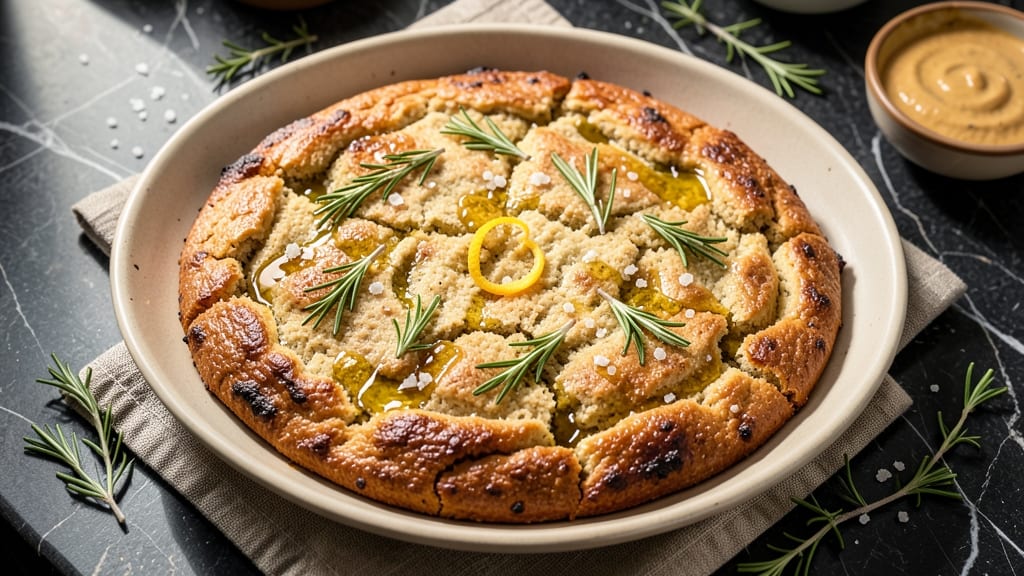
This almond flour focaccia bread recipe delivers the perfect balance of nutty crispy crust and pillowy softness—all without traditional wheat flour. 🌟 The secret lies in blending almond flour’s natural richness with classic focaccia techniques like olive oil dimples and herbed toppings, creating a gluten-free loaf that’s both elegant and satisfying.
What sets this recipe apart is its adaptability—it works as a side dish, appetizer, or even a base for sandwiches, thanks to its sturdy yet tender crumb. The dough comes together with just five core ingredients, yet develops depth through proper proofing and baking.
No special equipment is needed beyond a baking sheet and your hands.
By the time it emerges from the oven, you’ll have a golden-brown focaccia with crisp edges, a fragrant herb-infused crust, and a moist interior that’s surprisingly light for almond flour. The nutty flavor shines through without overpowering, making it a crowd-pleaser for both gluten-free and traditional diets alike.
The best part? This focaccia keeps well for days, making it perfect for meal prep or gifting. Warm slices taste even better the next day, especially when drizzled with fresh olive oil. Ready to master this nutty twist on a classic?
Ingredients for almond flour focaccia bread
Five core ingredients plus a handful of herbs—this almond flour focaccia delivers restaurant-quality texture without gluten.
| Ingredient | Amount | Notes |
|---|---|---|
| Almond Flour 🌰 | 2 ½ cups | Finely ground, unsweetened |
| Extra-Virgin Olive Oil 🫒 | ¾ cup | High-quality, fruity variety |
| Warm Water 💧 | ¾ cup | Around 100°F for activation |
| Active Dry Yeast 🍞 | 2 ¼ tsp | Instant yeast works too |
| Fine Sea Salt 🧂 | 1 ½ tsp | Diamond Crystal preferred |
| Fresh Rosemary 🌿 | ¼ cup | Finely chopped, stems removed |
| Fresh Thyme Leaves 🌿 | ⅛ cup | Or 1 tbsp dried thyme |
| Fresh Garlic Cloves 🧄 | 3 cloves | Minced for flavor boost |
| Flaxseed Meal 🌾 | 1 tbsp | For dough elasticity |
| Maple Syrup 🍁 | 1 tbsp | For subtle sweetness |
| Black Pepper 🌶️ | ½ tsp | Freshly cracked |
| Flaky Sea Salt 🧂 | 1 tbsp | For final sprinkle |
Almond flour is the star here, so don't skimp—the good stuff from Bob's Red Mill or Anthony's Goods makes all the difference. The flour should be finely ground, almost powdery, for that perfect focaccia crumb. If you're using pre-ground almond flour, pulse it in your food processor for 30 seconds to break up any clumps. For the yeast, Fresh yeast from the refrigerated section works best—it's more potent than the dried packets. And that olive oil? Use the good stuff—none of that cheap cooking oil. A fruity, peppery extra-virgin like California Olive Ranch or Colavita will give you that authentic focaccia flavor.
No fresh rosemary? Dried works at half the amount, but honestly, it's worth grabbing a little sprig from the grocery store—it makes such a difference. Short on thyme? Swap for fresh oregano or basil. The flaxseed meal is non-negotiable for that chewy texture—Bob's Red Mill is my go-to. For the garlic, roasted garlic powder is a great shortcut if you're in a hurry. The maple syrup adds just a touch of sweetness, but if you're avoiding sugar completely, date syrup or agave nectar works perfectly. And that black pepper? Freshly cracked is best, but pre-ground is fine in a pinch.
This focaccia dough is best used within 24 hours—it doesn't keep well like traditional dough. If you need to prep ahead, shape it and refrigerate overnight, then let it come to room temp before baking. The baked focaccia keeps for 3-4 days wrapped in a clean kitchen towel to maintain moisture. For longer storage, freeze slices wrapped in parchment—they're perfect for quick toast or sandwiches. To revive, warm at 350°F for 5-10 minutes until crispy again. Trust me, the second day is even better!
Why You'll Love This Recipe
- No Yeast Stress: Mixing the dough takes less than 5 minutes—just almond flour, olive oil, warm water, and a pinch of salt. Honestly, I’ve burned toast more complicated than this.
- Rich, Nutty Crunch: That almond flour gives it a texture you won’t find in regular focaccia—crispy outside, tender inside, with a buttery, toasted nutty flavor that pairs perfectly with olive oil drizzle.
- Weeknight Hero: Slice it fresh for sandwiches, toast it for breakfast, or serve it warm with soup—it’s the one loaf that actually gets used up before it goes stale. (Yes, even on a Tuesday night.)
- Budget-Friendly Luxury: Uses simple pantry staples (no specialty flour blends needed) and stretches further than most breads—perfect for stretching meals without breaking the bank. My wallet thanks me.
Step-by-step instructions for almond flour focaccia bread
Here's how to create that perfect nutty crunch with a pillowy center—it's easier than you think!
👨🍳 Step 1: Activate the Yeast and Prepare the Dough Base
In a small bowl, combine the 0.75 cup warm water, 2.25 tsp active dry yeast, and 1 tbsp maple syrup. Let it sit for 5-10 minutes until you see bubbles forming on the surface—that's your yeast waking up! I like to test the water temperature first by dipping my finger in; it should feel warm but not hot to the touch.
In a large mixing bowl, whisk together the 2.5 cups almond flour, 1 tbsp flaxseed meal, 1.5 tsp fine sea salt, and 0.5 tsp black pepper. This dry mix is the foundation of our focaccia. The flaxseed meal adds elasticity, which helps create that perfect texture we're after. Add the bubbly yeast mixture to the dry ingredients and stir until just combined—you should have a thick, shaggy dough that clumps together.
🍳 Step 2: Incorporate Herbs, Garlic, and Olive Oil
Finely chop the 0.25 cup fresh rosemary and 0.125 cup fresh thyme leaves, then mince the 3 cloves fresh garlic. Add these to the mixing bowl along with the 0.75 cup extra-virgin olive oil. Use your hands or a wooden spoon to work everything together until you have a sticky, cohesive dough. The herbs and garlic will infuse the dough with incredible flavor, so don't skimp on the mincing!
Here's where it gets fun—press the dough into the bottom of the bowl and let it rest for 10 minutes. This allows the almond flour to fully absorb the oil and water, creating a more uniform texture. The dough will still look thick and sticky, but that's exactly what we want for that crispy crust later.
🔥 Step 3: Shape and Proof the Dough
Lightly grease a 9x13-inch baking pan with a bit of olive oil. Transfer the dough to the pan and spread it out evenly using wet hands or a greased spatula. You want it to be about ½-inch thick—press gently but firmly to create that classic focaccia dimple pattern. The dough should reach all the way to the edges of the pan for even baking.
Cover the pan tightly with plastic wrap and let the dough proof at room temperature for 2-3 hours until it has visibly risen and nearly doubles in size. I know it's tempting to rush this step, but patience is key—this is what creates that airy, pillowy texture. The dough should spring back slowly when you press it gently with your finger, about ½-inch deep. If it springs back quickly, it needs more time.
🔪 Step 4: Preheat and Prepare for Baking
Preheat your oven to 375°F with a baking stone or inverted baking sheet on the middle rack. This helps create steam during baking, which is crucial for that crispy crust. While the oven preheats, use your fingers to dimple the dough all over—press down gently to create little wells about ½-inch apart. This isn't just for looks; it creates more surface area for that beautiful crispy crust.
Drizzle the remaining olive oil (about 2 tablespoons) evenly over the top of the dough, then sprinkle with the 1 tbsp flaky sea salt. Here's a pro tip: use a pinch of salt between your fingers to sprinkle it evenly—this gives you more control than shaking it from your hand. The salt will melt slightly during baking, creating those beautiful salt crystals on the crust.
⏰ Step 5: Bake to Golden Perfection
Bake the focaccia for 25-30 minutes until the edges are deep golden brown and the top looks crispy. You'll know it's done when the internal temperature reaches 190°F—use an instant-read thermometer to check. The center should be soft and slightly underdone; it'll continue cooking as it cools. If the top browns too quickly, tent the pan loosely with aluminum foil.
Remove from the oven and let it cool in the pan for 10 minutes before transferring to a wire rack. This resting time is crucial—it allows the bread to set properly and prevents it from becoming gummy. Once cooled, slice it into squares and serve warm. The contrast between the crispy crust and soft interior is what makes this focaccia so irresistible. Store any leftovers wrapped in a clean kitchen towel to keep it fresh!
Pro Tips For Making Almond Flour Focaccia Bread
- Bloom the Yeast First: Skip mixing yeast directly into dry almond flour—it’ll just sit there, useless. Instead, dissolve it in warm water (110°F/43°C) with a pinch of sugar first, then let it foam for 5-10 minutes. Almond flour’s dryness will steal all the moisture if you don’t, and your bread might end up dense and flat.
- Weigh Your Almond Flour: Scooping almond flour from the bag is a disaster—it packs unevenly, and your dough will turn out too dry or gummy. Use a kitchen scale for precision; 1 cup of almond flour weighs about 100g, but brands vary wildly. Trust me, your focaccia’s texture will thank you.
- Don’t Overmix the Dough: Almond flour dough is delicate—once you add the yeast mixture, stir just until combined. Overworking it develops gluten (which almond flour lacks), and you’ll end up with a tough, rubbery loaf instead of a light, airy crumb. Think "loose and shaggy," not "smooth and elastic."
- Oil the Pan Twice: This isn’t the time to skimp. Brush your baking dish with olive oil before shaping the dough, then give it another coat right after it’s in the pan. The first layer keeps it from sticking; the second ensures that golden, crispy crust you’re craving. Yes, even if you’re lazy—do it both times.
Wine and beer pairings for this recipe
Herb-Infused Whites
This nutty focaccia pairs beautifully with crisp, aromatic white wines that complement its rosemary and thyme flavors. A dry Italian Vermentino from Sardinia is my go-to—its citrusy brightness and mineral notes cut through the richness of the almond flour while enhancing the herbal notes.
For something lighter, try a Sauvignon Blanc with its zesty lime and green apple undertones, which creates a refreshing contrast. Both wines should be chilled to 50-55°F to highlight their freshness. 🍷
Crisp Beer Pairings
For beer lovers, a crisp German Pilsner like Stella Artois or Warsteiner balances the focaccia's richness with its clean, slightly malty profile. The subtle bitterness from the hops complements the nutty almond flavor without overpowering it.
If you prefer something more robust, a Belgian Witbier like Hoegaarden adds a touch of spice and citrus that pairs wonderfully with the rosemary. Serve both beers well-chilled at 40-45°F for the best experience.
Olive Oil Finishing
Before serving, drizzle your focaccia with an extra 1 tablespoon of high-quality extra-virgin olive oil—this not only enhances the nutty flavor but also creates a beautiful glistening finish. I like to use a fruity Italian olive oil like Colavita for its peppery kick.
The oil's natural flavors will meld beautifully with the focaccia's herbs, creating a harmonious bite. This simple step elevates the dish from good to extraordinary. 🫒
Sweet Contrasts
If you're serving this focaccia as a dessert or with sweet toppings, consider pairing it with a Moscato d'Asti or a lightly sparkling Prosecco. The effervescence and subtle sweetness of these wines complement the focaccia's nutty undertones while adding a festive touch.
For a non-alcoholic option, a sparkling blood orange soda like San Pellegrino Aranciata Rossa offers a similar refreshing contrast with its citrus notes.
Red Wine for Hearty Meals
If you're serving this focaccia alongside a hearty meal like roasted vegetables or a grilled protein, a light-bodied Pinot Noir from Oregon or Burgundy can work surprisingly well. Its earthy notes and subtle fruitiness bridge the gap between the nutty focaccia and richer dishes.
Just be sure to decant it for 30-45 minutes to soften its tannins and let its flavors shine. This pairing is perfect for a cozy dinner where the focaccia serves as a bread course or side. 🍷
Nutrition facts
Frequently asked questions
Can I make this focaccia without fresh herbs?
Yes! For rosemary, use 1 tbsp dried (about half the fresh amount), and for thyme, use 1 tbsp dried. The flavor will be slightly less vibrant, but still delicious. For garlic, you can substitute 1 tsp roasted garlic powder if needed. The key is to adjust measurements carefully—dried herbs are more concentrated.
Why is my almond flour focaccia dense instead of light? This usually happens when the dough isn't proofed long enough or if the almond flour wasn't properly hydrated.
Can I use this focaccia for sandwiches?
Its sturdy yet tender crumb holds up beautifully to sandwich fillings. For best results, toast slices lightly before assembling to prevent sogginess. This focaccia works especially well with Mediterranean-style sandwiches like hummus and roasted veggies, or as a base for bruschetta. The nutty flavor pairs perfectly with creamy spreads and fresh toppings.
How do I store leftovers to keep them fresh?
Wrap cooled focaccia tightly in a clean kitchen towel or beeswax wrap to maintain moisture. Store at room temperature for up to 3 days. For longer storage, slice and freeze portions wrapped in parchment paper. To revive, warm at 350°F for 5-10 minutes until crispy again. The texture improves after the first day as the crust firms up.
Is this recipe truly gluten-free?
Yes, this recipe is completely gluten-free since it uses only almond flour as the base. However, always check your yeast and other ingredients for hidden gluten if you have celiac disease or severe gluten sensitivity. Cross-contamination can occur if using shared utensils or surfaces with gluten-containing products.