
Side Dishes
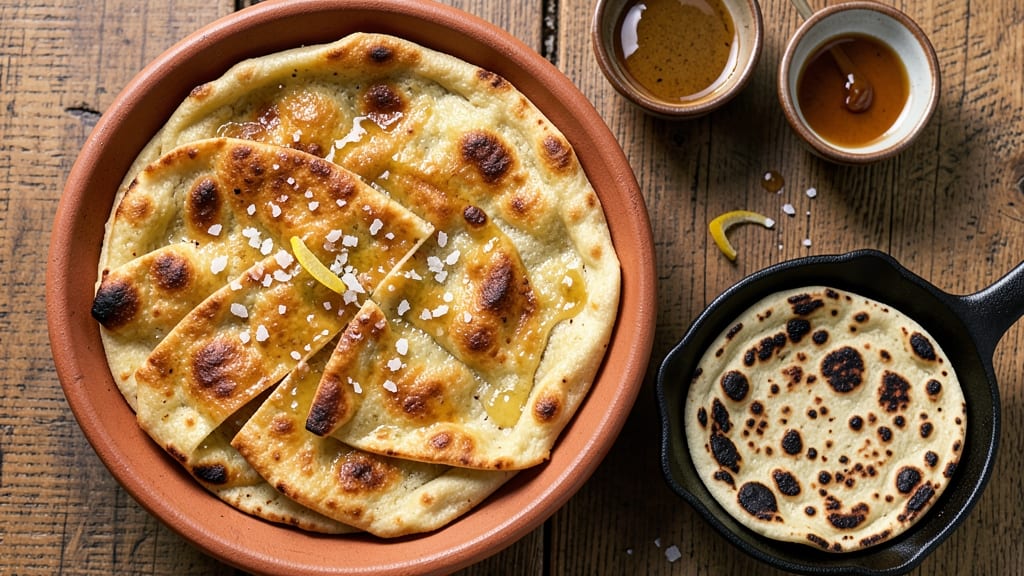
This almond flour naan bread recipe delivers the perfect balance of crispy edges and soft, chewy centers without traditional wheat flour. The secret lies in blending almond flour with a touch of tapioca starch for that signature naan texture, while yogurt and baking powder create the signature fluffiness.
I developed this version after years of experimenting with gluten-free flatbreads—finally achieving a result that rivals store-bought naan in both texture and flavor.
The beauty of this recipe is its versatility—it works equally well on the stovetop or in the oven, and the dough comes together in just 15 minutes with simple ingredients you likely already have. No special equipment is needed beyond a rolling pin and a hot skillet or baking sheet.
The result? A golden, slightly charred exterior with a pillowy interior that's perfect for scooping up curries, dipping in garlic butter, or serving alongside grilled meats.
What makes this recipe stand out is how it captures the essence of traditional naan while adapting to modern dietary needs. The almond flour provides a nutty depth and natural sweetness, while the yogurt keeps the dough tender and easy to work with.
Unlike many gluten-free flatbreads, this version holds its shape beautifully and doesn't crumble when you cut into it—making it ideal for serving as a main dish or side.
Once you try this recipe, you'll never go back to store-bought naan again. The crispy edges develop quickly with high heat, while the centers stay soft and chewy, just like the flatbreads you'd find in an Indian restaurant.
Serve warm with your favorite curry or chutney for an authentic dining experience at home. Here's how to make it perfectly every time.
Ingredients for almond flour naan bread
Sixteen ingredients for naan that rivals store-bought—crispy edges, chewy centers, no wheat needed.
| Ingredient | Amount | Notes |
|---|---|---|
| Almond Flour 🌰 | 2 cups | Finely ground for best texture |
| Tapioca Starch 🍚 | ¼ cup | For chewy texture |
| Plain Yogurt 🍶 | ½ cup | Full-fat for richness |
| Baking Powder 🍞 | 1 ½ tsp | For fluffy rise |
| Salt 🧂 | ½ tsp | Fine sea salt preferred |
| Ghee or Vegetable Oil 🫒 | ¼ cup | For dough elasticity |
| Warm Water 💧 | ¼ cup | Adjust for dough consistency |
| Garlic Powder 🧄 | 1 tsp | For subtle garlic flavor |
| Ground Cumin 🌿 | ½ tsp | Earthy depth |
| Fresh Cilantro 🌿 | ¼ cup | Chopped, optional garnish |
| Lemon Juice 🍋 | 1 tbsp | Brightens flavor |
Almond flour makes this naan special, but not all brands work the same. Bob's Red Mill or Anthony's Goods are my go-tos—they're finely ground and consistent. If you're using a different brand, pulse it in a food processor for a few seconds to break up any clumps. The tapioca starch is key for that signature chewiness—don't skip it. For the yogurt, full-fat plain Greek yogurt works best (like Fage or Siggi's), but regular yogurt in a pinch. The ghee adds richness, but melted coconut oil or avocado oil works if you're avoiding dairy.
No ghee? Melted butter or vegetable oil works in a bind, though ghee gives that authentic flavor. Short on almond flour? Cashew flour at 1:1 ratio is a decent swap, though the texture will differ slightly. Want more flavor? Add 1/4 tsp smoked paprika or 1/2 tsp onion powder. The dough should be soft but not sticky—if it's too dry, add 1 tsp warm water at a time. Too sticky? Add 1 tbsp more almond flour. Fresh cilantro is optional but adds freshness—dried works at 1/4 the amount if you're out.
This dough keeps for 2 days in the fridge, wrapped tightly in plastic. For longer storage, shape the naans and freeze them on a tray before transferring to a bag—2 months frozen. Reheat from frozen in a skillet over medium heat for 2-3 minutes per side. Freshly made naans are best served warm, so make extras—they reheat beautifully. Store-bought naan? Not after this.
Why You'll Love This Recipe
- No-Fuss Mixing: I swear by this dough—just almond flour, tapioca starch, and yogurt. No kneading, no waiting for gluten to develop, and honestly? It’s the kind of recipe where I can measure everything while the rice cooks.
- Buttery-Creamy Magic: That yogurt and tapioca starch combo gives it a melt-in-your-mouth softness, but the almond flour keeps it from being too heavy. Toast it for 30 seconds, and you’ve got a warm, pillowy bite that’s dangerously easy to overdo.
- Lunchbox Hero: Between us, this is my go-to for school lunches or office snacks. It reheats beautifully (microwave + paper towel trick), and the kids actually eat it—no sad sandwiches here. Packs better than store-bought, too, because it stays fresh for days.
- Budget-Friendly Staple: Almond flour isn’t cheap, but a little goes a long way, and this recipe stretches to feed a crowd. I make a double batch, freeze half, and pull it out for unexpected guests. No last-minute takeout needed.
Step-by-step instructions for almond flour naan bread
Here's how to create perfectly crispy-edged, chewy-centered naan using just these simple ingredients.
Mix Dry Ingredients for Optimal Texture
In a large mixing bowl, combine the 2 cups almond flour, 0.25 cup tapioca starch, 1.5 teaspoons baking powder, and 0.5 teaspoon salt. I like to use a whisk for this step to ensure everything gets evenly distributed. The tapioca starch is key here—it creates that signature chewy texture while the almond flour provides structure.
Next, add 1 teaspoon garlic powder and 0.5 teaspoon ground cumin to the dry mixture. Give it a quick stir so these aromatic spices coat all the almond flour particles. The warm, earthy notes from the cumin and subtle garlic flavor will come through beautifully in the finished naan. If you're using the fresh cilantro, chop it finely now and set it aside for later—we'll add it to the wet ingredients.
Combine Wet Ingredients for Smooth Dough
In a separate bowl, whisk together the 0.5 cup plain yogurt, 0.25 cup ghee or vegetable oil, 0.25 cup warm water, and 1 tablespoon lemon juice. The lemon juice brightens the flavor and helps balance the richness of the ghee. I prefer using full-fat yogurt here because it adds that perfect tender quality to the finished bread.
Now pour the wet ingredients into the dry ingredients bowl. Using a silicone spatula or wooden spoon, gently fold everything together until just combined. You'll want to avoid overmixing—just mix until the dough comes together. If it feels too dry, add 1 tablespoon more warm water. The dough should be soft and pliable but not sticky. If it's too sticky, add a little more almond flour until it reaches the right consistency.
Knead and Rest for Perfect Dough Development
Turn the dough out onto a lightly floured surface and knead gently for about 2-3 minutes. You're not trying to develop gluten like with wheat flour—just enough to bring everything together. The dough will be slightly crumbly, which is normal with almond flour. Divide the dough into 6 equal portions (about 2 ounces each) and roll each into a smooth ball.
Place the dough balls in a lightly oiled bowl, cover with a damp kitchen towel, and let them rest at room temperature for 30 minutes. This resting period allows the flavors to meld and the dough to relax slightly, making it easier to roll out later. I know it seems like a short time, but don't skip this step—it makes all the difference in the final texture.
Roll and Cook for Crispy Edges
Preheat your oven to 425°F and line a baking sheet with parchment paper. On a clean surface lightly dusted with almond flour, take one dough ball and roll it out into a 6-inch circle about ¼-inch thick. I like to use a rolling pin, but you can also use your hands if you prefer—just press gently in all directions.
Place the rolled-out naan on the prepared baking sheet. Brush the top lightly with a little more ghee or oil if you like, then sprinkle with some of the chopped cilantro. Bake for 8-10 minutes until the edges are deep golden brown and the center is still slightly underdone. The naan should puff up slightly as it bakes. Remove from the oven and let cool for 2 minutes before serving—this prevents it from becoming too crispy too quickly.
Serve Immediately for Maximum Freshness
Transfer the cooked naan to a clean kitchen towel or plate and gently press down on it with your hands for 10-15 seconds. This helps set the texture and prevents it from becoming too crispy. Repeat with the remaining dough balls, baking them in batches if needed.
Serve the naan warm with your favorite curries, soups, or dips. The outside should be crispy and slightly charred in spots, while the inside remains soft and chewy. Each bite should deliver that perfect contrast of textures—crispy edges giving way to a tender, flavorful center. Store any leftovers wrapped in a clean kitchen towel at room temperature for up to 2 days, or freeze for longer storage.
Pro Tips For Making Almond Flour Naan Bread
- STIR VIGOROUSLY: Almond flour loves air—mix the dough until it’s actually smooth, not just "loosely combined." I used to skimp here, and the naan turned out dense and crumbly. Take those 30 seconds to get it silky, or regret it later.
- CHILL THE DOUGH: Let the dough rest in the fridge for at least 30 minutes before rolling. The tapioca starch needs time to soften, or your naan will crack like brittle biscuit. (Yes, even if you’re impatient like me.)
- SALT THE YOGURT: Mix the salt directly into the yogurt before combining with dry ingredients. This distributes flavor evenly—no more bland pockets. I learned this the hard way after biting into a naan that tasted like half the seasoning had vanished.
- SEAL WITH OIL, NOT WATER: Brush the rolled-out dough with melted ghee or neutral oil before cooking, not after. The almond flour soaks up moisture like a sponge, and water just makes it gummy. A light coat of fat guarantees a crispy, golden crust every time.
Common mistakes when making perfect results
Overmixing the Dough
Almond flour dough behaves differently than wheat flour—overmixing develops gummy textures instead of tender ones. Mix just until combined (10-15 strokes max) to avoid activating the gluten-like proteins in almond flour.
I've ruined batches by blending too vigorously; the dough becomes dense and rubbery. Use a gentle folding motion with a spatula instead of vigorous stirring. 🌰
Skipping the Rest Time
The 30-minute rest isn't optional—it's what makes the difference between crumbly and perfect. Without resting, the dough resists rolling and tears easily. I learned this the hard way when I rushed ahead and ended up with 6 lumpy, uneven naans.
Let the dough relax at room temperature; this also helps the flavors meld for maximum depth.
Using Wrong Flour Ratios
Substituting 1:1 almond flour for wheat flour fails spectacularly—this recipe needs the tapioca starch for chewiness. I once made naan with just almond flour and ended up with a dry, crumbly mess.
The starch acts like a binder; without it, your bread will be too fragile. If you must swap, try 1 cup almond flour + 2 tbsp psyllium husk as a binder alternative.
Overcooking the Naan
Naan should be golden with crispy edges but still soft inside. I've seen people bake until fully firm, which turns the centers tough. Remove naan when edges are golden (8-10 minutes at 425°F)—it continues cooking off the heat.
For stovetop versions, cook 30-45 seconds per side until charred spots appear. Overcooking destroys that perfect chewy center.
Ignoring Dough Consistency
Too dry? Add 1 tsp warm water at a time. Too sticky? Sprinkle 1 tbsp almond flour. I've had doughs that were either impossible to roll or crumbled apart. The ideal consistency is soft and slightly tacky—like playdough.
Test by pressing a piece: it should hold shape without sticking to your fingers. Adjust gradually to avoid throwing off the flavor balance.
Using Cold Ingredients
Cold yogurt or water makes the dough tough. Always use room-temperature ingredients for proper emulsification. I once used chilled yogurt straight from the fridge and ended up with dense, flavorless naan.
Warm your water to 85°F (like bathwater) and let yogurt sit out for 10 minutes before mixing. The dough will come together more smoothly and develop better texture.
Nutrition facts
Frequently asked questions
Can I make this recipe without ghee?
Swap the 0.25 cup ghee for 0.25 cup melted coconut oil or avocado oil for a dairy-free version. The flavor will be slightly different but still delicious. For extra richness, use butter instead. Just ensure your oil is melted and warm before mixing.
Why does my almond flour naan tear when rolling?
This usually happens when the dough is too dry or hasn't rested long enough. The 30-minute rest is crucial—it relaxes the dough fibers. If it's still tearing, add 1 teaspoon warm water and knead gently. For extra flexibility, cover the dough with a damp towel while resting to prevent drying.
Can I make this naan on the stovetop instead of oven?
Yes! Roll out the dough and cook in a dry skillet over medium-high heat for 30-45 seconds per side until golden brown with charred spots. For extra flavor, place a damp paper towel in the skillet while cooking to create steam. The stovetop method gives you that classic restaurant-style char.
How do I store leftovers to keep them soft?
Store cooked naan wrapped in a clean kitchen towel at room temperature for up to 2 days. For longer storage, freeze individual naans on a tray before transferring to a bag. Reheat from frozen in a skillet over medium heat for 1-2 minutes per side until warmed through. The towel helps maintain moisture.
What are the best toppings for this almond flour naan?
Try brushing warm naan with garlic butter (melted butter + minced garlic + salt) or a yogurt sauce (yogurt + lemon juice + chopped cilantro). For extra flavor, sprinkle with toasted cumin seeds or fresh herbs like dill or mint. The crispy edges pair perfectly with spicy curries or creamy dips.