
Side Dishes
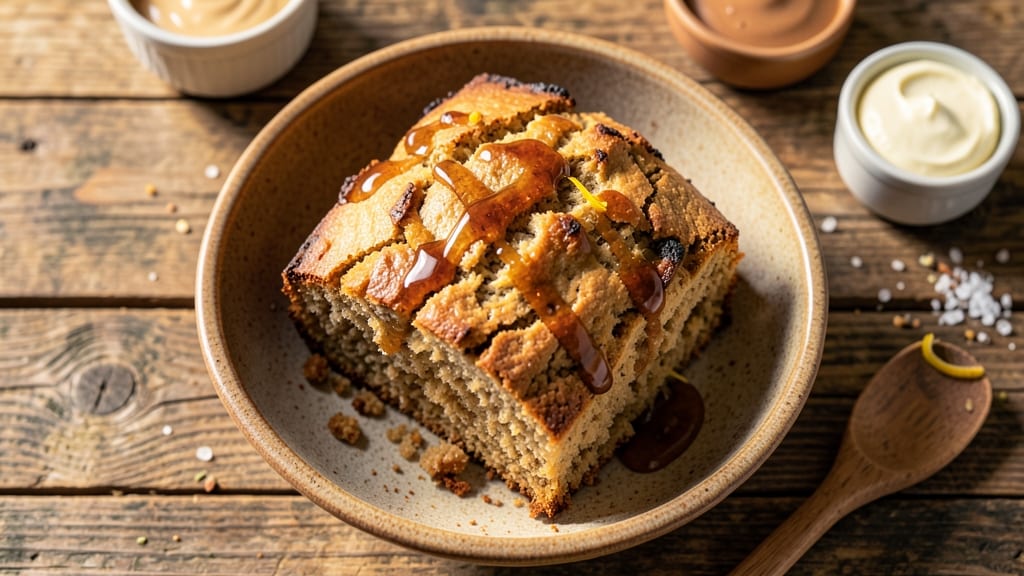
This almond flour soda bread delivers all the classic soda bread charm—tender crumb, buttery richness, and perfect rise—without a single grain in sight. The secret lies in blending almond flour's natural moisture retention with baking soda for that signature lift, creating a loaf that's both gluten-free and vegan.
I developed this recipe after years of perfecting texture in grain-free baking, and it never fails to impress with its buttery aroma and satisfying crumb.
The beauty of almond flour lies in its ability to transform traditional baking rules—no kneading required, no yeast needed, and no gluten to worry about.
This recipe uses a simple mix of almond flour, baking soda, and a touch of sweetener to create a tender crumb that stays moist for days.
The buttery flavor comes from a clever substitution that mimics traditional soda bread without dairy, making it perfect for those avoiding gluten or animal products.
What you'll end up with is a golden-brown loaf with a crisp crust and a soft, slightly crumbly interior that's perfect for serving alongside soups or with butter and jam.
The aroma alone will have everyone asking for seconds, and the texture holds up beautifully whether you slice it fresh or toast it the next day. This is the kind of bread that proves grain-free baking can be just as satisfying as traditional recipes.
Best of all, this recipe comes together in just 30 minutes of prep time with minimal active work, making it ideal for busy weeknights or meal prep. The instructions are straightforward, and I've included troubleshooting tips to ensure perfect results every time.
Whether you're new to almond flour or a seasoned baker, this recipe delivers on both flavor and texture.
Ingredients for almond flour soda bread
Nine simple ingredients transform into a golden, buttery loaf with perfect rise and crumb—no gluten, no dairy, no fuss.
| Ingredient | Amount | Notes |
|---|---|---|
| Almond Flour 🥜 | 2 ½ cups | Finely ground, unsweetened |
| Baking Soda 🧪 | 1 tbsp | Freshly opened for best results |
| Vegan Butter 🧈 | ½ cup | Cold, cubed, full-fat preferred |
| Maple Syrup 🍯 | ¼ cup | Pure, grade B for depth |
| Vanilla Extract 🌿 | 1 tsp | Pure, high-quality extract |
| Salt 🧂 | ½ tsp | Fine sea salt preferred |
| Ground Flaxseed 🌾 | 1 tbsp | For egg substitute, mixed with water |
| Cold Water 💧 | ¼ cup | Room temperature, not hot |
| Apple Cider Vinegar 🍏 | 1 tbsp | For tangy lift, organic preferred |
| Sesame Seeds 🌻 | 1 tbsp | Optional, for crust texture |
| Poppy Seeds 🌿 | 1 tbsp | Optional, for added crunch |
Almond flour is the star here—Bob's Red Mill or Anthony's Goods are my go-tos for consistent texture. The finer the grind, the better the crumb, so avoid pre-ground flour that's been sitting on shelves. Baking soda is non-negotiable for that classic soda bread rise, but check the expiration date—old baking soda loses its lift. For the vegan butter, Miyoko's or Earth Balance work perfectly, but don't grab the 'light' version. The fat content matters for that buttery flavor. Maple syrup adds natural sweetness and moisture, so grade B (the darker, robust kind) gives the best depth of flavor. I always double-check the label for 100% pure maple syrup—no corn syrup fillers!
No almond flour? Sunflower seed flour works in a pinch, though texture will differ slightly. Running short on baking soda? Baking powder at half the amount can substitute, but the flavor won't be identical. The flaxseed 'egg' is a game-changer—mix the ground flaxseed with cold water first and let it sit for 5 minutes to thicken properly. Skip the vanilla extract? A pinch of cinnamon or orange zest adds warmth. The apple cider vinegar might seem odd, but it's what creates that signature tang in traditional soda bread. If you're out, lemon juice at the same amount works fine. For the optional seeds, toasted sesame seeds add a nutty crunch, while poppy seeds bring a delicate floral note—both elevate the crust but aren't essential if you're in a hurry.
This bread keeps beautifully—3-4 days wrapped in a clean kitchen towel at room temperature for that fresh-baked feel. For longer storage, slice and freeze portions for up to 3 months. The crust stays crisp even after freezing, so it's perfect for quick toast. I always make a double batch—one loaf for the table, one for freezing. The aroma when it comes out of the oven? Unreal. That's the moment everyone knows something special is happening. Toast slices lightly for breakfast or serve warm with jam for a cozy treat—either way, it disappears fast.
Why You'll Love This Recipe
- No-Fuss Mixing: I swear by this—just fold the wet and dry ingredients together in a bowl. No kneading, no waiting for dough to rest, just stir, shape, and bake. The almond flour handles it all like a champ.
- Sweet & Nutty Magic: That maple syrup and vanilla? They turn this bread into something special—warm, slightly caramelized edges with a tender crumb that’s got this addictive nutty depth. Honestly, it’s the kind of bread that makes you want to eat it straight from the pan.
- Breakfast to Brunch: Make a batch on Sunday, and you’ve got something for toast in the morning, French toast for brunch, or even crumbled over yogurt. I’ll be real: my kids grab slices for lunchboxes, and I’ve even used it as a base for dessert.
- Budget-Friendly Staple: Almond flour might seem pricier, but this recipe uses less than a cup—it stretches far. Plus, the baking soda and maple syrup are pantry basics. One loaf lasts my family five days, and I’m always finding new ways to use the scraps.
Step-by-step instructions for almond flour soda bread
Here's how to create a perfectly risen, buttery almond flour loaf with a tender crumb every time.
Mix the Flaxseed Egg Substitute
In a small bowl, whisk together the 1 tablespoon ground flaxseed and ¼ cup cold water. Let it sit for 5 minutes until it thickens into a gel-like consistency—this is your egg substitute. The mixture should be smooth and slightly sticky, resembling raw egg whites in texture.
This step is crucial because the flaxseed mixture binds the dry ingredients together just like eggs would. If you skip letting it thicken, your bread will be dense rather than light and airy. I always use room temperature water to avoid any lumps forming in the mixture.
Combine Wet and Dry Ingredients
In a large mixing bowl, cream together the ½ cup vegan butter and ¼ cup maple syrup using an electric mixer on medium speed for 2-3 minutes. The mixture should lighten in color and become slightly fluffy. This step incorporates air that will help create the bread's rise.
Add the 1 tablespoon baking soda, ½ teaspoon salt, 1 teaspoon vanilla extract, and the thickened flaxseed mixture. Mix on low speed for 30 seconds until just combined. Then gently fold in the 2½ cups almond flour using a spatula—overmixing develops gluten and makes the bread dense.
Add Vinegar and Seeds for Texture
Pour in the 1 tablespoon apple cider vinegar and mix briefly to combine. The vinegar reacts with the baking soda to create lift—this is what gives soda bread its characteristic rise. Sprinkle the 1 tablespoon sesame seeds and 1 tablespoon poppy seeds on top and gently fold them into the dough using your hands.
The seeds add beautiful texture contrast to the soft crumb. If you prefer a smoother texture, you can omit them, but I find they give that perfect crunchy bite. The dough will be quite sticky—this is normal with almond flour. Don't be tempted to add more flour or it will make the bread dense.
Shape and Bake for Perfect Rise
Preheat your oven to 350°F and line a loaf pan with parchment paper. Transfer the dough to the prepared pan and smooth the top with wet hands. The dough should fill about ¾ of the pan—don't press it down as this will make the bread flat.
Bake for 35-40 minutes until the top is golden brown and a toothpick inserted in the center comes out clean. The bread will rise dramatically in the oven—this is what gives it that classic soda bread texture. If the top browns too quickly, tent it loosely with foil after 20 minutes to prevent over-browning.
Cool and Serve for Maximum Enjoyment
Remove the bread from the oven and let it cool in the pan for 10 minutes before transferring to a wire rack. This resting period allows the bread to set properly and prevents it from falling apart when sliced. The bread will be warm and fragrant when you remove it from the oven—this is when it tastes best.
Slice the bread while still warm for clean cuts and maximum tenderness. The interior should be soft and slightly crumbly, with a subtle sweetness from the maple syrup. Serve with butter or jam for the ultimate grain-free treat that's perfect for breakfast or snacks.
Pro Tips For Making Almond Flour Soda Bread
- MEASURE ALMOND FLOUR BY WEIGHT: Almond flour gets packed differently—never scoop it straight from the bag or you’ll end up with a dense brick. Use a kitchen scale for accuracy; 1 cup of almond flour by volume can weigh anywhere from 90 to 110 grams depending on how it’s packed. (Yes, even if your recipe says "1 cup"—trust the scale.)
- STEAM THE BUTTER FIRST: Cold vegan butter in almond flour dough can turn into a greasy mess. Warm the butter slightly (just until it softens, about 30 seconds in the microwave or between your palms) before mixing—it distributes better and creates a tender crumb without stealing moisture from the almond flour.
- DON’T OVERMIX THE BATTER: This isn’t pancake batter—once you fold in the baking soda and maple syrup, stop mixing after 20 seconds. Overworking it activates the gluten in the almond flour (yes, it has a little) and makes the bread dense. A few lumps are fine; they’ll disappear in the oven.
- LET IT RISE UNTIL IT DOUBLES: This isn’t yeast bread, but the baking soda still needs time to puff the batter. Pop it in the oven as soon as it’s mixed, but give it 10–15 minutes to sit on the counter first—it’ll rise slightly, giving you a taller loaf instead of a pancake. (Pro move: Preheat the oven while you mix.)
Pro cooking tips for great almond flour soda bread
Almond Flour Magic
Almond flour's high fat content creates a naturally tender crumb, but it requires careful handling to avoid dryness. I always use finely ground almond flour (like Bob's Red Mill) because coarser grinds create a grittier texture.
The key is to cream the vegan butter and maple syrup until light and fluffy—this incorporates air that compensates for the lack of gluten development. 🥜
Baking Soda Timing
The baking soda needs to activate at the perfect moment—add it just before mixing in the vinegar to prevent premature reaction. I've ruined batches by adding it too early, which makes the dough flat.
The vinegar should be the last wet ingredient you add, right before folding in the seeds. This sequence ensures maximum rise during baking.
Sticky Dough Handling
Almond flour dough is naturally sticky, but don't panic—this is normal! Wet your hands with cold water before shaping to prevent sticking. I use a light spray of oil on my hands if the dough feels too clingy.
Never add extra flour, as this will make the bread dense. The dough should fill ¾ of your loaf pan—don't press it down as this prevents proper rise.
Oven Temperature Secrets
Preheat your oven to 350°F and let it fully acclimate for 15 minutes before baking. I use an oven thermometer to verify accuracy—many home ovens run hot.
If your bread browns too quickly, tent it loosely with foil after 20 minutes to prevent over-browning while allowing the center to cook through.
Perfect Rise Test
Your bread is done when it reaches golden brown color and a toothpick comes out clean. The interior should be soft and slightly crumbly, not dense. If it feels underbaked, return it to the oven for 5-10 more minutes—almond flour bread continues cooking slightly after removal.
The dramatic rise happens during the first 20 minutes of baking.
Cooling Matters Most
Let the bread cool in the pan for 10 minutes before transferring to a wire rack. This resting period allows the crumb to set properly and prevents it from falling apart when sliced.
I always slice it warm for the best texture, but if you need to store it, let it cool completely first to maintain moisture. 🌟
Nutrition facts
Frequently asked questions
Why does my almond flour bread turn out dense instead of light?
Overmixing is the #1 culprit—almond flour lacks gluten, so gentle folding is key. Also, make sure your baking soda is fresh (test by mixing with water—it should bubble immediately). The flaxseed egg substitute must thicken fully for 5 minutes before mixing, or it won't bind properly. If your oven runs hot, reduce temp to 340°F and bake for 45 minutes instead.
Can I make this without apple cider vinegar?
Yes! Use 1 tablespoon lemon juice or white vinegar in the same amount. The acid reacts with baking soda to create lift—just don't add it too early, or your dough will flatten before baking. For extra tang, try ½ tablespoon white vinegar + ½ tablespoon orange juice instead.
How do I store leftovers to keep them fresh?
Wrap cooled slices in a clean kitchen towel and store in an airtight container at room temperature for 3-4 days. For longer storage, freeze slices for up to 3 months. To reheat, warm in a 350°F oven for 5-8 minutes—the crust stays crisp while the crumb softens beautifully.
Is this bread really gluten-free?
With no wheat flour, this recipe is naturally gluten-free. The almond flour provides structure through its natural fats and proteins, while the baking soda creates lift. Just double-check your almond flour label—some brands process in wheat facilities. For extra safety, look for certified gluten-free almond flour.
Can I add mix-ins like chocolate chips?
Yes, but keep it to ½ cup maximum of small mix-ins like dark chocolate chips or chopped nuts. Fold them in during the final mixing step with the seeds. Avoid anything larger than ¼ inch or it may not bake evenly. For a sweeter version, add 1 tablespoon cinnamon or ½ cup raisins along with the seeds.