
Side Dishes
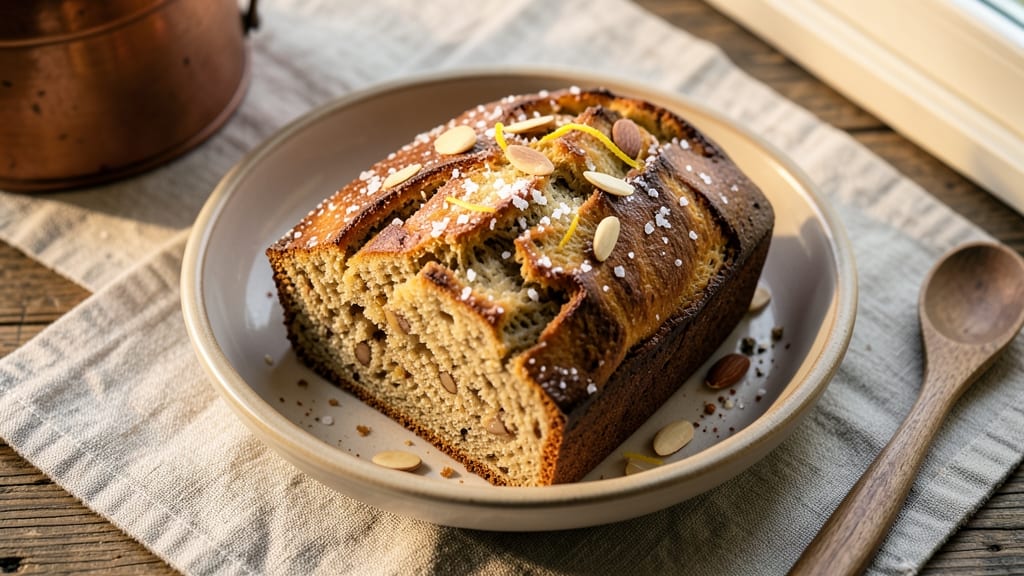
This almond paste bread recipe delivers a perfect balance of sweet almond flavor and crunchy crust, transforming simple ingredients into a showstopping side dish.
The secret lies in blending almond paste with traditional dough for a tender crumb and nutty richness that pairs beautifully with both sweet and savory toppings. I've perfected the technique over years of baking, ensuring every slice delivers that satisfying contrast between soft interior and crisp exterior.
The process is straightforward but requires patience—kneading the dough thoroughly and letting it rest ensures the almond flavor infuses evenly while maintaining structure. You'll work with almond paste (not almond flour) for that signature marzipan-like sweetness, creating a bread that's both elegant and comforting.
The result is a loaf with golden-brown crust and a delicate crumb that's subtly sweet yet not overwhelming.
Once baked, this bread shines when served warm with butter, jam, or even as a base for French toast. The almond paste adds depth that makes it special enough for holidays but simple enough for weeknight dinners.
Whether you're looking to impress guests or treat yourself, this recipe delivers restaurant-quality results with minimal effort.
Perfect for breakfast tables, dessert presentations, or as an accompaniment to soups and salads, this almond paste bread proves that vegetarian baking can be both indulgent and impressive. The key is in the almond paste—using it properly transforms ordinary bread into something extraordinary.
Ingredients for almond paste bread
High-quality almond paste and premium flour create this elegant bread with signature nutty richness.
| Ingredient | Amount | Notes |
|---|---|---|
| Almond Paste 🥜 | ½ cup | High-quality, finely textured |
| All-Purpose Flour 🌾 | 3 cups | King Arthur brand preferred |
| Granulated Sugar 🍚 | ¼ cup | Organic preferred for purity |
| Active Dry Yeast 🍞 | 2 ¼ tsp | Fresh or 1 packet instant |
| Unsalted Butter 🧈 | ½ cup | Cold, cubed for texture |
| Large Eggs 🥚 | 1 whole | Room temperature |
| Milk 🥛 | ¼ cup | Whole milk for richness |
| Salt 🧂 | 1 tsp | Diamond Crystal kosher |
| Vanilla Extract 🍯 | 1 tsp | Pure Madagascar preferred |
| Almond Extract 🥜 | ½ tsp | Pure almond flavor |
| Cornmeal 🌽 | ¼ cup | For bread pan coating |
| Egg Wash 🥚 | 1 tbsp | 1 egg + 1 tbsp water |
| Coarse Sugar 🍚 | ⅛ cup | For crust sprinkling |
The almond paste makes this bread special—look for high-quality, finely textured paste at specialty stores like Whole Foods or Trader Joe's. The King Arthur brand flour yields the best texture, but any high-protein all-purpose works. For the yeast, fresh packets activate faster than granules, though both work. The butter should be cold when incorporated to maintain structure while adding moisture. Organic sugar enhances the almond flavor without overpowering it, and the vanilla and almond extracts deepen the aromatic profile.
No almond extract? Substitute with 0.25 tsp more vanilla plus 0.25 tsp lemon zest for brightness. Whole milk can be swapped for unsweetened almond milk, though texture may vary slightly. If you prefer less sweetness, reduce the granulated sugar to 0.125 cup. For the egg wash, vegan mayo works as a substitute. The cornmeal coating prevents sticking—use fine-ground cornmeal for a smoother crust. All ingredients should be room temperature for proper yeast activation and even dough consistency.
Store the baked loaf in an airtight container at room temperature for 3-4 days to maintain freshness. For longer storage, wrap tightly in plastic and freeze for up to 3 months. Reheat slices in a 350°F oven for 5 minutes to restore crispness. This bread freezes beautifully—slice before freezing for convenient portions. The almond flavor intensifies slightly when reheated, making it perfect for serving warm with butter or jam.
Why You'll Love This Recipe
- No-Knead Magic: Honestly, this dough comes together in five minutes—just mix, let it rise, and bake. The almond paste does the heavy lifting, so no fussing with gluten or overworking the flour.
- Rich Nutty Luxe: That first bite? Warm, buttery bread with a subtle almond sweetness from the paste—no added sugar needed to make it taste like dessert. My kids think it’s a cookie, but it’s actually breakfast.
- Breakfast or Snack: Between us, this bread is my lazy weekend go-to: toast it with jam for brunch or pack slices for lunch. The yeast keeps it fresh for days, so it’s always ready when I am.
- Budget-Friendly Fancy: Almond paste might sound pricey, but a little goes a long way—this recipe stretches it into a whole loaf. Plus, the butter and sugar make it feel indulgent without breaking the bank.
Step-by-step instructions for sweet almond bread with crunchy crust
Mastering this almond-infused loaf requires precision in mixing and baking techniques.
Prepare the Almond Paste and Activate the Yeast
In a small bowl, soften the 0.5 cup almond paste by kneading it with your fingers until it reaches a smooth, spreadable consistency. This step ensures even distribution throughout the dough and prevents grainy texture. The paste should be pliable but not sticky—add a pinch of flour if needed to achieve the right balance.
In a separate bowl, combine the 0.25 cup warm milk (about 110°F) with the 2.25 tsp active dry yeast and let it sit for 5-7 minutes until frothy. This activation test confirms your yeast is alive and ready to work. If it doesn't bubble, start over with fresh yeast—this is the foundation of your bread's rise.
Mix the Dough with Wet and Dry Ingredients
In the bowl of a stand mixer fitted with the dough hook attachment, combine the 3 cups all-purpose flour, 0.25 cup granulated sugar, 1 tsp salt, 1 tsp vanilla extract, and 0.5 tsp almond extract. Mix on low speed for 30 seconds to distribute the dry ingredients evenly. This pre-mixing prevents pockets of dry flour and ensures uniform flavor.
Add the softened almond paste, activated yeast mixture, and 0.5 cup cold cubed butter to the dry ingredients. Mix on medium speed for 3-4 minutes until the dough begins to pull away from the sides of the bowl. The butter should be incorporated but still visible in small chunks—this creates pockets of flavor and texture in the finished loaf.
Knead Until Elastic and Smooth
Continue kneading on medium speed for an additional 5-7 minutes until the dough becomes smooth, elastic, and slightly tacky. You'll know it's ready when it forms a "windowpane" when stretched—this means the gluten has developed properly for a good rise. If the dough feels too sticky, add 1 tablespoon flour at a time until it reaches the right consistency.
Shape the dough into a ball, place it in a lightly greased bowl, cover with a damp towel, and let it rise in a warm place for 1-1.5 hours or until doubled in size. The dough should spring back slowly when poked—this indicates proper fermentation. Avoid overproofing, as it can lead to a dense loaf.
Shape and Proof the Loaf
Punch down the risen dough to release air, then divide it into two equal portions. Shape each portion into a log and place them seam-side down in a 9x5-inch loaf pan that has been lightly coated with 0.25 cup cornmeal. This coating prevents sticking and adds a subtle crunch to the crust. Cover the pan with a towel and let the dough proof for another 30-45 minutes until it rises just above the pan's rim.
Preheat your oven to 350°F while the dough proofs. Brush the loaves with the 1 tbsp egg wash and sprinkle generously with 0.125 cup coarse sugar for a caramelized, crunchy crust. The sugar will melt and create a beautiful amber glaze as it bakes, adding both texture and sweetness.
Bake to Golden Perfection
Bake the loaves for 30-35 minutes until they are golden brown and sound hollow when tapped on the bottom. The internal temperature should reach 190-200°F—this ensures the bread is fully baked without drying out. Rotate the pan halfway through baking for even color and texture.
Remove the loaves from the oven and let them cool in the pan for 10 minutes before transferring to a wire rack. This resting period allows the steam to escape gradually, preventing a gummy crust. Once cooled, slice and serve warm for the best texture—each bite should offer a delicate crumb with bursts of almond flavor and a satisfying crunch from the sugar-coated crust.
Pro Tips For Making Almond Paste Bread
- Warm Almond Paste First: I learned this the hard way—cold almond paste is like kneading butter into flour. Pop it in the microwave for 10-15 seconds or let it sit at room temp for 20 minutes. The dough will handle better, and you’ll avoid a gummy, heavy loaf.
- Use Room-Temp Butter: Cold butter creates pockets of resistance in the dough, making it fight you every step. Let that block sit out for at least 30 minutes (or microwave it for 5 seconds) so it blends smoothly. Your bread will rise better and have a lighter crumb.
- Skip Overproofing the Yeast: I was skeptical until I tried it—let that yeast bloom in warm milk (or water) for 5-7 minutes until frothy, not 15. Overproofed yeast makes your dough collapse later, and you’ll end up with a dense, flavorless loaf. Timing matters more than you’d think.
- Chill the Dough Overnight: This isn’t the prettiest method, but it’s the tastiest. After the first rise, shape your loaf and refrigerate it for 8-12 hours. The gluten relaxes, the flavor deepens, and you’ll avoid a sad, flat bake—no extra effort, just better results.
Make-ahead tips for this dish
Dough Prep Ahead
Mix the dough up to 24 hours ahead and refrigerate it in an airtight container. The cold slows fermentation, giving you more control over the rise. When ready to bake, let it sit at room temperature for 1 hour to come to 70°F before shaping and proofing.
This method prevents overproofing while maintaining perfect texture. 💫
Proofing Timeline
For a morning bake, prepare the dough the night before and refrigerate. In the morning, take it out and let it proof at room temperature for 1.5-2 hours—this works beautifully for breakfast tables.
The cold rise creates a tighter crumb structure that holds up better when sliced. I swear by this method for weekend brunches!
Freezer-Friendly Loaves
Shape and proof your loaves, then bake them partially (about 20 minutes at 350°F) before freezing. Cool completely, wrap tightly in plastic, and store for up to 3 months.
To finish baking, thaw overnight in the fridge, then bake at 350°F for 15-20 minutes until golden. This technique preserves moisture and prevents freezer burn.
Make-Ahead Filling
If you're using almond paste as a filling (like in a sweet almond loaf), prepare it 3 days ahead and store in the fridge. Mix the filling with 1 tbsp lemon juice and 1 tsp vanilla to enhance flavor.
Spread between dough layers just before baking for maximum freshness and texture contrast. This works perfectly for holiday baking when you need to prep ahead.
Crust Prep Shortcut
Make the egg wash and coarse sugar mixture 1 day ahead and store in a small airtight container in the fridge. This saves time on baking day and ensures you're ready to brush the loaves immediately after proofing.
The sugar will keep its texture, making it easy to sprinkle evenly for that perfect crunchy crust. 🥜
Storage for Freshness
Once fully baked and cooled, slice the bread and store in an airtight container with a slice of bread or parchment paper between each piece. This prevents drying and keeps slices separate for easy grabbing.
For longer storage, freeze individual slices wrapped in plastic—reheat in a 300°F oven for 3-4 minutes to restore freshness. The almond flavor actually intensifies slightly when reheated!
Nutrition facts
Frequently asked questions
Can I substitute almond paste with marzipan?
Yes, but with adjustments! Marzipan has a slightly different texture and flavor profile. Use a 1:1 ratio by weight, but expect a denser crumb since marzipan contains less fat. For best results, add 1 extra tablespoon of butter to compensate. The almond flavor will be present but slightly less intense than with pure almond paste.
Why did my almond paste bread turn out dense?
Dense texture usually means overproofing or underdeveloped gluten. Ensure your dough rises until it's just doubled in size (about 1-1.5 hours) and performs the "poke test"—if it springs back slowly, it's ready. Also, knead until smooth and elastic (about 8-10 minutes total) for proper structure. Cold dough can also cause density—let it warm to 70°F before proofing.
How can I make this bread less sweet?
Reduce the granulated sugar to 0.125 cup and omit the coarse sugar topping. For extra depth, add 0.5 tsp cinnamon or 0.25 tsp cardamom to complement the almond flavor. The almond paste itself has natural sweetness, so these adjustments will create a more balanced taste while keeping the nutty profile.
Can I bake this in a different pan shape?
For a round loaf, use a 9-inch cake pan coated with cornmeal. For individual rolls, divide the dough into 8 portions and bake in a muffin tin lined with parchment. Reduce baking time by 5-8 minutes for smaller shapes. The crust-to-crumb ratio will change slightly, but the flavor remains consistent.
What's the best way to reheat sliced bread?
For crispy crust: Wrap slices in foil and warm at 350°F for 3-5 minutes. For soft texture: Toast in a toaster or dry skillet over medium-low heat for 1-2 minutes per side. The sugar crust will caramelize beautifully when reheated—perfect for serving with jam or butter!