
Side Dishes
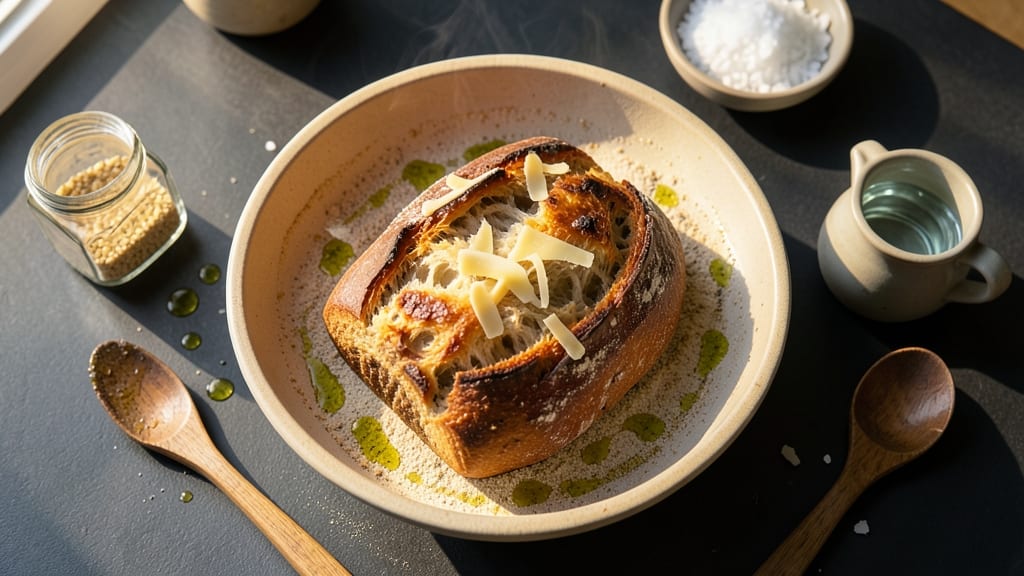
Alvin Ord's bread recipe delivers the perfect balance of no-knead convenience and artisanal quality, transforming simple pantry staples into a crusty, golden loaf with an irresistible crunch and chewy interior. The secret lies in a long, slow fermentation that develops deep flavor and an open crumb structure without requiring any special equipment or advanced techniques. I've baked this recipe dozens of times, and it consistently produces results that rival professional bakery bread—just with a fraction of the effort.
What sets this bread apart is its foolproof method: combine flour, water, yeast, and a touch of salt, then let the dough rest at room temperature for several hours. This extended fermentation allows the gluten to develop naturally, creating that signature artisan texture without the need for kneading.
The dough is then shaped into a batard or boule and baked until the crust achieves that perfect golden-brown color with deep caramelization.
By the time your bread emerges from the oven, you'll have a loaf with a crisp, shatteringly thin crust that gives way to a soft, airy interior with beautiful open crumbs.
The aroma alone will fill your kitchen with the comforting scent of freshly baked bread, and each slice will be perfectly proportioned for toast, sandwiches, or simply enjoying with butter. This recipe proves that homemade bread can be both impressive and effortless.
The beauty of this method is its versatility—you can adjust the hydration slightly for a softer or stiffer dough, add seeds or herbs for extra flavor, or even make it in a Dutch oven for an extra crispy crust.
Whether you're a beginner baker or an experienced home cook, this recipe delivers consistent, professional-quality results with minimal fuss. Let's get started on creating your perfect loaf.
Ingredients for alvin ord's bread
Simple pantry staples transform into restaurant-quality bread with just time and patience.
| Ingredient | Amount | Notes |
|---|---|---|
| All-Purpose Flour 🌾 | 4 cups | High-protein preferred for better structure |
| Water 💧 | 1 ½ cups | Room temperature for best activation |
| Active Dry Yeast 🍞 | ¼ oz | Or 2 1/4 tsp, fresh yeast preferred |
| Kosher Salt 🧂 | 1 ½ tsp | Diamond Crystal preferred for accuracy |
| Olive Oil 🫒 | 1 tbsp | Extra-virgin for best flavor |
| Cornmeal 🌽 | ½ cup | For dusting baking surface |
| Ice Water ❄️ | ¼ cup | For shaping dough |
| Sesame Seeds 🌱 | 1 tbsp | Optional for topping |
The flour makes all the difference here. King Arthur or Caputo Tipo 00 if you want to splurge, but Gold Medal all-purpose works perfectly fine for home bakers. I always grab a 5-pound bag from King Arthur's website—it's worth the shipping for the quality. The yeast? Fresh yeast from the refrigerated section (like Fleischmann's) gives better results than active dry, but if you're using dry, make sure it's not expired. Test it first by dropping a pinch in warm water with a pinch of sugar—if it bubbles within 5 minutes, it's good to go. Room temperature water is key; cold water slows fermentation, and hot water can kill the yeast. Aim for about 75°F (24°C).
No yeast? Sourdough starter at 10% replacement works beautifully—just swap out the yeast for 1/4 cup of active starter. Running low on olive oil? Melted coconut oil or avocado oil are great substitutes, though they'll give a slightly different flavor. The sesame seeds are totally optional, but if you skip them, try poppy seeds or everything bagel seasoning for extra flavor. Cornmeal can be swapped for semolina or rice flour if you've got it—just enough to prevent sticking. And if you're worried about hydration, start with 1.25 cups of water instead of 1.5 for a slightly stiffer dough.
This dough is all about patience—it keeps 24-48 hours in the fridge if you need to slow fermentation. For best results, shape your loaf right before baking and let it sit at room temperature for 1-2 hours before popping in the oven. The crust gets crispier if you bake it in a preheated Dutch oven, but a regular baking sheet works too. Store wrapped at room temperature for 3 days or freeze for 3 months. I always make a double batch—one for eating, one for freezing. Toasting revives stale bread like magic, so don't toss those leftovers!
Why You'll Love This Recipe
- No-Knead Magic: I swear by this—just mix, wait, and bake. The yeast does all the work while I’m scrolling or watching TV. That olive oil in the dough? It keeps it tender without any fuss.
- Salt & Flour Crust: Honestly, the kosher salt isn’t just for flavor—it crisps the crust to golden perfection. You get that rustic, bakery-style texture with zero effort, and the inside stays soft enough to melt.
- Everyday Hero: Between us, this bread is my go-to for sandwiches, toast, or just tearing into with butter. It’s the kind of loaf that disappears in a day, but the recipe’s so simple I make it weekly without guilt.
- Budget Baking Wins: Five ingredients, zero specialty tools. The flour and yeast stretch far, and the olive oil adds richness without breaking the bank. Leftovers? Freeze slices for toast later—no waste, all satisfaction.
Step-by-step instructions for alvin Ord's bread recipe
Here's how to create that legendary artisan crust with minimal effort—just follow these simple steps.
Activate the Yeast and Mix the Dough
In a large bowl, combine the 1.5 cups water with the 0.25 oz active dry yeast. Let it sit for 5-10 minutes until it becomes frothy—this confirms your yeast is alive and ready to work. If it doesn't bubble, start over with fresh yeast.
Add the 4 cups all-purpose flour, 1.5 tsp kosher salt, and 1 tbsp olive oil to the yeast mixture. Using a wooden spoon or your hands, stir until a shaggy dough forms. The dough will be sticky but shouldn't be wet or dry—this is normal for no-knead bread. Cover the bowl with a damp towel and let it rest at room temperature for 1 hour.
Shape and Rest the Dough
After the initial rest, the dough should have puffed up slightly and feel more cohesive. Turn it out onto a surface lightly dusted with 0.5 cup cornmeal—this prevents sticking and adds texture. Gently shape the dough into a round loaf, tucking the edges underneath as you go.
Place the shaped dough seam-side down on a parchment-lined baking sheet. Cover loosely with the damp towel again and let it rise for 1-2 hours until it has nearly doubled in size. You'll know it's ready when the dough springs back slowly when poked—this means the gluten has developed properly.
Score and Bake for a Perfect Crust
Preheat your oven to 375°F with a baking stone or inverted baking sheet inside—this creates steam for that signature artisan crust. Once the oven is hot, use a sharp knife or razor to score the dough in a crosshatch pattern. This controls expansion and gives that beautiful cracked surface.
Bake the bread for 30-35 minutes until it's deep golden brown and sounds hollow when tapped on the bottom. The internal temperature should reach 190-200°F—this ensures a fully baked loaf without drying it out. If the top browns too quickly, tent with foil.
Cool and Finish with Sesame Seeds
Remove the bread from the oven and let it cool on a wire rack for at least 1 hour—this is crucial for proper texture. While it cools, brush the top with a little ice water using a pastry brush, then sprinkle evenly with 1 tbsp sesame seeds. This adds crunch and visual appeal.
For the best flavor, serve the bread warm or at room temperature. The crust should be crispy and shatter when broken, while the interior remains soft and airy. Slice with a serrated knife for clean cuts—this bread is worth the effort!
Pro Tips For Making Alvin Ord'S Bread
- Bloom Yeast Properly: Mix the yeast with warm water (105-110°F) and a pinch of sugar first—let it foam for 5-10 minutes before adding flour. I learned this the hard way when my dough took forever to rise because the yeast was sluggish from dry flour contact.
- Salt the Water: Dissolve the kosher salt directly in the water with the yeast—it helps control yeast activity and distributes flavor evenly. Skipping this step means uneven saltiness and weaker gluten development.
- Autolyse First: Mix flour and water only, let it rest 20-30 minutes before adding yeast/salt. This relaxes the gluten and makes kneading easier—my grandmother swore by this, and she was right.
- Use Olive Oil Sparingly: Just 1 tablespoon (or less) in the dough—any more makes the bread greasy. Save extra olive oil for generously brushing the crust after baking for that crispy finish.
Flavor customization for this alvin ord's bread
Sweet Variations
Add 1 tbsp honey or 2 tbsp brown sugar to the dough for a subtle sweetness that pairs beautifully with butter or jam. I like to sprinkle crushed cinnamon on top before baking for a warm, cozy flavor.
For extra indulgence, swirl in 1/4 cup chopped dried fruit like raisins or cranberries during the final shaping step.
If you want a richer sweet bread, replace 1/4 cup flour with 1/4 cup whole milk powder and add 1 tbsp melted butter to the dough. This creates a denser, more flavorful crumb perfect for French toast or dessert sandwiches. 🌟
Herb-Infused Flavors
Fresh herbs brighten up this bread beautifully. Add 2 tbsp finely chopped rosemary or thyme directly to the dough for an aromatic twist.
I often make a lavender-infused version by steeping 1 tbsp dried culinary lavender in warm water for 10 minutes, then using that infused water in place of plain water in the recipe.
For a Mediterranean touch, mix 1 tbsp dried oregano with 1/4 cup chopped sun-dried tomatoes into the dough. The acidity from the tomatoes balances the bread's richness perfectly. Always use fresh herbs if possible—they make a noticeable difference in flavor.
Seed and Nut Toppings
Sesame seeds are classic, but you can get creative with other toppings. Try 1 tbsp pumpkin seeds or toasted sesame seeds for a nutty crunch. For extra protein, sprinkle 1/4 cup chopped walnuts or pecans on top before baking. Just
My favorite nut variation uses 1/4 cup chopped almonds tossed with 1 tsp maple syrup before sprinkling on top. The combination of sweet and savory creates a complex flavor profile that's perfect for breakfast or snacking. Toast the nuts for 3-5 minutes at 350°F before using for maximum flavor. For a savory twist, mix 1/4 cup grated Parmesan cheese directly into the dough. The umami flavor enhances the bread's natural taste without overpowering it. I also love adding 1 tbsp garlic powder or 1/2 tsp onion powder for extra depth of flavor. For a cheesy bread experience, brush the baked loaf with 1/4 cup melted garlic butter and sprinkle with 1/4 cup shredded mozzarella right out of the oven. The cheese melts perfectly into the crust, creating a delicious, gooey texture. This variation works especially well as a pizza crust or for garlic bread. To make this bread gluten-free, replace the all-purpose flour with a 1:1 gluten-free flour blend like Bob's Red Mill or King Arthur. Add 1 tbsp xanthan gum to help bind the dough. You may need to adjust the water slightly—start with 1.25 cups and add more as needed to reach a shaggy consistency. For best results, let the gluten-free dough rest for 30 minutes longer than regular dough. The texture will be slightly denser but still delicious. I recommend using a Dutch oven for baking to help create that signature crust. Store gluten-free bread in an airtight container to maintain freshness longer.Savory Additions
Gluten-Free Adaptation
Nutrition facts
Frequently asked questions
Why does this bread need such a long fermentation?
The extended fermentation (up to 24 hours) develops complex flavors and a perfect open crumb structure without kneading. This slow process allows gluten to relax and enzymes to break down starches, creating that signature artisan texture. Patience pays off with a deeper, more satisfying flavor profile!
Can I make this bread without a Dutch oven?
While a Dutch oven creates steam for an extra crispy crust, you can achieve great results with a regular baking sheet. For best results, place the dough on a parchment-lined sheet and bake at 375°F for 35-40 minutes. If the crust browns too quickly, tent with foil. The interior will still be perfectly tender.
What if my dough doesn't rise properly?
Check your yeast first—it should bubble within 5-10 minutes in warm water. If not, your yeast may be dead. Also ensure your kitchen is warm enough (ideally 75°F/24°C) and the dough is covered loosely. For extra insurance, add 1/4 tsp sugar to the yeast mixture to help activate it faster.
How do I store leftover bread?
Wrap the cooled loaf tightly in plastic wrap or place it in an airtight container. It stays fresh at room temperature for 3 days. For longer storage, freeze slices wrapped individually—they'll stay fresh for 3 months. To revive stale bread, toast or warm it in a 350°F/175°C oven for 5-10 minutes.
Can I make this bread without olive oil?
Yes! Substitute with 1 tbsp melted coconut oil or avocado oil for a neutral flavor. For extra richness, use 1 tbsp melted butter (unsalted). The oil helps create that tender crumb—just don't skip it entirely, or your bread may become too dense.