
Side Dishes
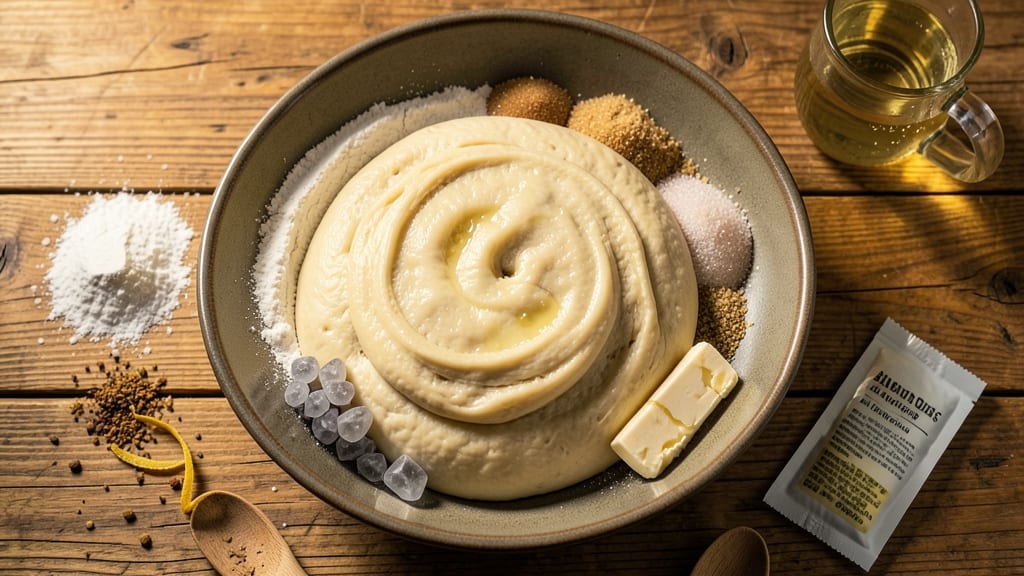
Amanda's best bread recipe delivers a hands-free, crusty loaf with that perfect tangy yeast depth you crave. The secret lies in a foolproof method that skips the kneading—no heavy lifting, just layers of flavor and texture that transform your kitchen into a bakery.
This recipe has been tested and refined to ensure a golden crust that crackles with every bite while maintaining a soft, airy interior.
The magic happens with a simple yet precise process: mixing, resting, shaping, and baking. No special equipment needed beyond a bowl and your oven—just patience as the dough develops its signature depth.
The yeast works its magic overnight, creating that unmistakable bread aroma that fills your home and makes every meal feel special.
By the time you pull that perfectly browned loaf from the oven, you'll have a bread so good it rivals artisanal bakery finds.
The crust is crisp and caramelized, while the interior remains tender and slightly chewy—a balance that makes this bread ideal for toast, sandwiches, or simply enjoying fresh out of the oven with butter.
Whether you're baking for a crowd or treating yourself to a homemade loaf, this recipe delivers restaurant-quality results without the fuss. The best part? You can prep everything ahead and let the dough do the work while you sleep. Let's get started on creating your new favorite loaf.
Ingredients for amanda's best bread
Nine simple ingredients transform your kitchen into a bakery with this foolproof crusty loaf.
| Ingredient | Amount | Notes |
|---|---|---|
| All-Purpose Flour 🌾 | 4 cups | Sifted for best texture |
| Active Dry Yeast 🍞 | 2 ¼ tsp | Freshly opened packet |
| Granulated Sugar 🍚 | 1 tbsp | For yeast activation |
| Unsalted Butter 🧈 | ½ cup | Cold, cubed for mixing |
| Warm Water 💧 | 1 ¼ cups | 105-115°F for yeast |
| Diamond Crystal Kosher Salt 🧂 | 1 ½ tsp | Adjust to taste |
| Extra-Virgin Olive Oil 🫒 | 1 tbsp | For dough shaping |
| Cornmeal 🌽 | 2 tbsp | For dusting baking sheet |
| Ice Water ❄️ | ¼ cup | For final dough shaping |
The flour is the backbone—King Arthur or Gold Medal brands make all the difference here. Yeast can be tricky, so check the expiration date and use it fresh. Warm water is key: too hot kills the yeast, too cold and it won't activate. I always keep a thermometer handy—105-115°F is perfect. The butter should be cold when mixed in, but not rock-hard. European-style butter like Plugrá gives that extra richness, but regular unsalted works too. For the salt, Diamond Crystal is my go-to—it dissolves better than table salt.
No yeast? Instant yeast works 1:1, but active dry is what this recipe was tested with. Short on butter? Olive oil at half the amount keeps it tender. The cornmeal is optional but helps with that perfect crust—Bob's Red Mill is my favorite brand. If you're gluten-sensitive, you can swap half the flour for white whole wheat, though texture will differ. For a tangier flavor, add 1 tsp lemon juice to the water. And if you're baking at high altitude, reduce the yeast by 1/4 tsp—trust me on this one.
This dough is all about patience. Let it rise overnight in the fridge for 8-12 hours—that's when the magic happens. Shape the loaf right before baking, then let it rest 30 minutes uncovered for that perfect rise. The crust gets best with a steam trick: boil water in a kettle, pour 1/2 cup into a baking tray, then bake. Keeps for 3 days wrapped at room temp, or 1 week frozen. Toast it fresh from the freezer—absolutely essential for that bakery feel!
Why You'll Love This Recipe
- No-Knead Nightmare Solved: I’ll admit, I used to dread bread-making—until this recipe. Just mix the flour, yeast, sugar, and a pat of butter with warm water, let it rise overnight, and boom. No stand mixer, no overworked arms, just a golden loaf that smells like a bakery.
- Butter-Soft Crust: That little cube of unsalted butter in the dough? It’s the MVP. The crust gets this perfect crispness while the inside stays tender—like biting into a warm hug. Honestly, my kids now ask for it just with butter, and I don’t even judge them.
- Weeknight Workhorse: Sandwiches? Toast? French toast? This bread handles it all. I make a double batch on Sundays, and it lasts me through Friday lunches—no sad, stale loaves here. Even my picky husband won’t complain.
- Pantry Staple, Wallet-Friendly: Five ingredients, all basics you already own. No fancy sourdough starters or specialty flours—just reliable, cheap stuff that delivers. I’ve made this on a $3 grocery run, and it still tastes like I spent hours on it. (Between us, I did spend hours perfecting it.)
Step-by-step instructions for amanda's perfect crusty loaf
Here's the method that delivers that signature tangy depth and irresistible crust—every single time.
Activate the Yeast for Maximum Flavor
In a small bowl, combine the 1.25 cups warm water (between 105-115°F) with the 1 tbsp granulated sugar and 2.25 tsp active dry yeast. Let it sit for 5-10 minutes until it becomes frothy and bubbly. This activation step is crucial—it ensures your yeast is alive and ready to work its magic in the dough.
I always test the water temperature first with my finger—it should feel pleasantly warm, like a warm bath, not hot. If it's too hot, you'll kill the yeast; if too cold, it won't activate properly. The bubbles tell you everything's ready to go. If no bubbles form after 10 minutes, your yeast might be dead—start over with fresh yeast.
Mix the Dough Until Just Combined
In the bowl of a stand mixer fitted with the dough hook attachment, combine the 4 cups all-purpose flour and 1.5 tsp diamond crystal kosher salt. Add the yeast mixture and mix on low speed for 2 minutes until just combined. The dough will look shaggy at this point, and that's exactly what we want.
Next, add the 0.5 cup cold unsalted butter (cut into small cubes) and the 1 tbsp extra-virgin olive oil. Mix on low speed for another 2 minutes until the butter is fully incorporated. The butter should be distributed evenly throughout the dough but still visible in small chunks—this creates those beautiful pockets of flavor during baking.
Knead Until Smooth and Elastic
Increase the mixer speed to medium and knead the dough for 5-7 minutes until it becomes smooth, elastic, and starts to pull away from the sides of the bowl. You'll know it's ready when you can perform the "windowpane test"—stretch a small piece of dough between your fingers until it's thin enough to see light through it without tearing.
This kneading step develops the gluten structure that gives your bread its chewy interior and crispy crust. Don't over-knead, though—once the dough passes the windowpane test, it's ready. If the dough feels too sticky to handle, add 1 tablespoon of flour at a time until it comes together smoothly.
First Rise for Maximum Flavor Development
Lightly grease a large bowl with olive oil and place the dough inside. Cover the bowl with a damp kitchen towel and let the dough rise in a warm place for 1-2 hours, or until it has doubled in size. This first rise allows the yeast to ferment and develop those complex, tangy flavors that make this bread so special.
I like to place my dough in a slightly warm oven with a bowl of hot water on the bottom shelf—this creates a perfect rising environment. The dough should spring back slowly when poked with a finger, and you'll see noticeable bubbles forming on the surface. Patience here pays off—rushing this step results in a less flavorful loaf.
Shape and Second Rise for Crispy Crust
Turn the dough out onto a lightly floured surface and gently shape it into a round loaf. To do this, pull the edges toward the center and tuck them under, rotating the dough as you go. Once shaped, place it seam-side down in a greased 9x5-inch loaf pan that's been sprinkled with 2 tbsp cornmeal.
Cover the pan with a damp towel and let the dough rise again for 30-45 minutes until it's just above the rim of the pan. This second rise is crucial for that beautiful oven spring and crispy crust. Preheat your oven to 375°F while the dough rises—you want the oven fully heated before baking begins.
Bake to Golden Perfection
Bake the loaf for 35-40 minutes until the top is deep golden brown and sounds hollow when tapped on the bottom. For extra crustiness, I like to brush the top with a little ice water right before baking—this creates steam and helps develop that beautiful crust.
Let the bread cool in the pan for 10 minutes before removing it to a wire rack to cool completely. This resting period allows the steam to escape and the interior to set properly. Slice into thick pieces to reveal that perfect open crumb structure and enjoy the tangy, buttery flavor that makes this bread truly special.
Pro Tips For Making Amanda'S Best Bread
- MEASURE WATER ACCURATELY: The yeast in this recipe is picky—use a thermometer to confirm your warm water is exactly 110°F (43°C). Too hot and you kill it; too cold and it won’t activate. I learned this the hard way when my dough took three hours to rise instead of 90 minutes.
- SALT THE DOUGH LAST: Sprinkle the salt after mixing the butter and sugar into the flour, not before. This prevents the butter from seizing up and turning into tiny clumps—trust me, you’ll taste the difference if you don’t.
- DON’T OVERKNEAD THE DOUGH: Once the gluten starts pulling away from the sides of your bowl, stop. Overworking it makes the bread dense and chewy. Aim for a smooth, slightly tacky texture—like Play-Doh that won’t stick to your fingers.
- USE COLD BUTTER FOR RICHER FLAVOR: Cut that unsalted butter into cubes and refrigerate them for 20 minutes before mixing. Cold butter creates pockets of steam during baking, giving you that perfect tender crumb—no one will guess you didn’t use expensive European-style butter.
Regional styles of this amanda's best bread
Southern Biscuit Twist
Transform this loaf into a Southern-style biscuit bread by replacing 1 cup of all-purpose flour with 1 cup of self-rising flour. Skip the yeast entirely and add 1 tbsp baking powder and ½ tsp baking soda to the dry ingredients.
Shape the dough into a thick, round loaf and bake at 375°F for 30-35 minutes—the result is a tender, flaky loaf perfect for cornbread-style dishes. 🌶️
French Baguette Adaptation
For a lighter, crunchier baguette-style loaf, reduce the butter to ¼ cup and add 1 tbsp honey to the yeast mixture. Shape the dough into a long oval and bake on a parchment-lined tray at 425°F for 20-25 minutes.
Brush the crust with melted butter after baking for extra shine. This version is ideal for garlic bread or dipping in olive oil. 🥖
Italian Ciabatta Version
Add ½ cup extra-virgin olive oil (instead of butter) and 1 tsp dried oregano to the dough. Shape it into a flat, irregular loaf with dimples pressed into the top.
Bake at 375°F for 30-35 minutes until the crust is deep golden and crisp. This ciabatta-style bread is perfect for dipping in balsamic vinegar or pairing with Italian charcuterie. 🍅
Sourdough-Inspired Loaf
Replace 1 cup of warm water with 1 cup active sourdough starter (fed and bubbly). Reduce the yeast to 1 tsp and let the dough ferment at room temperature for 4-6 hours before shaping.
Bake at 400°F for 35-40 minutes with a Dutch oven lid for the first 20 minutes to create a crispy, rustic crust. The tangy depth will remind you of artisanal sourdough. 🍞
Honey-Wheat Sweet Loaf
Swap 1 cup of all-purpose flour for white whole wheat flour and add 2 tbsp honeyg> to the yeast mixture. Shape the dough into a round loaf and bake at 350°F for 40-45 minutes.
Brush the warm loaf with melted butter and sprinkle with coarse sugar for a sweet, nutty loaf perfect for breakfast or dessert. 🍯
Nutrition facts
Frequently asked questions
Why does this recipe use cold butter instead of softened?
Cold butter creates smaller, even pockets in the dough that melt during baking, giving you that signature crisp crust while keeping the inside tender. If you use softened butter, the texture becomes too dense. Just cube it and keep it cold until mixing!
Can I make this bread without a stand mixer?
Mix the dough by hand in a large bowl until combined, then knead on a floured surface for 8-10 minutes until smooth. The windowpane test still applies—stretch a small piece until it's translucent. Patience is key for gluten development without a mixer.
What if my dough doesn't rise properly?
Check your yeast first—it must be fresh and activated properly (frothy in 5-10 minutes). If the kitchen is cold, place the dough near a warm spot or use the oven trick (light bulb or bowl of hot water). Never skip the first rise—this builds flavor and structure. If it still fails, try fresh yeast.
How do I get that perfect golden crust?
Preheat your oven to 375°F with a baking tray inside. Right before baking, brush the loaf with ice water—this creates steam for a crispier crust. For extra color, bake 5 minutes uncovered at 400°F after the initial 30 minutes. A baking stone or Dutch oven also helps!
Can I substitute honey for the sugar in the yeast mixture?
Yes! Replace the 1 tbsp granulated sugar with 1 tbsp honey for a subtle sweetness that enhances the yeast's activity. Honey also adds moisture, making the crust slightly softer. Just ensure your water is still 105-115°F—honey can raise the temperature.