
Side Dishes
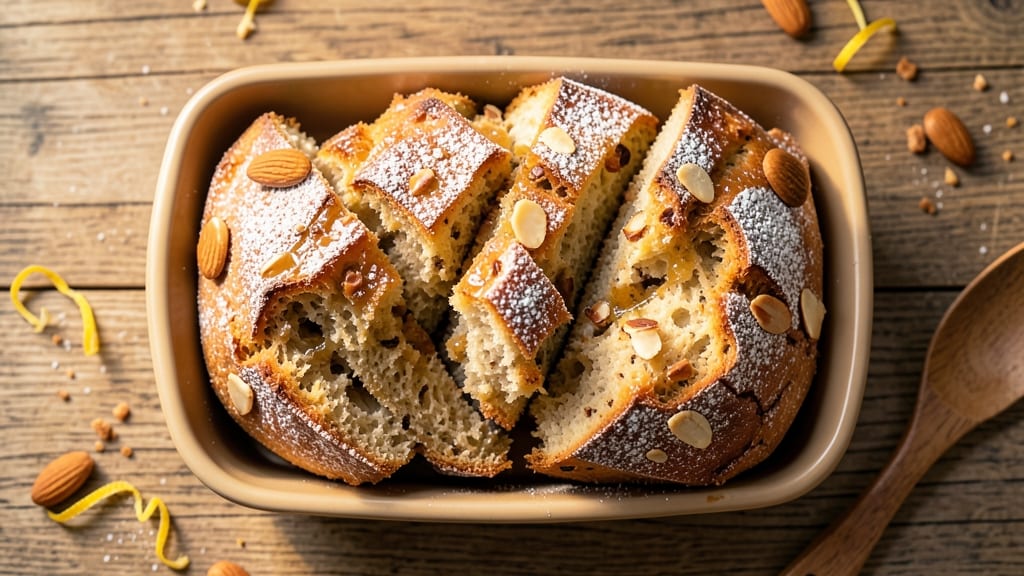
This amaretto bread recipe transforms simple dough into golden, nutty swirls with a crispy crown that smells like a bakery. The secret lies in swirling amaretto-infused butter into the dough—its vanilla-almond richness creates layers of flavor that bake into every bite.
I’ve perfected this recipe after years of experimenting, and it’s become a crowd-pleaser for breakfast or dessert.
The dough comes together with basic pantry staples—flour, yeast, butter, and eggs—but the amaretto elevates it to something extraordinary. Proofing the dough overnight in the fridge develops deeper flavor, while baking at 375°F for 30 minutes ensures a crackly crust and tender crumb.
The swirls of amaretto butter melt into the bread, leaving behind pockets of nutty sweetness.
By the time it emerges from the oven, you’ll have a loaf with a caramelized crown and fragrant swirls that pair perfectly with coffee, dessert wine, or even just butter.
The aroma alone will have everyone gathering around the table. This bread is proof that simple ingredients, when treated with care, can create something truly special.
Serve warm with powdered sugar dusted on top or a light glaze for extra shine. The versatility of this recipe makes it ideal for breakfast, brunch, or even as a sweet accompaniment to cheese plates. Let’s get baking!
Ingredients for amaretto bread
Pantry staples meet bakery magic—just 11 ingredients for golden swirls that taste like a café.
| Ingredient | Amount | Notes |
|---|---|---|
| All-Purpose Flour 🌾 | 4 cups | Sifted for even texture |
| Active Dry Yeast 🍞 | 2 ¼ tsp | Or 1 packet instant yeast |
| Granulated Sugar 🍚 | ¼ cup | For yeast activation |
| Unsalted Butter 🧈 | ½ cup | Cold, cubed for dough |
| Large Eggs 🥚 | 2 whole | Room temperature |
| Amaretto Liqueur 🍷 | ¼ cup | Plus 1 tbsp for butter |
| Almond Extract 🌰 | 1 tsp | Enhances nutty flavor |
| Salt 🧂 | 1 tsp | Kosher or sea salt |
| Milk 🥛 | ¼ cup | Warmed for yeast |
| Powdered Sugar 🍚 | ½ cup | For dusting or glaze |
| Cornmeal 🌽 | ¼ cup | For dusting loaf pan |
The amaretto is non-negotiable here—Disaronno is my go-to, but any quality brand works. Look for bottles with at least 25% alcohol for the best flavor. The butter should be cold and cubed when you start, but not rock-hard—Costco or Trader Joe's sell unsalted butter in bulk that’s perfect. For the flour, King Arthur or Gold Medal brands yield the best texture. If you’re using instant yeast, skip the sugar in the warm milk—it’s already activated.
No amaretto? Almond extract plus vanilla extract (1 tsp each) gets you close, though it won’t have the same depth. Running low on butter? Vegetable shortening works in a pinch, but the flavor won’t be as rich. The powdered sugar can be swapped for confectioners’ sugar if you prefer finer texture. For the dough, if your kitchen’s too warm, chill the shaped loaf in the fridge for 20-30 minutes before baking—this prevents overproofing and helps with that coveted crackly crust.
Shape the dough and let it proof overnight in the fridge for maximum flavor—up to 24 hours. The loaf keeps well wrapped at room temp for 2 days, or freeze slices for 3 months. For reheating, wrap cooled slices in foil and warm in a 350°F oven for 5-7 minutes. The swirls of amaretto butter stay moist for days, making this perfect for meal prep. Dust with powdered sugar right after baking while it’s still warm for that bakery-fresh look.
Why You'll Love This Recipe
- No-Knead Magic: I swear by this dough—just mix, let it rise, and boom. No stand mixer, no stress. The yeast does all the work while you sip your morning coffee.
- Almond Butter Bliss: That amaretto swirl? Rich, nutty, and just sweet enough. The butter keeps it tender, while the sugar caramelizes into golden pockets—like a dessert you’d actually eat for breakfast.
- Weeknight Hero: Slice it fresh for toast, pack it for lunches, or freeze slices for quick breakfasts. It’s my go-to when I’m too tired to bake but still crave something homemade.
- Budget-Friendly Luxury: Flour, yeast, and butter are pantry staples. A single batch feeds my family for days, and the leftovers? Even better the next day—if they last that long.
Step-by-step instructions for amaretto bread with nutty vanilla swirls
Here's how to create a perfectly textured loaf with aromatic swirls and a golden crust.
Activate the Yeast and Prepare the Dough Base
In a small bowl, combine the 0.25 cup warm milk (about 105-110°F) with the 0.25 cup granulated sugar and 2.25 tsp active dry yeast. Let this sit for 5-10 minutes until frothy—you'll see bubbles forming and a yeasty aroma. This confirms your yeast is alive and ready to work.
In a large mixing bowl, whisk together the 4 cups all-purpose flour and 1 tsp salt. Create a well in the center and pour in the yeast mixture, 2 whole large eggs, and 1 tsp almond extract. Using a wooden spoon, gently combine until a shaggy dough forms. The dough will be sticky at this stage, but that's normal.
Incorporate the Butter and Amaretto for Flavor
Cut the 0.5 cup unsalted butter into small cubes and add them to the dough. Using your hands or a dough scraper, work the butter into the dough until it's fully incorporated and the mixture becomes smoother. This step is crucial for that tender, slightly rich texture.
Add the 0.25 cup amaretto liqueur and mix it in thoroughly. The alcohol will evaporate during baking, leaving behind a warm, nutty aroma. If the dough feels too sticky, you can add 1-2 tablespoons of flour (though the recipe is designed to work with the given amounts). Cover the bowl with a damp towel and let it rest for 10 minutes at room temperature.
Knead the Dough Until Smooth and Elastic
Lightly flour a clean surface and turn out the dough. Knead it for 8-10 minutes by hand (or 5-6 minutes in a stand mixer with a dough hook) until it becomes smooth, elastic, and slightly springy. You'll know it's ready when it passes the "windowpane test"—stretch a small piece of dough thin enough to see light through it without tearing.
Shape the dough into a ball, place it back in the bowl, and cover it again with the damp towel. Let it rise in a warm place (like a turned-off oven with a bowl of hot water) for 1-1.5 hours, or until it has roughly doubled in size. The dough should feel light and airy when pressed gently with a finger.
Prepare the Swirl Dough and Shape the Loaf
While the dough rises, prepare the swirl mixture by combining 0.5 cup powdered sugar, 1 tbsp amaretto liqueur, and 1 tsp almond extract in a small bowl. Roll out the risen dough on a lightly floured surface into a 12x16-inch rectangle (about ½-inch thick). Spread the swirl mixture evenly over the dough, leaving a ½-inch border around the edges.
Starting from the long side, tightly roll the dough into a log, sealing the seam on the bottom. Pinch the ends to prevent unraveling. Place the loaf seam-side down in a 9x5-inch loaf pan that has been lightly greased and dusted with 0.25 cup cornmeal. This prevents sticking and gives the bread a crispy bottom crust.
Proof, Bake, and Achieve the Perfect Crust
Cover the loaf pan with a damp towel and let it rise for another 45-60 minutes until it has risen about 1 inch above the pan. Preheat your oven to 375°F and place a baking sheet on the lower rack. This helps create steam for a better rise.
Bake the loaf for 35-40 minutes until it's golden brown and sounds hollow when tapped on the bottom. If the top browns too quickly, tent it loosely with aluminum foil. For extra shine and crunch, brush the top with an additional 1 tbsp amaretto liqueur after 20 minutes of baking.
Remove the bread from the oven and let it cool in the pan for 10 minutes before transferring it to a wire rack to cool completely. The internal temperature should read 190-200°F when done. Slice while still slightly warm for the best texture and flavor.
Pro Tips For Making Amaretto Bread
- Bloom the Yeast First: Skip mixing yeast directly into flour—it’s a waste of time and weakens the rise. Instead, proof it in warm milk (or water) with a pinch of sugar for 5-10 minutes until frothy. This guarantees your bread won’t turn out dense or flat, especially since amaretto’s alcohol can slow yeast activity.
- Soften Butter Properly: Cold butter from the fridge? Nope. You want it soft but not greasy—press it with your fingers and it should hold a faint indent. Over-soft butter melts into the dough, making it gummy, while cold lumps won’t incorporate smoothly. Room temp is key, and 30 minutes at room temperature usually does the trick.
- Don’t Overmix the Dough: I learned this the hard way—kneading amaretto bread dough until it’s silky smooth is a mistake. Overworking it develops too much gluten, which can make the texture tough. Mix just until the ingredients combine, then do a quick 3-4 minute hand-knead. The dough should be tacky but not sticky.
- Use Room-Temp Eggs: Cold eggs? They’ll sink in the dough like rocks and slow the yeast. Crack them into a bowl first, let them sit for 10 minutes, and stir them into the warm dough. This keeps the mixture consistent and helps the yeast wake up faster—critical for a light, airy crumb.
Best sauces and condiments for these flavors
Amaretto Glaze
Elevate your bread with a simple amaretto glaze made by whisking together ½ cup powdered sugar with 2 tbsp amaretto liqueur and 1 tbsp heavy cream. Brush this glossy finish over the warm loaf right after baking for a bakery-style shine.
The glaze caramelizes slightly, adding another layer of nutty sweetness that complements the swirls inside. 💛
Vanilla Bean Butter
Swap the amaretto butter for a vanilla bean butter variation by mixing ½ cup softened unsalted butter with 1 tbsp vanilla extract and 1 tsp almond extract. Spread this fragrant mixture over the rolled dough before baking for a similar swirl effect, but with a creamier, vanilla-forward flavor.
This works beautifully if you prefer a subtler nutty profile.
Honey-Lemon Drizzle
Cut through the richness of the amaretto bread with a honey-lemon drizzle. Combine ¼ cup honey with 1 tbsp fresh lemon juice and 1 tsp grated lemon zest, then drizzle over slices before serving.
The bright acidity balances the sweetness, making it perfect for breakfast or dessert. Store the drizzle in an airtight container in the fridge for up to 1 week.
Caramelized Almond Topping
For a crunchy contrast, sprinkle toasted sliced almonds over the loaf before baking. First, caramelize ½ cup sliced almonds in a dry pan over medium heat for 3-4 minutes until golden.
Let them cool, then scatter them evenly over the loaf before baking. The nuts add texture and a nutty crunch that pairs perfectly with the soft, swirled interior.
Whipped Cream Cheese Frosting
Turn your bread into a decadent dessert by spreading a layer of whipped cream cheese frosting between slices. Mix 4 oz cream cheese softened with 2 tbsp powdered sugar and 1 tsp amaretto liqueur until smooth.
Spread this light, tangy frosting on sandwiches for a luxurious twist. This works especially well for brunch or coffee pairings.
Spiced Rum Reduction
For a boozy twist, simmer ¼ cup dark rum with 2 tbsp brown sugar and 1 cinnamon stick in a small saucepan until reduced by half. Strain and drizzle over warm slices of bread.
The warm spices and rum enhance the amaretto’s nutty depth, making this ideal for serving with coffee or dessert wine. Store the reduction in the fridge for up to 2 weeks.
Nutrition facts
Frequently asked questions
Can I substitute amaretto liqueur with something else?
Yes! If you don't have amaretto, use 1 tsp almond extract plus 1 tsp vanilla extract for a similar nutty flavor. For a boozy alternative, try 1 tbsp orange liqueur or even 1 tbsp honey mixed with ½ tsp almond extract. The alcohol in amaretto evaporates during baking, so don't worry about overpowering the bread.
Why does my amaretto bread turn out dense instead of light?
Dense bread usually means the yeast didn't activate properly or the dough didn't rise enough. Make sure your yeast is fresh (test it in warm milk first) and your oven is at 375°F. Also, don't skip the proofing time—let the dough rise until it doubles in size. Cold weather? Place your bowl near a warm spot (like a turned-off oven with a bowl of hot water).
How long can I keep this bread fresh?
This bread stays fresh for 2-3 days at room temperature wrapped in plastic or in an airtight container. For longer storage, freeze slices for up to 3 months. To reheat, wrap slices in foil and warm in a 350°F oven for 5-7 minutes—the swirls stay moist and delicious!
Can I make this bread without a stand mixer?
This recipe is perfect for hand-kneading. Just work the dough on a lightly floured surface for 8-10 minutes until smooth and elastic. The windowpane test (stretching a small piece thin enough to see light through) helps determine when it's ready. A little extra elbow grease makes all the difference for that perfect texture.
What's the best way to serve this bread?
This bread shines with coffee or dessert wine, but it's also perfect for breakfast with butter or jam. For extra flair, dust warm slices with powdered sugar or drizzle with honey-lemon syrup. It's so versatile—try it as a dessert with whipped cream or as a sweet side for cheese plates. The nutty flavor pairs beautifully with rich, creamy toppings!