
Desserts
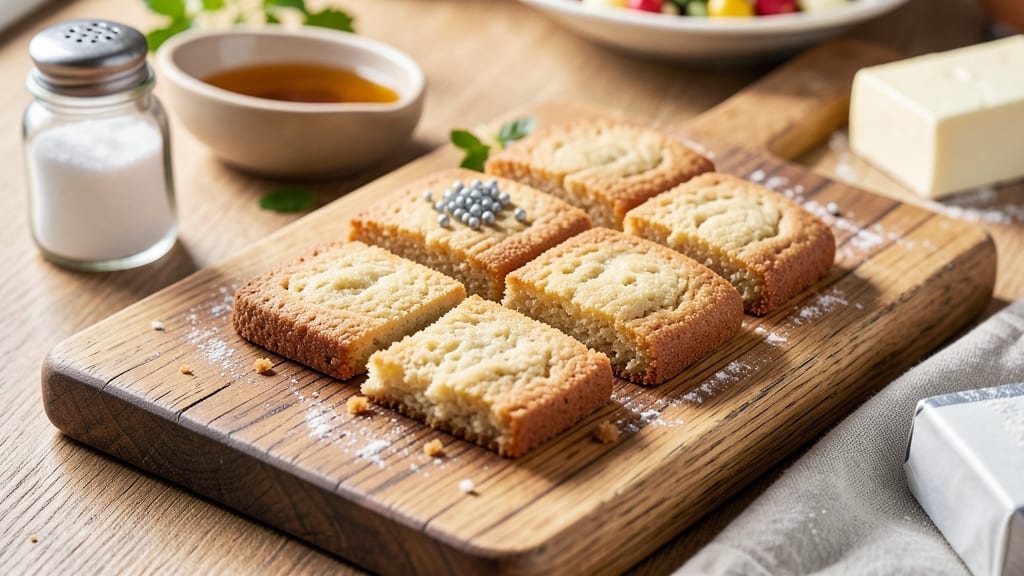
This amazing shortbread cookie recipe delivers the perfect balance of buttery crunch and vanilla sweetness that’ll have you making batches for holidays and everyday treats. The secret lies in cold butter and proper chilling—trust me, it makes all the difference.
I’ve perfected this recipe over years of baking, and it’s become a crowd-pleaser at every gathering.
What sets these shortbread cookies apart is their tender yet crisp texture, achieved by creaming butter and sugar until light and fluffy. The dough rests in the fridge for at least an hour (don’t skip this step!), which prevents cracking and ensures even baking.
With just five ingredients—flour, butter, sugar, vanilla, and a pinch of salt—you’ll end up with cookies that taste like a buttery hug in every bite.
By the time they emerge from the oven, your kitchen will smell like pure comfort, and the cookies will have those signature golden edges and a melt-in-your-mouth center.
The best part? They’re foolproof for beginners—no fancy techniques required. Whether you cut them into classic rounds or fancy shapes, these cookies are guaranteed to impress.
For extra flair, try adding a sprinkle of flaky salt on top before baking or rolling the dough in cinnamon sugar for a twist. Store them in an airtight container for up to a week, though they rarely last that long. Let’s get baking!
Ingredients for amazing shortbread cookie
Five simple ingredients transform into melt-in-your-mouth shortbread cookies with perfect buttery crunch.
| Ingredient | Amount | Notes |
|---|---|---|
| Unsalted Butter 🧈 | 1 cup | Cold, cut into cubes |
| Granulated Sugar 🍚 | ½ cup | Superfine preferred |
| All-Purpose Flour 🌾 | 2 cups | Sifted for light texture |
| Pure Vanilla Extract 🍯 | 1 tsp | High-quality preferred |
| Fine Sea Salt 🧂 | ½ tsp | Kosher or flaky |
The butter is non-negotiable—cold cubes from the fridge create that signature crumbly texture. European-style butter like Plugrá or Land O’Lakes works best, but any unsalted will do. I always buy extra because it keeps forever in the freezer. The sugar? Superfine sugar dissolves faster, but regular granulated works if you pulse it in a food processor. Flour matters too—King Arthur or Gold Medal are my go-tos. They’re sifted for lightness, so don’t skip that step.
No vanilla extract? Vanilla sugar or a scraped vanilla bean adds depth. Short on butter? Coconut oil works in a pinch, but the flavor’s different. The salt is where you can get fancy—Maldon flaky salt sprinkled on top before baking adds a gourmet touch. For extra richness, swap half the flour for almond flour. And if you’re feeling adventurous, roll the dough in cinnamon sugar for a twist.
This dough needs at least 1 hour in the fridge to firm up—don’t rush it! Shape the cookies just before baking for perfect rounds. They keep in an airtight container for 5-7 days at room temp, though they’ll vanish faster. For long-term storage, freeze the dough balls and bake straight from frozen—just add 2 minutes to the time. The aroma alone makes your kitchen feel like a holiday bakery.
Why You'll Love This Recipe
- Five-Ingredient Magic: I swear by this—just butter, sugar, flour, vanilla, and a pinch of salt. That’s it. No fuss, no extra bowls, no stressing over measurements that’ll ruin your day.
- Buttery Bliss: The moment those edges turn golden? Pure happiness. Cold butter creates that signature crumbly texture, while the sugar keeps them tender inside—like biting into a cloud with a crisp hug.
- Holiday or Snack Attack: Dress them up with citrus zest for tea time or dip in chocolate for gifting. They’re my go-to for potlucks, teacher gifts, or when I just need a cookie at 3 PM.
- No-Waste Winner: A batch lasts me days—stash extras in the freezer, thaw in minutes, and no one will guess they’re reheated. Plus, butter and flour are pantry staples, so it’s cheap to keep making.
Step-by-step instructions for perfect shortbread cookies
Let's create buttery, crumbly shortbread cookies that melt in your mouth every time.
Cut the Cold Butter into Cubes
Take the 1 cup unsalted butter from the refrigerator and cut it into ½-inch cubes using a sharp chef's knife. Don't skip this step—the cold butter is essential for achieving that signature shortbread texture. Place the cubes in the freezer for 5 minutes to ensure they stay firm during mixing.
Here's the thing—if your butter gets too soft, you'll end up with cookies that spread too much and lose their signature crumbly texture. I like to work quickly once the butter is out of the freezer, so have all your ingredients measured and ready before you start.
Cream Butter and Sugar Together
In a stand mixer fitted with the paddle attachment, combine the cold butter cubes and ½ cup granulated sugar. Mix on medium speed for 2-3 minutes until the mixture becomes light and fluffy. You'll see the butter soften slightly but still maintain its shape—this is perfect.
This creaming process incorporates air into the butter, which creates that beautiful, open crumb structure. If your mixture looks too wet or doesn't lighten in color, your butter might be too warm. In that case, chill it for another 5 minutes before continuing.
Add Vanilla and Salt
Once the butter and sugar are well combined, add the 1 teaspoon pure vanilla extract and ½ teaspoon fine sea salt. Mix on low speed for 30 seconds until just incorporated. The vanilla will add depth of flavor, while the salt enhances all the other ingredients.
I always use high-quality vanilla extract here—it makes a noticeable difference in the final product. The salt might seem like a small amount, but it's crucial for balancing the sweetness and bringing out the buttery flavor. Don't skip it, even if you're not a huge salt fan.
Gradually Add the Flour
With the mixer running on low speed, gradually add the 2 cups all-purpose flour through the feeder tube or by hand. Mix just until the dough comes together—it should form a soft, slightly crumbly mass that holds together when pressed. Be careful not to overmix, as this can develop gluten and make your cookies tougher.
If your dough seems too dry, you can add 1-2 teaspoons of ice water to help it bind. The dough should be easy to handle but not sticky. Once combined, divide the dough into 4 equal portions and flatten each into a ½-inch thick disc. Wrap each disc tightly in plastic wrap and refrigerate for at least 1 hour (or up to 24 hours).
Bake to Golden Perfection
Preheat your oven to 325°F and line a baking sheet with parchment paper. Remove one disc of dough from the refrigerator and roll it out on a lightly floured surface to ¼-inch thickness. Use a 3-inch round cutter to cut out cookies, then transfer them to the prepared baking sheet, leaving 1 inch of space between each cookie.
Bake for 18-22 minutes until the edges are light golden brown and the centers look slightly underbaked. They'll continue cooking on the baking sheet after you remove them from the oven. Let the cookies cool on the baking sheet for 5 minutes before transferring to a wire rack to cool completely.
Here's the secret to amazing shortbread: serve them at room temperature. The butter needs time to set properly, and that's when you'll get the perfect balance of buttery crunch and melt-in-your-mouth texture. Store any leftovers in an airtight container for up to 5 days—if they last that long!
Pro Tips For Making Amazing Shortbread Cookie
- Use Cold Butter Straight: Cut that unsalted butter straight from the fridge—no softening needed. I learned this the hard way after overworking warm butter into a greasy mess that wouldn’t hold its shape.
- Weigh Your Flour Like a Pro: Scooping flour from the bag packs in air, and shortbread won’t rise properly. Spoon it into a scale, then level it off with a knife—this keeps your cookies tender and consistent.
- Skip the Overmixing: Mix just until the dough comes together—no more. Every extra turn makes gluten, and you’ll end up with tough, dense cookies instead of the melt-in-your-mouth texture you want.
- Salt the Dough Twice: Add half the salt to the dry ingredients, then sprinkle the rest over the butter before mixing. This balances flavor without making the dough taste harsh, and it’s the thing that makes shortbread truly sing.
Storing and reheating this recipe
Room Temperature Storage
Shortbread cookies stay fresh at room temperature for up to 5-7 days when stored in an airtight container with a silicone lid or parchment-lined tin. I use a Ceramic Storage Container from Le Creuset—it keeps them crisp and prevents sogginess.
Place cookies on a single layer with parchment between layers if stacking. 🧈
For extra protection, add a small packet of silica gel (like those in shoeboxes) to absorb moisture. If you notice any softening, return them to the oven at 300°F for 3-5 minutes to refresh. Trust me, they’ll taste just as good as fresh!
Freezing Fresh Cookies
Freeze freshly baked cookies for up to 3 months in a single layer on a baking sheet before transferring to a freezer bag. Label with the date—this prevents freezer burn.
When ready to enjoy, thaw at room temperature for 1-2 hours or warm in the oven at 300°F for 5 minutes to restore crispness. 🧊
Pro tip: Freeze dough balls instead of baked cookies for even better texture. Shape into balls, freeze on a tray, then transfer to a bag. Bake straight from frozen, adding 2-3 extra minutes to the time.
Reheating Perfection
Reheat in the oven for the best results: place cookies on a baking sheet at 300°F for 3-5 minutes until edges are golden. For microwave reheating, use 10-second bursts on low power, then check—microwaves can turn shortbread rubbery.
A quick toast in a dry skillet over low heat also works beautifully. ✨
Never reheat in the air fryer—it’ll dry them out completely. If you’re in a rush, a 5-second blast in the toaster (just until edges crisp) is a sneaky shortcut. The goal is to restore that buttery crunch without melting the centers!
Dough Storage Secrets
Unbaked dough keeps for up to 2 days in the fridge or 3 months in the freezer. Wrap tightly in plastic wrap, then place in a resealable bag to prevent air exposure. For freezing, shape into discs, wrap individually, and label. Thaw in the fridge overnight before rolling. 📅
I swear by this method: freeze dough discs, then bake straight from frozen. No thawing needed—just add 3-4 extra minutes to the baking time. The texture stays perfect, and you’ll save time on busy days!
Nutrition facts
Frequently asked questions
Why does my shortbread dough crack when rolling?
This happens when the dough isn't chilled enough before rolling. Always refrigerate the dough discs for at least 1 hour—the colder butter creates a more stable structure. If it cracks anyway, try rolling slightly thicker (¼-inch) and bake for 1-2 extra minutes. The cracks will disappear once baked!
Can I make these cookies without a stand mixer?
Use two bowls: cut the cold butter into flour in a large bowl, then mix with a fork or your fingers until crumbly. Add sugar and vanilla, then work the flour in with a pastry cutter or your hands. The dough will be slightly more rustic but just as delicious. Just don't overwork it!
What shapes can I cut shortbread cookies into?
Classic rounds are foolproof, but you can get creative! Try holiday shapes (hearts, stars), festive cutters (Christmas trees), or even use a glass to make rustic circles. For intricate designs, roll the dough ⅛-inch thick and bake for 16-18 minutes—thinner dough bakes faster and holds detail better.
How do I prevent my shortbread from spreading too much?
Cold butter is key—keep everything refrigerated until ready to roll. Also, use a 3-inch cutter and press straight down without twisting. For extra insurance, chill the baking sheet for 10 minutes before adding cookies. If they still spread, your butter might be too soft—try chilling the dough discs longer next time.
Can I add mix-ins like chocolate chips or nuts?
Shortbread traditionally uses just butter, sugar, and flour, but you can add 50% of the flour as chopped nuts (toasted pecans or hazelnuts work best) or white chocolate chunks. Fold them in gently after mixing the dough—don't overmix or the texture will suffer. For a classic twist, sprinkle flaky salt on top before baking.