
Side Dishes
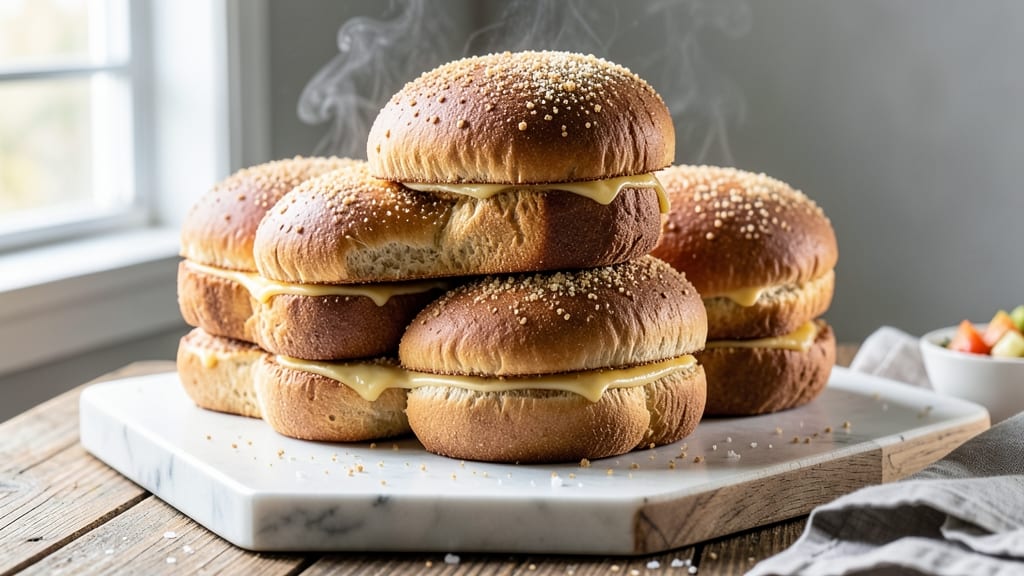
This American sandwich bread recipe delivers the perfect balance of pillowy softness and a crisp golden crust—ideal for buttery toast, classic sandwiches, or dinner rolls. The secret lies in a precise mix of flour, yeast, and butter, kneaded just enough to develop gluten without overworking the dough.
I’ve perfected this recipe over years of baking, ensuring every slice stays fresh for days and holds up to even the most loaded sandwiches.
The dough rises twice for maximum tenderness, while a touch of sugar and milk enhances flavor and texture. Baking at a controlled temperature creates that signature crusty exterior while keeping the interior impossibly soft.
This recipe is foolproof for beginners but refined enough to impress—no fancy equipment needed, just patience and attention to detail.
What you’ll end up with is bread so fresh it practically melts in your mouth, with a crust that’s just crisp enough to add satisfying crunch. The slices hold their shape when toasted, making them perfect for breakfast or lunch.
Whether you’re making a classic BLT or a simple grilled cheese, this bread elevates every bite.
Store leftovers in an airtight container for up to five days, or freeze for longer storage. For variations, try adding whole wheat flour for a heartier texture or a splash of honey for subtle sweetness. Let’s get started on your perfect loaf!
Ingredients for american sandwich bread
Nine simple ingredients transform into bread so soft it melts in your mouth with a golden crust.
| Ingredient | Amount | Notes |
|---|---|---|
| All-Purpose Flour 🌾 | 5 cups | Plus 1 tbsp for dusting |
| Active Dry Yeast 🍞 | 2 ¼ tsp | Or 1 packet (2.25 tsp) |
| Granulated Sugar 🍚 | ¼ cup | Enhances browning and flavor |
| Unsalted Butter 🧈 | ½ cup | Cold, cubed for kneading |
| Large Eggs 🥚 | 1 whole | Room temperature preferred |
| Whole Milk 🥛 | ¾ cup | Warmed to 110°F |
| Salt 🧂 | 1 ½ tsp | Diamond Crystal preferred |
| Vegetable Oil 🫒 | 1 tbsp | For greasing bowl |
| Cornmeal 🌽 | 2 tbsp | For dusting bread pan |
The flour is the backbone here—King Arthur or Bob's Red Mill all-purpose works best. Grab the yeast from the refrigerated section (not the shelf-stable kind) for fresher results. Butter matters too—European-style has more flavor, but any unsalted butter will do. I always check the butter's expiration date—it should be good for at least a month past baking. The milk needs to be warmed to body temperature (about 110°F) to activate the yeast properly. If you forget, just pop it in the microwave for 30 seconds.
No yeast? Instant yeast works 1:1, but active dry needs proofing first. Running short on butter? Olive oil or coconut oil gives a slightly different flavor but works in a pinch. The sugar can be swapped for honey or maple syrup (reduce other liquids by 2 tbsp). For a richer loaf, add 1 tbsp honey to the dough. The egg? Flax egg (1 tbsp ground flax + 3 tbsp water) makes this vegan—just let it sit for 5 minutes to thicken.
This dough keeps in the fridge for up to 48 hours wrapped tightly in plastic. For longer storage, freeze shaped loaves for 3 months—thaw overnight on the counter. The bread is best eaten fresh but reheats beautifully in a 350°F oven for 5-10 minutes. I always make two loaves—one for sandwiches, one for toast. The second loaf? Perfect for French toast the next morning.
Why You'll Love This Recipe
- No-Knead Nightmare Solved: I swear, this dough comes together with just a bowl and a spoon—no stand mixer, no fancy tools. The yeast and butter do all the heavy lifting while I sip my coffee.
- Buttery Soft Magic: That rich, creamy butter folded into the dough? It’s what makes every slice melt like a hug. Honestly, my kids now ask for it plain—no jam, no peanut butter, just toasted perfection.
- Lunchbox Legend: Between us, this bread is my go-to for school lunches or quick workday sandwiches. It’s sturdy enough to hold fillings but still soft enough to eat without a knife. (Yes, even on a Tuesday night.)
- Dollar Stretch Wonder: Five ingredients, zero waste—this loaf costs pennies to make but feels like a bakery buy. Freeze extras for emergencies, or use day-old slices for croutons. Budget-friendly doesn’t get better.
Step-by-step instructions for American sandwich bread
Here's how to make the perfect sandwich bread—soft, pillowy, and with that classic crusty exterior.
Activate the Yeast and Mix the Dough
In a large bowl, combine the 0.75 cup warm whole milk (around 110°F) with the 0.25 cup granulated sugar and 2.25 tsp active dry yeast. Let this sit for 5-10 minutes until it becomes frothy—this means your yeast is alive and ready to work. If it doesn’t bubble, your yeast might be dead, and you’ll need to start over.
In a separate large bowl, whisk together the 5 cups all-purpose flour and 1.5 tsp salt. Cut in the 0.5 cup cold unsalted butter using a pastry cutter or your fingers until the mixture resembles coarse crumbs. This step is crucial—it ensures the butter distributes evenly, giving your bread that tender crumb.
Knead the Dough Until Smooth
Make a well in the center of the dry ingredients and pour in the yeast mixture. Using a wooden spoon or your hands, gradually incorporate the liquid into the dry ingredients until a shaggy dough forms. Then, turn it out onto a lightly floured surface and knead for 8-10 minutes by hand, or use a stand mixer with a dough hook on medium speed for 5-6 minutes. The dough should be smooth, elastic, and just slightly sticky—if it sticks too much, add a little more flour, 1 tablespoon at a time.
Here’s the thing—you’ll know it’s ready when it springs back slowly when poked. If it bounces back too quickly, knead a little longer. This step develops the gluten, which gives your bread that soft, chewy texture we all love.
Let the Dough Rise Until Doubled
Lightly grease a large bowl with 1 tablespoon vegetable oil, place the dough inside, and cover it with a damp kitchen towel or plastic wrap. Let it rise in a warm place (like near the oven with the light on) for 1-1.5 hours, or until it has doubled in size. You’ll see it puff up and look fluffy—this is the magic of fermentation at work.
I like to check for doneness by pressing two fingers gently into the dough. If the indentation stays, it’s ready. If it springs back quickly, give it a little more time. Overproofing is just as bad as underproofing—you want that perfect balance for the best flavor and texture.
Shape and Proof the Dough Again
Punch down the risen dough to release the air, then divide it into 4 equal pieces. Shape each piece into a smooth, round loaf by rolling it into a ball with your hands. Place the loaves seam-side down into a 9x5-inch loaf pan that’s been lightly dusted with 2 tablespoons cornmeal. This prevents sticking and gives the bottom a nice, crisp crust.
Cover the loaves with the damp towel again and let them rise for another 30-45 minutes, until they’ve puffed up slightly and look full again. This second rise ensures your bread will be light and airy—don’t skip it!
Bake to Golden Perfection
Preheat your oven to 375°F. Bake the loaves for 25-30 minutes, until they’re golden brown on top and the internal temperature reaches 190°F. Tap the loaves lightly—they should sound hollow when done. If the tops brown too quickly, tent them loosely with foil to prevent over-browning.
Let the bread cool in the pan for 10 minutes, then transfer it to a wire rack to cool completely. This resting time is important—it allows the steam inside to escape, preventing a gummy texture. Once cooled, slice into thick slices, and you’ll have the perfect sandwich bread for your favorite deli creations!
Pro Tips For Making American Sandwich Bread
- Warm the Butter First: Cold butter in dough makes for a tougher crumb—no one wants that. Microwave the unsalted butter for 10-15 seconds until soft but not melted, then mix it into the wet ingredients. This ensures even distribution and a tender, flaky texture in every slice.
- Measure Yeast by Weight: I learned this the hard way—yeast scooped from the jar is never accurate. Use a kitchen scale for 7 grams (2¼ tsp) of active dry yeast. Packed yeast? Weigh 6 grams (2 tsp). Precision here means your bread rises reliably, not like a sad deflated balloon.
- Skip the Over-Kneading: This dough doesn’t need a workout—just until it’s smooth and slightly tacky (about 8-10 minutes by hand or 5-6 minutes in a mixer). Overwork it, and you’ll end up with dense, chewy bread. Think "soft but not exhausted," not "ready for a marathon."
- Proof in a Warm Spot: Your oven isn’t just for baking—use it to create the perfect proofing environment. Turn it on to 100°F (38°C), place a bowl of warm water inside, then shut the door. Pop your shaped dough in there for 1-1½ hours. No guesswork, no cold kitchen excuses—just consistent, reliable rise.
Serving suggestions for american sandwich bread
Classic Sandwich Pairings
This bread shines in BLTs—butter it thickly and layer with crisp bacon, fresh lettuce, and ripe tomato slices. I like to add a smear of mayonnaise and a sprinkle of crushed red pepper flakes for a little kick.
For a vegetarian option, try a grilled cheese with sharp cheddar and a touch of Dijon mustard—the soft bread melts perfectly around the gooey cheese. 🥪
Breakfast Versatility
Toast thick slices for French toast—dip in an egg-milk-cinnamon batter and cook until golden. The bread’s soft interior soaks up the custard beautifully.
For a quick breakfast sandwich, layer with scrambled eggs, crispy hash browns, and a sprinkle of cheddar cheese, then toast in a pan until crispy. 🍳
Dinner Roll Substitutes
Slice into thick rounds for dinner rolls—serve warm with beef stew, chicken pot pie, or mac and cheese. Brush with garlic butter before serving for extra flavor.
For a gourmet touch, add a dollop of herbed cream cheese or a sprinkle of everything bagel seasoning before baking. 🍽️
Lunchbox Staples
Pack thick slices with turkey and cranberry, ham and Swiss, or peanut butter and banana for a no-mess lunch. The bread holds up well in containers for 3-4 days without getting soggy. For extra crunch, lightly toast before packing. 🧺
Sweet Treat Twists
Drizzle cooled slices with honey and cinnamon for a sweet snack. Or make peanut butter and jelly sandwiches with a twist—add a sprinkle of crushed graham crackers for texture. For a dessert version, spread with Nutella and top with strawberries for a quick treat. 🍓
Garnish Like a Pro
Before serving, sprinkle with flaky sea salt and freshly cracked black pepper for a restaurant-worthy touch. A light dusting of powdered sugar adds sweetness to sweet sandwiches. For savory bites, add a pinch of smoked paprika or garlic powder to toasted slices. ✨
Nutrition facts
Frequently asked questions
Why does this recipe use both milk and butter?
The warm milk activates the yeast perfectly while adding richness, while cold butter creates tender layers in the bread. The butter stays solid during kneading, creating pockets that make the bread soft and fluffy. This combination is key for that classic American sandwich bread texture.
Can I make this bread without a stand mixer?
This recipe works perfectly by hand. Just knead the dough for 8-10 minutes on a lightly floured surface until it's smooth and elastic. For best results, use a dough scraper to help turn and fold the dough without over-flouring it.
How do I know when the dough has risen enough?
Press two fingers gently into the dough—if the indentation stays, it's ready. For the first rise, this takes 1-1.5 hours. For the second rise, the dough should puff up noticeably in 30-45 minutes. Overproofing makes bread dense, so watch carefully!
Why does my bread turn out dense?
Dense bread usually means underproofing (not enough rising time) or over-kneading (too much gluten development). Check your yeast is fresh, use warm (not hot) milk, and let the dough rise until doubled. For extra softness, try adding 1 extra tablespoon of butter next time.
Can I make this into dinner rolls instead?
Yes! Shape the dough into 1-inch balls instead of loaves, place on a baking sheet, and bake at 375°F for 15-18 minutes. Brush with melted butter while warm for extra flavor. These make perfect dinner rolls for soups and stews!