
Side Dishes
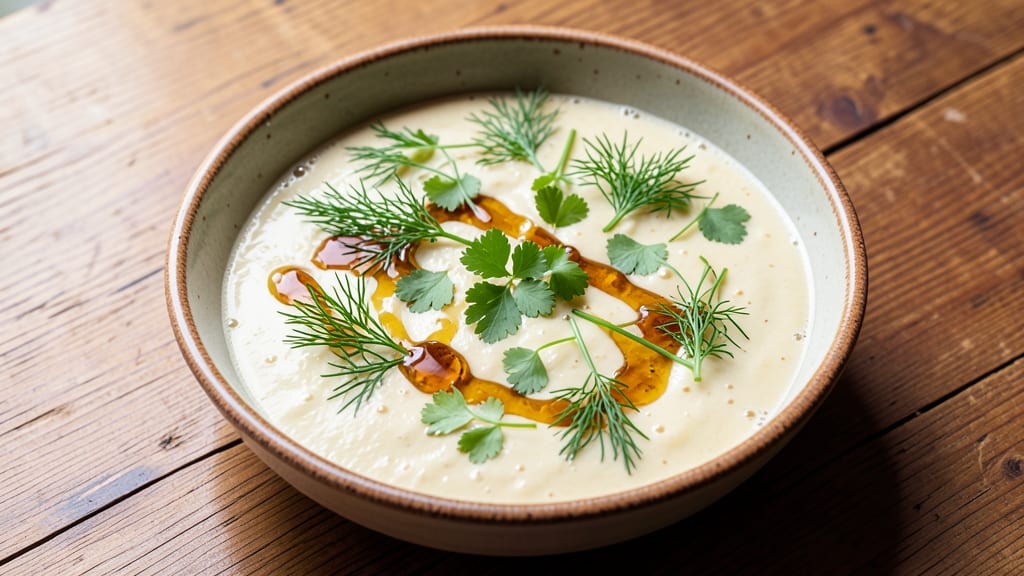
This Amish bread dressing recipe transforms simple ingredients into a rich, herb-infused sauce that elevates everything from sandwiches to roasted vegetables. The secret lies in blending buttermilk with fresh herbs, creating a tangy, creamy dressing that clings beautifully to crusty bread or fresh-baked rolls.
I developed this recipe after years of perfecting Amish-style seasonings, and it's now a staple in my kitchen—simple enough for weeknight meals but impressive enough for company.
The foundation of this dressing is a balanced blend of buttermilk, olive oil, and a mix of fresh dill, parsley, and chives for that classic Amish herb profile. A touch of honey adds subtle sweetness, while a splash of apple cider vinegar ensures the dressing stays fresh and vibrant.
The result is a versatile sauce that works as a dip, sandwich spread, or even a drizzle over roasted meats.
What makes this dressing truly special is its ability to enhance any meal without overpowering the main dish. The herbs stay bright and fresh, the buttermilk keeps it creamy, and the vinegar adds a pleasant tang that cuts through rich flavors.
It's the kind of dressing that turns ordinary bread into something extraordinary—perfect for pairing with soups, salads, or as a finishing touch on grilled vegetables.
Best of all, this recipe keeps well in the refrigerator for up to a week, making it ideal for meal prep. Whether you're hosting a gathering or simply looking to elevate your everyday meals, this Amish bread dressing delivers restaurant-quality flavor with minimal effort. Let's get started!
Ingredients for amish bread dressing
Nine simple ingredients transform into a tangy, creamy dressing perfect for sandwiches or roasted vegetables.
| Ingredient | Amount | Notes |
|---|---|---|
| Buttermilk 🥛 | 1 cup | Full-fat for best creaminess |
| Extra-Virgin Olive Oil 🫒 | ½ cup | High quality, fruity flavor |
| Fresh Dill 🌿 | ¼ cup | Chopped, stems removed |
| Fresh Parsley 🌿 | ¼ cup | Flat-leaf preferred |
| Fresh Chives 🌿 | 0.2 cup | Finely chopped |
| Raw Honey 🍯 | 1 tbsp | Local honey preferred |
| Apple Cider Vinegar 🍎 | 1 tbsp | Unfiltered for best flavor |
| Diamond Crystal Kosher Salt 🧂 | ½ tsp | Fine grain preferred |
| Freshly Ground Black Pepper 🌶️ | ¼ tsp | Freshly cracked preferred |
| Crusty Bread Cubes 🍞 | 4 cups | Day-old preferred, cubed |
The herbs are the heart of this dressing—fresh dill, parsley, and chives make all the difference. Local farmers markets often have the brightest herbs, but grocery store bunches work too if they're fresh. Look for vibrant green leaves without yellowing. Chives grow easily in pots, so I keep a small plant on my windowsill for constant access. The buttermilk needs to be full-fat for that rich, creamy texture—low-fat versions won't cut it. If you're out, a mix of milk and a splash of lemon juice works in a pinch, but trust me on the full-fat version.
No fresh dill? Dried dill at one-third the amount works, but you'll lose some brightness. The honey can be swapped for maple syrup if you prefer, though honey adds subtle floral notes. Vinegar substitute? Lemon juice or white wine vinegar both work well. For the bread cubes, day-old bread is ideal—it's sturdier and absorbs the dressing better. No crusty bread? Sourdough or Italian bread cubes work perfectly. The dressing keeps well even if the bread doesn't—just store them separately until ready to mix.
This dressing stays fresh for up to 5 days in the fridge, though the bread cubes dry out after 2. For longer storage, freeze the dressing separately for up to 3 months—thaw and mix with fresh bread cubes when ready. I like to make a double batch and keep it in small jars for quick weeknight meals. The dressing thickens slightly when chilled, so give it a stir before using. Perfect for meal prep—just grab a jar and some bread when you're ready to serve.
Why You'll Love This Recipe
- No-Chop Necessary: I swear, the herbs here are prepped in under two minutes—just snip the stems and swirl them in. The buttermilk does all the work of tenderizing those fresh dill and parsley sprigs while you stir.
- Tangy-Creamy Magic: That buttermilk base isn’t just tangy—it’s bright, cutting through the richness of the olive oil like a cool breeze. The herbs? They bloom into this fresh, almost herbal-tea aroma that makes every bite feel like a little celebration.
- Potluck Hero: Between us, this is the dressing that gets passed around first at gatherings. It works with roasted veggies, grilled chicken, or even straight from the jar with crackers—no one will question why you brought it.
- Leftovers? Even Better: Honestly, I make double batches because the flavor deepens overnight. The olive oil softens just enough to make it even more luscious, and it’s still budget-friendly—no fancy ingredients wasted.
Step-by-step instructions for Amish bread dressing
Here's how to create the perfect herb-infused dressing with a golden crust and satisfying crunch.
Prepare the Herb-Infused Dressing Mixture
In a large mixing bowl, combine the 1 cup buttermilk, 0.5 cup extra-virgin olive oil, 1 tbsp raw honey, 1 tbsp apple cider vinegar, 0.5 tsp kosher salt, and 0.25 tsp freshly ground black pepper. Whisk vigorously for 2 minutes until the mixture is completely emulsified and smooth. This step ensures the dressing has a rich, velvety texture that will perfectly coat the bread cubes.
Next, add the 0.25 cup chopped fresh dill, 0.25 cup chopped fresh parsley, and 0.2 cup finely chopped fresh chives. Gently fold these herbs into the dressing using a spatula, being careful not to overmix. The herbs should be evenly distributed throughout the mixture. This infusion of fresh herbs is what gives Amish bread dressing its signature bright, aromatic flavor.
Toss the Bread Cubes in the Dressing
Add the 4 cups crusty bread cubes to the dressing mixture and gently toss them with your hands or a spatula until every cube is thoroughly coated. You'll want to work quickly but carefully to ensure an even distribution of the dressing. The bread cubes should absorb the mixture but still maintain their crisp texture.
Here's the thing—don't be tempted to rush this step. Let the bread cubes sit in the dressing for 10 minutes at room temperature. This allows the dressing to fully penetrate the bread, creating that perfect balance of moist interior and crisp exterior. If you're using day-old bread cubes, they'll absorb the dressing more evenly than fresh bread.
Arrange for Baking
Preheat your oven to 375°F and line a large baking sheet with parchment paper. Spread the dressed bread cubes evenly across the baking sheet, leaving about ½ inch of space between each cube. This spacing is crucial—it prevents the cubes from steaming and ensures they develop that beautiful golden crust.
For an extra touch, I like to sprinkle a pinch of kosher salt over the top of the bread cubes before baking. This not only enhances the flavor but also helps create a crispier exterior. The salt will melt slightly during baking, creating tiny pockets of flavor that burst when you bite into the dressing.
Bake to Golden Perfection
Bake the bread cubes for 20-25 minutes, stirring halfway through the baking time, until they are deep golden brown and crispy. You'll know they're done when they sound hollow when tapped gently on the bottom of the baking sheet. The edges should be slightly crispy, while the centers remain tender and moist.
If you prefer an even deeper color, you can increase the oven temperature to 400°F for the last 5 minutes of baking. Just keep a close eye on them to avoid burning. Once golden and crisp, remove the bread cubes from the oven and let them cool for 5 minutes before serving. This cooling period allows the flavors to meld and the dressing to set slightly, giving you that perfect texture.
Pro Tips For Making Amish Bread Dressing
- Whisk the Buttermilk Cold: Grab that buttermilk straight from the fridge—no room-temperature nonsense. Cold buttermilk emulsifies better with olive oil, and the dressing won’t split or turn grainy when you add the herbs later. I learned this the hard way after a batch separated like a bad salad dressing.
- Chop Herbs at the Last Minute: Fresh dill, parsley, and chives lose their punch fast, so snip them right before mixing. If you prep them early, they’ll wilt and turn the dressing into a sad, limp mess. (Yes, even if you’re impatient like me—just do it.)
- Use a Fine-Mesh Strainer: No one wants a dressing with herb stems in every bite. Pulse the herbs in a food processor first, then strain through a fine-mesh sieve to catch even the tiniest bits. It’s not the prettiest method, but it’s the tastiest.
- Let It Sit for 10 Minutes: After mixing, give the dressing a solid 10 minutes to marry. The buttermilk and olive oil need time to fully emulsify, and the flavors will meld into something cohesive. Skipping this step means a dressing that’s just… okay. (Your future self will notice.)
Serving suggestions for this amish bread dressing
Sandwich Spread
This dressing transforms any sandwich into a gourmet experience. Spread a thick layer on sourdough or rye bread before adding your favorite deli meats and cheeses. The tangy buttermilk and herbs cut through rich flavors like roast beef or smoked turkey, while the honey adds subtle sweetness.
For extra crunch, sprinkle toasted bread cubes on top before serving. 🥪
Dip for Veggies
Serve this dressing as a vibrant dip for fresh vegetables like carrots, cucumbers, or bell peppers. The herby, creamy texture pairs perfectly with warm roasted sweet potatoes or crispy Brussels sprouts.
Store-bought veggie trays become restaurant-worthy with just a drizzle of this dressing. I like to serve it in a small bowl with a side of hot sauce for guests who want extra kick.
Roasted Meat Glaze
Brush this dressing onto chicken, pork chops, or salmon during the last 5-10 minutes of roasting. The herbs infuse into the meat, while the honey caramelizes for a glossy finish.
It works especially well with herb-roasted chicken thighs or garlic butter steak. Just pat the meat dry first to help the dressing adhere better. 🍗
Bread Bowl Filling
Use this dressing to moisten hollowed-out bread bowls before filling with soups or salads. The buttermilk base keeps the bread tender, while the herbs add freshness. Try it with tomato basil soup or creamy potato leek soup—the dressing elevates the whole dish.
For extra flair, top with crumbled feta or grated Parmesan before serving.
Garnish for Soups
Drizzle this dressing over cream-based soups like clam chowder or potato soup just before serving. The bright herbs cut through the richness, while the honey balances the acidity. I especially love it on New England-style clam chowder—it adds a fresh, herby finish that makes the dish shine.
A sprinkle of fresh chives on top adds the perfect garnish.
Meal Prep Booster
Make a double batch of this dressing and store it in small jars for quick meal prep. Use it to revive stale bread—just toss slices with dressing and toast until crispy. It also works as a marinade for grilled vegetables like zucchini or eggplant.
For extra convenience, portion the dressing into small containers and pair it with pre-cut veggies for grab-and-go snacks. 💡
Nutrition facts
Frequently asked questions
Can I make this dressing without buttermilk?
Yes! For a substitute, mix 1 cup whole milk with 1 tablespoon lemon juice or vinegar and let it sit for 5 minutes to curdle. This mimics buttermilk's tangy creaminess, though the texture may be slightly thinner. The flavor will still be rich and herby—just add an extra ½ teaspoon salt to balance the acidity.
How long does the dressing keep before baking?
The dressing stays fresh in the refrigerator for 3-4 days if stored in an airtight container. For best results, use it within 24 hours of making the dressing to maintain the herbs' bright flavor. The bread cubes should be added fresh to avoid sogginess. If storing longer, keep the dressing and bread cubes separate until ready to toss and bake.
Can I use dried herbs instead of fresh?
but adjust the amounts! Use 1 teaspoon dried dill, 1 teaspoon dried parsley, and ½ teaspoon dried chives (about one-third the fresh amount). Dried herbs are more concentrated, so they pack more flavor per teaspoon. Toast the dried herbs lightly in a dry pan for 30 seconds to enhance their aroma before adding to the dressing.
Why did my bread cubes turn out greasy?
Greasy bread cubes usually happen when the dressing sits too long before baking or if the oven temperature isn't hot enough. For crispy results, bake at 375°F and spread cubes in a single layer with ½-inch spacing. Stir the dressing halfway through baking to prevent pooling. If the dressing seems too rich, reduce the olive oil by 1 tablespoon next time.
Can I make this dressing spicier?
Add ½ teaspoon smoked paprika or a pinch of cayenne pepper to the dressing for heat. For a smoky kick, swap the apple cider vinegar for 1 tablespoon balsamic vinegar. If you love fresh heat, top the baked cubes with chopped jalapeños or a sprinkle of red pepper flakes right before serving.