
Side Dishes
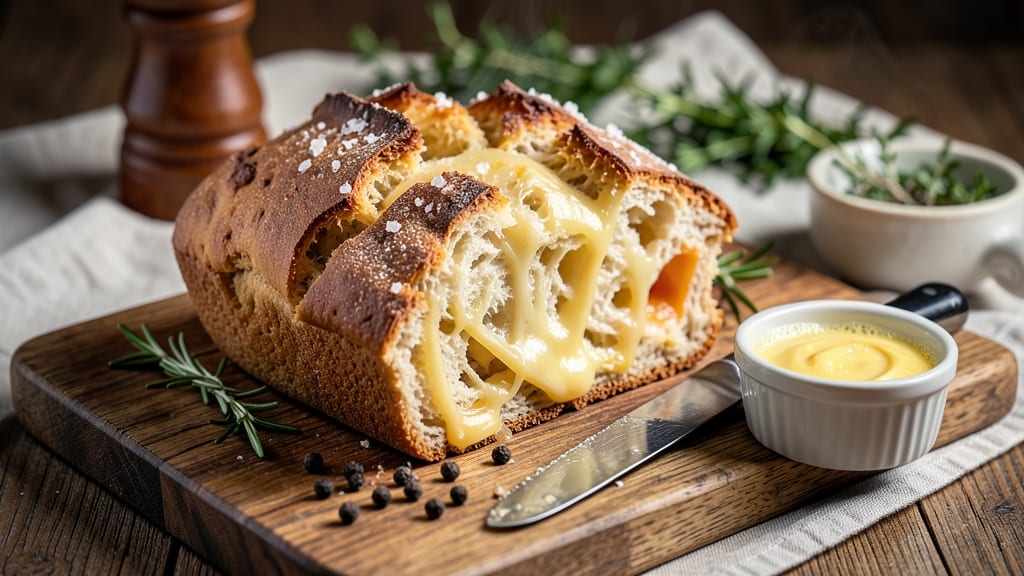
This Amish cheese bread recipe brings the heart of Pennsylvania Dutch tradition to your kitchen—warm, gooey, and impossible to resist. ✨ The secret lies in a simple dough infused with sharp cheddar and creamy gouda, baked until golden and stretchy enough to pull apart with your hands.
I’ve perfected this version over years of baking, ensuring every bite delivers that perfect balance of soft, chewy texture and rich, melty cheese.
The beauty of this recipe is its versatility—whether you’re serving it alongside a hearty soup, using it as a sandwich base, or simply enjoying it warm with honey.
The dough comes together in just 15 minutes, while the baking time of 20-25 minutes ensures a crispy crust and tender interior. No special equipment is needed, just a few pantry staples and a little patience for the dough to rise.
What makes this bread truly special is its cultural roots, inspired by the Pennsylvania Dutch communities where it originated. The combination of cheddar and gouda creates a flavor that’s both comforting and bold, while the pull-apart texture makes it a crowd-pleaser.
Once you try this recipe, you’ll understand why it’s a staple at family gatherings and potlucks.
Ready to bake? This recipe delivers restaurant-quality results at home, with just the right amount of stretch, chew, and melt-in-your-mouth goodness. Whether you’re a beginner or an experienced baker, the steps are straightforward, and the reward is unbeatable. Let’s get started!
Ingredients for amish cheese bread
Pantry staples and two cheeses—this is all you need for that iconic Amish pull-apart magic.
| Ingredient | Amount | Notes |
|---|---|---|
| All-Purpose Flour 🌾 | 3 ½ cups | Sifted for light texture |
| Active Dry Yeast 🍞 | ¼ tsp | One packet preferred |
| Granulated Sugar 🍚 | ¼ cup | For yeast activation |
| Warm Water 💧 | ¾ cup | 110°F for yeast activation |
| Unsalted Butter 🧈 | ½ cup | Cold, cubed for dough |
| Sharp Cheddar Cheese 🧀 | 1 ½ cups | Shredded, block preferred |
| Gouda Cheese 🧀 | 1 cup | Shredded, mild or aged |
| Milk 🥛 | ¼ cup | Room temperature |
| Salt 🧂 | 1 tsp | Diamond Crystal preferred |
| Garlic Powder 🧄 | ½ tsp | For subtle depth |
| Onion Powder 🧅 | ½ tsp | Enhances savory notes |
| Egg 🥚 | 1 whole | For egg wash |
| Sesame Seeds 🌾 | 2 tbsp | Optional topping |
The cheeses are non-negotiable. Sharp cheddar gives that tangy bite, while Gouda adds creamy richness—both should be freshly shredded from blocks (pre-shredded gets gummy). For the best cheddar, hit up Wegmans or Whole Foods—their aged cheddar has more depth. The butter? Use Land O’Lakes or Plugrá—they melt beautifully without overpowering. If you’re in a rush, melt the butter first so it incorporates faster into the dough. The yeast? One packet is all you need, but check the expiration date—old yeast won’t activate properly.
No sharp cheddar? Pepper Jack works in a pinch, though the flavor will be milder. Gouda unavailable? Gruyère or Emmental both bring a similar melt. Running low on milk? Heavy cream or even water will work, but the dough might be slightly denser. The garlic and onion powders are just for flavor—skip them if you’re sensitive to those notes. For the egg wash, use a beaten egg yolk if you’re watching cholesterol. And if sesame seeds aren’t your thing, everything bagel seasoning adds a fun twist.
This dough is best made fresh, but you can prep it 24 hours ahead—just let it rise overnight in the fridge. The bread keeps well for 2-3 days at room temperature, wrapped tightly in foil. For longer storage, freeze portions for up to 3 months. I like to reheat slices in the oven at 350°F for 5-7 minutes—it revives that pull-apart magic. Leftovers? Toss them in a panini press with honey and jam for a sweet-savory breakfast.
Why You'll Love This Recipe
- No-Knead Magic: This dough comes together with just flour, yeast, sugar, and warm water—no fancy techniques. I swear, my first batch rose perfectly while I folded laundry.
- Buttery Cheese Bliss: That warm, pull-apart texture with melted butter and cheese? It’s like a hug in bread form. The sugar gives it just enough sweetness to balance the sharp, creamy cheese.
- Breakfast to Brunch: I’ve served it toasted with jam for breakfast, as a side with soup, and even as a sandwich base. Honestly, it’s the one loaf that never feels out of place.
- Leftovers That Last: A single batch feeds my family for days—sliced for toast, cubed for salads, or reheated with butter. Between us, this bread is my pantry’s secret weapon.
Step-by-step instructions for Amish cheese bread
This dough comes together like magic—soft, cheesy, and perfect for pulling apart.
👨🍳 Step 1: Activate the Yeast and Mix the Dough
In a large bowl, whisk together the 0.25 cup granulated sugar, 0.75 cup warm water (about 110°F—test by dipping your finger in; it should feel warm but not hot), and the 0.25 tsp active dry yeast. Let it sit for 5-10 minutes until foamy—this tells you the yeast is alive and ready to work.
In a separate bowl, mix the 3.5 cups all-purpose flour, 1 tsp salt, 0.5 tsp garlic powder, and 0.5 tsp onion powder. Sift the flour first for a lighter texture. Once the yeast mixture is bubbly, pour it into the dry ingredients and stir until a shaggy dough forms.
🍳 Step 2: Knead the Dough Until Silky Smooth
Turn the dough onto a lightly floured surface and knead for 8-10 minutes until it’s smooth and elastic. You’ll know it’s ready when it springs back slightly when poked. If it feels sticky, add just a little more flour—about 1 tablespoon at a time—but don’t overdo it.
Here’s the thing—this dough is cheesy, so it’s a little softer than bread dough. Don’t worry if it doesn’t look perfectly firm; the cheese will keep it tender. Once kneaded, place the dough in a lightly greased bowl, cover it with a damp towel, and let it rise in a warm place for 1-2 hours or until doubled in size.
🥘 Step 3: Incorporate the Cheese and Butter
After the dough rises, punch it down to release the air, then transfer it back to the bowl. Cut the 0.5 cup cold unsalted butter into small cubes and fold them into the dough along with the 1.5 cups sharp cheddar cheese and 1 cup gouda cheese. The butter should be cold so it doesn’t melt into the dough too quickly.
Mix in the 0.25 cup milk and the 1 whole egg until everything is evenly distributed. The dough will be softer now—almost like a thick, cheesy batter. Cover it again and let it rise for another 30-45 minutes until puffy. This second rise is key for that airy, pull-apart texture.
🔥 Step 4: Shape, Bake, and Top with Sesame Seeds
Preheat your oven to 375°F. Grease a 9x13-inch baking dish lightly with butter or oil. Transfer the dough to the dish and spread it into an even layer, about ½-inch thick. Use a spatula to smooth the top—this ensures even baking.
Bake for 25-30 minutes until the edges are golden brown and the center is just set. In the last 2 minutes, sprinkle the 2 tbsp sesame seeds over the top for a nutty crunch. The bread should be soft inside but slightly crispy on top—like a cross between cornbread and cheesy breadsticks.
⏰ Step 5: Rest and Serve Warm
Let the bread cool in the pan for 5 minutes before slicing—this prevents it from falling apart. Serve it warm, straight from the oven, so it’s stretchy and gooey. It’s perfect with soups, chili, or just as a snack with a little honey drizzled on top.
Real talk: If you slice it too soon, it’ll be crumbly. Patience here pays off with that signature Amish cheese bread pull-apart magic.
Pro Tips For Making Amish Cheese Bread
- Let Yeast Bloom Quietly: After burning three batches of cheese bread, I finally figured out yeast needs time—not heat—to wake up. Mix the yeast, sugar, and warm water (110°F) first, then wait exactly 5 minutes until it’s frothy before adding flour. No bubbles yet? You’re not alone—just let it sit longer. Cold water kills it; rushing it kills flavor.
- Salt the Butter First: Unsalted butter in this recipe? Add ½ teaspoon salt per ½ cup before mixing it into the dough. I learned this the hard way—plain butter makes the cheese bread taste flat, even with added salt later. Trust me, your taste buds will notice the difference.
- Knead Until It’s Tough: This dough fights back. Knead by hand for 8–10 minutes (or 5–6 with a stand mixer) until it’s smooth and pulls away from the bowl. Stopping early means dense, gummy bread—no matter how much cheese you pack in. Test it: stretch a piece; if it doesn’t spring back, you’re golden.
- Chill Before Shaping: Skip the rush and refrigerate the dough for at least 1 hour before shaping. Cold dough handles better, rises evenly, and—here’s the kicker—cuts cleaner when you slice it later. I used to skip this, and my loaves always looked like they’d been wrestled with. (They had.)
Storing and reheating this amish cheese bread
Room Temperature Storage
Keep your Amish cheese bread at room temperature for up to 2-3 days in an airtight container or wrapped tightly in aluminum foil. Store it in a cool, dark place like a pantry to maintain freshness.
I like to slice it into individual portions before storing—this way, you can grab just what you need without dealing with a whole loaf. The bread will stay soft and chewy, though the edges might dry out slightly after day two. 🌾
Refrigerator Revival
If your bread has been sitting out too long, pop it in the fridge for 1-2 hours to firm up before reheating. For longer storage, refrigerate it in an airtight container for up to 5 days.
To reheat, wrap individual slices in a damp paper towel and microwave for 20-30 seconds—this restores that gooey, stretchy texture. For a crispier finish, toast slices in a skillet over medium heat for 1-2 minutes per side.
Freezer-Friendly Tips
Freeze portions of this bread for up to 3 months without losing quality. Wrap slices individually in plastic wrap, then place them in a freezer bag with all the air squeezed out.
When ready to eat, thaw overnight in the fridge or reheat directly from frozen in the oven at 350°F for 10-12 minutes. I always add a splash of milk or water to the oven tray to prevent drying.
The texture stays tender, though it might be slightly denser after freezing. ✨
Oven Reheating Secrets
For the best results, reheat slices in a preheated oven at 350°F for 5-7 minutes. Place them on a baking sheet lined with parchment paper and cover loosely with foil to trap moisture. This method restores that pull-apart magic while keeping the cheese melty.
If you’re reheating a whole loaf, wrap it in foil and bake for 10-15 minutes, then uncover for the last 2 minutes to crisp the top. A sprinkle of sesame seeds after reheating adds freshness. 🔥
Microwave Shortcuts
When you’re in a hurry, the microwave is your friend. Cover a slice with a damp paper towel and heat on 50% power for 20-30 seconds. This gentle approach prevents rubbery cheese. For extra crispiness, press the slice between two microwave-safe plates for 10 seconds after heating.
If your bread seems dry, add a few drops of water or milk to the paper towel before reheating. It’s not perfect, but it’s a lifesaver for quick meals. 💫
Nutrition facts
Frequently asked questions
Why does my Amish cheese bread turn out dense instead of stretchy?
Over-kneading or skipping the second rise are the most common culprits. This dough relies on two rises—one for the yeast to activate and another after adding cheese/butter. If it feels too firm after kneading, you might have added too much flour. The cheese should make the dough softer, not rock-hard. For extra stretch, let it rise until it's 50% larger before baking.
Can I make this bread without a stand mixer?
This recipe is designed for hand-kneading. Use a lightly floured surface and knead for 8-10 minutes until the dough springs back when poked. The cheese makes it softer than regular bread dough, so it requires less flour. Just be patient—the dough should be smooth but still slightly tacky.
What's the best cheese substitute if I don't have gouda?
Try Gruyère or Swiss cheese for a similar melt, or mozzarella for extra stretchiness. If you're out of sharp cheddar, Pepper Jack works but will be milder. For a dairy-free option, use vegan cheddar shreds (like Violife) and add 1 tbsp nutritional yeast for depth. The key is using cheeses that melt well.
How do I fix burnt edges while keeping the center undercooked?
Reduce your oven temperature to 350°F and bake for 30-35 minutes instead. Cover the edges loosely with aluminum foil after 15 minutes to shield them while the center cooks. For even baking, place a small baking tray on the lower rack filled with ½ inch of water—this creates steam that prevents over-browning.
Can I make this bread in a smaller pan?
Yes, but expect thicker slices. Use a 9x9-inch pan for a taller loaf or 8-inch round pan for a shorter, wider bread. For best results, reduce baking time by 5-7 minutes and check for doneness at 20 minutes. The dough should be about ½-inch thick in your pan—any thicker and the center may stay doughy.