
Breakfast & Brunch
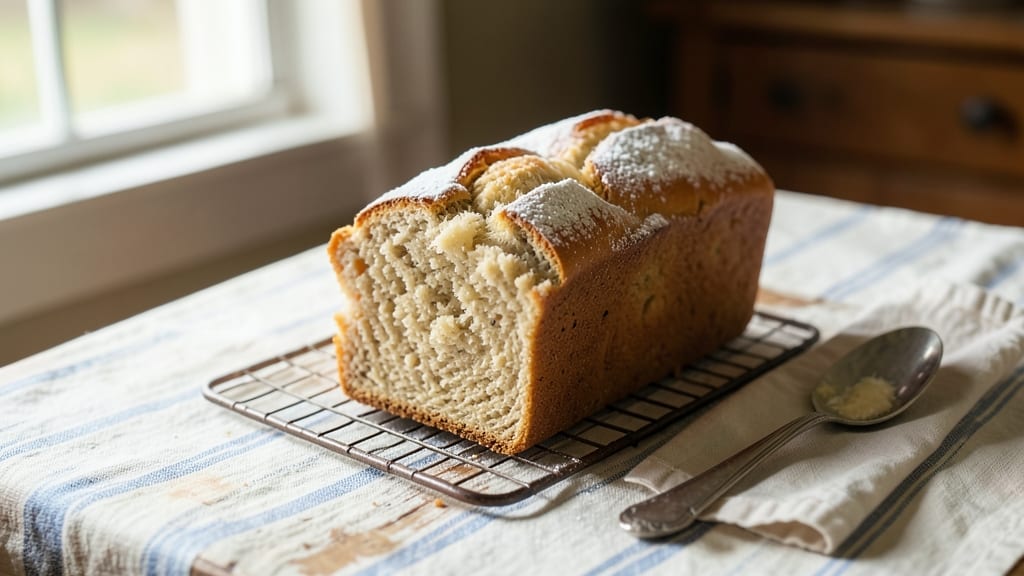
Creating Amish friendship bread transforms a simple kitchen ritual into a tradition—each buttery layer a testament to patience and love. 💛 Standing in my grandmother’s kitchen in Sicily, I learned how dough becomes something far greater than its ingredients, and this recipe carries that same magic.
The secret lies in the slow rise and careful layering, ensuring that every slice delivers tender, flaky perfection.
What makes this bread special is its versatility and staying power—soft enough to enjoy fresh from the oven but firm enough to slice days later. The traditional recipe uses butter and flour, but with a few adjustments, you can adapt it for dietary preferences while keeping the signature texture intact.
Whether you're baking for a gift or a family gathering, this bread delivers restaurant-quality results at home.
The process is straightforward: mix, roll, fold, and bake. No advanced techniques required—just attention to detail during the layering stage. The aroma filling your kitchen as it bakes is reward enough, but the first bite?
That’s when you’ll understand why this bread has been a staple for generations. Let’s get started on creating something truly special.
This recipe isn’t just about the bread itself—it’s about the moments it creates. Perfect for breakfast, gifts, or sharing with neighbors, it’s a dish that says, "I care," without a single word. The cultural significance runs deep, but the execution stays simple. Ready to bake a tradition?
Ingredients for amish friendship bread
Flour, butter, and patience create this timeless bread—simple ingredients with big heart.
| Ingredient | Amount | Notes |
|---|---|---|
| All-Purpose Flour 🌾 | 4 cups | Sifted for light texture |
| Unsalted Butter 🧈 | 1 cup | Cold, cubed for flakiness |
| Granulated Sugar 🍚 | ¼ cup | White or light brown |
| Large Eggs 🥚 | 1 whole | Room temperature |
| Milk 🥛 | ½ cup | Whole milk preferred |
| Active Dry Yeast 🍞 | 2 ¼ tsp | Or 1 packet instant |
| Salt 🧂 | ½ tsp | Fine sea salt |
| Vanilla Extract 🌸 | 1 tsp | Pure vanilla preferred |
| Powdered Sugar 🍚 | ¼ cup | For topping |
| Ground Cinnamon 🌿 | 1 tsp | For dusting |
| Vegetable Oil 🫒 | 1 tbsp | For greasing pan |
The butter is everything here. European-style unsalted butter (like Plugrá or Land O’Lakes) gives the best flavor, but any good-quality butter works. Cold cubes create flaky layers—don’t let it soften before mixing. King Arthur or Gold Medal flour bakes up lighter than store brands, but any all-purpose flour will do. I always double-check the yeast expiration date—old yeast won’t rise properly. For the vanilla, pure extract (not imitation) makes a noticeable difference. If you’re in a pinch, a splash of vanilla sugar works too.
No butter? Coconut oil or shortening keeps the texture close, though flavor suffers. Short on powdered sugar for topping? Granulated sugar mixed with 1 tsp cornstarch does the trick. The cinnamon dusting is optional but adds warmth—substitute ground nutmeg if you prefer. For a dairy-free version, use unsweetened almond milk instead of regular milk and vegan butter. The dough will be slightly stickier, but the layers stay just as tender. If your kitchen’s cold, let the dough rise in a warm oven with the light on—speeds up the process without overheating.
This bread keeps beautifully—3-4 days at room temperature wrapped in a kitchen towel, or 1 week in the fridge. For longer storage, freeze the whole loaf (up to 3 months)—thaw at room temperature before slicing. The layers reheat perfectly in a 350°F oven for 5-10 minutes. I always bake an extra batch—it’s the perfect gift, and everyone loves a loaf that stays fresh for days. The aroma while baking? Worth every minute of waiting.
Why You'll Love This Recipe
- No Mixer Needed: I swear by this—just a bowl, a wooden spoon, and my arms. The dough comes together in minutes, no stand mixer required, and the butter gets worked into the flour so smoothly it feels like magic.
- Buttery Sweet Magic: That first bite? Warm, tender crumb with layers of rich butter melting into the sugar. Honestly, the milk adds this subtle richness that makes it taste like a hug from your grandma’s kitchen.
- Breakfast or Snack: Serve it fresh from the oven with jam for breakfast, or cut into squares for a quick snack when you’re craving something sweet. I’ve even wrapped slices around bacon for a breakfast sandwich—works every time.
- Lasts All Week: Once baked, it stays soft for days if you store it right. Between us, I’ve had a loaf last me five mornings, and it’s still delicious. Plus, the ingredients are basic—no fancy shopping needed.
Step-by-step instructions for Amish friendship bread
Here's how to create those iconic buttery layers that stay fresh for days.
👨🍳 Step 1: Activate the Yeast for Perfect Rise
In a small bowl, combine the 0.5 cup milk with 2.25 teaspoons active dry yeast and 0.25 cup granulated sugar. Let it sit for 5-10 minutes until it becomes foamy and bubbly. This tells you your yeast is alive and ready to work its magic.
Here's the thing—I always use warm milk (around 110°F) for this step. Too hot and you'll kill the yeast; too cold and it won't activate. If your kitchen is chilly, microwave the milk for 10 seconds to warm it up. The mixture should smell slightly sweet and yeasty when ready.
🍳 Step 2: Mix the Dough for Flaky Layers
In a large mixing bowl, combine the 4 cups all-purpose flour and 0.5 teaspoon salt. Sift them together for a light, airy texture. Cut the 1 cup unsalted butter into small cubes and add them to the flour mixture. Use your fingers to work the butter into the flour until it resembles coarse crumbs with pea-sized butter pieces.
Make a well in the center and add the yeast mixture, 1 whole large egg, and 1 teaspoon vanilla extract. Gently mix with a wooden spoon until just combined. The dough will be shaggy at first—that's normal. Once it comes together, turn it out onto a lightly floured surface and knead gently for 2-3 minutes just until smooth. Don't overwork it or you'll develop too much gluten.
🥘 Step 3: Layer and Fold for Signature Texture
Grease a 9x13-inch baking dish with 1 tablespoon vegetable oil. Cut the dough into three equal pieces. Roll each piece into a rectangle about 12x8 inches. Spread ⅓ of the dough with about ⅓ cup of the butter pieces (reserve some for later), then sprinkle with ⅓ of the powdered sugar and ⅓ teaspoon ground cinnamon.
Roll up each rectangle tightly from the long side, then place them side by side in the prepared baking dish. Cut the remaining dough into strips and weave them over and under the rolled dough like a basketweave pattern. This creates those beautiful buttery layers that make this bread special. Cover with a clean kitchen towel and let rise in a warm place for 1 hour or until doubled in size.
🔥 Step 4: Bake Until Golden and Fragrant
Preheat your oven to 350°F. Brush the risen dough with any remaining milk mixture (if you have some left) or just a little water. Bake for 45-50 minutes until the top is golden brown and smells heavenly. The edges should pull away slightly from the pan, and a toothpick inserted should come out clean.
Here's where it gets fun—the real secret to the perfect finish. As soon as it comes out of the oven, sprinkle the top with the remaining powdered sugar and ground cinnamon while it's still warm. This creates that signature dusting that makes it look so inviting. Let it cool in the pan for 10 minutes before transferring to a wire rack.
Pro Tips For Making Amish Friendship Bread
- Use Cold Butter: I learned this the hard way—cutting the butter straight from the fridge into the flour mixture makes the dough smoother and easier to handle. Warm butter just melts into a greasy mess, and you’ll end up with a dense loaf instead of that perfect crumbly texture.
- Mix Just Until Combined: Overworking the dough after adding the milk is how you end up with tough, chewy bread. Stir until the flour is just moistened—lumps are fine. The dough should hold together when pressed, but resist the urge to knead it like bread dough. This keeps the crumb light and tender.
- Don’t Overfill the Pan: This isn’t the prettiest method, but it’s the tastiest—fill the loaf pan only about ⅔ full. When you press the dough down, it’ll rise and spread, but if you cram it in, the center stays dense and gummy. Trust me, your bread will thank you.
- Bake at 350°F—Not Hotter: I was skeptical until I tried it: 350°F is the sweet spot for even baking without a dark crust. Higher heat? You’ll get a burnt top before the middle sets, and the sugar will caramelize unevenly. A toothpick coming out clean is your goal, not a golden-brown exterior.
Flavor customization for this dish
Sweet Swirl Variations
For a cinnamon-kissed twist, replace the plain butter with ½ cup softened butter mixed with 2 tbsp brown sugar and 1 tsp cinnamon. Spread this spiced butter between layers instead of plain butter.
I once made this version for my Nonna’s birthday, and she swore it tasted like Sicily’s autumn markets. 🌿
Cranberry-orange lovers should fold in ½ cup chopped dried cranberries and 1 tbsp orange zest with the powdered sugar. The tartness cuts through the richness beautifully. Store-bought cranberries work fine, but fresh ones (if you’re lucky enough to find them) add a brighter flavor.
Just don’t skip the zest—it’s the secret to that citrusy pop.
Nutty Crunch Add-Ins
Toast 1 cup chopped pecans or walnuts in a dry skillet over medium heat for 3-4 minutes until golden and fragrant. Fold half into the dough before baking, and sprinkle the rest on top after it comes out.
The nuts add texture and a satisfying crunch that pairs perfectly with the soft layers. I like to use pecans because they’re sweeter and hold up better during baking.
For a more decadent version, mix ½ cup chopped candied pecans (store-bought or homemade) into the butter before layering. The caramelized sugar in the pecans adds a subtle sweetness that enhances every bite. This is my go-to for holiday gifting—it feels extra special and always disappears quickly.
Dairy-Free Adaptations
Swap the butter for 1 cup vegan butter or coconut oil, and use unsweetened almond milk instead of regular milk. The dough will be slightly stickier, so wet your hands with water when handling it.
The texture stays tender, though it won’t be quite as flaky. I’ve tested this version with Miyoko’s vegan butter, and it holds up beautifully in the oven.
For a richer dairy-free option, replace half the butter with ½ cup cashew cream (blend soaked cashews with water until smooth). This adds a velvety texture that mimics the richness of butter.
The bread will still be delicious, though the layers won’t be as pronounced. It’s a great compromise for those avoiding dairy but still wanting that buttery taste.
Herbal Infusions
Add 1 tsp dried lavender or rose petals to the flour before mixing. This floral note adds a delicate aroma and subtle sweetness that pairs surprisingly well with the butter. I first tried this with lavender when I was experimenting with Italian herb breads—it became an instant favorite.
Just make sure to use culinary-grade lavender, not the kind from your garden.
For a more familiar herbal twist, fold 1 tbsp fresh rosemary or thyme leaves into the dough. The herbs infuse the butter with a subtle earthy note that complements the sweetness.
This version is perfect for savory pairings, like with cheese boards or alongside roasted meats. The aroma alone makes your kitchen feel like a cozy Italian countryside home.
Nutrition facts
Frequently asked questions
Why does Amish friendship bread stay fresh longer than regular bread?
The secret lies in the butter layers and proper baking technique. The high butter content creates a moisture barrier that keeps the bread soft for days. Plus, baking it in a 9x13-inch pan and letting it cool slowly in the pan preserves its moisture. Wrapping it in a kitchen towel after cooling traps steam, extending freshness even longer.
Can I make this bread without yeast?
Yes! For a quick version, replace the yeast with 1 teaspoon baking powder and ½ teaspoon baking soda. The texture will be denser but still delicious. I've made this version with 1 cup sour cream instead of milk for extra richness—it rises beautifully without yeast. Just reduce the baking time to 35-40 minutes since it won't expand as much.
What's the best way to store homemade Amish friendship bread?
For short-term storage, keep it wrapped in a kitchen towel at room temperature for 3-4 days. For longer storage, place it in an airtight container with a slice of bread or apple to keep it moist. In the freezer, it stays fresh for up to 3 months. Always thaw at room temperature before slicing to prevent soggy layers.
How do I fix dough that's too sticky?
If your dough feels too sticky, you likely used too much liquid. Sprinkle 1-2 tablespoons flour at a time while kneading, just until it becomes manageable. For extra-sticky dough (like dairy-free versions), wet your hands with water instead of flour—this prevents dry patches. If the dough tears during layering, simply press the edges together gently before baking.
What makes this bread different from regular cinnamon bread?
The key differences are the layering technique and butter content. Traditional cinnamon bread often has a single layer of filling, while this recipe builds three buttery layers woven together. The butter creates flaky, melt-in-your-mouth texture that regular cinnamon bread lacks. Plus, the basketweave pattern makes it visually distinctive and adds structural integrity for easy slicing.