
Side Dishes
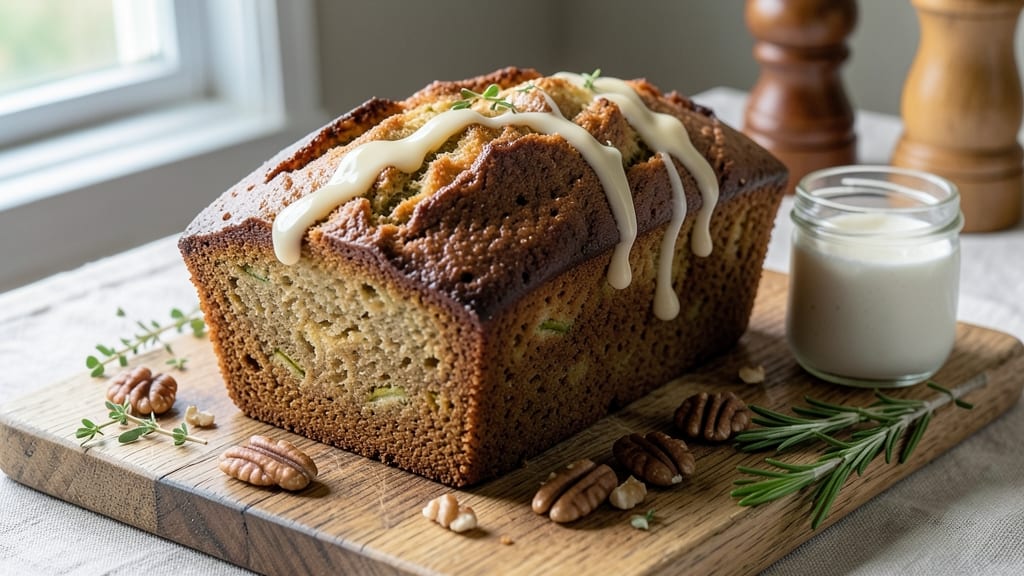
This Amish friendship zucchini bread recipe brings the heartwarming tradition of communal baking to your kitchen, where warm spices and vanilla create a loaf that's as comforting as it is delicious.
The recipe reflects the Amish practice of "friendship bread," where neighbors gather to bake and share, building connections through food. What sets this version apart is its perfect balance of moist, tender crumb and a lightly spiced crust that stays fresh for days.
Traditionally made with simple, wholesome ingredients—flour, sugar, eggs, and fresh zucchini—this recipe delivers a texture that's neither too dense nor too crumbly, thanks to a few key techniques. The zucchini adds natural moisture without making the bread soggy, while cinnamon, nutmeg, and allspice infuse every slice with cozy warmth.
It's the kind of bread that tastes like home, whether you're serving it with tea or gifting it to friends.
The baking process is straightforward, yielding a loaf that's perfect for slicing thin or sharing whole. The vanilla extract deepens the flavor, while a touch of baking soda ensures a light rise. For those with dietary needs, optional variations include gluten-free flour blends or substituting oil for applesauce.
Each batch carries the spirit of Amish hospitality, proving that the best recipes are the ones that bring people together.
Whether you're baking for a gathering or simply craving a taste of tradition, this recipe delivers a loaf that's rich in flavor and even richer in meaning. The aroma alone will fill your kitchen with nostalgia, while the taste reminds you why homemade bread is always worth the effort.
Let's get started on a recipe that's as much about connection as it is about taste.
Ingredients for amish friendship zucchini bread
Simple ingredients that bring warmth and tradition to every slice of this beloved zucchini bread.
| Ingredient | Amount | Notes |
|---|---|---|
| All-Purpose Flour 🌾 | 2 ½ cups | Sifted for light texture |
| Granulated Sugar 🍚 | 1 ½ cups | White or light brown |
| Packed Brown Sugar 🍚 | ½ cup | Dark for deeper flavor |
| Vegetable Oil 🫒 | ¾ cup | Light or canola preferred |
| Large Eggs 🥚 | 2 whole | Room temperature for best mixing |
| Pure Vanilla Extract 🍯 | 2 tsp | High-quality for authentic flavor |
| Fresh Zucchini 🥒 | 1 ½ cups | Grated, excess liquid squeezed out |
| Baking Soda 🧂 | 1 tsp | Freshly opened for best rise |
| Ground Cinnamon 🌶️ | 2 tsp | Freshly ground preferred |
| Ground Nutmeg 🌿 | ½ tsp | Freshly grated for warmth |
| Ground Allspice 🌶️ | ½ tsp | For depth of flavor |
| Salt 🧂 | ½ tsp | Fine sea salt preferred |
| Chopped Walnuts 🥜 | ½ cup | Optional for crunch |
The flour is your foundation here. King Arthur or Gold Medal brands give the best rise—look for that fine, powdery texture. Brown sugar adds moisture and depth, so don't skip the dark kind. For the zucchini, farmers markets often have fresher, less bitter varieties. Grate it yourself—pre-shredded has too much liquid. The walnuts? Trader Joe's sells them pre-chopped, which saves time. If you're feeling fancy, toast them first for extra flavor—just 5 minutes in a dry pan until fragrant.
No vanilla extract? Vanilla bean paste or even vanilla sugar works in a pinch. Fresh nutmeg is ideal, but if you've only got ground, toast it first in a dry pan for 30 seconds to wake up the flavor. The baking soda needs to be fresh—if it's been sitting in your pantry for months, it's lost its lift. For the zucchini, yellow varieties are sweeter than green. If you're gluten-free, Bob's Red Mill 1:1 blend works well, though texture will differ slightly. The oil can be swapped for applesauce (same amount) for a lighter version.
This bread keeps beautifully—3-4 days wrapped at room temperature, 1 week in the fridge, or 3 months frozen. Slice it thin for tea sandwiches or thick for hearty portions. The aroma alone will have your kitchen smelling like a cozy Amish gathering. For gifting, wrap individual slices in parchment and tie with twine—just like the old tradition. The crust stays tender for days, so no need to rush eating it all!
Why You'll Love This Recipe
- I’ll be real: this recipe uses ingredients you already have. Flour, sugar, eggs—no specialty items, no last-minute grocery runs. And since it keeps well wrapped, I bake a loaf on Sundays and grab slices all week. Budget-friendly? Absolutely. Lifesaver? Even more so.
- No-Mix Madness: I swear by this recipe because it’s actually no-knead, no-fuss—just toss the grated zucchini into the flour, sugar, and oil, then let the batter sit for 10 minutes. That’s it. The eggs bind everything while the brown sugar keeps it moist, so you’re not stuck measuring or overworking dough.
- Sweet-Savory Magic: Here’s what sold me—the balance. The brown sugar caramelizes just enough to cut through the zucchini’s natural earthiness, while the vegetable oil keeps it tender (no dry crumbs here). Honestly, it’s the kind of bread where you’ll debate whether to eat it plain or slather it in butter.
- Breakfast to Brunch: Between us, this is my lazy weekend secret weapon. Toast a slice for breakfast, pack it in lunches, or serve it at a potluck—no one will guess it’s secretly packed with veggies. The texture holds up for days, and the sugar keeps it from getting stale too fast.
Step-by-step instructions for Amish friendship zucchini bread
Here's how to bake that perfect loaf with moist crumb, warm spices, and just the right amount of zucchini.
Prepare the Zucchini and Mix Wet Ingredients
Start by grating the 1.5 cups fresh zucchini using a box grater or food processor. Transfer the grated zucchini to a clean kitchen towel or cheesecloth and squeeze out all excess moisture. This step is crucial—too much liquid makes the bread dense. I press down firmly and twist the towel to remove every last drop.
In a large mixing bowl, combine the 2 whole large eggs and 0.75 cup vegetable oil. Whisk vigorously for about 1 minute until the mixture is light and slightly thickened. Add the 1.5 cups granulated sugar, 0.5 cup packed brown sugar, and 2 tsp pure vanilla extract, mixing until everything is fully incorporated. The batter should be smooth with no grainy sugar at the bottom.
Combine Dry Ingredients and Fold in Zucchini
In a separate medium bowl, sift together the 2.5 cups all-purpose flour, 1 tsp baking soda, 2 tsp ground cinnamon, 0.5 tsp ground nutmeg, 0.5 tsp ground allspice, and 0.5 tsp salt. Whisk gently to ensure even distribution of the spices. This prevents any pockets of undissolved baking soda that could make your bread taste bitter.
With the mixer on low speed, gradually add the dry ingredients to the wet mixture. Mix just until combined—about 30 seconds—then fold in the squeezed zucchini using a rubber spatula. Be careful not to overmix; just combine everything until the zucchini is evenly distributed. If using, gently fold in the 0.5 cup chopped walnuts at this stage.
Bake to Golden Perfection
Preheat your oven to 350°F and grease a 9x5-inch loaf pan thoroughly with butter or nonstick spray. Pour the batter into the prepared pan and smooth the top with a spatula. Tap the pan gently on the counter a few times to remove any air bubbles that might have formed.
Bake for 50-60 minutes, or until a toothpick inserted in the center comes out clean. The bread is done when the top is golden brown and springs back slightly when pressed. If the top browns too quickly, tent the pan with aluminum foil after 30 minutes to prevent over-browning while still allowing the bread to cook through.
Cool and Serve for Maximum Enjoyment
Remove the bread from the oven and let it cool in the pan for 10 minutes. Then transfer it to a wire rack to cool completely. This cooling period is essential—it allows the bread to set properly and prevents it from becoming gummy. I know it's tempting to slice into it warm, but patience here makes all the difference.
Once fully cooled, slice into 1-inch thick pieces for perfect serving. The bread should have a moist, tender crumb with just the right amount of zucchini moisture balanced by the warm spices. Serve with a pat of butter or a smear of cream cheese for the ultimate Amish-style experience.
Pro Tips For Making Amish Friendship Zucchini Bread
- MEASURE THE ZUCCHINI RIGHT: Drain and chop the zucchini first, then squeeze out every last drop of moisture with a clean kitchen towel—no one wants a dense, gummy loaf. I learned this the hard way when my first batch turned out like a brick, and now I double-check by weighing the grated zucchini before and after squeezing.
- WHISK THE EGGS FIRST: Beat the eggs until they’re light and frothy before mixing them into the wet ingredients—this incorporates more air, giving your bread that classic tender crumb. Skip this, and you’ll end up with a heavier loaf that’s closer to cake than bread.
- DON’T OVERMIX THE BATTER: Stop folding in the flour as soon as it’s just combined—lumps are fine, but overworking it turns the texture tough. I used to mix until it looked perfect, only to get a dry, dense result. Two minutes past the point is too long.
- GREASE THE PAN WELL: Coat your loaf pan with oil and line it with parchment paper for easy removal—this recipe’s high sugar content makes it stick like glue if you skip it. I now keep a small bowl of oil handy to brush the pan right before pouring the batter.
Regional styles of this amish friendship zucchini bread
Pennsylvania Dutch Tradition
The Amish friendship zucchini bread traces its roots to the Pennsylvania Dutch communities of Lancaster County, where communal baking became a cherished tradition. In these tight-knit villages, neighbors would gather to bake friendship bread—a loaf shared freely with those in need or as a gesture of goodwill.
The zucchini, a summer garden staple, was often incorporated to use up harvest bounty without waste. This bread wasn’t just sustenance; it was a symbol of hospitality and connection, much like the Amish "sundering" meals where families share food without expectation of return. 🌾
Ohio Amish Adaptations
In Ohio’s Amish settlements, particularly around Holmes County, the recipe often includes extra molasses for a deeper, almost caramel-like flavor. Here, the bread is traditionally baked in a cast-iron skillet over an open fire, giving it a slightly crispy crust.
Ohio Amish communities also favor coarser textures, so you’ll find more chopped nuts or even dried fruit like raisins or cranberries mixed in. The slower, wood-fired baking method creates a denser, heartier loaf—perfect for slicing thick and serving with apple butter.
Indiana’s Sweet Variations
Indiana’s Amish bakers, especially in Northeast Indiana, lean toward sweeter profiles with more brown sugar and sometimes a touch of maple syrup for moisture. Their version often includes ground flaxseed for added fiber and a nutty depth.
In this region, the bread is frequently frosted with a simple cream cheese glaze (just powdered sugar and cream cheese whipped together) to enhance its rustic charm.
The Indiana adaptation also emphasizes seasonal ingredients—using freshly picked zucchini from local farms in late summer when the bread is most popular. 🥒
Modern Twists on Classic
Today, urban Amish bakers and non-Amish home cooks alike are putting their own spins on the classic. Gluten-free versions use blends like Bob’s Red Mill 1:1, while vegan adaptations swap eggs for flax eggs (1 tbsp ground flax + 3 tbsp water per egg) and oil for unsweetened applesauce.
Some modern recipes even incorporate spiced rum or bourbon into the batter for a grown-up twist. The core idea remains the same: a loaf that’s sharable, comforting, and full of love—just like the original tradition intended.
Regional Spice Blends
Spices vary by region, reflecting local tastes and available ingredients. In Pennsylvania, you’ll find more nutmeg and allspice, while Ohio versions often include cinnamon sticks baked into the loaf for extra aroma. Indiana bakers might add a pinch of cardamom for a unique twist.
For authenticity, I recommend Penzeys Spices for their high-quality, freshly ground blends. The key is balancing warmth without overpowering the vanilla and zucchini’s natural sweetness—a delicate dance that defines this bread’s charm. 🌶️
Community Baking Rituals
In many Amish communities, friendship bread baking is still a social event. Women gather in kitchens, chatting while mixing dough, and the bread is wrapped in cloth and passed from house to house. Some groups even host "bread swaps" where families bring their baked goods to share.
This tradition mirrors the Amish "work bees", where neighbors collaborate on projects. The act of baking—and sharing—reinforces the values of simplicity, generosity, and community that define Amish life. It’s a practice that reminds us all how food can bring people together. ✨
Nutrition facts
Frequently asked questions
Why is this called "friendship bread"?
The name comes from Amish traditions where neighbors would bake and share loaves as gestures of goodwill. This zucchini bread carries that spirit—it's meant to be sliced and shared with friends or given as a thoughtful gift. The communal baking practice strengthens community bonds, making every slice taste like connection.
Can I substitute applesauce for the oil?
Yes! For a lighter version, replace the 0.75 cup vegetable oil with the same amount of unsweetened applesauce. This reduces fat content while keeping the bread moist. The texture will be slightly denser but still delicious. Just be sure to squeeze all excess liquid from the zucchini to maintain the right balance.
How do I know when the bread is fully baked?
Your bread is done when a toothpick inserted in the center comes out clean (no wet batter clinging to it) and the top springs back slightly when pressed. The edges should pull away from the pan, and the internal temperature should reach 200-210°F. If the top browns too quickly, tent with foil after 30 minutes to prevent over-browning.
What's the best way to store leftovers?
Wrap cooled slices tightly in plastic wrap or store in an airtight container. At room temperature, it stays fresh for 3-4 days. For longer storage, refrigerate for up to 1 week or freeze for 3 months. To reheat, warm slices in a 300°F oven for 5-10 minutes to restore freshness. The crust stays tender when properly stored!
Can I make this gluten-free?
Use a 1:1 gluten-free flour blend like Bob's Red Mill, and add 1 tsp xanthan gum to improve texture. Reduce the baking soda to 0.75 tsp since GF flours often need less leavening. Expect a slightly denser crumb, but the flavor will still be rich. For best results, let the batter rest for 10 minutes before baking.