
Side Dishes
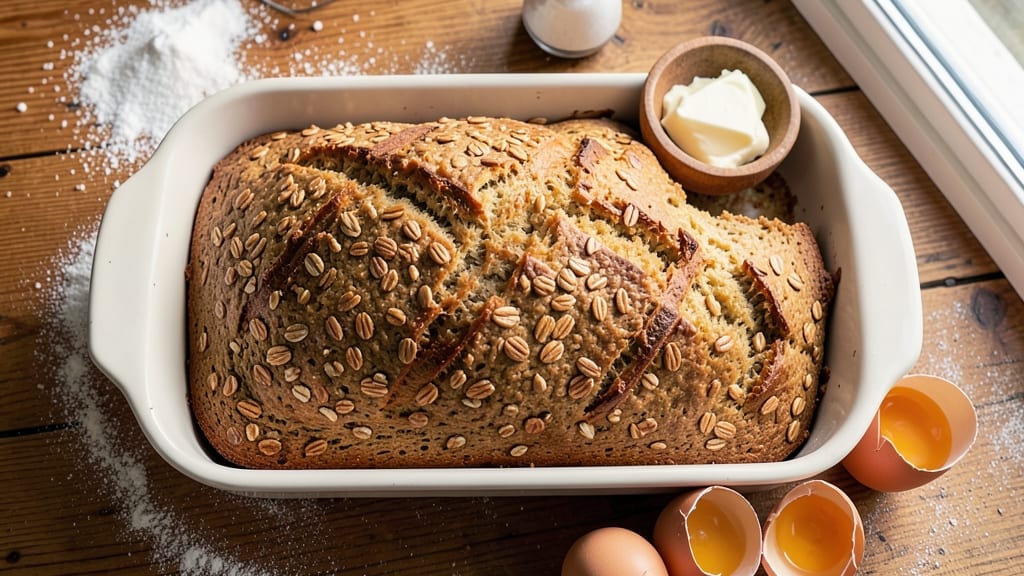
This Amish oatmeal bread delivers a rustic crust with a chewy, nutty heart that pairs perfectly with butter or jam. The secret lies in combining rolled oats with warm spices and yeast for a loaf that's hearty enough for sandwiches yet tender enough for breakfast toast.
I've perfected this recipe over years of baking, ensuring every slice delivers that satisfying texture and flavor.
The dough comes together with simple ingredients—flour, oats, yeast, and butter—but the magic happens during the slow rise. Letting it ferment overnight develops deep, complex flavors while creating that signature chewy crumb. A high-heat bake then forms a crispy crust that contrasts beautifully with the soft interior.
What you'll end up with is a homemade loaf that tastes like a slice of nostalgia—warm, fragrant, and packed with texture. The rolled oats add a subtle nuttiness that complements the bread's natural sweetness, while the crust stays just crispy enough to hold up to butter or honey.
This is the kind of bread that disappears quickly from the counter.
Perfect for breakfast, sandwiches, or serving alongside soups, this recipe delivers restaurant-quality results with minimal effort. The long fermentation means you can mix the dough in the evening and bake fresh in the morning—ideal for busy households. Let's get started on this classic loaf.
Ingredients for amish oatmeal bread
Simple ingredients transform into a loaf with rustic crust and chewy, nutty heart.
| Ingredient | Amount | Notes |
|---|---|---|
| All-Purpose Flour 🌾 | 4 cups | High-protein preferred for chewy texture |
| Rolled Oats 🥣 | 1 ½ cups | Old-fashioned, not quick oats |
| Active Dry Yeast 🍞 | 2 ¼ tsp | Ensure yeast is fresh |
| Granulated Sugar 🍚 | ½ cup | Brown sugar adds depth |
| Unsalted Butter 🧈 | ½ cup | Cold, cubed for texture |
| Large Eggs 🥚 | 2 whole | Room temperature for mixing |
| Milk 🥛 | 1 cup | Whole milk for richness |
| Ground Cinnamon 🌿 | 1 ½ tsp | Freshly ground preferred |
| Ground Nutmeg 🌶️ | ½ tsp | Freshly grated for warmth |
| Salt 🧂 | 1 ½ tsp | Diamond Crystal preferred |
| Water 💧 | ½ cup | Room temperature |
| Cornmeal 🌽 | ¼ cup | For dusting loaf pan |
The rolled oats are non-negotiable here—they deliver that signature chewy texture and nutty flavor. Bob's Red Mill or Quaker Old-Fashioned are reliable brands, but check the label for 100% whole grain oats. The yeast needs to be fresh, so test it in warm water with a pinch of sugar—it should foam within 5 minutes. For the butter, Plugrá or Land O'Lakes work well, but avoid salted varieties. The cinnamon and nutmeg should be freshly ground if possible, as pre-ground spices lose potency quickly. If you're using a scale, remember that 1 cup of flour typically weighs about 4.5 ounces, though it varies by brand.
No rolled oats? Quick oats blended into a fine powder will work in a pinch, though the texture will be slightly less chewy. Substitute brown sugar for granulated if needed, but reduce the amount by 15% since it's denser. For a dairy-free option, unsweetened almond milk replaces regular milk, though the crust may be slightly less tender. If you're short on time, instant yeast can be used at half the amount, but the flavor won't develop as deeply. The cornmeal is optional but helps create a crispier crust—just dust the pan generously before baking.
This dough ferments best at room temperature for 8-12 hours, so plan ahead. Store it in a lightly oiled bowl covered with a damp towel to prevent drying. Once shaped, the dough can be refrigerated for up to 24 hours before baking, which actually enhances the flavor. The baked loaf keeps well wrapped at room temperature for 3 days or frozen for 3 months. For reheating, wrap slices in foil and warm in a 350°F oven for 5-7 minutes to restore freshness. The crust stays crisp for about 2 hours after baking, so enjoy it warm with butter or jam.
Why You'll Love This Recipe
- No-Knead Magic: I swear by this dough—just mix, let it rise, and bake. The rolled oats handle all the heavy lifting while I sip coffee, no fancy skills required.
- Buttery Oat Crunch: That toasted oat texture? Chef’s kiss. The butter melts into the warm bread, turning every slice into a cozy, crumbly hug—like a hug from your grandma’s kitchen.
- Breakfast to Picnic: Same dough, endless uses. Toast it thick for weekend breakfasts, slice it thin for sandwiches, or pack it in a basket for church potlucks. (Yes, even on a Tuesday night.)
- Stretch Your Budget: Flour, oats, and yeast? Pantry staples that won’t break the bank. One loaf feeds the family, and leftovers freeze like a dream—no sad, stale scraps here.
Step-by-step instructions for Amish oatmeal bread
Here's the method for crafting a loaf with a crispy crust and moist, nutty interior—every detail matters.
Activate the Yeast and Mix the Dough
In a large mixing bowl, combine the 1 cup warm milk (about 110°F), the 0.5 cup granulated sugar, and the 2.25 tsp active dry yeast. Let this sit for 5-10 minutes until the mixture becomes foamy—this confirms the yeast is active. If it doesn't foam, your yeast may be old, and you'll need to start over.
Add the 4 cups all-purpose flour, 1.5 cups rolled oats, 1.5 tsp ground cinnamon, 0.5 tsp ground nutmeg, and 1.5 tsp salt to the bowl. Stir gently to combine the dry ingredients. Cut in the 0.5 cup cold unsalted butter using a pastry cutter or your fingers until the mixture resembles coarse crumbs with pea-sized butter pieces remaining.
Incorporate Wet Ingredients and Knead
Make a well in the center of the dry mixture and add the 2 whole large eggs and 0.5 cup water. Using a wooden spoon or dough whisk, gradually mix the wet ingredients into the dry until a shaggy dough forms. Once combined, turn the dough onto a lightly floured surface and knead for 8-10 minutes until smooth and elastic.
During kneading, you'll notice the dough becoming less sticky and more cohesive. It should pull away cleanly from the surface and spring back slowly when poked. If the dough feels too dry, add 1 teaspoon of water at a time; if too sticky, add 1 tablespoon of flour. The goal is a dough that's soft but not tacky.
First Rise and Shaping
Lightly grease a large mixing bowl with a bit of butter or oil, then place the dough inside. Cover the bowl with a damp kitchen towel or plastic wrap and let it rise in a warm place (like a turned-off oven with a bowl of hot water) for 1-1.5 hours. The dough should double in size and feel light when pressed gently with a finger.
Once risen, punch down the dough to release air, then divide it into two equal portions. Shape each portion into a smooth, slightly tapered loaf. Place the loaves seam-side down in two greased 9x5-inch loaf pans, then cover lightly with a damp towel. Allow them to rise for another 30-45 minutes until they've expanded to fill the pans.
Preheat and Bake to Golden Perfection
Preheat your oven to 375°F. While the oven heats, sprinkle 0.25 cup cornmeal evenly into the bottom of each loaf pan—this creates a crispy, rustic crust. Just before baking, brush the tops of the loaves with a bit of milk or egg wash for added shine and browning.
Bake the loaves for 30-35 minutes until they're deep golden brown and sound hollow when tapped on the bottom. The internal temperature should reach 190-200°F. If the tops brown too quickly, tent the pans with aluminum foil to prevent over-browning while ensuring the centers cook through.
Cool and Enjoy
Remove the loaves from the oven and let them cool in the pans for 10 minutes, then transfer them to a wire rack to cool completely. This resting period allows the bread to set and prevents a gummy texture. Once fully cooled, slice with a serrated knife for clean cuts and serve warm with butter or jam.
The finished loaf should have a crisp exterior with a chewy, nutty interior from the oats. The aroma of cinnamon and nutmeg will fill your kitchen, signaling success. Store any leftovers wrapped in a bread bag at room temperature for up to 3 days, or freeze for longer storage.
Pro Tips For Making Amish Oatmeal Bread
- TOAST THE OATS FIRST: I learned this the hard way—raw oats make the bread taste like cereal. Pulse them in a food processor for 10-15 seconds until they’re finely ground but not flour-like. The toasted flavor comes through, and the texture stays chewy where it should.
- MEASURE BUTTER COLD: Take that butter straight from the fridge—no softening needed. Cut it into small cubes and let them sit in the flour mixture for 5 minutes before mixing. This prevents the dough from getting gummy and ensures those little butter pockets melt just enough during baking for a tender crumb.
- DON’T OVERKNEAD THE DOUGH: Amish oatmeal bread isn’t a baguette—it’s forgiving, but push it too hard and you’ll end up with a tough, dense loaf. Mix just until the dough comes together, then stop. The oats and yeast need space to work their magic, not a workout.
- USE A DAMP TOWEL FOR PROOFING: Skip the plastic wrap—it traps too much moisture and can make the dough sticky. Instead, cover the bowl with a damp kitchen towel and let it rise in a warm spot. The towel keeps the surface from drying out while letting the yeast do its thing without a sauna effect.
Pro cooking tips for perfect results
Yeast Activation Test
Always test your yeast before mixing the full dough. Combine 1 tsp yeast, 1 tsp granulated sugar, and ¼ cup warm water (110°F) in a small bowl.
If it doesn't foam within 5-10 minutes, replace it with fresh yeast—old yeast won't activate properly and will ruin your loaf. I keep a small jar of yeast in my freezer for backup tests. 🍞
Cold Butter Technique
Using cold cubed butter creates pockets of fat that melt during baking, resulting in a tender crumb. Cut your ½ cup unsalted butter into ½-inch cubes and freeze for 15 minutes before mixing.
This ensures even distribution and prevents the dough from becoming too soft during kneading. I like to use Plugrá European-style butter for its higher fat content.
Dough Temperature Matters
Your dough should feel slightly cool to the touch (75-78°F) before the first rise. If your kitchen is warm, chill the dough for 20 minutes before shaping. Overly warm dough rises too quickly, leading to a dense loaf.
I use an instant-read thermometer to check dough temperature—it's a small investment that makes a big difference. A properly tempered dough rises evenly and develops better flavor.
Cornmeal Crust Hack
The ¼ cup cornmeal sprinkled in the loaf pans creates that iconic rustic crust. Toast the cornmeal in a dry pan for 2 minutes before using to enhance its nutty flavor. Press it firmly into the pan bottom so it sticks—this prevents the bread from sticking and adds crunch.
I also dust the tops lightly with cornmeal before baking for extra texture contrast.
Steam for Crispier Crust
For an extra-crispy crust, place a baking sheet on the lower oven rack 10 minutes before baking and add ½ cup boiling water. The steam helps create that signature Amish bread crust.
I also like to bake my loaves on the middle rack for even heat distribution—this prevents the bottom from burning while the top browns.
Resting Prevents Gummy Bread
Never skip the 10-minute rest in the pan after baking. This allows the steam inside to escape and the crumb to set properly. I've learned the hard way that cutting too soon results in a gummy interior.
For even better texture, transfer the loaves to a wire rack and let them cool completely before slicing—this ensures clean cuts and maximum crispiness. 💫
Nutrition facts
Frequently asked questions
Why does this bread need to rise twice?
The first rise develops the yeast and creates air bubbles for a light texture, while the second rise in the loaf pans shapes the final form. The overnight fermentation (if using cold proof) enhances flavor, but even the 1-1.5 hour warm rise ensures proper expansion. Skipping either step can result in a dense loaf.
Can I make this bread without a stand mixer?
This recipe works perfectly by hand. Use a wooden spoon to mix the wet ingredients into the dry, then knead for 8-10 minutes on a floured surface. The dough should feel smooth and elastic—no mixer required. For extra strength, work the dough against the countertop for better gluten development.
How do I know when the bread is fully baked?
Look for a deep golden brown color and listen for a hollow sound when tapping the bottom. The internal temperature should reach 190-200°F. If the top browns too quickly, tent with foil to prevent burning while the center cooks through. A toothpick inserted should come out clean with no wet dough.
Can I add nuts or raisins to this recipe?
Yes! Fold in ½ cup chopped walnuts or pecans with the oats, or add ½ cup raisins during the final kneading. For best results, toast nuts first to enhance flavor. Just reduce the oats by ¼ cup to maintain the right texture balance. The bread will have a slightly denser crumb but still delicious.
Why did my bread turn out gummy?
This usually happens from cutting too soon or insufficient baking. Always let the loaves cool in the pan for 10 minutes, then transfer to a wire rack to cool completely before slicing. If the center feels undercooked, bake 5-10 minutes longer at 350°F until fully set. For extra crispiness, brush warm slices with melted butter.