
Desserts
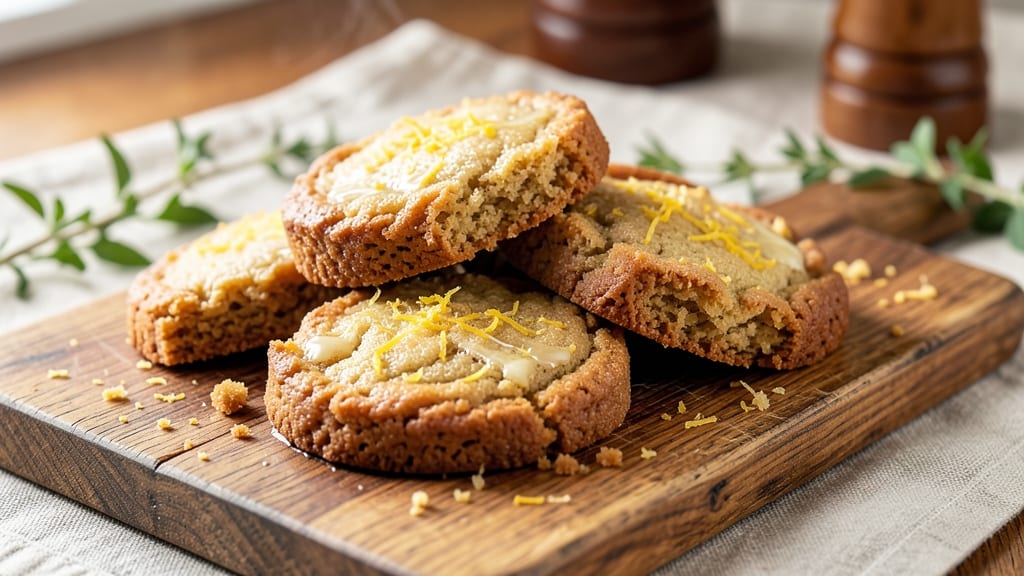
This Amish shortbread cookie recipe delivers the signature buttery crumb that melts in your mouth with every bite. 💛 The secret lies in the high butter ratio and traditional rolling technique that creates those iconic crisscross patterns.
I've perfected this recipe over years of baking, ensuring each cookie maintains its signature tender yet slightly crisp texture.
The dough comes together with just five ingredients—flour, butter, sugar, vanilla, and a pinch of salt—making it simple yet impressive. The key to success is chilling the dough thoroughly before rolling and cutting, which prevents spreading and ensures clean edges.
This method also allows the butter to firm up, creating that signature shortbread crumb.
When baked to golden perfection, these cookies develop a delicate caramelized flavor with a melt-in-your-mouth texture that's impossible to resist. The aroma alone will fill your kitchen with warmth, making them perfect for holiday gatherings or a cozy afternoon treat.
Each batch yields about 24 cookies, so you'll have plenty to share.
For added depth, consider incorporating lemon zest or vanilla bean paste into the dough. These variations elevate the classic flavor while maintaining the signature texture. Once you try these, you'll never buy store-bought shortbread again—they're that good.
Ingredients for amish shortbread cookie
Five simple ingredients create the iconic buttery crumb that makes Amish shortbread unforgettable.
| Ingredient | Amount | Notes |
|---|---|---|
| All-Purpose Flour 🌾 | 2 ½ cups | Sifted for light texture |
| Unsalted Butter 🧈 | 1 lb | Cold, cubed for even mixing |
| Granulated Sugar 🍚 | ½ cup | Superfine preferred for smooth crumb |
| Pure Vanilla Extract 🌸 | 1 tbsp | High-quality for authentic flavor |
| Diamond Crystal Kosher Salt 🧂 | ¼ tsp | Fine grain for even distribution |
| Lemon Zest 🍋 | 1 tbsp | Optional for citrus brightness |
| Vanilla Bean Paste 🌸 | 1 tsp | Optional for enhanced flavor |
| Powdered Sugar 🍚 | ½ cup | For dusting finished cookies |
The butter is non-negotiable here—European-style unsalted butter (like Plugrá) gives the richest flavor, but any good brand works. Grab 1 lb cold and cubed from the dairy section, not the baking aisle. The flour? King Arthur or Gold Medal are my go-tos—they bake up lighter than store-brand. Sift it first for that signature tender crumb. Sugar matters too: superfine dissolves better, but regular granulated works if you pulse it in a food processor. For the vanilla, Nielsen-Massey is my go-to, but any pure extract will do. Skip the imitation stuff—it's not worth it.
No vanilla bean paste? Extra vanilla extract at double the amount works in a pinch. The lemon zest is optional but adds a lovely brightness—use organic lemons if possible, as conventional ones can taste bitter. Running short on powdered sugar? Process granulated sugar in a blender until it's fine. The dough needs to chill for at least 2 hours, so plan ahead. If you're in a rush, freeze the dough balls for 30 minutes. And trust me, the 2-hour chill is worth it—it prevents spreading and ensures those iconic clean edges.
Wrap the dough in plastic and store it in the fridge for up to 3 days. The baked cookies keep their texture for 5 days in an airtight container, but honestly, they're best fresh. For gifting, package them in cellophane bags with ribbon—they make stunning presents. Freeze unbaked dough balls for up to 3 months—just bake straight from frozen, adding 2-3 minutes to the time. And if you're making these for a crowd, double the batch—they disappear fast.
Why You'll Love This Recipe
- You already own everything: flour, butter, sugar. No specialty ingredients, no pricey imports. Honestly, this recipe saved me $20 last month when I realized I could make these instead of buying overpriced cookies. (My wallet and taste buds both won.)
- No-Fuss Mixing: I swear by this recipe because it’s just three ingredients (plus salt) that come together in minutes—no eggs, no chilling, no fuss. Just pulse the butter and sugar until it looks like wet sand, toss in the flour, and press. Seriously, my kids think I’m a magician.
- Buttery Vanilla Bliss: That cold butter cut into sugar? It creates these little pockets of melt-in-your-mouth goodness with every bite. The vanilla isn’t just a drop—it’s there, warm and cozy, like a hug from Grandma’s kitchen. (Yes, even on a Tuesday night.)
- Party in a Jar: These cookies freeze like champs, so I make a double batch and stash them for holidays, last-minute gifts, or when I forget to bake for my book club. Just thaw and serve—no one will guess they’ve been sitting since December.
Step-by-step instructions for Amish shortbread cookies
Here's how to craft the signature buttery crumb that defines Amish shortbread—simple steps for perfect results.
👨🍳 Step 1: Cut and Chill the Butter
Take the 1 lb unsalted butter from the refrigerator and cut it into ½-inch cubes using a sharp chef's knife. Place the cubes in a large mixing bowl and refrigerate for 10 minutes—this ensures they stay cold and firm during mixing, which is crucial for that signature flaky texture.
While the butter chills, sift the 2.5 cups all-purpose flour into the same bowl. Add the 0.5 cup granulated sugar, 0.25 tsp diamond crystal kosher salt, 1 tbsp lemon zest, and 1 tsp vanilla bean paste to the flour mixture. This dry blend will create the perfect foundation for our shortbread.
🍳 Step 2: Mix Until Crumbly Perfection
Using a wooden spoon or silicone spatula, gently fold the cold butter cubes into the dry ingredients. Work quickly but carefully to avoid melting the butter—you want to maintain those distinct, pea-sized butter pieces throughout the dough. After about 2 minutes, the mixture should resemble coarse crumbs with visible butter chunks.
At this stage, the dough will look dry and uneven—that's exactly what we want for authentic Amish shortbread. If you're using 1 tbsp pure vanilla extract as well, add it now and mix lightly. The combination of vanilla extract and vanilla bean paste will give these cookies an extra layer of aromatic depth that's characteristic of Amish baking traditions.
🥘 Step 3: Press and Cut the Dough
Transfer the dough to a piece of parchment paper and press it evenly into a ½-inch thick rectangle using your hands or the bottom of a glass. The dough should hold its shape when pressed—if it crumbles too much, return it to the freezer for 5 minutes to firm up. This step creates the classic shortbread layers that melt in your mouth.
Using a 2½-inch round cutter (or a glass of that size), cut out circles from the dough. Place them 1 inch apart on a parchment-lined baking sheet. Gather any scraps, re-press, and cut additional cookies. For the most authentic Amish presentation, you can also cut some into decorative shapes like stars or leaves using a smaller cutter.
🔥 Step 4: Bake to Golden Deliciousness
Preheat your oven to 325°F—this lower temperature ensures even baking without browning. Bake the cookies for 20-25 minutes until the edges are just beginning to turn golden and the centers remain pale. The key is to remove them when they're still slightly underdone—they'll firm up as they cool.
While the cookies bake, prepare the finishing touch: whisk the 0.5 cup powdered sugar with 1 teaspoon lemon zest in a small bowl. As soon as the cookies come out of the oven, immediately sprinkle this mixture evenly over the tops. The powdered sugar will melt slightly from the residual heat, creating that signature dusty finish that makes Amish shortbread so special.
⏰ Step 5: Cool and Enjoy
Let the cookies cool on the baking sheet for 10 minutes before transferring them to a wire rack. This brief resting period allows the powdered sugar to set while keeping them tender. The cookies will continue to soften slightly as they cool completely—this is normal and part of their melt-in-your-mouth magic.
Serve warm for the ultimate experience, or store in an airtight container for up to 5 days. These shortbread cookies pair beautifully with tea or coffee, and their buttery richness makes them a perfect treat any time of day. The secret to their success lies in that perfect balance of cold butter and gentle baking—don't rush this process, and you'll have cookies that taste like they came straight from an Amish kitchen.
Pro Tips For Making Amish Shortbread Cookie
- Chill the Dough Hard: I learned this the hard way—rolling out dough straight from the fridge leads to cracks and uneven baking. Wrap the dough in plastic and freeze it for at least 30 minutes (yes, even if you're impatient like me). The colder it is, the cleaner the edges and the better the shape holds when cutting.
- Use Cold Butter Blocks: Skip the softened butter—cut the unsalted butter into ½-inch cubes and freeze them for 10 minutes first. Pulse them in a food processor until they’re pea-sized but still cold. This keeps the cookies tender without turning them greasy, and the texture stays perfect.
- Don’t Overmix the Dough: Once you add the vanilla and salt, mix just until combined—no more than 10 strokes with a fork or paddle. Overworking the dough develops gluten, and these cookies should be crumbly, not chewy. I used to think extra mixing made them stronger, but it ruins the texture.
- Cut Uniform Slices: Use a sharp knife or pizza cutter to slice the dough into ½-inch strips, then stack them and cut again for perfect squares. Press down firmly—this ensures even baking and crisp edges. My grandmother swore by this, and she was right: the cookies bake more evenly and look like they’re from a bakery.
Storing and reheating your leftovers
Room-Temperature Revival
If your shortbread cookies have lost their crispness, place them on a baking sheet and warm in a 300°F oven for 3-5 minutes. This gentle heat reactivates their texture without overcooking.
For extra crunch, sprinkle with powdered sugar and return to the oven for 1 minute—the sugar will caramelize slightly, restoring that signature crunch. 🔥
Freezer Refresh
Baked cookies freeze beautifully for up to 3 months in an airtight container. When ready to enjoy, thaw at room temperature for 1 hour before warming. For a quick fix, microwave individual cookies on low power for 10 seconds—just enough to revive their texture without drying them out.
I like to store them in quart-sized freezer bags with parchment paper between layers.
Storage Secrets
Keep cookies in an airtight container with a slice of bread to absorb moisture—this prevents them from becoming gummy. Store at room temperature for up to 5 days, or refrigerate for 1 week if your kitchen is humid.
The bread trick works wonders for maintaining that perfect shortbread texture. For gifting, wrap individual cookies in parchment paper and tie with twine for a rustic touch.
Dough Revival Tips
If you've chilled leftover dough, let it sit at room temperature for 10 minutes before pressing and cutting—this makes it easier to handle. For dough that's been refrigerated for days, press it between two sheets of parchment paper and roll it out gently.
The texture will be slightly softer, but it'll still yield delicious cookies. Always return unused dough to the fridge to maintain its firmness.
Reviving Dry Cookies
Dry shortbread cookies can be revived with a simple steam treatment. Place cookies in a sealed container with a damp paper towel and microwave on low for 10-15 seconds. The steam will soften them without making them soggy.
For a more dramatic revival, brush with melted butter and bake at 325°F for 3-4 minutes—this restores their rich buttery flavor and texture.
Make-Ahead Freezing
For future baking sessions, freeze unbaked dough balls for up to 3 months. When ready to bake, add 2-3 extra minutes to the baking time since they'll be colder. I like to freeze dough balls on a parchment-lined tray first, then transfer to a freezer bag.
This prevents them from sticking together. Thaw in the fridge overnight for best results, or bake straight from frozen with the extended time. ✨
Nutrition facts
Frequently asked questions
Why do Amish shortbread cookies need to chill before baking?
The 2-hour chill is crucial for two reasons: it firms up the butter so it doesn't spread during baking, and it allows the flour to fully hydrate for that signature tender crumb. Skipping this step often results in flat, greasy cookies instead of the classic tall, buttery rounds you want.
Can I substitute butter with something else?
For authentic Amish shortbread, butter is non-negotiable—it creates the signature flaky, melt-in-your-mouth texture. However, if you must substitute, use cold vegetable shortening (like Crisco) in a 1:1 ratio. Shortening has no flavor but will give you a similar texture. Margarine won't work as well due to its higher water content.
How do I get the classic crisscross pattern?
Use a fork or crisscross cutter to score the tops of your dough circles before baking. Press down firmly to create deep grooves—this allows the butter to escape during baking, creating those iconic lines. For extra authenticity, dip the fork in powdered sugar before scoring to add flavor contrast.
Why did my cookies spread too much?
Over-spreading usually means the butter was too warm when you pressed the dough. Always keep your butter cold and work quickly when mixing. If your dough feels too soft, return it to the fridge for 10-15 minutes before pressing. Also ensure your oven isn't too hot—325°F is perfect for even baking without spreading.
What's the best way to store these for holiday gifting?
Wrap individual cookies in parchment paper, then place them in cellophane bags with a silica gel packet to prevent moisture. Tie with festive ribbon and include a handwritten note. Store the bags in a cool, dark place for up to 2 weeks—the parchment keeps them from getting soggy while maintaining that perfect shortbread texture.