
Side Dishes
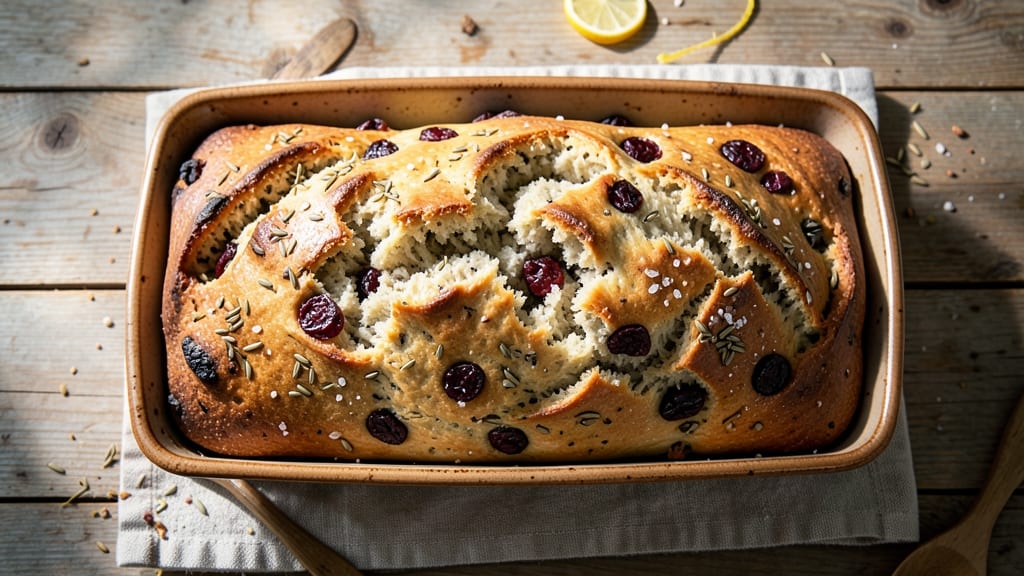
This Amy's raisin fennel bread recipe delivers a perfect balance of sweet, earthy fennel and plump raisins wrapped in a golden, crispy crust. The anise notes from fennel create a unique depth that pairs beautifully with the natural sweetness of raisins, while the crust achieves that coveted bakery-style crunch.
I developed this recipe after years of experimenting with breads that could stand up to both savory and sweet applications—this one does both beautifully.
The secret to achieving that signature texture lies in proper kneading and proofing techniques, which develop gluten structure without overworking the dough. Fennel seeds add their signature licorice-like flavor during the kneading process, while raisins soak up the dough's moisture for perfect plumpness.
This recipe yields a loaf with a tender crumb and a crust that's crisp enough to toast, making it equally perfect for breakfast with butter or as a dessert companion to ice cream.
What makes this recipe truly special is its versatility—it works as a side with roasted meats, a breakfast staple, or even a dessert when paired with vanilla ice cream. The fennel's anise notes provide complexity that elevates simple pairings, while the raisins add bursts of sweetness that satisfy any craving.
With just a few simple ingredients and proper technique, you'll achieve bakery-quality results that taste homemade.
Ready in about 2 hours from start to finish, this recipe delivers restaurant-quality bread with minimal effort. The key is patience during proofing and baking—don't rush these steps if you want that perfect crunchy top and tender interior.
Whether you're baking for a crowd or treating yourself to a special loaf, this raisin fennel bread will become a staple in your kitchen.
Ingredients for amy's raisin fennel bread
Twelve simple ingredients transform into bakery-style bread with anise-kissed fennel and plump raisins.
| Ingredient | Amount | Notes |
|---|---|---|
| All-Purpose Flour 🌾 | 4 cups | Spooned and leveled, not scooped |
| Whole Milk 🥛 | 1 cup | Warm to room temperature |
| Granulated Sugar 🍚 | ¼ cup | Light brown sugar for depth |
| Active Dry Yeast 🍞 | 2 ¼ tsp | 1 packet, fresh for best rise |
| Fennel Seeds 🌿 | 2 tsp | Toasted for maximum flavor |
| Sea Salt 🧂 | 1 ½ tsp | Diamond Crystal preferred |
| Unsalted Butter 🧈 | ½ cup | Cold, cubed for dough |
| Plump Raisins 🍇 | ¾ cup | Soaked in warm water first |
| Large Egg 🥚 | 1 whole | Room temperature for best mix |
| Honey 🍯 | 1 tbsp | For dough tenderness |
| Cornmeal 🌽 | ¼ cup | For dusting baking sheet |
| Coarse Sugar 🍚 | ¼ cup | For bread topping |
The fennel seeds are non-negotiable—they bring that signature licorice warmth that makes this bread special. Buy whole seeds from Penzeys or bulk bins for the freshest flavor, and toast them in a dry pan for 30 seconds before adding to the dough. The raisins? Golden raisins work best—soak them in warm water for 10 minutes first so they stay juicy. For the flour, King Arthur or Bob's Red Mill brands give that perfect texture. And the butter—Plugrá or Land O'Lakes are my go-tos, but any unsalted works if it's cold and cubed.
No fennel seeds? Anise seeds at double the amount get you close, though the flavor won't be identical. Short on raisins? Dried cranberries or chopped dates add sweetness without overpowering. The honey can be swapped for maple syrup at half the amount, but it'll be slightly less tender. For a lighter loaf, replace 1 cup flour with vital wheat gluten. And if you're gluten-free, King Arthur GF flour blend works surprisingly well—just add 1 tsp xanthan gum. The yeast? Always check the date—if it's over 3 months old, it's time for a new packet.
This dough needs patience—proof it until it's nearly doubled, about 1.5 to 2 hours, in a warm spot. For extra crunch, brush the baked loaf with melted butter after baking. Store wrapped at room temp for 2 days, or freeze the whole loaf for up to 3 months. Toast slices for breakfast or pair with cheese for a savory twist. The crust stays crisp for 24 hours if kept in an airtight container—perfect for snacking straight from the bag.
Why You'll Love This Recipe
- No-Knead Nightmare Solved: This dough comes together in one bowl—no stand mixer, no overworking, just a quick mix and a long rise. I swear, the only "kneading" I do is when I’m impatiently waiting for the yeast to work its magic.
- Fennel Magic Unlocked: That earthy, licorice-like warmth from the fennel seeds? It’s like a cozy hug in every bite, especially when those raisins plump up just right. Honestly, the sugar caramelizes in a way that makes me want to eat it straight from the dough.
- Breakfast to Snack Hero: Toast it for breakfast with butter and jam, or tear it into chunks for a quick snack with cheese. My kids grab it for lunchboxes, and I sneak slices into my coffee cake batter—because why not?
- Pantry Staple Power: Flour, milk, sugar—you’ve got this. The yeast does all the heavy lifting, and the fennel seeds add depth without costing a fortune. Plus, a loaf lasts me five days, so I’m always covered without extra shopping.
Step-by-step instructions for Amy's raisin fennel bread
Let's create this aromatic, sweet-savory loaf with a crackly crust and tender crumb.
Prepare the Raisins and Toast the Fennel Seeds
Start by soaking the 0.75 cup plump raisins in ¼ cup warm water for 10 minutes. This plumps them up beautifully and prevents them from drying out during baking. Drain well before using—you want them moist but not dripping.
While those soak, toast the 2 tsp fennel seeds in a dry skillet over medium heat for 2-3 minutes until fragrant and lightly golden. Watch them closely—they burn quickly! Let them cool completely before adding to the dough. This toasting intensifies their anise flavor, making every bite sing with that distinctive sweet-licorice note.
Activate the Yeast and Mix the Dough
In a small bowl, combine the 1 cup warm whole milk (about 110°F—too hot and you'll kill the yeast), 0.25 cup granulated sugar, and 2.25 tsp active dry yeast. Let this sit for 5-10 minutes until foamy. You'll see tiny bubbles forming on the surface—this tells you your yeast is alive and ready to work.
In a large bowl, whisk together the 4 cups all-purpose flour and 1.5 tsp sea salt. Add the yeast mixture, 1 whole large egg, 1 tbsp honey, and the toasted fennel seeds. Mix until combined, then cut in the 0.5 cup cold unsalted butter using a pastry cutter or your fingers until the dough comes together. The butter should be in small pea-sized pieces—this creates tender pockets in the final bread.
Knead and First Rise
Turn the dough onto a lightly floured surface and knead for 8-10 minutes until smooth and elastic. You'll know it's ready when it springs back slowly when poked. If the dough feels too sticky, add 1 tablespoon flour at a time—but don't overdo it, or your bread will be dense.
Shape the dough into a ball, place it in a lightly greased bowl, and cover with a damp towel. Let it rise in a warm place for 1-1.5 hours or until doubled in size. I like to put it near the oven with the light on—this creates a warm, humid environment perfect for rising. Poke the dough gently: if it springs back slowly, it's ready.
Shape and Second Rise
Punch down the risen dough and fold in the soaked raisins. Gently shape the dough into a 9x5-inch loaf pan, leaving about ½ inch headspace at the top. This allows room for the bread to expand and develop that gorgeous crackly crust. Brush the top with a little water and sprinkle with the 0.25 cup coarse sugar.
Cover the pan with a towel and let the dough rise for another 30-45 minutes until it's just about ready to overflow the pan. Preheat your oven to 375°F during this final rise. The sugar will caramelize beautifully during baking, creating that perfect balance of sweet and savory.
Bake to Golden Perfection
Bake the bread for 35-40 minutes until the top is deep golden brown and sounds hollow when tapped on the bottom. The internal temperature should reach 190-200°F. If the top browns too quickly, tent it loosely with foil.
Remove from the oven and let the bread cool in the pan for 10 minutes before transferring to a wire rack. This resting period helps the bread set properly. The crust should be crisp and crackly, the interior tender with pockets of chewy dough, and the raisins plump and juicy. Slice while still warm for the best texture—this bread tastes even better the next day, but fresh from the oven? Pure magic.
Pro Tips For Making Amy'S Raisin Fennel Bread
- TOAST THE FENNEL SEEDS: I learned this the hard way—raw fennel seeds taste like nothing but bitterness. Lightly toast them in a dry pan for 30 seconds until fragrant, then grind them fresh. That’s when the anise notes pop and the bread actually tastes like a bakery loaf, not a missed opportunity.
- WEIGH YOUR FLOUR: Scooping flour from the bag packs in air, and this recipe won’t rise right if it’s too light. Use a kitchen scale for the 4 cups—it’s 450 grams, give or take. Trust me, the difference in texture is night and day, especially with the whole milk making the dough extra sticky.
- DON’T OVERMIX THE DOUGH: After burning three batches, I finally figured out the gluten develops too fast with whole milk. Mix just until the flour is mostly incorporated—lumps are fine. A few seconds past that, and you’ll end up with a chewy brick instead of a tender, airy loaf. Stop when the dough clings but doesn’t fight you.
- LET THE RAISINS SOAK: Sounds weird, but it works: Toss the raisins in warm milk for 10 minutes before adding them to the dough. They’ll plump up and release just enough liquid to keep the bread moist without making it gummy. (Yes, even if you’re impatient like me.)
Pro cooking tips for perfect results
Fennel Seed Toasting
Toast your 2 tsp fennel seeds in a dry skillet over medium heat for exactly 2-3 minutes until fragrant and lightly golden. This step is non-negotiable—it unlocks the full anise flavor that makes this bread special.
Watch them like a hawk; they burn faster than you think! Let them cool completely before mixing into the dough. I like to grind them slightly with my mortar and pestle for even distribution. 🌿
Yeast Activation Check
Your yeast mixture should be foamy with visible bubbles after 5-10 minutes—this confirms it's active and ready to work. If it's flat or sluggish, your yeast may be old or your milk too hot.
I always test mine by dropping a bit of the mixture into a glass of water—if it floats, it's ready! Room-temperature milk (110°F) is crucial for proper activation. 🍞
Kneading Technique
Knead the dough for 8-10 minutes until it springs back slowly when poked. Use the "windowpane test"—stretch a small piece of dough thin enough to see light through it. If it tears, keep kneading.
I find using a stand mixer with a dough hook saves my hands while ensuring consistent gluten development. Add flour 1 tbsp at a time only if absolutely necessary to prevent a dense crumb. 💪
Raisin Preparation
Soak your 0.75 cup raisins in ¼ cup warm water for 10 minutes—this ensures they stay plump and juicy in the finished bread. Drain well before adding to the dough, but don't squeeze them dry.
I like to chop the soaked raisins into ½-inch pieces for even distribution. For extra richness, toss them with 1 tsp melted butter before folding into the dough. 🍇
Sugar Topping Trick
Sprinkle the 0.25 cup coarse sugar on top of the shaped loaf before the final rise—this creates that beautiful caramelized crust while adding subtle sweetness. Brush the dough with water first to help the sugar adhere.
For extra crunch, add 1 tsp poppy seeds or toasted sesame seeds to the sugar mixture. The sugar will caramelize during baking, creating that perfect balance of sweet and savory. 🍚
Baking Temperature
Bake at 375°F for 35-40 minutes until the internal temperature reaches 190-200°F. The bread is done when it sounds hollow when tapped on the bottom. If the top browns too quickly, tent with foil.
For a darker crust, increase the oven temp to 390°F for the last 5 minutes. Always let the bread cool in the pan for 10 minutes before removing—this prevents crumbling. 🔥
Nutrition facts
Frequently asked questions
Can I make this bread without a loaf pan?
Yes! Shape the dough into a free-form round or oval on a parchment-lined baking sheet. Brush with water, sprinkle with 0.25 cup coarse sugar, and bake at 375°F for 30-35 minutes. For extra height, place dough on a preheated baking stone. The crust will be slightly different but still delicious!
Why did my bread turn out dense instead of light?
Dense bread usually means over-kneading or under-proofing. Knead only until smooth (8-10 minutes) and let it rise until doubled. Also check your yeast—if it's old or your milk was too hot (110°F max), it won't activate properly. Try activating yeast in warm water first to test its freshness.
How can I store or reheat this bread?
Keep wrapped at room temperature for 2 days or freeze for 3 months. To reheat, wrap slices in foil and warm at 350°F for 5-8 minutes until crispy. For extra crunch, toast slices in a dry pan over medium heat for 1-2 minutes per side. The crust stays crisp for 24 hours in an airtight container.
What's the best way to use up extra fennel seeds?
Save the leftover fennel seeds for future baking! Add them to muffin batter, cookie dough, or savory breads. Toast them fresh each time for maximum flavor. They also make a great rim for cocktail glasses—just mix with salt and sugar. Store seeds in an airtight container away from light.
Can I substitute raisins with something else?
Try dried cranberries, chopped dates, or chocolate chips for a different flavor profile. Soak dried fruits first to prevent dryness. For a savory version, omit the sugar topping and add sun-dried tomatoes or olives instead. The fennel flavor will still shine through!