
Side Dishes
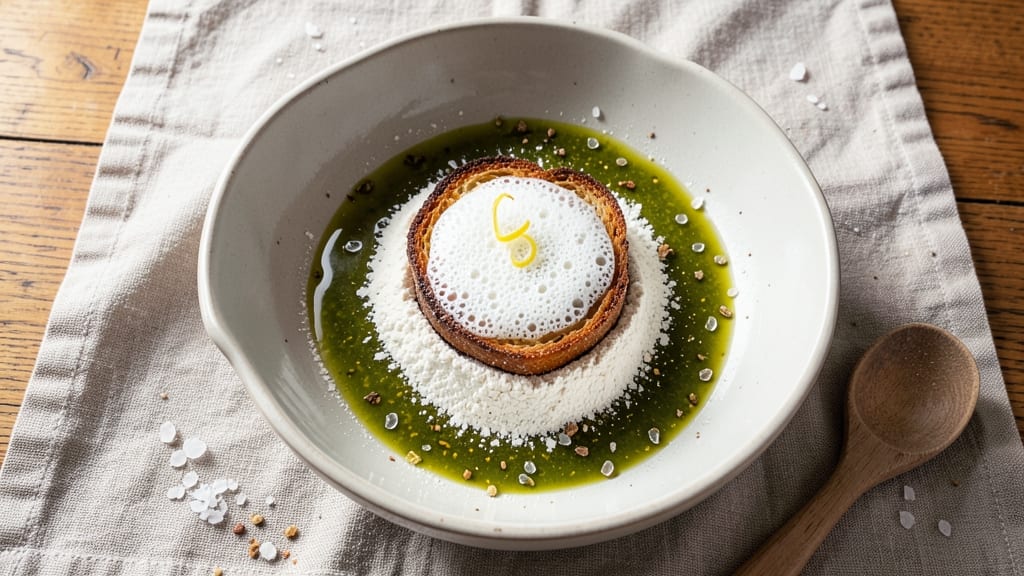
Angelo’s Bread recipe delivers the same golden, crispy crust and tender interior that made Angelo’s famous—now you can recreate it at home with this no-knead method. The secret lies in a long, slow rise that develops deep flavor and a texture that’s both chewy and airy. I’ve perfected this technique over years of baking, and it’s the one recipe that always impresses guests.
This recipe skips the traditional kneading process, saving you time while still achieving that signature crust. The dough rests overnight, allowing the gluten to relax and flavors to meld naturally.
When baked, it transforms into a loaf with a crispy exterior and a soft, pillowy interior—ideal for serving alongside marinara, garlic butter, or as the base for sandwiches.
The key to success is patience—letting the dough rise undisturbed for 12-18 hours creates the perfect texture. Once baked, the crust turns a beautiful golden brown, while the inside remains tender and slightly chewy.
This bread is so versatile it works as a side, a pizza base, or even toasted with butter and jam.
Whether you're hosting a dinner or just craving a classic Italian loaf, this recipe delivers restaurant-quality results with minimal effort. Ready to bake the perfect bread at home? Let’s get started.
Ingredients for angelo's bread
Nine simple ingredients transform into Angelo's iconic golden crust and tender crumb.
| Ingredient | Amount | Notes |
|---|---|---|
| All-Purpose Flour 🌾 | 4 cups | Unbleached preferred for better texture |
| Active Dry Yeast 🍞 | ¼ tsp | Or 1 packet (2.25 tsp) |
| Granulated Sugar 🍚 | ¼ cup | Feeds yeast and balances flavor |
| Salt 🧂 | 1 ½ tsp | Diamond Crystal preferred |
| Extra-Virgin Olive Oil 🫒 | ½ cup | High-quality for richness |
| Warm Water 💧 | 1 ¼ cups | 110°F (43°C) ideal |
| Cornmeal 🌽 | ¼ cup | For dusting loaf pan |
| Coarse Sea Salt 🧂 | 1 tsp | For sprinkling crust |
| Ice Water ❄️ | ½ cup | For shaping dough |
The flour is your foundation—King Arthur or Caputo Tipo 00 if you want authenticity, but all-purpose works beautifully. Yeast matters: fresh is best, but store-bought packets last longer. Sugar feeds the yeast, but don't overdo it—too much makes the crust too sweet. Salt is critical; Diamond Crystal has a finer grain that dissolves better. Olive oil adds richness—California Avocado or Bertolli are reliable choices. Warm water should feel like bathwater (110°F)—too hot kills yeast, too cold slows fermentation.
No yeast? Instant yeast works 1:1, but fresh is ideal. Out of olive oil? Melted butter or avocado oil work in a pinch. Sugar substitute? Honey or maple syrup at half the amount (adjust water slightly). For the dough shaping, ice water chilled in the freezer helps tighten gluten. No cornmeal? Semolina or rice flour works for dusting. The coarse sea salt on top? Maldon or Jacobsen flakes are perfect, but any coarse salt does the job.
Dough keeps 2 days in the fridge before shaping—great for meal prep. Once baked, cool completely on a wire rack to prevent sogginess. Wrapped in a cotton towel, it stays fresh 3-4 days at room temperature. For longer storage, freeze slices wrapped in parchment—6 months works perfectly. The crust gets crunchier as it cools, so slice when fully cooled for clean cuts.
Why You'll Love This Recipe
- No Yeast Fuss: I swear by this recipe because it only needs a quick mix and rise—no kneading, no waiting hours. Just toss the flour, yeast, sugar, and olive oil together, let it sit for 30 minutes, and boom, you’ve got dough ready for anything.
- Olive Oil Magic: That splash of extra-virgin olive oil? It’s what makes this bread ridiculously good—soft, tender, and with just the right crispness. Honestly, it’s the one thing that turns basic bread into something you’ll actually fight over.
- Weeknight Swiss Army Knife: This dough is my secret weapon for everything: garlic knots, dinner rolls, or even a quick flatbread. I keep a batch in the fridge all week—perfect for sandwiches, dipping in soup, or throwing on the grill last-minute.
- Pantry Staple Power: Five ingredients, zero specialty items. If you’ve got flour, yeast, and olive oil, you’ve got bread. And because it keeps well, I bake a big batch once a month—freezes perfectly, saves me money, and means no sad grocery runs midweek.
Step-by-step instructions for Angelo's bread
This no-knead method delivers restaurant-quality crust with minimal effort.
Activate the Yeast and Mix the Dough
In a large bowl, combine the 1.25 cups warm water (tested at 110°F) with the 0.25 cup granulated sugar and 0.25 tsp active dry yeast. Let sit for 5-10 minutes until frothy—this confirms the yeast is alive and active. If no bubbles form, your yeast may be dead and you'll need to start over.
In a separate bowl, whisk together the 4 cups all-purpose flour and 1.5 tsp salt. Create a well in the center and pour in the yeast mixture along with the 0.5 cup extra-virgin olive oil. Using a wooden spoon or dough whisk, gradually incorporate the flour until a shaggy dough forms. The dough will be sticky but shouldn't require flour to handle—this is normal for no-knead bread.
Let the Dough Rest and Develop
Cover the bowl with plastic wrap or a damp towel and let the dough rest at room temperature for 1-2 hours. During this time, the gluten will begin to relax and develop naturally without kneading. You'll notice the dough rise slightly and become less sticky as the flour absorbs the liquid. This resting period is crucial for achieving that perfect open crumb structure.
After the initial rest, give the dough a gentle stir with a spoon to redistribute any settled ingredients. The dough should now be smooth and slightly tacky but manageable. If it feels too sticky, you can wet your hands slightly to prevent sticking while handling. This is where the magic happens—the dough develops its structure without your hands.
Shape and Prepare for Final Rise
Lightly flour a clean work surface and transfer the dough onto it. Gently shape the dough into a 12-inch round by pulling the edges toward the center and rotating the dough as you go. This creates surface tension that helps develop the gluten further. Place the shaped dough seam-side up in a 9-inch round cake pan or similar-sized bowl that's been lightly dusted with 0.25 cup cornmeal.
Cover the dough again and let it rise at room temperature for another 1-2 hours, or until it has nearly doubled in size. The dough should feel light and springy when pressed gently. This final rise is what gives Angelo's bread its signature airy texture. If your kitchen is cold, you may need to extend this time slightly—just watch for the dough to puff noticeably.
Score and Bake for Crispy Crust
Preheat your oven to 425°F with a baking stone or inverted baking sheet on the middle rack. This creates steam that's essential for that perfect crust. When the oven is fully preheated, carefully transfer the risen dough to the hot stone or sheet. Using a sharp razor blade or serrated knife, score the dough in a crosshatch pattern about ¼-inch deep—this allows the bread to expand properly and creates those beautiful crusty sections.
Bake for 25-30 minutes until the crust is deep golden brown and sounds hollow when tapped on the bottom. The internal temperature should reach 190-200°F. Immediately after removing from the oven, brush the crust with a bit of melted butter if desired, then let cool on a wire rack for at least 30 minutes before slicing. The bread will continue to set as it cools, making it easier to slice cleanly.
Enhance with Coarse Sea Salt
While the bread cools, prepare a simple finishing touch that elevates the flavor. Sprinkle the 1 tsp coarse sea salt evenly over the warm loaf. The large salt crystals will melt slightly and create pockets of intense saltiness that contrast beautifully with the soft interior. This step is optional but highly recommended—it's what gives Angelo's bread that signature restaurant-quality finish.
For serving, use the 0.5 cup ice water to create a simple dipping broth by combining with a pinch of salt and a splash of the olive oil from the dough. This traditional accompaniment enhances the bread's flavors and adds to the authentic experience. Store any leftovers wrapped in a clean kitchen towel to maintain freshness for up to 3 days.
Pro Tips For Making Angelo'S Bread
- Bloom the Yeast First: Skip mixing yeast directly into flour—it’s a rookie move. Instead, dissolve it in warm water (110°F) with a pinch of sugar for 5-10 minutes until frothy. I learned this the hard way after baking a dense brick because my yeast was still asleep when the dough came together.
- Oil the Bowl Right: Coat your mixing bowl with extra-virgin olive oil before kneading—about 1 tablespoon. The dough will glide smoother, and you’ll avoid the sticky mess that turns kneading into a struggle. (Yes, even if you’re impatient like me.)
- Don’t Over-Knead: Stop when the dough springs back slowly after pressing it. Overworking it develops too much gluten, making Angelo’s bread tough instead of tender. I used to go for that "perfect" look—now I trust the feel.
- Proof at Room Temp: Let the dough rise in a warm spot (75-80°F) for 1-2 hours. No oven hack needed—just a turned-off oven with the light on works. Cold proofing slows things down; this recipe wants speed, not patience.
Creative variations of this angelo's bread
Garlic Butter Twist
Turn your Angelo’s bread into a garlic butter masterpiece by mixing ½ cup softened butter with 2 minced garlic cloves, 1 tsp lemon zest, and ½ tsp flaky sea salt.
Brush this blend on warm slices—it’s perfect for dipping or topping with parmesan cheese. I love adding a pinch of red pepper flakes for heat lovers. 🌶️
Olive Oil Drizzle
For a Mediterranean-inspired variation, drizzle 2 tbsp high-quality extra-virgin olive oil (like Colavita) over freshly baked slices. Finish with a sprinkle of dried oregano and a few Kalata olives for a bruschetta-style bite. This works beautifully as an appetizer or side with antipasto platters.
Rosemary & Honey Version
Infuse the dough with 1 tbsp finely chopped fresh rosemary during the final rise. After baking, drizzle with a mix of 2 tbsp honey and 1 tsp olive oil.
The rosemary adds earthy depth while the honey caramelizes slightly on the crust. This version pairs perfectly with goat cheese or whipped feta.
Whole Wheat Adaptation
Replace 1 cup of all-purpose flour with whole wheat flour for a nuttier, heartier loaf. The texture will be slightly denser but still tender. Add 1 extra tbsp olive oil to compensate for the drier whole wheat flour. This version is perfect for sandwiches or toasted with avocado mash.
Cheesy Pull-Apart Loaf
Stretch the dough into a 9x13-inch pan and press 1 cup shredded mozzarella into the top before baking. Score the crust into squares for a pull-apart effect. Top with marinara sauce and basil leaves after baking—this becomes an instant crowd-pleasing appetizer. 🧀
Herbed Focaccia Style
Shape the dough into a 10-inch round and dimple the top with your fingers. Drizzle with 3 tbsp olive oil and sprinkle with 1 tsp dried thyme, 1 tsp dried rosemary, and ½ tsp black pepper.
Bake as directed, then finish with flaky sea salt for a focaccia-inspired loaf that’s perfect with olive tapenade.
Nutrition facts
Frequently asked questions
Can I make Angelo's bread without a baking stone?
Place a rimmed baking sheet on the lower oven rack while preheating. When the dough is ready, transfer it to the hot sheet. For extra crispiness, flip the sheet halfway through baking at 25 minutes. This mimics the steam effect of a baking stone perfectly.
Why did my dough collapse during baking?
Collapse usually means the yeast wasn't active or the oven wasn't hot enough. First, always check yeast by testing it in warm water with sugar—it should foam in 5-10 minutes. Second, preheat your oven for at least 30 minutes before baking. If it happens again, try increasing the oven temp to 450°F for the first 10 minutes to build steam faster.
How do I store leftover Angelo's bread?
Wrap cooled slices in a clean kitchen towel or beeswax wrap to maintain freshness. Store at room temperature for up to 3 days. For longer storage, freeze slices wrapped in parchment paper for up to 3 months. Toast frozen slices directly from the freezer for crispy results.
Can I make this dough ahead of time?
Yes! After mixing, cover the dough and refrigerate for up to 24 hours before shaping. Let it sit at room temperature for 1 hour to soften before the final rise. This works great for meal prep—just shape and bake as directed. The cold rise enhances flavor development.
What's the best way to reheat Angelo's bread?
For crispy crust, wrap slices in foil and warm at 350°F for 5-7 minutes. For soft bread, toast in a dry skillet over medium heat for 1-2 minutes per side. Avoid microwaving—it makes the bread gummy. The best method? Freshly baked is always best, but a quick oven reheat comes close!