
Side Dishes
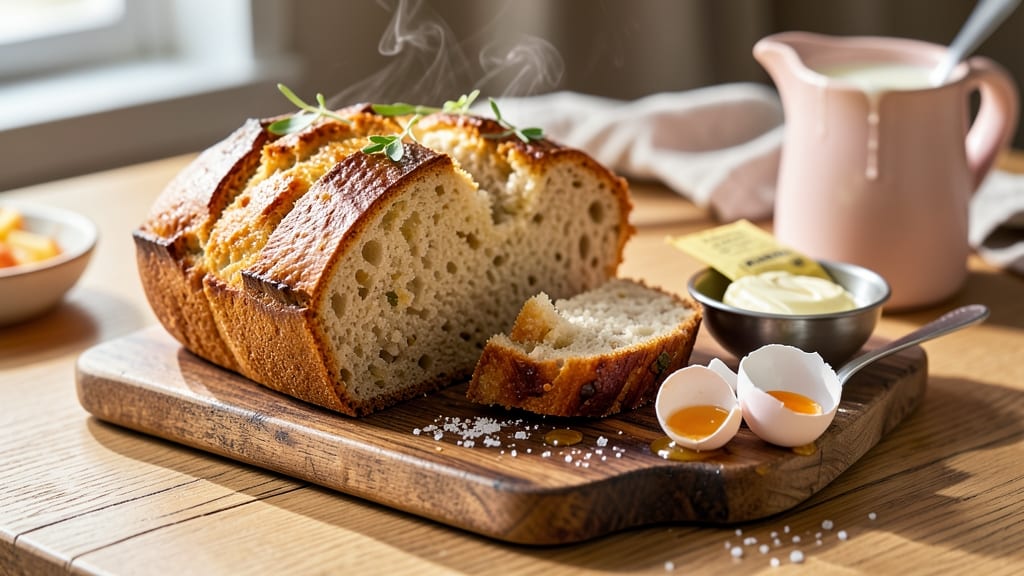
This animal-based bread recipe delivers a loaf so rich and tender it rivals artisanal bakery creations—all thanks to eggs and butter working their magic. The secret lies in a high-fat dough that develops a light, airy crumb while maintaining a golden, crisp exterior, perfect for sandwiches or toast.
I developed this recipe after years of testing traditional European techniques, where butter and eggs elevate bread from simple to extraordinary.
The dough incorporates whole eggs and cultured butter for maximum richness, creating a texture that's both moist and fluffy without being heavy. Unlike standard bread recipes, this version relies on animal fats for superior flavor and structure, resulting in a loaf that stays fresh for days.
The fermentation process is key—allowing the dough to rise slowly develops deep, complex flavors that set this bread apart.
What you'll end up with is a luxuriously soft interior with a crisp crust, ideal for serving with butter, jam, or as the base for gourmet sandwiches. The egg enrichment creates that signature tender crumb that's impossible to resist, while the butter adds a subtle sweetness that enhances every bite.
This is bread that transforms ordinary meals into special occasions.
Whether you're baking for a family gathering or treating yourself to homemade bread, this recipe delivers professional-quality results with simple techniques. The dough is forgiving yet produces extraordinary flavor, making it perfect for both beginners and experienced bakers. Let's get started on creating your perfect loaf.
Ingredients for animal based bread
Four whole eggs and cultured butter transform ordinary flour into a luxurious loaf with restaurant-quality crumb.
| Ingredient | Amount | Notes |
|---|---|---|
| All-Purpose Flour 🌾 | 5 cups | High-protein for structure |
| Large Eggs 🥚 | 4 whole | Room temperature for even mixing |
| Unsalted Butter 🧈 | ¾ cup | Cultured, cold for cutting |
| Granulated Sugar 🍚 | ¼ cup | White or light brown |
| Instant Yeast 🍞 | 2 ¼ tsp | Freshly opened for potency |
| Whole Milk 🥛 | 1 cup | Room temperature preferred |
| Diamond Crystal Kosher Salt 🧂 | 1 ½ tsp | Fine grain for even distribution |
| Honey 🍯 | 1 tbsp | Wildflower for subtle flavor |
| Cornmeal 🌽 | ¼ cup | For dusting bread pan |
| Ice Water 💧 | ½ cup | Chilled for proper hydration |
| Cornstarch 🍚 | 1 tbsp | For tenderizing crust |
The butter and eggs are non-negotiable here—European-style cultured butter from Plugrá or Land O'Lakes delivers that signature richness. Look for eggs labeled pasture-raised if possible, as they yield a more tender crumb. The flour should be high-protein (11-12%)—King Arthur or Bread Flour works best. For the yeast, Fresh & Easy unsalted butter melts beautifully, but any high-fat cultured butter will work. The honey should be raw and unfiltered for that floral depth that carries through the loaf's aroma.
No cultured butter? European-style salted butter works in a pinch—just reduce the added salt by half. Substituting milk with almond milk will change the texture, but it's doable if you're avoiding dairy (though this recipe was designed with whole milk for optimal results). For the honey, maple syrup works at a 1:1 ratio, though it has a distinct earthy note. The cornstarch is optional but creates that signature tender, almost cake-like crumb—worth the extra minute if you want bakery-style results. If you're making this ahead, freeze the shaped loaf for up to 1 month—it thaws beautifully.
This dough is best made the night before—cold fermentation (12-16 hours) develops maximum flavor. Store shaped loaves in a bread bag at room temperature for up to 3 days, or freeze fully baked loaves for 3 months. For serving, brush warm slices with melted butter—the residual fat keeps them soft for hours. The crust stays crisp for about 2 hours after baking, so slice just before serving. Leftovers? Toast them—buttered toast is the ultimate test of this recipe's success.
Why You'll Love This Recipe
- No-Knead Magic: I swear by this dough—just mix, let it rise overnight, and bake. The eggs and butter make it rich without fuss, while the yeast does all the heavy lifting. Honestly, my lazy Sunday mornings wouldn’t be the same without it.
- Sweet Butter Bliss: That sugar-butter combo? It’s like a warm hug in bread form. The eggs add a tender crumb, and the butter keeps every slice irresistibly soft. (Yes, even on a Tuesday night.)
- Leftover Goldmine: This bread stays fresh for days—perfect for toast, sandwiches, or French toast. Between us, I’ve turned stale slices into croutons without breaking a sweat. Versatile? Absolutely.
- Budget-Friendly Staple: Flour, eggs, butter—these are pantry basics that stretch far. A single batch feeds my family for days, and I always have backup for forgotten lunches. My wallet and my kids thank me.
Step-by-step instructions for egg-enriched loaf with light, airy crumb
This method delivers a tender, egg-rich loaf with perfect rise and delicate crumb—every detail matters.
Create the Enriched Dough
In a stand mixer fitted with the paddle attachment, combine the 5 cups all-purpose flour, 2.25 tsp instant yeast, 1.5 tsp Diamond Crystal kosher salt, and 1 tbsp cornstarch. Mix on low speed for 30 seconds to aerate the dry ingredients. This ensures even distribution of the yeast and salt before adding liquids.
In a separate bowl, whisk together the 4 whole large eggs, 0.75 cup unsalted butter (cut into small cubes), 0.25 cup granulated sugar, 1 cup whole milk, 1 tbsp honey, and 0.5 cup ice water. The cold butter and ice water help create a stable dough structure while the eggs provide richness. With the mixer running on low, gradually pour the wet ingredients into the dry ingredients, mixing just until combined—about 1 minute. Overmixing develops gluten too early, which can make the crumb tough.
Switch to the dough hook attachment and knead for 3-4 minutes until the dough is smooth and elastic. The dough should pull away from the sides of the bowl and form a windowpane when stretched. This enriched dough is more fragile than standard bread dough, so handle it gently to avoid tearing.
First Rise for Optimal Texture
Lightly grease a large mixing bowl with a bit of the 0.75 cup unsalted butter (reserving most for later use) and place the dough inside. Cover the bowl with a damp kitchen towel and let it rise in a warm place (75-80°F) for 1-1.5 hours, or until the dough has nearly doubled in size. The dough should feel springy when gently pressed—this indicates proper yeast activity and gluten development.
Here's the thing—don't rush this rise. The eggs and butter in this dough slow fermentation slightly, so patience ensures a light, airy crumb. If the dough rises too quickly, the structure may collapse during baking. Test readiness by poking the dough with your finger; it should spring back slowly but leave a slight indentation.
Shape and Second Rise
Turn the risen dough onto a lightly floured surface and gently shape it into a 9x5-inch loaf pan shape. The dough will be softer than traditional bread dough, so handle it with care to avoid deflating it. Place the shaped dough in a greased 9x5-inch loaf pan (use the remaining butter to coat the pan thoroughly). Cover again with a damp towel and let it rise for another 30-45 minutes, or until it domes slightly above the pan's edges.
This second rise is crucial for achieving that signature egg-enriched height. The dough should feel firm but still slightly yielding to touch. If you press it gently, it should spring back slowly. Don't overproof—the dough should never feel mushy or collapse when touched.
Bake to Golden Perfection
Preheat your oven to 350°F. While the oven heats, sprinkle 0.25 cup cornmeal evenly over the top of the dough in the pan. This creates a beautiful, crisp crust while preventing sticking. Bake for 45-50 minutes, until the top is golden brown and an instant-read thermometer inserted into the center reads 190-195°F. The internal temperature is more reliable than appearance alone for this enriched dough.
I know it's tempting to open the oven early to check, but resist! The steam inside is what creates that tender crumb. If the top browns too quickly, tent the loaf with aluminum foil after 30 minutes to prevent over-browning while allowing it to bake through evenly.
Cool and Slice for Maximum Enjoyment
Remove the bread from the oven and let it cool in the pan for 10 minutes, then transfer it to a wire rack. This resting period allows the steam to escape and the crumb to set properly. If you slice too soon, the bread will be gummy and dense.
For the best texture, let the bread cool completely before slicing—about 1 hour. Each slice should reveal a tender, open crumb with just the right amount of eggy richness. The crust should be crisp yet tender, not hard. Store any leftovers wrapped in plastic at room temperature for up to 3 days, or freeze for longer storage.
Pro Tips For Making Animal Based Bread
- Let Yeast Bloom First: Skip mixing dry yeast straight into flour—it’s a rookie move. Instead, dissolve instant yeast in warm (not hot) water with sugar first, then let it foam for 5 minutes before adding to the wet ingredients. This guarantees it’s active and cuts down on waiting for the dough to rise later.
- Use Room-Temp Butter: Cold butter creates pockets of dough that won’t soften evenly, leading to dense spots. Let that butter sit out for 30–45 minutes until it’s pliable but not melted—press your finger in and it should leave a faint indent. Trust me, your crumb will thank you.
- Don’t Over-Knead the Dough: I used to think more kneading = better texture, but this dough only needs about 8–10 minutes by hand (or 5–6 minutes in a mixer). Overwork it, and you’ll develop the gluten too much, making the bread tough instead of tender. Stop when it’s smooth, not when your arm gives out.
- Proof Dough in a Warm Spot: Your oven’s light-on setting (with a bowl of hot water inside) works better than a cold counter. The dough should rise until it’s roughly doubled—about 1–1.5 hours. If it’s slow, your kitchen’s too cool; if it’s too fast, it’s too warm. Find that Goldilocks zone.
Regional styles of this recipe
European Brioche Style
This recipe draws inspiration from French brioche, where eggs and butter create a luxurious, tender crumb. Traditional brioche uses 50-60% butter by weight—here we achieve a similar richness with 0.75 cup butter and 4 eggs in a standard loaf.
The key difference is our cornstarch addition, which prevents the brioche-like richness from becoming too dense. For an authentic touch, brush warm slices with melted Plugrá butter and sprinkle with powdered sugar—this is my go-to morning treat. 🥖
Italian Panettone Twist
Italian panettone often incorporates eggs and butter for a light, airy texture—perfect for holiday celebrations. To adapt this recipe, reduce the yeast to 1.5 tsp and add 0.5 cup raisins or candied citrus peel during the final kneading stage.
The eggs and butter create the signature tender crumb, while the fruit adds natural sweetness. Shape the dough into a round in a 9-inch round cake pan and bake at 325°F for 50-55 minutes. Serve with a dusting of powdered sugar for a festive touch. 🎄
German Butterzopf
For a rustic German variation, divide the dough into three equal portions after the first rise. Roll each into a log, braid them together, and bake in a 9x13-inch baking dish instead of a loaf pan.
The butter and eggs create a rich, moist interior while the braided shape adds visual appeal. Brush the baked loaf with melted butter and sprinkle with coarse sugar for a traditional finish. This version pairs beautifully with apple butter or smoked salmon for breakfast or brunch. 🥨
Scandinavian Cardamom Bread
Add 1 tsp ground cardamom to the dough for a Nordic-inspired twist. The cardamom complements the butter and eggs beautifully, creating a subtly aromatic loaf. For extra richness, replace 0.25 cup milk with 0.25 cup heavy cream.
Bake as directed, then brush the warm loaf with melted butter and a light dusting of sugar. This version is perfect with lingonberry jam or as toast for breakfast. The cardamom adds warmth without overpowering the eggy richness. 🌿
American Buttermilk Sourdough
Swap the whole milk for 1 cup buttermilk and replace 1 tbsp honey with 1 tbsp maple syrup for a Southern-inspired variation. The buttermilk adds tanginess that balances the richness of the eggs and butter, while the maple syrup enhances the caramelization.
Use a 9x5-inch pullman pan for a rustic shape, and bake at 375°F for 40-45 minutes. This version has a slightly denser crumb but deeper flavor—ideal for sandwiches or toast with peanut butter. 🍯
Modern Seed Bread
For a contemporary twist, add 0.5 cup mixed seeds (sunflower, pumpkin, sesame) during the final kneading stage. The seeds add texture and nutrition while the eggs and butter maintain the tender crumb. Toast the seeds lightly in a dry pan before adding to enhance their flavor.
This version works well as a grain-free option if you replace the flour with almond flour (though texture will differ). Serve with avocado or hummus for a balanced meal. 🌱
Nutrition facts
Frequently asked questions
Can I substitute butter with another fat?
You can use melted coconut oil or olive oil in a 1:1 ratio, but the texture will differ—expect a denser crumb without the same richness. For best results, stick with butter or ghee. The fat content in eggs plus butter creates that signature tender crumb that's hard to replicate with plant-based fats.
Why does my dough feel sticky and won't rise?
This usually happens when the yeast is inactive or the dough is too cold. Check your yeast by mixing 1 tsp yeast + 2 tbsp warm water + 1 tsp sugar—it should foam in 5-10 minutes. If not, replace it. Also ensure your kitchen is 75-80°F—colder temps slow fermentation. The ice water in the recipe helps structure, but too much can inhibit rise. Try adding 1 tsp extra yeast if the dough feels sluggish.
How do I store this bread to keep it fresh?
Wrap cooled slices in plastic wrap and store at room temperature for 3 days, or freeze the whole loaf for 3 months. For extra freshness, brush warm slices with melted butter—the fat creates a moisture barrier. The cornstarch in the recipe helps maintain softness longer than standard bread, but toasting stale slices revives the texture beautifully.
Can I make this gluten-free?
Yes, but texture will change. Replace flour with a 1:1 gluten-free blend (like Bob's Red Mill) plus 1 tbsp xanthan gum. Add 2 extra tbsp milk to compensate for reduced gluten structure. The eggs and butter will still create richness, but expect a denser crumb. For best results, use a gluten-free bread pan with a nonstick coating.
What's the secret to that perfect golden crust?
The cornmeal topping is key—it creates a crisp barrier while preventing sticking. For extra shine, brush the crust with egg wash (1 egg + 1 tbsp water) before baking. Bake at 350°F until internal temp reaches 190-195°F—this ensures even browning without burning. A dark baking sheet underneath also enhances color for that bakery-style finish.