Side Dishes
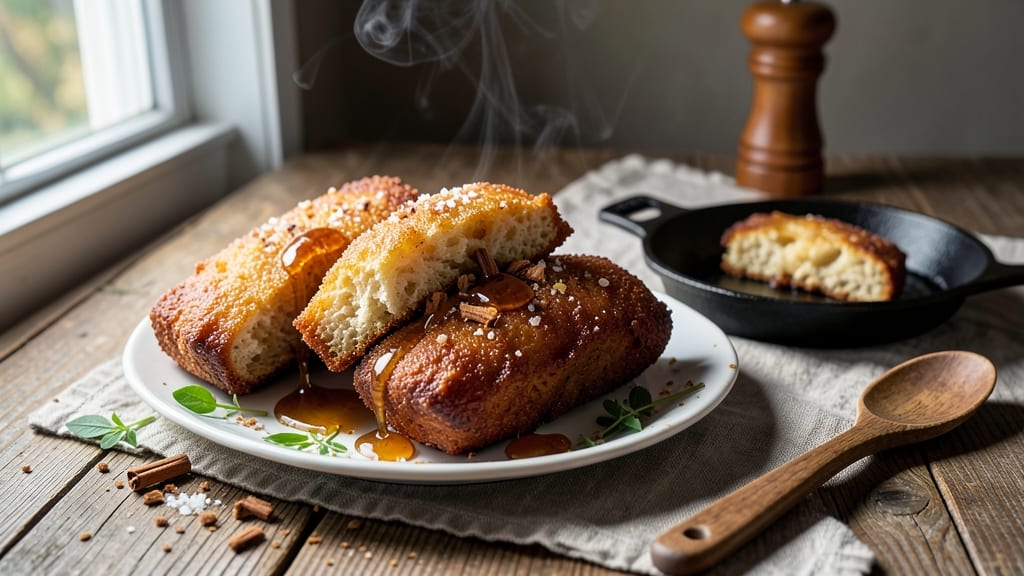
Apache fry bread brings a taste of Navajo tradition to your kitchen with its golden, puffed perfection—just five simple ingredients and one pan. This recipe honors generations of cultural heritage while delivering crispy, flaky layers that disappear in seconds. The secret lies in high heat and quick cooking, transforming humble dough into something extraordinary.
What makes this dish special is its versatility—serve it warm with honey, dusted with powdered sugar, or as a vessel for chili and beans. The dough requires no yeast or lengthy rising, making it perfect for busy weeknights while staying true to its roots.
Every bite carries the history of the Diné people, where fry bread became a symbol of resilience and celebration.
The result is restaurant-quality texture—crispy outside, tender inside, with that signature puffed shape. This recipe delivers on its promise of smoky, golden perfection without requiring advanced skills. Whether you're cooking for a family gathering or a solo treat, fry bread brings warmth and tradition to your table.
Pair it with your favorite toppings or enjoy it plain—either way, you're creating a dish with deep cultural significance. Let's get started on making this timeless recipe your own.
Ingredients for apache fry bread
Five simple ingredients transform into crispy, golden fry bread perfection with just one pan.
| Ingredient | Amount | Notes |
|---|---|---|
| All-Purpose Flour 🌾 | 2 cups | Sifted for fluffy texture |
| Baking Powder 🧂 | 1 tbsp | Ensures proper rising |
| Salt 🧂 | ½ tsp | Kosher or sea salt |
| Vegetable Oil 🫒 | ½ cup | High smoke point preferred |
| Water 💧 | ½ cup | Room temperature works best |
The flour matters here—King Arthur or Gold Medal brands are my go-to for that signature flaky texture. Grocery store all-purpose flour works fine, but if you've got a bulk bin option, grab it fresh. Baking powder is non-negotiable—double-check the expiration date because old powder won't make your bread rise. The oil? Vegetable or canola are perfect for frying, but save the olive oil for dipping. Room temperature water is key—cold water makes the dough tough. If you forget, just let it sit out for 10 minutes before mixing.
No vegetable oil? Lard or shortening works just as well for that authentic texture—it's what traditional recipes used. Short on baking powder? Baking soda plus an extra pinch of salt gets you close (but not exactly the same). The dough should be soft but not sticky—add a splash more water if needed. Too thick? Wet your hands and work it in. Pro tip: Let the dough rest 10 minutes before frying—makes all the difference for even puffing. And if you're feeling fancy, add a pinch of cinnamon to the dough for a sweet twist.
This dough keeps 2 days in the fridge wrapped tightly, or 3 months frozen in a sealed bag. Freshly fried bread is best, but reheat in a 350°F oven for 5-10 minutes to restore that crispy magic. I always double the batch—one for immediate eating, one for freezing. The frozen dough fries just as perfectly, so it's perfect for lazy weeknights. Store cooked bread in an airtight container, but honestly? It disappears too fast to last long.
Why You'll Love This Recipe
- Five-Ingredient Magic: I swear by this—just flour, baking powder, salt, oil, and water. No fancy pantry items, no stress. The dough comes together faster than I can say "fry it up," and honestly, that’s half the charm.
- Crispy-Creamy Crunch: That golden, shatteringly crisp edge with a pillowy soft center? It’s what makes this bread impossible to resist. The oil fries it just right, and the baking powder gives it that perfect lift—no dense, heavy texture here.
- Weeknight Crowd-Pleaser: Between us, this is my go-to when friends drop by unannounced. Serve it warm with honey, jam, or even just butter—it’s the kind of thing that disappears in minutes. (Yes, even on a Tuesday night.)
- Budget-Friendly Staple: A single batch stretches for days—freeze extras and reheat in seconds. I’ve fed a houseful of hungry teens on $3 worth of ingredients, and no one complained. That’s reliability right there.
Step-by-step instructions for apache fry bread
Here's how to make that iconic, puffed fry bread with crispy edges and tender interior.
👨🍳 Step 1: Mix the Dough to the Right Consistency
In a large mixing bowl, combine the 2 cups all-purpose flour, 1 tablespoon baking powder, and ½ teaspoon salt. Whisk these dry ingredients together until evenly distributed—you should see no more than a few small flour streaks remaining. This ensures even rising and proper texture.
Create a well in the center of the dry mixture and pour in the ½ cup vegetable oil and ½ cup water. Using a wooden spoon or your hands, gently mix the ingredients until they begin to come together. Here's the thing—you want the dough to be slightly sticky but manageable, not wet or dry. If it feels too sticky, add 1 tablespoon more flour; if too dry, add 1 teaspoon more water.
Once combined, turn the dough out onto a lightly floured surface and knead it gently for about 1 minute until it forms a smooth, cohesive ball. The dough should be soft but not sticky to the touch. If it's too sticky, dust your hands with a little more flour as you work. This step is crucial for getting that perfect puff and crispy texture later.
🍳 Step 2: Heat the Oil to the Right Temperature
While the dough rests, heat the ½ cup vegetable oil in a 10-inch cast-iron skillet over medium-high heat. The oil is ready when it reaches 350°F—you'll know it's hot enough when a wooden chopstick inserted into the oil bubbles vigorously around the edges. This temperature is critical; too low and the bread won't brown properly, too high and it'll burn before puffing.
I like to use a cast-iron skillet because it retains heat well and creates that beautiful, even browning on the bottom of the bread. If you don't have cast iron, a heavy stainless steel skillet works too. Just be patient—it takes a minute or two for the oil to reach the perfect temperature.
Once the oil is hot, reduce the heat slightly to medium to maintain that 350°F temperature. This adjustment prevents the oil from getting too hot while you're cooking the bread. You want to keep the oil hot enough to puff the bread but not so hot that it burns before it's fully cooked.
🔥 Step 3: Shape and Fry the Bread for Perfect Puffs
Divide the dough into 4 equal balls (about 4 ounces each) and roll each one between your palms into a smooth, slightly flattened ball. The goal is to create balls that are about 1½ inches in diameter—this size gives you that classic fry bread shape. Press down gently on each ball to flatten it slightly, creating a ½-inch thick disc. This helps the bread puff up evenly as it cooks.
Working quickly, carefully place one dough ball into the hot oil. The oil should sizzle gently around the edges—if it bubbles too vigorously, your oil is too hot. Let the bread cook undisturbed for 1 minute, then use a spatula to gently flip it over. You'll see it puff up beautifully as it cooks, creating those iconic air pockets. Cook for another 1-2 minutes on the second side until it's golden brown all over.
Transfer the cooked fry bread to a paper towel-lined plate to drain excess oil. Repeat with the remaining dough balls, working in batches so you don't overcrowd the skillet. Overcrowding lowers the oil temperature, which prevents proper puffing and browning. Keep the oil at 350°F between batches by adding a little more oil if needed.
⏰ Step 4: Rest and Serve Warm
Let the fry bread rest for 2-3 minutes before serving. This brief resting period allows the interior to set slightly, making it easier to handle and preventing it from falling apart. The bread should be warm, puffed, and crispy on the outside with a tender, slightly chewy interior.
Serve immediately while still warm. Apache fry bread is best enjoyed fresh out of the pan—it's crispy, slightly sweet, and perfectly balanced between the tender inside and the crispy exterior. If you're making it ahead, keep it warm in a 200°F oven on a wire rack for up to 30 minutes, but it won't be as crispy as when freshly fried.
For extra flavor, brush the warm fry bread with a little honey or melted butter, or use it as a base for savory toppings like refried beans, honey, or even powdered sugar. The possibilities are endless, but the key is starting with perfectly puffed, golden-brown bread.
Pro Tips For Making Apache Fry Bread
- Use Cold Water for Dough: I learned this the hard way—warm water makes the dough sticky and hard to handle. Stick to cold water (even ice water works) to keep the dough firm and easier to shape, especially when frying multiple batches.
- Fry in Small Batches: Crowding the pan drops the oil temperature and makes soggy bread. Fry 2-3 pieces at a time, and resist the urge to stack them—give each piece space to puff up properly.
- Salt the Oil First: Skip the afterthought seasoning. Toss a pinch of salt directly into the hot oil before frying—it seasons the bread instantly and prevents uneven flavor distribution.
- Rest the Dough 10 Minutes: This isn’t the prettiest method, but it’s the tastiest. Let the dough sit covered for 10 minutes after mixing; it relaxes the gluten and makes the bread lighter, not denser. (Yes, even if you’re impatient like me.)
Flavor customization for this dish
Sweet Variations
Transform your fry bread into a dessert with classic toppings like honey or powdered sugar. Warm bread pairs beautifully with warm maple syrup or Nutella for a decadent treat.
For a Navajo-inspired twist, try blue cornmeal mixed into the dough before frying—it adds a subtle earthy flavor that complements sweet toppings perfectly. 🍯
Savory Twists
Elevate your fry bread as a savory vessel by brushing with garlic butter or refried beans. Top with shredded cheese and crumbled bacon for a hearty breakfast option.
For a smoky kick, try chili con carne or pinto beans—this is how many Native American families enjoy their fry bread. The crispy texture holds up perfectly to bold flavors.
Spiced Dough Options
Add depth to your dough with ½ teaspoon cinnamon or ¼ teaspoon ground cumin for warm, aromatic notes. For a Mexican-inspired version, mix in ½ teaspoon chili powder and ¼ teaspoon smoked paprika before frying.
These spices enhance the natural sweetness of the bread while adding complexity. Store-bought spice blends like taco seasoning work too—just use half the recommended amount.
Regional Adaptations
In the Southwest, fry bread is often served with honey and powdered sugar as a sweet snack. Northern Plains tribes sometimes add berries or jam for a fruity contrast. For a modern twist, try avocado mash or spicy mayo—this fusion approach keeps the tradition alive while exploring new flavors.
The key is balancing texture and taste to honor the dish's roots. 🌶️
Dietary Adaptations
For a gluten-free version, substitute 1 cup almond flour for the all-purpose flour and add 1 extra egg to bind the dough. If you're watching calories, reduce the oil to ¼ cup and use a nonstick pan to prevent sticking.
The dough will still puff beautifully, just with a slightly different texture. These adjustments keep the spirit of fry bread intact while accommodating dietary needs.
Nutrition facts
Frequently asked questions
Can I make Apache fry bread without baking powder?
You can substitute 1 teaspoon baking soda plus ½ teaspoon extra salt for the baking powder, but the texture will be slightly denser. The bread will still puff, but it won't be as light and fluffy. For best results, use fresh baking powder—old powder loses its leavening power and won't create those signature air pockets.
Why did my fry bread turn out flat instead of puffed?
Flat fry bread usually means the oil wasn't hot enough (350°F) or the dough balls were too large. Use a thermometer to check oil temperature and keep batches small. Also, make sure your baking powder is fresh—old powder won't create enough lift. For extra puff, try flattening the dough balls slightly before frying to create surface area for expansion.
How do I store leftover fry bread?
Keep cooked fry bread in an airtight container at room temperature for up to 2 days, or freeze for 3 months in a sealed bag. To reheat, warm in a 350°F oven for 5-10 minutes or air fry at 375°F for 3-4 minutes to restore crispiness. The best way to enjoy it? Fresh from the pan—it loses some texture when stored.
What's the best way to make fry bread for a crowd?
Double or triple the recipe and use two 12-inch cast-iron skillets to fry simultaneously. Keep oil at 350°F and work in batches of 3-4 pieces per skillet. For efficiency, shape all dough balls first, then fry while the oil maintains temperature. Preheat your serving trays in a 200°F oven to keep bread warm while you finish cooking.
Is there a healthier version of fry bread?
Yes! Use ½ cup whole wheat flour (replace half of all-purpose), reduce oil to ¼ cup, and bake at 400°F for 12-15 minutes instead of frying. The texture will be denser but still delicious. For extra protein, add 1 egg to the dough. This version cuts calories while keeping the dish's comforting qualities.