
Sauces & Condiments
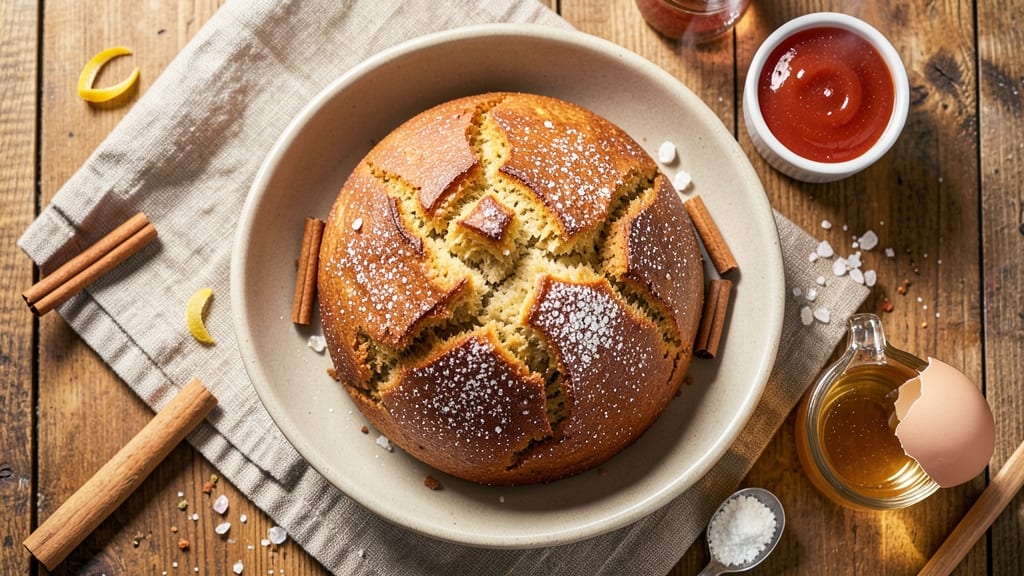
This apple bread recipe using applesauce transforms ordinary loaves into moist, tender masterpieces with minimal effort. The secret lies in applesauce—it keeps every slice juicy while adding subtle sweetness that enhances cinnamon and nutmeg. I developed this version after struggling with dry apple bread, and the difference is night-and-day.
The recipe balances simplicity with professional results: just mix, knead, and bake. Applesauce replaces oil or butter, creating a lighter texture while preventing overmixing. A simple swirl of cinnamon-sugar adds visual appeal without complicating the process. Perfect for beginners yet impressive enough for gatherings.
What you’ll end up with is a golden-brown loaf with soft crumb and just the right amount of apple flavor—no soggy centers or dry crust here.
The applesauce ensures moisture stays locked in, while warm spices give each slice comforting depth. This bread freezes beautifully too, making it ideal for meal prep.
For extra richness, fold in chopped walnuts or raisins before baking. The recipe scales easily for larger batches, and substitutions like Greek yogurt for applesauce work well for dietary flexibility. Let’s get baking!
Ingredients for apple bread recipe using applesauce
Twelve simple ingredients transform basic loaves into moist, tender apple bread masterpieces.
| Ingredient | Amount | Notes |
|---|---|---|
| All-Purpose Flour 🌾 | 4 cups | Spooned and leveled for accuracy |
| Unsweetened Applesauce 🍎 | 1 cup | Unsweetened for balanced flavor |
| Granulated Sugar 🍚 | 1 cup | Light brown sugar works too |
| Large Eggs 🥚 | 2 whole | Room temperature for even mixing |
| Active Dry Yeast 🍞 | 2 ¼ tsp | Ensure freshness with expiration date check |
| Warm Water 💧 | 1 cup | 110°F for optimal yeast activation |
| Unsalted Butter 🧈 | ½ cup | Softened for easy incorporation |
| Ground Cinnamon 🌿 | 2 tsp | High-quality for pronounced flavor |
| Ground Nutmeg 🌿 | ½ tsp | Freshly grated preferred |
| Salt 🧂 | 1 tsp | Kosher or sea salt for balanced taste |
| Vanilla Extract 🍯 | 1 tsp | Pure vanilla for authentic flavor |
| Chopped Walnuts 🌰 | ½ cup | Optional for added texture |
The applesauce is non-negotiable here—unsweetened and high-quality ensures optimal moisture without altering the bread's structure. Mott's or Libby's are reliable brands, but store-bought or homemade works equally well. For the flour, King Arthur or Gold Medal brands provide consistent results, though any all-purpose will suffice. The yeast must be fresh; test it by dissolving a pinch in warm water—if it bubbles within 5 minutes, it's active. Nutmeg can be tricky to find pre-ground, so Penzeys or bulk spice sections often carry better quality. Walnuts add richness, but omit them if you prefer a lighter texture.
No applesauce? Greek yogurt or mashed ripe banana works in a pinch, though texture may vary slightly. Substitute brown sugar for granulated at a 1:1 ratio if you prefer a deeper caramel note. Vanilla extract can be swapped for almond extract at half the amount, though flavor will differ. For a dairy-free option, replace butter with vegan butter or coconut oil, though texture may be slightly denser. If your recipe calls for more moisture, add an extra tablespoon of applesauce—it won't compromise the bread's structure. Always measure flour by spooning it into the cup and leveling off; scooping from the bag packs it too tightly.
Store-baked loaves in an airtight container at room temperature for up to 3 days, or freeze for 3 months by wrapping tightly in plastic wrap and aluminum foil. To reheat, warm slices in a 350°F oven for 5-7 minutes or microwave for 10-15 seconds. For best results, bake the bread immediately after mixing—yeast activates fastest at room temperature. If you prefer a sweeter loaf, add an extra tablespoon of sugar to the dough or sprinkle additional cinnamon-sugar on top before baking. The bread freezes beautifully, making it perfect for meal prep or gifting.
Why You'll Love This Recipe
- No-Fuss Mix-In: I swear by the applesauce swap—no peeling, coring, or chopping. Just scoop, stir, and let the yeast do the work while I sip my coffee. That sweet-tart richness from the applesauce keeps the bread moist for days without extra fuss.
- Spiced Warmth: The sugar and applesauce team up for a bread that tastes like autumn in every bite. Honestly, adding cinnamon (if you’re feeling fancy) turns it into a cozy hug, but even plain, it’s got that subtle caramel depth that makes you reach for seconds.
- Breakfast or Snack: This bread is my secret weapon for lazy mornings—tosted with peanut butter or slathered with butter, it’s breakfast done right. But here’s the magic: it’s just as good cold the next day, sliced thin for lunchbox sandwiches or crumbled over oatmeal.
- Budget Baking Win: Flour, sugar, and applesauce? Check. Eggs and yeast? Pantry staples. I’ve made this for under $2 a loaf, and it feeds my whole family without breaking the bank. Plus, the leftovers freeze like a dream—no sad, dried-out slices here.
Step-by-step instructions for apple bread using applesauce
Master this technique and you'll achieve a tender crumb with perfect moisture retention every time.
Activate the Yeast for Maximum Rise
In a small bowl, combine the 1 cup warm water (about 110°F) with 2.25 teaspoons active dry yeast and let sit for 5-10 minutes until foamy. This activation step is critical—you should see bubbles forming on the surface and a yeasty aroma developing. If it doesn't foam after 10 minutes, your yeast may be inactive and you'll need to start over with fresh yeast.
I always test the water temperature first using a thermometer—water that's too hot kills the yeast, while water that's too cool won't activate it properly. The foamy mixture indicates the yeast has transformed sugars into carbon dioxide, which will create air pockets in your bread for that light, airy texture.
Mix the Dough Base for Perfect Texture
In the bowl of a stand mixer fitted with the paddle attachment, combine the 4 cups all-purpose flour, 1 cup granulated sugar, 2 teaspoons ground cinnamon, 0.5 teaspoon ground nutmeg, and 1 teaspoon salt. Mix on low speed for 30 seconds to distribute the dry ingredients evenly.
Add the 2 whole large eggs, 0.5 cup softened unsalted butter, 1 teaspoon vanilla extract, and the activated yeast mixture. Mix on medium speed for 2-3 minutes until the dough begins to come together. The dough should be soft and slightly sticky but not wet—this is the ideal consistency for a moist crumb.
Incorporate the Applesauce Swirl
Switch to the dough hook attachment and mix on low speed for 1 minute to ensure all ingredients are fully incorporated. Remove the dough from the mixer and transfer it to a lightly floured surface. Gently press down on the dough to form an even rectangle about ½-inch thick.
Spread ½ cup unsweetened applesauce evenly over the surface, leaving a ½-inch border around the edges. Sprinkle the 0.5 cup chopped walnuts evenly over the applesauce. Using a bench scraper, carefully roll the dough into a log, sealing the edges tightly. The applesauce will create those signature moist swirls while the walnuts add texture contrast.
First Rise for Optimal Volume
Place the dough seam-side down in a lightly greased 9x5-inch loaf pan. Cover the pan with a clean kitchen towel and let rise in a warm place for 1-1.5 hours or until the dough has doubled in size. The dough should spring back slowly when gently pressed with a finger—this indicates it's ready for baking.
I like to place the pan in a slightly warm oven (70°F) with a bowl of hot water on the bottom shelf to create a humid environment. This helps the dough rise more evenly and develop a better texture. Don't skip this step—proper rising time is what gives this bread its signature height and tenderness.
Bake to Golden Perfection
Preheat your oven to 350°F while the dough rises. Once the dough has doubled, bake the loaf for 50-55 minutes or until a toothpick inserted in the center comes out clean. The top should be deep golden brown with a slightly cracked surface—this indicates proper baking.
For extra browning, I brush the top with a simple egg wash (1 egg beaten with 1 tablespoon water) before baking. This creates a beautiful sheen and enhances the color. Let the bread cool in the pan for 10 minutes before transferring to a wire rack to cool completely. This resting period allows the moisture to redistribute, resulting in that perfectly moist crumb you're after.
Pro Tips For Making Apple Bread Recipe Using Applesauce
- Warm the Applesauce First: I learned this the hard way—cold applesauce slows yeast activity. Microwave it for 30 seconds or warm it slightly in a bowl over hot water before mixing. The dough rises faster and turns out lighter, not dense.
- Use Room-Temp Eggs: No one likes waiting, but cold eggs make the dough sluggish. Let them sit in warm water for 5 minutes if you’re in a rush, or just take 10 minutes to bring them to room temperature. The difference in texture is noticeable—smoother, not gummy.
- Don’t Overmix the Dough: After burning three batches, I finally figured out: mix just until combined. Overworking the dough develops gluten too much, and you’ll end up with a tough loaf. A few lumps are fine—this isn’t pancake batter.
- Add a Pinch of Salt to the Applesauce: Sounds weird, but it works: stir in ¼ teaspoon of salt to the applesauce before mixing it with the wet ingredients. It balances the sweetness and tightens the crumb—no extra salt in the dough needed. Trust the process.
Creative variations of this apple bread recipe using applesauce
Apple Cider Twist
Swap out half the applesauce for ½ cup reduced apple cider—simmer 1 cup cider in a saucepan until reduced by half, then cool. This adds depth and a subtle tartness that balances the sweetness.
I like to brush the top of the loaf with extra cider before baking for a caramelized crust. 🍎
Pumpkin Spice Fusion
Fold in ½ cup pumpkin puree along with the applesauce for a seasonal twist. Add 1 teaspoon pumpkin pie spice to the dry ingredients for warmth. This variation works especially well in fall and pairs beautifully with coffee or chai. The pumpkin adds moisture while keeping the bread light. 🎃
Chocolate Chip Upgrade
Replace the walnuts with ½ cup semi-sweet chocolate chips or chopped dark chocolate. For extra indulgence, add 1 tablespoon cocoa powder to the dry ingredients. This creates a decadent dessert bread that’s perfect for breakfast or dessert. I recommend Ghirardelli chips for that melty texture. 🍫
Savory Herb Variation
Cut the sugar to ½ cup and add 1 tablespoon fresh rosemary, 1 tablespoon fresh thyme, and ½ teaspoon garlic powder to the dry mix. Use ½ cup unsweetened applesauce and omit the cinnamon and nutmeg. This savory version pairs wonderfully with soups or charcuterie boards. 🌿
Banana Caramel Swirl
Mash ½ cup ripe banana and mix it with the applesauce for extra moisture and natural sweetness. Drizzle 2 tablespoons caramel sauce (store-bought or homemade) over the swirl before rolling. This adds a gooey, sweet contrast that kids and adults love. 🍌
Gluten-Free Adaptation
Replace the all-purpose flour with 3 cups gluten-free 1:1 baking flour (like Bob’s Red Mill) and add ½ teaspoon xanthan gum to the dry ingredients. Use 1 extra tablespoon applesauce to compensate for the denser texture. This version keeps the same moist crumb but with a slightly heartier bite. 🌾
Nutrition facts
Frequently asked questions
Why does this recipe use applesauce instead of butter or oil?
Applesauce replaces fat while keeping the bread incredibly moist without adding richness. It also adds natural sweetness and subtle apple flavor that complements the spices. The key is using unsweetened applesauce—sweetened versions can make the bread too dense. This swap creates a lighter texture perfect for sandwiches or toast.
Can I make this bread without a stand mixer?
Mix the dry ingredients in a large bowl, then create a well in the center. Add the wet ingredients (including activated yeast) and stir with a wooden spoon until combined. Once the dough comes together, turn it onto a floured surface and knead by hand for 5-7 minutes until smooth. The dough should be soft but not sticky—add a little more flour if needed.
How do I know when the bread is fully baked?
Look for three key signs: the internal temperature should reach 190-200°F (use an instant-read thermometer), the top should be deep golden brown with cracks, and a toothpick inserted in the center should come out clean. If the top browns too quickly, tent the pan with foil after 25 minutes to prevent over-browning while the center finishes baking.
What if my dough doesn't rise properly?
Check these common issues: the water might be too hot (kill yeast) or too cool (won't activate). Ensure your yeast is fresh (test with warm water + pinch of sugar—it should bubble in 5 minutes). For a second rise, place the covered pan in a warm oven (70°F) with a bowl of hot water on the bottom shelf. If all else fails, let the dough rise in a warm spot like near the oven or on top of the fridge.
Can I make this bread ahead of time?
Yes! Bake the loaf and let it cool completely, then wrap tightly in plastic wrap followed by aluminum foil. Store at room temperature for up to 3 days or freeze for 3 months. To reheat, warm slices in a 350°F oven for 5-7 minutes or microwave for 10-15 seconds. The bread actually tastes better the next day as flavors develop!