
Side Dishes
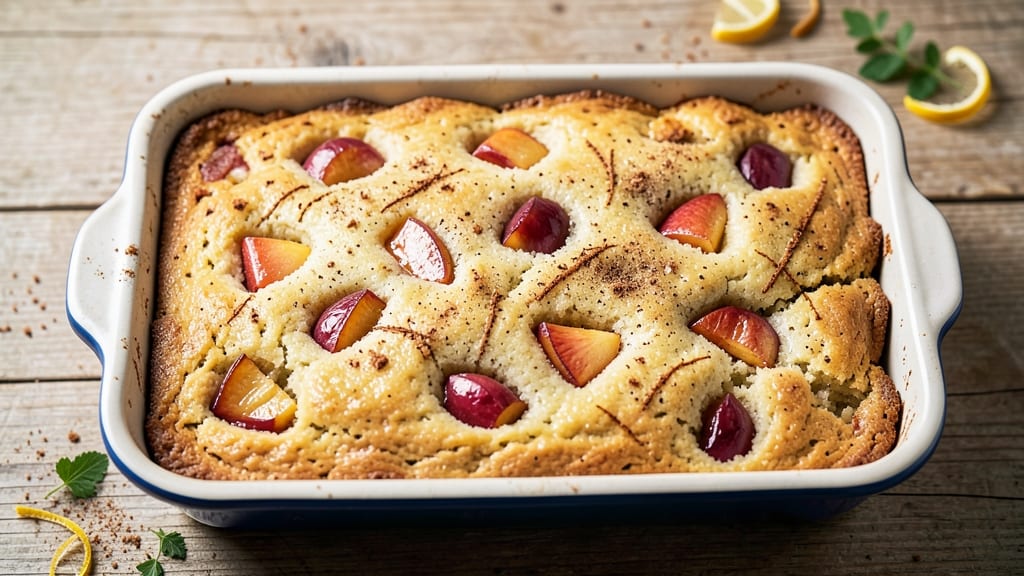
This apple cinnamon cornbread recipe transforms a classic side into a fragrant, spiced masterpiece that tastes like dessert and comfort food all in one.
The secret lies in folding tender diced apples into a moist cornbread batter, where warm cinnamon and nutmeg infuse every bite with the essence of apple pie.
I developed this recipe after years of perfecting cornbread textures—now with that perfect balance of crumbly edges, tender crumb, and bursts of sweet-tart apple in every forkful.
The beauty of this dish is its simplicity: just six key ingredients (plus pantry staples) come together in 30 minutes, including baking time. The apples caramelize slightly during baking, creating pockets of jammy sweetness that contrast beautifully with the cornbread's natural cornmeal nuttiness.
A simple cinnamon-sugar topping adds the finishing touch—crispy, fragrant, and impossible to resist.
What you'll end up with is a golden, aromatic loaf that smells like autumn in your kitchen and tastes like a hug on a plate.
The texture is what makes it special: soft yet sturdy enough to hold slices of apple, with a crumb that's neither too dense nor too crumbly.
Serve warm with butter, honey, or even a dollop of whipped cream—it's the kind of cornbread that disappears faster than you can say "second slice."
Perfect as a side for brunch, a dessert for dinner, or a make-ahead treat for holiday gatherings. The recipe scales easily too—double the batch for a crowd or freeze half for later. Let's get baking!
Ingredients for apple cinnamon cornbread
Six core ingredients plus pantry staples—simple yet transformative for this spiced apple cornbread.
| Ingredient | Amount | Notes |
|---|---|---|
| All-Purpose Flour 🌾 | 1 ½ cups | Sifted for even texture |
| Fine Yellow Cornmeal 🌽 | 1 cup | Stone-ground preferred for nuttiness |
| Granulated Sugar 🍚 | ½ cup | Light brown sugar for depth |
| Baking Powder 🧂 | 2 tsp | Aluminum-free for best rise |
| Ground Cinnamon 🌿 | 1 ½ tsp | Ceylon cinnamon for delicate flavor |
| Ground Nutmeg 🌿 | ¼ tsp | Freshly grated preferred |
| Salt 🧂 | ½ tsp | Diamond Crystal kosher preferred |
| Large Eggs 🥚 | 2 whole | Room temperature for even baking |
| Unsalted Butter 🧈 | ½ cup | Cold, cubed for even distribution |
| Milk 🥛 | 1 cup | Whole milk for richness |
| Granny Smith Apples 🍎 | 1 ½ cups | Diced small, skin on for texture |
| Cinnamon-Sugar Topping 🍚 | ¼ cup | Mix equal parts sugar and cinnamon |
The apples are non-negotiable for texture and flavor. Granny Smith provides that perfect sweet-tart balance, but Honeycrisp or Fuji work beautifully too. Look for firm, crisp apples at Whole Foods or your local farmers market—they hold up best during baking. The cornmeal selection matters too: stone-ground adds a subtle nuttiness that pre-ground can't match. For the flour, King Arthur all-purpose is my go-to, but any high-quality brand will work. The cinnamon should be fresh—if it smells dusty, toss it and grab a new jar from Penzeys or the spice aisle.
No Granny Smith? Pippin apples or even crabapples add a lovely tartness. The topping can be adjusted too—swap the cinnamon for pumpkin pie spice if you're feeling festive. Short on butter? Coconut oil works in a pinch, though it lacks the richness. The baking powder must be fresh: if your recipe fails to rise, it's likely expired. Test by mixing 1 tsp with water—it should fizz immediately. For the milk, oat milk works if you're avoiding dairy, though the texture will be slightly denser. The sugar can be swapped for maple syrup at a 1:1 ratio, though the texture may be slightly moister.
Prep the apples first—they release juices that need time to drain. Toss them with a pinch of cinnamon and let sit for 10 minutes before folding into the batter. The cornbread keeps well in an airtight container for 3 days at room temperature, though it's best enjoyed fresh. For longer storage, wrap tightly in foil and freeze for up to 3 months. Reheat slices in a 350°F oven for 5-10 minutes to restore that warm, gooey texture. The topping can be made ahead and stored in a jar for 2 weeks, perfect for quick assembly when company drops by.
Why You'll Love This Recipe
- No Mixer Needed: I swear by this recipe when I’m in a hurry—just stir the dry ingredients in a bowl, dump in the wet, and fold in those diced apples. The cornmeal keeps it tender without requiring any fancy techniques, and the cinnamon does all the flavor work for you.
- Fall in One Bite: That first pull-apart moment? Pure magic. The sugar caramelizes just enough to make the apples sticky-sweet, while the cinnamon warms up every bite. It’s the kind of cornbread that disappears faster than you can say “second slice.”
- Breakfast or Dessert: Honestly, I make this for both. Serve it warm with butter for a weekend brunch, or let it cool slightly and pair it with ice cream when the craving hits. The cornmeal adds a nice texture contrast that works in any setting.
- Budget-Friendly Staples: Between us, this recipe uses pantry basics—flour, sugar, cinnamon—that won’t break the bank. A single batch stretches to leftovers, and the apples add freshness without costing a fortune. It’s my go-to when I need something hearty but simple.
Step-by-step instructions for apple cinnamon cornbread
This method delivers perfectly textured cornbread with tender apples and a warm spice profile.
Prepare the Dry Ingredients
In a medium bowl, whisk together the 1.5 cups all-purpose flour, 1 cup fine yellow cornmeal, 0.5 cup granulated sugar, 2 tsp baking powder, 1.5 tsp ground cinnamon, 0.25 tsp ground nutmeg, and 0.5 tsp salt. Sift the mixture through a fine-mesh sieve directly into a separate large bowl to eliminate any lumps and aerate the dry ingredients. This ensures even distribution of leavening agents and prevents dense pockets in the finished cornbread.
I like to use a whisk for this step to fully integrate the spices and prevent settling. The cornmeal should be stone-ground for maximum nuttiness, and the cinnamon should be freshly ground if possible—this makes all the difference in flavor depth. Set the dry mixture aside while you prepare the wet ingredients.
Mix the Wet Ingredients and Incorporate Apples
In a separate bowl, melt the 0.5 cup unsalted butter in the microwave in 30-second intervals, stirring between each interval until completely liquid but not hot. Add the 2 whole large eggs (room temperature) and whisk until fully combined. Stir in the 1 cup milk and the 1.5 cups diced Granny Smith apples, reserving 2 tablespoons of the apple mixture for the topping.
The apples should be diced into ¼-inch pieces with skin on for texture. The mixture will look slightly chunky, which is perfect—those apple pieces will soften during baking and release their juices into the cornbread. If your apples are particularly wet, drain them briefly in a colander before adding to prevent a gummy batter.
Combine Wet and Dry Ingredients
Gradually add the dry ingredient mixture to the wet mixture while stirring gently with a rubber spatula. Mix just until combined—you should still see small streaks of flour throughout the batter. Overmixing develops gluten and can make the cornbread dense. The batter should be thick but pourable, similar to pancake batter.
Fold in the reserved 2 tablespoons of apple mixture to create pockets of concentrated apple flavor in the center of the cornbread. Pour the batter into a 9-inch cast-iron skillet or greased baking dish, spreading it evenly. The skillet should be preheated in the oven for 5 minutes before adding the batter to ensure even cooking and crispy edges.
Bake Until Golden and Springy
Transfer the skillet to a preheated 375°F oven and bake for 30-35 minutes, until the top is golden brown and a toothpick inserted into the center comes out clean. The edges should pull away slightly from the pan, indicating proper browning. If the top browns too quickly, tent the skillet loosely with aluminum foil during the last 10 minutes of baking to prevent over-browning while allowing the center to finish cooking.
Here's the thing—don't rely solely on the timer. The cornbread is done when it springs back gently when pressed in the center and has developed a deep golden hue. The apples should be tender but still hold their shape slightly, releasing their juices into the cornbread for moisture.
Add Topping and Serve Warm
While the cornbread is still hot, sprinkle the 0.25 cup cinnamon-sugar topping evenly over the surface. The mixture should be equal parts sugar and cinnamon, lightly pressed into the top to adhere. Return the skillet to the oven for 2-3 minutes to let the topping caramelize slightly and infuse the cornbread with additional spice.
Serve the cornbread immediately, straight from the skillet, while the topping is still slightly crisp. The combination of tender cornbread, juicy apples, and warm cinnamon-sugar creates a harmonious balance of textures and flavors. Each bite should deliver the nuttiness of the cornmeal, the sweet-tartness of the apples, and the comforting warmth of the spices.
Pro Tips For Making Apple Cinnamon Cornbread
- STIR JUST UNTIL COMBINED: Mixing the wet and dry ingredients for apple cinnamon cornbread is where texture makes or breaks the dish. Stop stirring the moment the flour disappears—overmixing turns it dense and tough. I used to fight it like it owed me money, but the second I let the batter rest for 10 minutes, the crumb became light and airy. (Yes, even if you're impatient like me.)
- GRATE APPLES FINE: Skip the food processor—it turns apples into mush. Use a box grater and focus on tiny, even shreds, no bigger than rice grains. This keeps the cornbread moist without making it soggy. I learned this the hard way after a batch turned into a sad, gummy mess. (Your future self will thank you.)
- DON’T OVERLOAD THE CORNMEAL: Fine yellow cornmeal gives this cornbread its signature texture, but too much makes it dry and crumbly. Stick to the recipe’s ratio—about 1 part cornmeal to 2 parts flour—and resist the urge to "boost" the flavor. I doubled it once and ended up with a brick instead of bread. (It’s not a corn cake.)
- BAKE UNTIL THE EDGE STOPS SPRINGING: The moment the cornbread stops bouncing back when pressed is the real test of doneness. Pop it out too soon, and it’ll collapse like a sad soufflé. I used to rely on time alone, but now I check the center with a toothpick—it should come out clean, and the edges should pull away from the pan. (No, the edges won’t be golden if you rush it.)
Troubleshooting great apple cinnamon cornbread
Dense or Gummy Texture
If your cornbread turns out dense or gummy, overmixing the batter is usually the culprit. Stir just until combined—small flour streaks are normal. Also, check your baking powder: if it's old, it won't provide enough lift.
Replace it with fresh baking powder (test by mixing 1 tsp with water—it should fizz immediately). Finally, don't skip preheating your pan—the right temperature ensures even cooking. 🌡️
Apples Too Watery
Excess moisture from apples can make your cornbread soggy. Drain diced apples in a colander for 5-10 minutes before adding to the batter. For extra insurance, toss them with ½ tsp cornstarch before mixing—this absorbs excess juices.
I also recommend using slightly firmer apple varieties like Granny Smith or Honeycrisp, as they hold up better during baking.
Uneven Browning
Uneven browning often happens when the oven isn't properly calibrated. Place a 9-inch cast-iron skillet in the oven while preheating for 5 minutes to ensure even heat distribution. If the top browns too quickly, tent loosely with aluminum foil during the last 10 minutes of baking.
Rotate the pan halfway through if your oven has hot spots—this helps create an even golden crust.
Flat or Soggy Top
A flat or soggy top usually means the baking powder wasn't activated or the oven wasn't hot enough. Double-check your baking powder freshness (as mentioned earlier) and verify your oven temperature with an oven thermometer—many ovens run 25°F hotter or cooler than set.
For extra insurance, sprinkle the cinnamon-sugar topping immediately after removing from the oven while still hot.
Apples Staying Crunchy
If your apples remain undercooked, they likely weren't diced small enough or the baking time was insufficient. Aim for ¼-inch pieces and bake until the cornbread reaches 205°F internal temperature—this ensures the apples soften while the cornbread stays tender.
For extra tenderness, add the apples slightly later in the baking process (after 20 minutes instead of at the start).
Cracked or Sunken Center
Cracking or a sunken center often occurs when the cornbread cools too quickly. Let it rest in the pan for 5 minutes after baking before transferring to a wire rack.
This gradual cooling prevents structural collapse. Also, ensure your baking powder is fresh and that you're using room-temperature eggs—they help create proper lift and prevent deflation during baking. 💡
Nutrition facts
Frequently asked questions
Can I substitute apples in this recipe?
Yes! While Granny Smith apples work best for their tartness, you can use Honeycrisp, Fuji, or even pears for a sweeter twist. Avoid overly soft varieties like McIntosh—they'll make the cornbread gummy. For extra flavor, toss the fruit with ½ tsp cinnamon before adding to the batter.
How do I make this recipe gluten-free?
Swap the all-purpose flour with a 1:1 gluten-free baking blend (like Bob's Red Mill) and use certified gluten-free cornmeal. Add ½ tsp xanthan gum to help bind the batter. The texture will be slightly denser, but still delicious. For best results, let the batter rest for 10 minutes before baking.
Can I make this ahead of time?
Bake the cornbread 1 day ahead and store it in an airtight container at room temperature. Reheat slices in a 350°F oven for 5-10 minutes until warm. For longer storage, wrap tightly in foil and freeze for up to 3 months. Thaw overnight in the fridge before reheating.
What's the best way to serve this?
This cornbread shines with warm butter, honey, or whipped cream—it's like dessert! For brunch, pair it with scrambled eggs and bacon. At holiday meals, serve alongside roasted chicken or turkey. The cinnamon-sugar topping makes it perfect for gifting too—just wrap slices in parchment paper.
Why did my cornbread turn out dry?
Overbaking is the most common cause. Check for doneness with a toothpick—it should come out with a few moist crumbs, not completely clean. If your oven runs hot, reduce the temperature by 25°F and bake for 5 minutes longer. For extra moisture, brush the top with milk or melted butter during the last 5 minutes of baking.