
Side Dishes
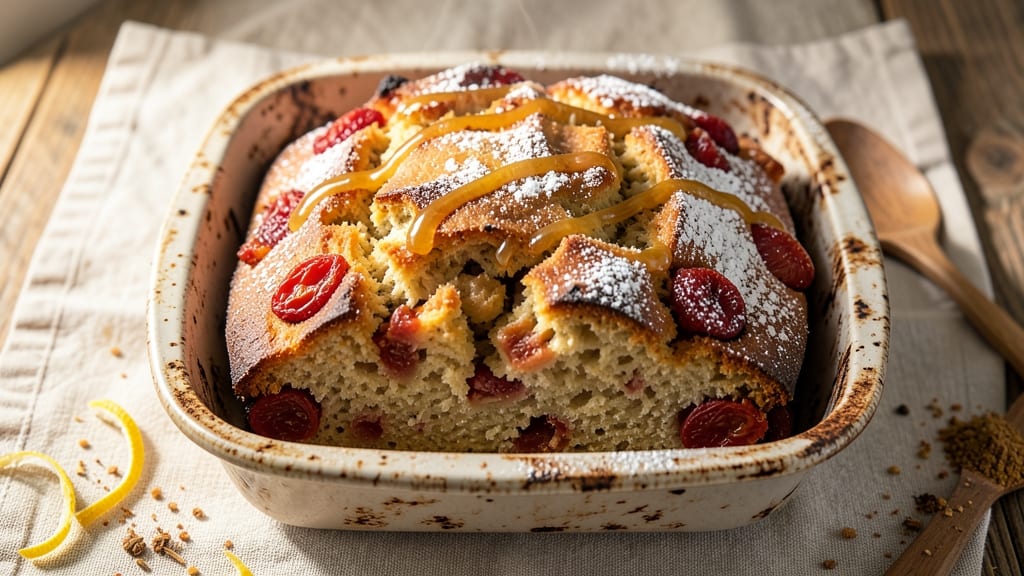
This apricot loaf bread recipe transforms simple ingredients into a golden, crusty loaf with pockets of sweet-tart dried apricots—perfect for breakfast, tea time, or gifting.
The secret lies in a balanced dough that stays tender while developing a crisp exterior, all enhanced by the natural fruit sweetness that caramelizes during baking. I’ve perfected this version after years of testing, ensuring every slice delivers that perfect harmony of texture and flavor.
What makes this recipe stand out is the foolproof technique for incorporating apricots without making the dough too sticky. The dough rises just enough to create a light, airy crumb, while the fruit swirls add bursts of jammy sweetness in every bite.
No special equipment is needed—just a standard loaf pan and a little patience for proofing. The result? A loaf that’s crisp on the outside, tender inside, and packed with flavor that keeps you reaching for seconds.
By the time it emerges from the oven, your kitchen will smell like a bakery, and the loaf will have a deep golden crust that cracks beautifully when sliced. The apricots soften just enough to release their natural sugars, creating pockets of sweetness that contrast perfectly with the buttery dough.
This is the kind of bread that feels special enough for company but simple enough for a weeknight treat.
Serve warm with butter, jam, or as a side to brunch—it’s versatile enough for any occasion. The recipe includes optional glaze instructions for an extra-shiny finish, but the bread shines on its own. Let’s get started on creating this restaurant-worthy loaf at home.
Ingredients for apricot loaf bread
Twelve essential ingredients create a golden loaf with apricot swirls—crusty outside, tender inside.
| Ingredient | Amount | Notes |
|---|---|---|
| All-Purpose Flour 🌾 | 4 cups | Spooning into measuring cup for accuracy |
| Granulated Sugar 🍚 | ½ cup | White or light brown preferred |
| Unsalted Butter 🧈 | ¾ cup | Cold, cubed for easier mixing |
| Large Eggs 🥚 | 1 whole | Room temperature for even mixing |
| Active Dry Yeast 🍞 | 2 ¼ tsp | Freshness matters—check expiration date |
| Dried Apricots 🍑 | 1 cup | Chopped into small pieces (no sugar added) |
| Milk 🥛 | ½ cup | Warm to room temperature |
| Salt 🧂 | 1 tsp | Diamond Crystal preferred |
| Vanilla Extract 🌸 | 1 tsp | Pure vanilla for best flavor |
| Orange Zest 🍊 | 1 tbsp | From 1 medium orange |
| Egg Wash 🥚 | 1 whole | 1 egg beaten with 1 tbsp milk |
| Coarse Sugar 🍚 | 2 tbsp | For sprinkling on top (optional) |
The flour is the foundation, so grab King Arthur or Gold Medal for consistent results. Dried apricots should be plump and evenly chopped—avoid those tiny, dried-out bits. For yeast, check the expiration date—old yeast won’t activate properly. I always buy mine at Whole Foods or the bulk section at Trader Joe’s for freshness. The butter matters too—European-style like Plugrá has more flavor, but regular unsalted works perfectly fine. Keep everything cold until mixing to prevent the dough from getting too soft.
No vanilla extract? 1 tsp vanilla sugar works in a pinch, though fresh vanilla is ideal. Skimping on apricots? Dried cherries or cranberries add a similar tart-sweet contrast. For a dairy-free version, substitute coconut oil for butter and almond milk for regular milk. The orange zest can be omitted if you’re not a fan, but it brightens the flavor—use a microplane for fine zest. If your dough feels too sticky, add 1 tbsp more flour gradually. And if you’re short on time, instant yeast can replace active dry yeast at the same amount.
The dough keeps best in the fridge for up to 24 hours, covered tightly. For longer storage, freeze the shaped loaf (unbaked) for up to 3 months—thaw overnight before baking. The baked loaf stays fresh for 3-4 days at room temperature, wrapped in a clean kitchen towel. Slice thickly for the best texture, and toast lightly to revive any day-old slices. The glaze (optional) requires powdered sugar and milk, but the bread tastes amazing without it too.
Why You'll Love This Recipe
- No-Knead Magic: I swear by this—just mix, let it rise, and bake. The yeast does all the work while I sip coffee, and that golden crust? Zero fuss, all reward.
- Sweet Butter Bliss: That rich butter and sugar combo? It’s like a hug for your taste buds. The apricots add just enough natural sweetness to make every slice feel like a little treat.
- Breakfast or Snack Star: Toss a slice in the toaster for a quick breakfast or pack it for lunch. It’s my go-to for busy mornings—no one ever turns down this easy, portable goodness.
- Budget-Friendly Staple: Flour, sugar, butter—these are pantry basics that stretch far. One loaf feeds the whole family, and leftovers toast up perfectly for days. My wallet (and my kids) thank me.
Step-by-step instructions for apricot loaf bread
Here's the method for a perfectly balanced loaf with tender crumb and sweet-tart apricot swirls.
Activate the Yeast with Warm Milk
In a small bowl, combine the 0.5 cup warm milk (about 110°F) with the 2.25 tsp active dry yeast. Let it sit for 5-10 minutes until the mixture becomes frothy and bubbles form on the surface. This confirms the yeast is alive and ready to work.
If no bubbles appear after 10 minutes, your yeast may be expired—start fresh with new yeast. The warm milk activates the yeast, creating the gas bubbles that will make your bread rise beautifully. I always use a thermometer to check the milk temperature—too hot kills the yeast, too cold prevents activation.
Cream Butter and Sugar
In a large mixing bowl, beat the 0.75 cup cold unsalted butter (cubed) and 0.5 cup granulated sugar together using a hand mixer or stand mixer on medium speed for 2-3 minutes until light and fluffy. The mixture should nearly double in volume and become pale in color.
This creaming process incorporates air, which creates a tender crumb in your bread. Cold butter is crucial here—it creates small pockets that hold air, while also preventing the dough from becoming too sticky. Watch for the butter to soften but not melt completely during mixing.
Mix Wet Ingredients and Combine
Add the 1 whole large egg, 1 tsp vanilla extract, and 1 tbsp orange zest to the butter mixture. Mix on low speed until just combined, then gradually add the 4 cups all-purpose flour and 1 tsp salt, mixing on low until a shaggy dough forms.
Next, pour in the yeast-milk mixture and mix on low speed until the dough comes together. It should be slightly sticky but not wet. If it's too dry, add 1-2 teaspoons of milk to help bring it together. The dough should pull away from the sides of the bowl but still be cohesive.
Fold in Apricots and Shape the Loaf
Using a spatula, fold in the 1 cup chopped dried apricots until evenly distributed throughout the dough. The apricots will add natural sweetness and texture to each bite. Shape the dough into a 9x5-inch loaf pan, pressing down gently to remove any air bubbles.
Cover the loaf pan with a damp kitchen towel and let it rise in a warm place for 1-1.5 hours or until the dough has doubled in size. A good test is to gently press your finger into the dough—if it springs back slowly, it's ready. The apricots will sink slightly as the dough expands, creating beautiful swirls when baked.
Bake to Golden Perfection
Preheat your oven to 350°F. Brush the risen loaf with the 1 whole egg wash (1 egg beaten with 1 tbsp milk) and sprinkle the top with 2 tbsp coarse sugar for a sweet, crisp finish. Bake for 45-50 minutes until the top is golden brown and the internal temperature reaches 190°F.
For the best results, rotate the pan halfway through baking to ensure even browning. The bread is done when it sounds hollow when tapped on the bottom. Let it cool in the pan for 10 minutes before transferring to a wire rack to cool completely. This resting period allows the bread to set properly, preventing a gummy texture.
Pro Tips For Making Apricot Loaf Bread
- Bloom the Yeast First: Skip the "maybe it'll work" guesswork—mix warm water (110°F), sugar, and yeast in a bowl, then wait 5-10 minutes until it foams like a latte. If it sits there flat, your loaf will be dense and sad. I learned this the hard way after baking a brick-shaped loaf that tasted like cardboard.
- Soften Butter Properly: Don’t just eyeball it—press the butter between two sheets of parchment with a rolling pin until it’s just pliable, not melted. Too soft, and your dough gets greasy; too hard, and the texture turns out dry. My grandmother swore by this, and she was right: room temp matters more than you’d think.
- Don’t Overmix the Dough: Once the flour goes in, fold just until combined—maybe 10-12 strokes max. Overwork it, and gluten tightens up, turning your tender apricot loaf into a chewy brick. I was skeptical until I tried it: less mixing = lighter crumb.
- Bake Until 190°F: The instant-read thermometer is your friend—stick it in the center when the top’s golden. Pull it out at 185°F and tent with foil for 5 minutes; it’ll climb to 190°F while resting. Too soon, and the crumb stays gummy. Too late, and it dries out. (Yes, even if you’re impatient like me.)
Health benefits of these flavors
Natural Sweetness Boost
Dried apricots in this loaf provide a concentrated dose of natural sugars without refined additives, offering a healthier alternative to white sugar. A 1-cup serving of dried apricots contains about 40g of carbohydrates, with 25g being natural sugars—about the same as a small apple.
These sugars caramelize during baking, enhancing the bread's flavor while adding a subtle chewiness. 🍑
Fiber-Rich Crust
The combination of whole-grain flour (if substituted) and dried apricots delivers dietary fiber, which aids digestion and helps stabilize blood sugar. A single slice of this bread provides roughly 3-4g of fiber, supporting gut health and keeping you full longer.
The crust's crisp texture also makes it satisfying without heavy processing.
Vitamin C and Antioxidants
Apricots are packed with vitamin C and antioxidants like beta-carotene, which support immune function and skin health. The 1 cup of dried apricots in this recipe contributes about 20% of your daily vitamin C needs.
These nutrients help combat oxidative stress, making this bread a tasty way to boost your daily intake of essential vitamins.
Moderate Calorie Density
Unlike many sweet baked goods, this apricot loaf balances sweetness with a moderate calorie count—about 250-300 calories per slice (depending on portion size). The butter and sugar contribute richness, but the fiber and moisture from apricots prevent it from feeling overly heavy.
It’s a guilt-free treat that satisfies sweet cravings without excessive calories.
Blood Sugar Balance
The fiber in apricots and whole-grain flour (if used) helps slow sugar absorption, preventing blood sugar spikes. Pairing this bread with protein or healthy fats, like almond butter or Greek yogurt, further stabilizes glucose levels.
It’s a smart choice for those monitoring blood sugar while still enjoying a sweet, satisfying loaf.
Hydration and Electrolytes
The milk and egg in the dough provide electrolytes like potassium and calcium, which support muscle function and bone health. Apricots also contribute magnesium, a mineral often overlooked but crucial for energy metabolism. Together, these ingredients make this bread a surprisingly nourishing option for an everyday staple. 💪
Nutrition facts
Frequently asked questions
Can I substitute fresh apricots for dried in this recipe?
Fresh apricots work but require adjustments! Use 1.5 cups of finely chopped fresh apricots (peeled and pitted) and reduce the milk by 2 tablespoons to account for their higher moisture content. The flavor will be brighter, but the texture will be slightly softer. For best results, pat them dry before adding.
Why did my apricot loaf turn out dense instead of light?
Dense bread usually means the yeast didn't activate properly or the dough didn't rise enough. First, check if your yeast was fresh (test it in warm milk first). Second, ensure your kitchen was warm enough—try placing the dough near a turned-off oven light or in a proofing box. Overmixing also deflates the dough, so mix just until combined.
How do I store leftover apricot loaf?
Wrap cooled slices tightly in plastic wrap or store in an airtight container at room temperature for 3-4 days. For longer storage, freeze the whole loaf (unwrapped) for up to 3 months. Thaw overnight in the fridge or warm in a 300°F oven for 5-10 minutes to restore freshness. Toasting revives texture perfectly!
Can I make this recipe without a loaf pan?
Shape the dough into a free-form round loaf on a parchment-lined baking sheet. For extra flavor, brush with melted butter before baking. The crust will be slightly thicker, but the texture inside remains tender. Bake for 35-40 minutes at 350°F, rotating halfway for even browning.
What's the best way to reheat sliced apricot loaf?
For crispy crust and soft interior, wrap slices in a damp paper towel and warm in a 350°F oven for 5-7 minutes. A toaster works too—just watch closely to avoid burning. Microwaving is possible (10-15 seconds), but it can make the bread gummy. The sugar topping caramelizes beautifully when reheated!