
Side Dishes
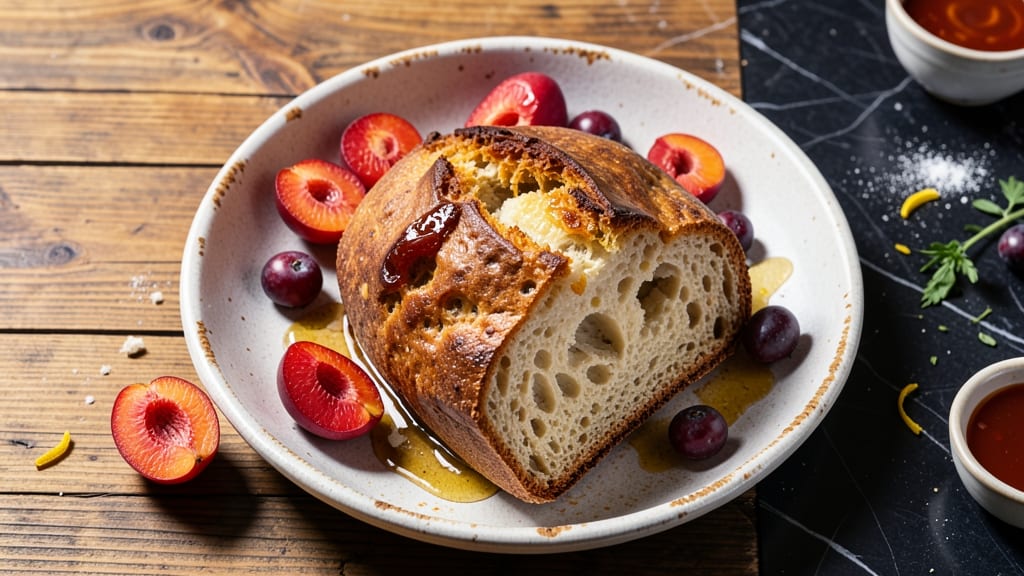
This apricot sourdough bread recipe transforms your kitchen into a bakery with its golden crust and sweet-tart fruit swirls. The secret lies in a well-fed sourdough starter and a delicate balance of apricot—whether fresh, dried, or as a jam—that infuses every bite with natural sweetness.
I’ve perfected the technique over years of baking, ensuring a crispy crown and tender crumb that holds up beautifully for days.
The process begins with a simple yet flavorful dough, where apricot purée or jam is folded in during the final knead. This creates pockets of fruity goodness that burst with every slice.
The bread develops its signature crust through steam during baking, while the apricot adds a subtle tang that cuts through the richness. No special equipment is needed—just time, patience, and a few basic ingredients.
By the end, you’ll have a loaf that’s as impressive to look at as it is to eat: a crusty crown with a crackly exterior and a soft, airy interior laced with apricot swirls.
The aroma alone will have everyone gathering around the table, and the flavor—sweet, tangy, and satisfying—makes it a showstopper for breakfast, brunch, or even as a dessert with a smear of butter.
Perfect for gifting, sharing, or enjoying solo with a cup of coffee. Let’s get baking—your kitchen (and taste buds) will thank you.
Ingredients for apricot sourdough bread
Fourteen simple ingredients transform into a golden-crusted, apricot-swirled sourdough masterpiece.
| Ingredient | Amount | Notes |
|---|---|---|
| Active Sourdough Starter 🍞 | ½ cup | Well-fed, bubbly starter |
| All-Purpose Flour 🌾 | 3 ½ cups | Unbleached, high protein preferred |
| Granulated Sugar 🍚 | ¼ cup | White or light brown |
| Instant Yeast 🍞 | ¼ tsp | For extra lift |
| Salt 🧂 | 1 tsp | Kosher or sea salt |
| Warm Water 💧 | 1 ¼ cups | 105-110°F for activation |
| Unsalted Butter 🧈 | ½ cup | Cold, cubed for swirl |
| Apricot Purée 🍑 | ½ cup | Fresh or high-quality jam |
| Dried Apricots 🍑 | ¼ cup | Chopped, for texture |
| Large Egg 🥚 | 1 whole | Room temperature |
| Cornmeal 🌽 | ¼ cup | For dusting baking sheet |
| Ice Water ❄️ | ¼ cup | Optional, for shaping |
The sourdough starter is the heart of this bread—it needs to be active and bubbly, with a tangy aroma. If yours isn’t ready, feed it 12-24 hours ahead. For the apricot, fresh purée from local markets gives the best flavor, but high-quality jam works in a pinch. I usually grab Trader Joe’s dried apricots for texture—they’re sweet but not overly sticky. Flour matters too: King Arthur or Bob’s Red Mill are my go-tos for consistent results. The butter should be cold enough to hold its shape when cubed, but not rock-hard (trust me on this).
No fresh apricots? High-quality jam or even apricot preserves will work—just thin it with a splash of water if too thick. Running short on dried apricots? Chopped dates or figs add a similar chewy contrast. The egg is optional, but it gives the dough extra structure for that perfect rise. If you’re avoiding eggs, add an extra tablespoon of flour. For the yeast, instant yeast is a must—it activates faster and mixes right in. If your starter isn’t ready, active dry yeast works too, but you’ll need to dissolve it in warm water first and let it foam for 5 minutes.
This dough is best baked fresh, but you can prep it up to 24 hours ahead—shape it, cover, and refrigerate. The flavor actually improves after resting overnight. For the best crust, score the loaf with a razor blade before baking—it’ll direct the oven spring and give that bakery-style crack. Store wrapped at room temperature for 2-3 days or freeze for up to 3 months. Toasting revives stale slices, but honestly, it’s best enjoyed fresh—warm, with that buttery apricot swirl melting in your mouth.
Why You'll Love This Recipe
- Sweet Without Sugar Shock: The apricots do all the work—just a handful of dried fruit folded into the dough means that natural sweetness carries every bite. No cloying sugar rush, just warm, jammy bursts that make even the sturdiest sourdough feel like a treat.
- Starter-Friendly Shortcut: Honestly, I’m not a patient person with fermentation. This recipe lets you use your active starter or a pinch of instant yeast—so if your starter’s playing hard to get, you’re still golden. Same great texture, zero guilt.
- Breakfast to Brunch Hero: I swear by this for toast in the morning (butter + jam = heaven) and as a showstopper for weekend brunches. The crust stays crisp enough to impress guests, while the crumb stays soft enough to soak up coffee or yogurt. No one questions why it’s on the table.
- Leftovers That Last: Between us, I’ve had this bread last me five days—sliced, frozen, and reheated like a fresh batch. The sourdough’s tang keeps it from getting stale, and the apricots? They just get more delicious as they rehydrate. Budget win, flavor win.
Step-by-step instructions for apricot sourdough bread
Here's how to create a sweet-tart sourdough loaf with golden crust and fruity swirls.
Mix the Sourdough Dough
In a large mixing bowl, combine the 0.5 cup active sourdough starter with 1.25 cups warm water (around 105-110°F). Let it sit for 5 minutes while you prepare the rest of the ingredients. This activates the starter and creates a bubbly base.
In a separate bowl, whisk together 3.5 cups all-purpose flour, 0.25 cup granulated sugar, 0.25 tsp instant yeast, and 1 tsp salt. Gradually add the wet starter mixture to the dry ingredients while stirring with a wooden spoon or dough whisk. The dough will be sticky but should come together into a shaggy mass. If it's too dry, add 1-2 tablespoons of ice water to help it bind.
Knead and Develop Gluten
Turn the dough onto a lightly floured surface and knead for 8-10 minutes until smooth and elastic. You'll know it's ready when it springs back slowly when poked. If the dough feels too sticky, wet your hands slightly to prevent sticking. This kneading step builds structure for that perfect crusty exterior.
Shape the dough into a round ball, place it back in the mixing bowl, cover with a damp towel, and let it rise at room temperature for 1-2 hours or until it has nearly doubled in size. You'll see bubbles forming on the surface and the dough will feel light when pressed gently with a finger. This first rise develops flavor and air pockets.
Prepare the Apricot Filling
While the dough rises, prepare the apricot filling by combining 0.5 cup apricot purée and 0.25 cup chopped dried apricots in a small bowl. Set aside. Also, cut 0.5 cup unsalted butter into small cubes and let it soften slightly at room temperature for easier incorporation later.
In a separate small bowl, beat 1 whole large egg until just combined. This will be used to create a smooth surface for the butter swirl before baking. Keep all prepared ingredients ready for the next step.
Assemble and Shape the Bread
Once the dough has risen, punch it down gently to release air. On a lightly floured surface, roll the dough into a 12x16-inch rectangle about ½-inch thick. Spread the apricot purée evenly over the surface, leaving a ½-inch border around the edges. Sprinkle the chopped dried apricots evenly over the purée.
Roll the dough tightly into a log starting from the long side, pinching the seam to seal. Place the log seam-side down in a greased 9x5-inch loaf pan. Brush the top with the beaten egg, then arrange the 0.5 cup cubed butter on top in a diagonal pattern. Cover loosely with plastic wrap and let rise for 1 hour or until the dough has risen about 1 inch above the pan.
Bake to Golden Perfection
Preheat your oven to 375°F. Sprinkle 0.25 cup cornmeal evenly over the baking sheet. Carefully transfer the risen loaf to the prepared sheet and bake for 45-50 minutes until the crust is deep golden brown and the internal temperature reaches 190-200°F when measured with an instant-read thermometer.
For that signature crusty crown, I like to spray the bread with water just before the final 5 minutes of baking. This creates steam and helps develop a crispy exterior. Let the bread cool in the pan for 10 minutes, then transfer to a wire rack to cool completely before slicing. The interior should be tender with pockets of sweet-tart apricot filling throughout.
Pro Tips For Making Apricot Sourdough Bread
- Fold Apricots Gently: I learned this the hard way—mashing those apricot chunks into the dough ruins the texture. Instead, fold them in just before shaping, keeping them whole so each bite has that jammy surprise. A quick 30-second press with your fingers does the trick.
- Weigh Your Starter: Your sourdough starter’s weight matters more than volume. Use a scale—100g of active starter (bubbly and doubled) ensures reliable rise. I used to eyeball it and ended up with dense bread half the time.
- Skip the Extra Yeast: This recipe already balances sourdough’s natural fermentation with instant yeast. Adding more won’t speed things up—it’ll just make the bread taste sharp and overproofed. Trust the starter’s rhythm.
- Proof in a Warm Spot: Place your shaped loaf in a bowl with a damp towel and a heat source (like a turned-off oven with the light on) for 1–2 hours. This steady warmth guarantees a proper rise—no cold kitchen excuses. I tried the countertop once; it took 5 hours and still didn’t rise right.
Flavor customization for this dish
Sweet-Tart Balance
Adjust the apricot-to-sugar ratio to control sweetness. For a more pronounced tartness, reduce sugar to 0.125 cup and increase apricot purée to 0.75 cup. I often add 1 tsp lemon zest to brighten the flavor—it cuts through the fruit’s natural sweetness beautifully.
For a dessert-style loaf, boost sugar to 0.375 cup and fold in 2 tbsp apricot jam for extra richness. 🍑
Spiced Variations
Infuse warmth by adding 1 tsp cinnamon or ½ tsp cardamom to the dough. These spices pair perfectly with apricot, creating a cozy, almost Middle Eastern-inspired flavor. For a smoky twist, sprinkle ½ tsp smoked paprika over the butter cubes before baking.
I love this combo with a morning coffee—it’s like a cross between sourdough and a spiced muffin.
Nutty Additions
Fold ¼ cup chopped walnuts or pecans into the dough for texture contrast. Toast them lightly in a dry pan for 3-4 minutes to enhance their flavor. For a crunchy topping, sprinkle 2 tbsp chopped nuts over the butter cubes before the final rise.
This adds a delightful bite that balances the soft, fruity interior. 🌰
Citrus Zing
Boost brightness with 1 tbsp orange or lime juice mixed into the apricot purée. The acidity prevents the fruit from overwhelming the dough. For extra zest, add 1 tbsp finely grated orange or lemon peel—it’s a game-changer for cutting through the sweetness.
I find this works especially well with dried apricots, which can be quite dense.
Herbaceous Twist
Add freshness with 1 tbsp finely chopped rosemary or thyme during the final knead. These herbs complement the apricot’s natural sweetness without competing. For a more pronounced flavor, steep 1 tbsp dried herbs in the warm water used to activate the starter.
The infusion adds depth without altering the dough’s texture. 🌿
Dairy-Free Option
Replace butter with ½ cup coconut oil—solid but not melted—to maintain structure. For a richer flavor, use ½ cup vegan butter like Miyoko’s. The oil should be cold when incorporated to mimic butter’s behavior. Dairy-free versions work beautifully with apricot’s natural sweetness, making them ideal for vegan diets. 🥥
Nutrition facts
Frequently asked questions
Can I use dried apricots instead of fresh apricot purée?
Chop ½ cup dried apricots and soak them in ¼ cup warm water for 10 minutes to soften. Blend with 1-2 tablespoons of water to make a thick purée. This works perfectly—just reduce the sugar slightly (0.125 cup) since dried apricots are sweeter. For extra moisture, add 1 tablespoon apricot jam to the dough.
Why does my sourdough starter need to be "active and bubbly"?
An active starter means it's ready to leaven your dough properly. Look for bubbles on top and a light, airy texture when poked. If yours isn't ready, feed it 1:1:1 ratio (flour:water:starter) 12-24 hours before baking. A weak starter can result in dense bread or slow rising. For best flavor, use a starter that's 4-6 hours post-feeding.
How do I fix a dough that's too sticky to handle?
Wet your hands slightly and work quickly! Add 1 tablespoon flour at a time while kneading until the dough pulls away from your fingers. For extreme stickiness, chill the dough for 15-20 minutes before shaping. Never add too much flour—this can make the bread dry. If all else fails, use cornmeal instead of flour for dusting.
Can I make this bread without a loaf pan?
Yes! Shape the dough into a round boules or batard instead. For boules, roll into a ball and place on a parchment-lined baking sheet. For batards, roll into an oval. Both methods create a rustic, artisan look. Bake at 375°F for 35-40 minutes, spraying with water at 10-minute intervals for steam. Let cool completely before slicing.
How long can I store apricot sourdough bread?
Wrap tightly in plastic wrap or foil and store at room temperature for 3-4 days. For longer storage, freeze the bread (unsliced) for up to 3 months. To reheat, wrap slices in a damp paper towel and warm in a 350°F oven for 5-7 minutes. The crust stays crispy while the interior remains soft. For best flavor, enjoy within 2 days of baking.