
Side Dishes
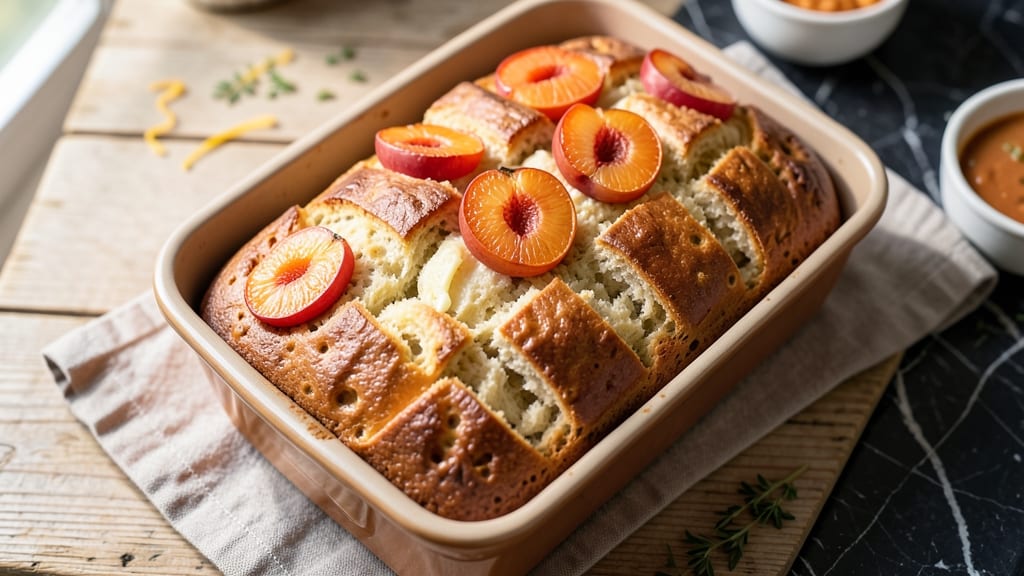
This apricot yeast bread recipe transforms simple ingredients into a golden-crusted loaf with sweet-tart swirls that disappear faster than you can slice. The secret lies in balancing tender dough with just enough apricot jam to create those signature ribbons of fruit throughout—no overpowering sweetness here.
I've baked this version dozens of times, and it always delivers that perfect crusty crown and airy crumb that makes it worth every minute of waiting.
What makes this recipe special is how the apricot jam transforms into delicate swirls while the bread bakes, creating visual appeal and bursts of fruit in every bite. The dough requires a 30-minute rest before shaping and another 1-hour proof, ensuring a light texture that's neither dense nor gummy.
This isn't your basic sweet bread—it's a showstopper that pairs beautifully with breakfast or as a dessert when warmed with butter.
By the time it emerges from the oven, you'll have a loaf with a crackly top and tender crumb, where each slice reveals those perfect apricot swirls. The crust stays crisp for days, while the interior remains soft enough to melt in your mouth.
This recipe is designed for standard ovens and includes all the resting times needed for optimal texture—no rushing, just perfect results.
Whether you're serving it warm with jam or saving slices for toast, this bread delivers restaurant-quality satisfaction with minimal effort. Let's get started on creating your own apricot masterpiece.
Ingredients for apricot yeast bread
These twelve ingredients create a golden-crusted apricot bread with swirls that vanish in every bite.
| Ingredient | Amount | Notes |
|---|---|---|
| All-Purpose Flour 🌾 | 4 cups | Sifted for light texture |
| Active Dry Yeast 🍞 | 2 ¼ tsp | Fresh yeast preferred |
| Granulated Sugar 🍚 | ¼ cup | For dough feeding |
| Unsalted Butter 🧈 | ½ cup | Softened for dough |
| Large Eggs 🥚 | 1 whole | Room temperature |
| Whole Milk 🥛 | ½ cup | Warmed slightly |
| Diamond Crystal Kosher Salt 🧂 | 1 ½ tsp | Adjust to taste |
| Apricot Jam 🍑 | ½ cup | No-sugar-added preferred |
| Granulated Sugar 🍚 | ¼ cup | For jam swirls |
| Large Egg Yolks 🥚 | 1 whole | For egg wash |
| Coarse Sugar 🍚 | ⅛ cup | For bread topping |
| Cornmeal 🌽 | ¼ cup | For dusting pan |
The apricot jam is the star here—look for no-sugar-added varieties at Whole Foods or Trader Joe's for the best flavor without overpowering sweetness. The Diamond Crystal kosher salt is a game-changer for even flavor distribution, and I always grab the large bag at Costco for baking projects. Fresh yeast is ideal, but if you're using active dry yeast, make sure it's not expired—just add it to the warm milk with a pinch of sugar to activate it first. The butter should be softened but not melted, so take it out of the fridge about 30 minutes before mixing.
No apricot jam? Peach or plum jam works in a pinch, though the flavor will differ slightly. Short on sugar? Maple syrup or honey can replace the granulated sugar, but reduce by about one-third since they're more concentrated. The egg wash can be made with just water if you're avoiding eggs, but the yolks add that beautiful golden crust. For the dough, if you can't find coarse sugar for the topping, turbinado sugar is a great substitute—it gives that same crunchy texture. And if you're worried about the dough being too sticky, add 1-2 tbsp more flour as needed when shaping.
This dough needs time to develop flavor—let it rest at room temperature for 1 hour before baking. The bread keeps well wrapped at room temperature for 2-3 days, but it's best reheated in a 350°F oven for 5-10 minutes to restore that fresh-baked warmth. For longer storage, slice and freeze the bread—it reheats beautifully in the toaster. The jam swirls stay vibrant for about 3 days before the fruit starts to dry out, so enjoy it while it's at its peak!
Why You'll Love This Recipe
- No-Knead Magic: I swear by this trick—just mix the dough, let it rise overnight, and wake up to bread that’s almost too easy to resist. The yeast does all the work while you sleep, and that buttery, slightly sweet apricot swirl? Pure reward for doing nothing.
- Sweet But Not Cloying: The apricot jam (or puree) balances the rich dough perfectly—just enough fruitiness to make every bite feel like a little treat, without tasting like dessert. Honestly, the first time I made this, I ate a slice straight from the pan. (Yes, even on a Tuesday night.)
- Breakfast to Brunch Hero: This bread is my go-to for toast, French toast, or even sandwiches—no one suspects how simple it is. Slather it with jam for a quick breakfast, or use it to soak up eggs and cheese for a lazy brunch. It’s the unsung MVP of my kitchen.
- Budget-Friendly Stretch: A single batch feeds my family for days, and the ingredients? Basic pantry staples. The butter and eggs make it feel special, but the flour and yeast keep it affordable. I’ll be real: it’s my secret weapon for stretching groceries without sacrificing taste.
Step-by-step instructions for apricot yeast bread
Let's create a tender, jam-filled loaf with a golden crust—this is where the magic happens.
Activate the Yeast and Mix the Dough
In a small bowl, combine the 0.5 cup warm whole milk (about 110°F) with the 0.25 cup granulated sugar and 2.25 tsp active dry yeast. Let it sit for 5-10 minutes until frothy—this tells you the yeast is alive and ready to work. If it doesn't bubble, your yeast might be dead, and you'll need to start over.
In a large mixing bowl, whisk together the 4 cups all-purpose flour and 1.5 tsp kosher salt. Make a well in the center and pour in the yeast mixture, the 0.5 cup softened unsalted butter, and the 1 whole large egg. Mix with a wooden spoon until a shaggy dough forms, then turn it out onto a lightly floured surface and knead for 8-10 minutes until smooth and elastic. The dough should feel slightly tacky but not sticky.
Let the Dough Rise Until Doubled
Place the dough back in the bowl, cover it with a clean kitchen towel, and let it rise in a warm spot for 1-1.5 hours until it has puffed up and nearly doubled in size. You'll know it's ready when you poke it gently with a finger and the indentation stays put—this means the gluten has relaxed and the dough is ready for shaping.
While the dough rises, preheat your oven to 375°F. This warmth will help the dough expand beautifully during the second rise. If your kitchen is cold, place the bowl near a warm oven or on top of your fridge to maintain a consistent temperature.
Shape the Dough and Add the Jam Swirls
Punch down the risen dough to release any air bubbles, then divide it into 4 equal pieces (about 1 cup each). Roll each piece into a 12-inch rope, then coil them into a log shape on a parchment-lined baking sheet. Press gently to flatten slightly—this creates room for the jam.
Using a small spoon or knife, spread 0.5 cup apricot jam down the center of each log, then carefully roll them up like cinnamon rolls. Place them seam-side down on the baking sheet, spacing them about 1 inch apart. Cover loosely with a towel and let them rise for another 30-45 minutes until puffy again.
Bake to Golden Perfection
Brush the tops of the loaves with a beaten mixture of the 1 whole large egg yolks and a splash of water, then sprinkle generously with the 0.125 cup coarse sugar. This creates that beautiful caramelized crust we all love. Bake for 25-30 minutes until the bread is deep golden brown and sounds hollow when tapped on the bottom.
While the bread bakes, dust a clean surface with 0.25 cup cornmeal—this prevents sticking when you transfer the hot loaves. Let the bread cool on the cornmeal for 10 minutes before slicing. The jam will be warm and gooey inside, and the crust will be just crisp enough to hold its shape while still being tender enough to break apart.
Pro Tips For Making Apricot Yeast Bread
- Proof the Yeast Warm: Mix your yeast with warm water (around 110°F) and let it sit for 5-10 minutes until bubbly before adding it to the flour. I learned this the hard way—cold water kills the yeast, and your bread will take forever to rise, if it rises at all.
- Soften Butter First: Take your unsalted butter out of the fridge 30 minutes before mixing so it’s soft but not melted. This makes folding in the apricot jam (or puree) way easier and gives the dough that tender, flaky texture you’re after.
- Don’t Overmix the Dough: Once you’ve added the flour, stop mixing as soon as the dough starts pulling away from the bowl. Overworking it makes the bread dense, and you’ll end up with a brick instead of a light, airy loaf.
- Use Jam for Moisture: Replace half the sugar in the recipe with apricot jam—it adds natural sweetness and keeps the bread moist longer. (Yes, even if you’re impatient like me, skip the extra sugar and just use jam.)
Troubleshooting your apricot yeast bread
Dense Dough Fix
If your dough feels too stiff after kneading, it’s likely underhydrated. Add 1 tablespoon warm milk at a time while kneading until it reaches a slightly tacky but manageable consistency. Over-kneading can also make dough dense—stop once it springs back slowly when poked.
For extra insurance, let the dough rest 10 minutes after mixing before the first rise to relax the gluten. 💫
Jam Swirls Too Dark
Overly dark jam swirls usually mean the bread baked too long or the jam contained too much sugar. For a lighter color, reduce baking time by 2-3 minutes or use no-sugar-added jam (like Whole Foods’ apricot preserve).
Brush the tops with extra egg wash right before baking to create a protective barrier that prevents over-browning. 🌟
Flattened Loaves
Flattened loaves often happen when the dough isn’t proofed enough or the oven isn’t hot enough. Ensure your oven reaches 375°F before baking, and let the shaped loaves rise until they’re puffy and nearly doubled (about 30-45 minutes).
For extra lift, place a baking sheet with 1 cup boiling water on the lower rack during baking—this creates steam that helps the bread rise. ✨
Gummy Interior
A gummy texture usually means the bread didn’t bake long enough or the dough was overproofed. Check for doneness by tapping the bottom—it should sound hollow. If it feels underbaked, return it to the oven for 5-10 minutes at 350°F.
For a foolproof test, use an instant-read thermometer—the internal temp should reach 190-200°F. 🔥
Yeast Didn’t Activate
If your yeast mixture didn’t bubble after 10 minutes, it’s likely dead or expired. Replace it with 1 packet (2¼ tsp) fresh yeast or 1 tsp instant yeast.
For extra insurance, warm the milk to 110°F (not hotter!) and let it sit with the yeast and sugar for 15 minutes in a warm spot. If it still doesn’t activate, your yeast is bad—start over with fresh. 💡
Crust Too Soft
A soft crust often means the bread cooled too quickly or didn’t get enough sugar on top. After baking, transfer the loaves to a wire rack and let them cool completely before slicing.
For a crispier crust, sprinkle extra coarse sugar right after baking and let it caramelize for 5 minutes before moving. A 350°F oven for 5 minutes after baking can also help set the crust. 🌡️
Nutrition facts
Frequently asked questions
Can I substitute apricot jam with another fruit spread?
Yes, you can use peach, plum, or even strawberry jam in a pinch, though the flavor will differ. For the best results, choose a no-sugar-added jam to avoid an overly sweet bread. The texture will be similar, but apricot's natural tartness balances the dough perfectly.
Why does my apricot bread dough feel too sticky?
The dough should be slightly tacky but manageable. If it's overly sticky, you may need 1-2 extra tablespoons of flour while shaping. Over-kneading can also make dough sticky—stop when it springs back slowly when poked. Let it rest 10 minutes before shaping to relax the gluten.
How do I know when the bread is fully baked?
Your bread is done when it's deep golden brown and sounds hollow when tapped on the bottom. For precision, use an instant-read thermometer—the internal temp should reach 190-200°F. If unsure, bake for 5 more minutes to ensure doneness.
Can I make this bread without eggs?
Yes! Replace the 1 whole egg with 1 tablespoon ground flaxseed mixed with 3 tablespoons water (let it sit for 5 minutes to gel). For the egg wash, use 1 tablespoon milk mixed with 1 teaspoon oil. The texture may be slightly denser but still delicious.
How long will the bread stay fresh?
Store wrapped at room temperature for 2-3 days, or freeze sliced bread for up to 3 months. To revive, reheat slices in a 350°F oven for 5-10 minutes until warm and crispy. The jam swirls stay vibrant for about 3 days before drying out.