
Side Dishes
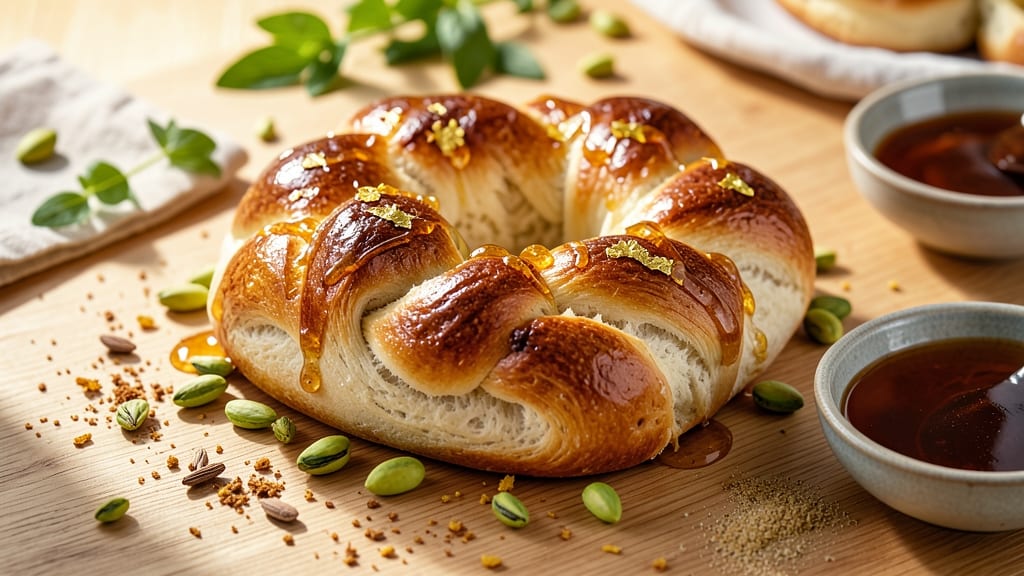
This Armenian Easter Bread Choreg recipe brings centuries of tradition to your kitchen with its golden crust and cardamom-spiced sweetness. 🌟 The braided loaf symbolizes unity and prosperity in Armenian culture, often shared during Easter celebrations.
What makes Choreg special is the delicate balance of flour, sugar, and eggs that creates a tender crumb with a crisp exterior—perfect for slicing and sharing.
The recipe begins with a simple dough enriched with butter and cardamom, then shaped into an intricate braid before baking to a golden brown. Traditional techniques like egg washing give it that signature shine, while the aroma of baking fills your home with warmth and nostalgia.
This bread isn’t just a treat—it’s a centerpiece for gatherings, carrying deep cultural meaning with every bite.
What you’ll achieve is a beautifully shaped loaf with a tender interior and perfectly crisp crust, infused with the warm, aromatic notes of cardamom. The braided design isn’t just decorative—it represents the coming together of family and community, much like the holiday itself.
Whether for Easter or any special occasion, this bread delivers both visual and culinary satisfaction.
Once baked, Choreg stays fresh for days, making it ideal for celebrations or gifting. The recipe scales easily, so you can adjust the size to fit your needs. Let’s create a tradition-worthy loaf that will become a cherished part of your table.
Ingredients for armenian easter bread choreg
Sixteen ingredients transform into a fragrant, golden Armenian Easter braid—simple staples with deep cultural roots.
| Ingredient | Amount | Notes |
|---|---|---|
| All-Purpose Flour 🌾 | 5 cups | Sifted for light texture |
| Granulated Sugar 🍚 | 1 cup | White or light brown |
| Large Eggs 🥚 | 6 whole | Room temperature preferred |
| Unsalted Butter 🧈 | 1 cup | Cold, cubed for dough |
| Whole Milk 🥛 | 1 cup | Warmed slightly for mixing |
| Ground Cardamom 🌿 | 2 tsp | Freshly ground preferred |
| Kosher Salt 🧂 | ½ tsp | Diamond Crystal preferred |
| Active Dry Yeast 🍞 | 2 tsps | 1 packet, room temperature |
| Vanilla Extract 🌸 | 1 tsp | Pure vanilla preferred |
| Lemon Zest 🍋 | 1 tbsp | From 1 organic lemon |
| Large Eggs 🥚 | 2 whole | For egg wash |
| Toasted Sesame Seeds 🌰 | 2 tbsps | For topping (optional) |
| Powdered Sugar 🍚 | ½ cup | For dusting |
The flour is your foundation—King Arthur or Gold Medal work best for that tender crumb. Cardamom is non-negotiable here; Penzeys or bulk bins at Whole Foods have the freshest, most aromatic pods. If you can't find ground cardamom, toast whole pods, grind them yourself (they keep for months this way). Butter matters too—Plugrá or Land O'Lakes are reliable, but avoid anything with additives. For the yeast, Saf-Instant is foolproof if you're short on time, but active dry gives you that authentic rise. Eggs should be room temperature—cold ones won't incorporate well into the dough.
No cardamom? Cinnamon at half the amount adds warmth, though it's not the same. Running low on butter? Vegetable shortening works in a pinch (trust me, no one will know), but butter gives that signature richness. For a dairy-free version, substitute coconut oil (solid) for the butter and unsweetened almond milk for the whole milk. The sesame seeds are optional but add that beautiful crunch—Trader Joe's sells them pre-toasted for convenience. Lemon zest can be dried if you're prepping ahead, but fresh is always better. And if you're making this for a crowd, double the yeast and let the dough rise longer—it'll be even more spectacular.
Dough keeps for 24 hours in the fridge if wrapped tightly in plastic. For longer storage, freeze the shaped loaf (unbaked) for up to 3 months—thaw overnight before baking. Once baked, Choreg stays fresh 3-4 days at room temperature, wrapped in a clean kitchen towel. For gifting, slice it while still warm—it reheats beautifully in a 200°F oven for 10 minutes. The egg wash? Save the leftover yolks for deviled eggs or homemade mayo. And if you have extra powdered sugar, it doubles as a dusting for pastries or a sweetener for coffee.
Why You'll Love This Recipe
- No Yeast Worries: I swear by this dough—no waiting for it to rise, no fuss. Just mix, shape, and bake. That butter-rich dough stays tender without needing hours of proofing, and honestly? My kids think it’s magic how fast it comes together.
- Sweet But Not Cloying: The sugar melts into the dough just enough to give it that golden, caramelized crust without tasting like a dessert. That buttery richness from the whole milk and eggs keeps it light, so it’s satisfying but not heavy—perfect for breakfast or a snack.
- Easter Centerpiece Ready: Between us, this bread is the showstopper for Easter. The braided shape feels special, but the dough is forgiving enough that even my first attempt didn’t look like a disaster. Plus, it’s the kind of thing guests will actually eat—no sad leftovers in the basket.
- Budget-Friendly Luxury: Four simple ingredients, and it tastes like you spent all day baking. The butter and eggs make it feel indulgent, but the flour and sugar keep it affordable. I’ve made this for holidays, potlucks, and even as a quick weekday treat—it’s my go-to for stretching a little money without skimping on flavor.
Step-by-step instructions for Armenian Easter bread choreg
Let's create a golden, cardamom-scented crown that's crispy outside and tender inside.
👨🍳 Step 1: Activate the Yeast and Create the Dough Base
In a small bowl, combine the 1 cup warm whole milk (about 105-110°F) with the 2 tsps active dry yeast and 1 tbsp granulated sugar. Let it sit for 5-10 minutes until it becomes frothy and bubbly—this tells you your yeast is alive and ready to work. If it doesn't bubble, your yeast might be old or the milk too hot.
In a large mixing bowl, whisk together the 5 cups sifted all-purpose flour, 2 tsp ground cardamom, and 0.5 tsp kosher salt. Make a well in the center and pour in the yeast mixture, the 6 whole large eggs, 1 tsp vanilla extract, and 1 tbsp lemon zest. Using a wooden spoon, gently mix until a shaggy dough forms. Then add the 1 cup cold cubed unsalted butter and mix until just combined.
🥘 Step 2: Knead Until Silky Smooth
Turn the dough onto a lightly floured surface and knead for 8-10 minutes until smooth and elastic. You'll know it's ready when it springs back when poked and feels slightly tacky but not sticky. If it's too dry, add 1 tsp milk at a time; if too sticky, add 1 tbsp flour. The cardamom will give your dough a beautiful aroma—this is where the magic begins.
Shape the dough into a ball, place it back in the bowl, and cover with a damp towel. Let it rise in a warm place for 1-2 hours or until doubled in size. I like to put my oven on its lowest setting with a cup of hot water inside to create a warm, humid environment—this helps the dough rise evenly and develop those beautiful air pockets.
🍳 Step 3: Shape the Choreg Crown
Once the dough has risen, punch it down gently to release air, then turn it onto a lightly floured surface. Divide it into 6 equal pieces (about 8 ounces each) and roll each into a 12-inch rope. Here's the traditional part: take one rope and form it into a ring, then place the next rope on top at a slight angle to create a crown shape. Continue until all ropes are used, pinching the ends together to seal.
Place the shaped choreg on a parchment-lined baking sheet, cover with a damp towel, and let it rise for another 30-45 minutes until puffy. The crown should look impressive and full of potential—this is your Armenian Easter masterpiece taking shape. If it collapses, simply reshape and let it rise again.
🔥 Step 4: Bake to Golden Perfection
Preheat your oven to 350°F. In a small bowl, beat the 2 whole large eggs with 1 tbsp milk for the egg wash. Brush this generously over the risen choreg, then sprinkle with 2 tbsps toasted sesame seeds for that beautiful crunchy finish. Bake for 30-35 minutes until the top is deep golden brown and the internal temperature reaches 190°F.
For that perfect crust, I like to rotate the baking sheet halfway through baking. The choreg should sound hollow when tapped on the bottom—this tells you it's fully baked. Let it cool on a wire rack for 10 minutes before dusting with 0.5 cup powdered sugar through a fine-mesh sieve. The aroma of cardamom and vanilla will fill your kitchen, making Easter morning even more special.
Pro Tips For Making Armenian Easter Bread Choreg
- Use Room-Temperature Butter: I learned this the hard way—cold butter in the dough means a fight with your mixer. Let that butter sit out for 30 minutes before mixing, or even better, microwave it for 10 seconds to soften. The dough will come together smoother, and your choreg won’t fight you when shaping.
- Weigh Your Flour: Scooping flour from the bag is how you end up with a dense, dry choreg. Use a kitchen scale for precision—this recipe lives or dies by the flour-to-butter ratio. Two cups of all-purpose flour isn’t always 250 grams, and that tiny difference matters more than you’d think.
- Don’t Overproof the Dough: The dough doubles fast, but pushing it to triple means a collapsed choreg when baking. Once it’s puffed to just above the bowl’s rim, stop. If you’re unsure, poke it gently—if the dimple springs back slowly, it’s ready. Overproofing is the silent killer of good choreg.
- Bake with Steam: This isn’t just for show—it’s what gets that golden, crackly crust. Pour a cup of hot water into a baking tray and place it on the lower rack while preheating. When you bake, the steam rises and crisps the top perfectly. No weird hacks, just science.
Make-ahead tips for this dish
Dough Prep Ahead
Make the dough up to 24 hours in advance—this is where Choreg’s magic really shines. After mixing all ingredients, knead as directed, then wrap the dough tightly in plastic wrap and refrigerate.
The cold slows fermentation, letting flavors develop deeper overnight. When ready to shape, let it sit at room temperature for 30-45 minutes before dividing and braiding. 🌟
Shaped Loaf Storage
For maximum freshness, shape your choreg into a crown and store it (unbaked) in an airtight container in the fridge for up to 12 hours. Cover with a damp towel to prevent drying.
If freezing, wrap the shaped loaf in plastic wrap and place in a freezer bag for up to 3 months. Thaw overnight in the fridge before baking—this preserves texture beautifully.
Baked Bread Revival
Choreg stays fresh for 3-4 days at room temperature when wrapped in a clean kitchen towel (better than plastic for moisture retention). For longer storage, slice and freeze individual portions on a tray, then transfer to a freezer bag.
To revive, reheat slices in a 200°F oven for 8-10 minutes until warm and fragrant. The powdered sugar topping? Save it for dusting—it keeps indefinitely in an airtight container.
Yeast Boost Tip
If baking for a crowd, double the yeast (4 tsps) and let the dough rise 30% longer—this creates an extra-light texture. For a gluten-free version, substitute 1:1 gluten-free flour blend (like King Arthur’s) and reduce milk by 2 tbsp to account for extra moisture.
The cardamom aroma intensifies with extra time, so don’t rush the rising stages! ⏰
Gifting Made Easy
Slice Choreg while still warm for the best texture—it reheats perfectly in a 200°F oven for 5-7 minutes. Pack slices in parchment-lined boxes with a dusting of powdered sugar for a professional touch.
Label with the date (it keeps 5 days this way) and include a note about the Easter tradition of sharing bread for prosperity. The sesame seeds add a beautiful crunch that makes it feel extra special. 💛
Nutrition facts
Frequently asked questions about Armenian Easter bread (choreg)
Why does Choreg have to be braided?
The braided shape isn't just decorative—it symbolizes unity and eternal life in Armenian culture. Each strand represents the coming together of family and community during Easter celebrations. The crown shape also mimics the traditional Armenian church crown, tying the bread to religious symbolism.
Can I make Choreg without cardamom?
Yes, but the flavor will differ significantly. Replace the 2 tsp cardamom with 1 tsp cinnamon + 0.5 tsp allspice for warmth, or 1 tsp vanilla bean paste for a sweeter note. Cardamom is traditional, though—it gives that signature aromatic depth that makes Choreg special. If you love the flavor, consider buying whole pods to grind fresh for future batches.
How do I fix dough that's too sticky?
Add 1 tbsp flour at a time while kneading until the dough becomes smooth and slightly tacky but not wet. If it's extremely sticky, try adding 1 tsp cornstarch instead of flour—it absorbs moisture without altering texture. Remember, the dough should spring back when poked but not stick to your fingers. Over-kneading can also make dough sticky, so stop once it's elastic.
Can I bake Choreg in a different shape?
While the traditional braided crown is iconic, you can shape it as a round loaf or even individual rolls. For a round loaf, shape the dough into a ball and let it rise—it'll still have that tender crumb. However, the braid's intricate design makes it visually stunning for Easter celebrations, so it's worth the effort for that special touch. The flavor remains the same regardless of shape!
Why did my Choreg collapse after shaping?
This usually happens when the dough hasn't risen enough or was shaped too aggressively. Let the dough rise until it's doubled in size before shaping, and handle it gently. If it collapses, simply reshape it and let it rise again for 20-30 minutes before baking. A warm oven (preheated to 350°F) and proper egg wash also help maintain structure during baking.