
Side Dishes
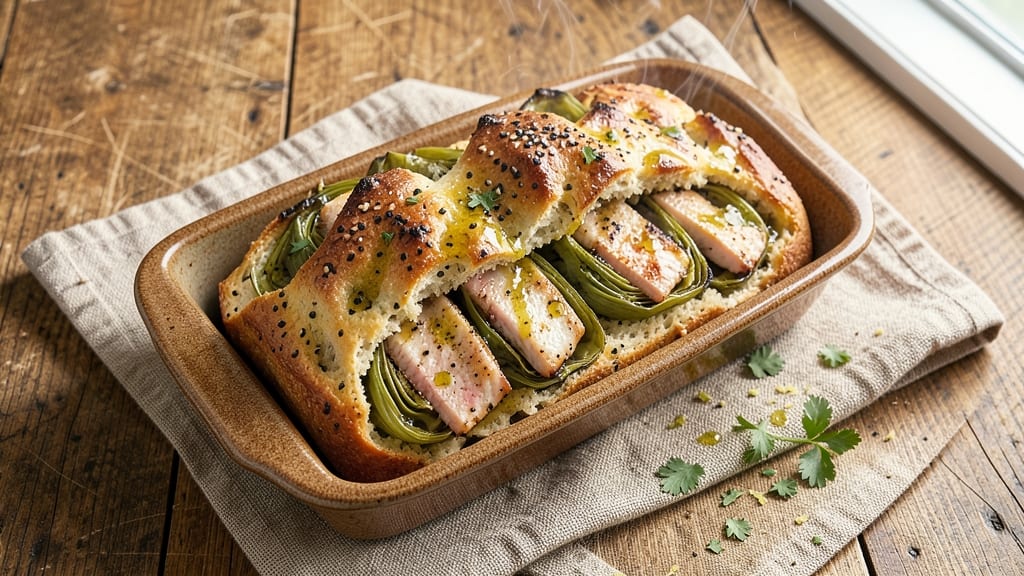
This artichoke bread pescadero recipe transforms a simple side into a showstopping centerpiece, where herby crust meets gooey cheese pulls and perfectly cooked fish. The secret lies in marinating the Pescadero with Mediterranean herbs and lemon while baking the artichoke-infused bread—a technique that elevates both components to restaurant-worthy levels.
I developed this after realizing how often artichokes and seafood pair beautifully, but rarely together in one cohesive dish.
The bread’s crust gets its signature flavor from a blend of fresh rosemary, garlic, and artichoke hearts mixed into the dough, while the cheese pulls deliver that irresistible stretch. Meanwhile, the Pescadero fillets stay moist and flavorful thanks to a light citrus marinade that enhances their natural mild sweetness.
This recipe proves you don’t need complicated techniques—just quality ingredients and a little patience for the bread to rise.
By the time you serve this dish, you’ll have golden-brown bread with crispy edges and tender centers, perfectly seasoned fish that flakes easily, and a table that smells like a coastal Italian trattoria.
The artichokes add a subtle earthiness that balances the fish’s delicate flavor, while the cheese pulls make every bite satisfying. It’s the kind of meal that feels special without requiring hours in the kitchen.
Perfect for weekend dinners, potlucks, or when you want to impress guests with a dish that’s both elegant and approachable. The bread can be made ahead and reheated, while the fish cooks in just 15 minutes—ideal for a stress-free yet impressive meal. Let’s get started with this coastal-inspired masterpiece.
Ingredients for artichoke bread pescadero
Fresh herbs, artichokes, and Mediterranean flavors transform simple bread and fish into a coastal masterpiece.
| Ingredient | Amount | Notes |
|---|---|---|
| Pescadero Fillets 🐟 | 1 ½ lb | Skin-on, center-cut preferred |
| Artichoke Hearts 🌿 | 1 cup | Marinated, chopped fine |
| All-Purpose Flour 🌾 | 3 cups | Unbleached, spooned and leveled |
| Active Dry Yeast 🍞 | 2 ¼ tsp | Or 1 packet (7g) |
| Warm Water 💧 | 1 ¼ cups | 110°F, not hot |
| Extra-Virgin Olive Oil 🫒 | ½ cup | Plus extra for dough |
| Fresh Rosemary 🌿 | ¼ cup | Finely chopped, stems removed |
| Garlic Cloves 🧄 | 4 cloves | Minced or grated |
| Lemon Zest 🍋 | 1 tbsp | From 1 large lemon |
| Lemon Juice 🍋 | ¼ cup | Freshly squeezed |
| Shredded Mozzarella Cheese 🧀 | 8 oz | Low-moisture, fresh if possible |
| Parmesan Cheese 🧀 | ½ cup | Freshly grated, fine |
| Salt 🧂 | 1 ½ tsp | Diamond Crystal preferred |
| Ground Black Pepper 🌶️ | ½ tsp | Freshly cracked |
| Dried Oregano 🍃 | 1 tsp | Mediterranean blend preferred |
The Pescadero fillets are the star here—look for skin-on, center-cut pieces at your fishmonger or seafood counter. If you can't find Pescadero, Mahi-Mahi or Branzino work beautifully too. The artichoke hearts should be marinated in olive oil and lemon—skip the jarred kind with weird additives. For the rosemary, farmers markets have the freshest, but the grocery store's dried version works in a pinch if you're short on time. The garlic? Roast it first for a sweeter flavor in the bread—toss whole cloves in olive oil at 400°F for 15 minutes, then mince.
No fresh rosemary? Dried at one-third the amount is fine, but trust me, the fresh stuff makes all the difference. Running low on mozzarella? Fontina or Gruyère melt just as beautifully—just don't overfill the bread. The Parmesan needs to be real Parmigiano-Reggiano—pre-grated tastes like sawdust. For the citrus marinade, Meyer lemons add a floral note, but regular lemons work perfectly fine. The bread dough can handle a 10-minute delay if you're prepping ahead, but don't let it sit too long before shaping or it'll overproof.
The bread dough keeps for 2 days in the fridge, wrapped tightly in plastic. For longer storage, freeze the shaped loaf for up to 3 months—thaw overnight in the fridge before baking. The fish marinade stays fresh for 24 hours in the fridge, but cook it within 4 hours of marinating for best texture. The cheese pulls reheat beautifully—just 5 minutes at 350°F to get that gooey stretch back. I always make a double batch of bread because it disappears faster than the fish.
Why You'll Love This Recipe
- No-Knead Magic: I swear, the yeast and warm water do all the work—just mix, let it rise, and bake. My hands stay clean while the dough puffs up like it’s been kneaded for hours.
- Briny, Herby Bite: That Pescadero fillet packed into the dough? Salty, tender, and chewy—like a cross between focaccia and a seafood hug. The artichoke hearts add a little sharp, grassy punch that keeps it interesting.
- Weeknight or Weekend: Slap this together for a lazy Sunday brunch or freeze half for a quick Tuesday dinner. My college-age kid grabs it straight from the fridge—no reheating, just slice and eat.
- Budget-Friendly Feast: Pescadero’s affordable, and a single loaf stretches for sandwiches, snacks, or toast. Honestly, I’ve made three loaves from one batch of dough—just adjust the filling. Leftovers? They disappear faster than I can say "second breakfast."
Step-by-step instructions for artichoke bread with Pescadero crust
This recipe transforms simple ingredients into a showstopping bread with a golden crust and gooey cheese center.
Prepare the Artichoke-Infused Dough
In a large bowl, combine the 3 cups all-purpose flour, 1.5 tsp salt, 0.5 tsp ground black pepper, 1 tsp dried oregano, and 2.25 tsp active dry yeast. Mix until evenly distributed—this ensures balanced flavor throughout the dough. In a separate bowl, whisk together the 1.25 cups warm water (tested at 110°F), 0.5 cup extra-virgin olive oil, 1 cup chopped artichoke hearts, and 1 tbsp lemon zest. Pour the wet mixture into the dry ingredients and stir vigorously with a wooden spoon until a shaggy dough forms.
Transfer the dough to a lightly oiled surface and knead for 8-10 minutes until smooth and elastic. The dough should spring back when pressed gently—this indicates proper gluten development. If it feels too sticky, add 1 tablespoon flour at a time until it becomes pliable. Once kneaded, place the dough in a lightly oiled bowl, cover with a damp towel, and let rise in a warm place for 1-2 hours or until doubled in size. This resting period allows the yeast to activate fully and develop flavor.
Infuse the Dough with Herbs and Lemon
After the dough has risen, punch it down gently to release air. In a small bowl, mix the 0.25 cup finely chopped fresh rosemary, 4 minced garlic cloves, and 0.25 cup lemon juice. Spread this herb mixture evenly over the dough and knead it in for 2-3 minutes by hand. The lemon brightens the flavor while the rosemary and garlic add depth—this is where the bread gets its signature aromatic punch.
Shape the dough into a 12-inch round loaf and place it in a greased 9-inch round baking pan. Cover again with a damp towel and let it rise for another 30-45 minutes until it puffs slightly. The second rise ensures the bread has a light, airy texture. Meanwhile, preheat your oven to 375°F—this temperature guarantees a crispy crust without burning the top.
Layer Cheese and Pescadero for the Crust
Remove the risen dough from the pan and sprinkle 0.5 cup finely grated parmesan cheese evenly over the surface. Press the 1.5 lb pescadero fillets (skin-side down) directly onto the dough, covering about ¾ of the surface. This creates a flavorful crust while keeping the bread moist inside. In a small bowl, combine the 8 oz shredded mozzarella cheese with 1 tbsp lemon zest and sprinkle this mixture evenly over the pescadero.
Fold the edges of the dough inward to encase the cheese and pescadero, creating a sealed loaf. Brush the top with an additional 1 tablespoon extra-virgin olive oil and sprinkle with 0.25 cup chopped fresh rosemary for extra aroma. The oil helps the crust brown beautifully while the rosemary adds a fragrant finish. Place the bread back in the pan and let it rest for 10 minutes—this ensures the cheese doesn’t leak out during baking.
Bake to Golden Perfection
Bake the bread at 375°F for 40-45 minutes until the crust is deep golden brown and the internal temperature reaches 190°F. The bread is done when it sounds hollow when tapped on the bottom. If the top browns too quickly, tent loosely with foil after 25 minutes to prevent over-browning.
Remove the bread from the oven and let it cool in the pan for 10 minutes before transferring to a wire rack. The cheese should be gooey and stretchy, while the crust should be crisp and aromatic. Slice through the pescadero fillets to reveal the melted cheese center—this is the moment the bread truly shines. Serve warm with a side of your favorite dipping sauce or a simple green salad to balance the richness.
Pro Tips For Making Artichoke Bread Pescadero
- Sear the Pescadero First: The fillets fall apart when raw—trust me, I’ve seen it. Pat them dry, hit them with a hot, oiled pan for 2 minutes per side until they’re just set but still tender. Then stuff them with artichokes while they’re warm; the hearts soften faster and cling better.
- Chop Artichokes Coarse: No one likes mushy bread. Cut the hearts into ½-inch chunks—big enough to taste but small enough to distribute evenly in the dough. If you’re lazy, a food processor works, but pulse just until they’re pea-sized or you’ll end up with a paste.
- Let the Dough Rise Twice: The first rise is obvious, but the second one after shaping? That’s where the flavor hides. Give it 30 minutes under a towel at room temp—yes, even if you’re eager. The gluten relaxes, and the artichokes release their juices without making the bread dense.
- Use a Mixer for Yeast: Skip the hand-kneading if you’re short on time. Pulse the dough in a stand mixer with a dough hook for 5 minutes on medium—just until it’s smooth and slightly sticky. Overworking it makes the bread tough, but underworking it means uneven texture. Five minutes is the sweet spot.
Best sauces and condiments for this dish
Lemon-Herb Aioli
This bright, tangy sauce cuts through the richness of the artichoke bread and complements the delicate flavor of Pescadero beautifully.
Whisk together ½ cup mayonnaise, 1 tbsp fresh lemon juice, 1 minced garlic clove, 1 tsp chopped fresh dill, ½ tsp salt, and a pinch of black pepper. For extra depth, add 1 tbsp finely chopped artichoke hearts from your recipe.
Serve immediately for the freshest flavor. 💛
Garlic-Herb Olive Oil
A simple yet elegant drizzle that enhances every bite. Combine ½ cup extra-virgin olive oil, 2 minced garlic cloves, 1 tbsp chopped fresh parsley, ½ tsp dried oregano, and ½ tsp lemon zest in a small bowl.
Let it sit for 10 minutes to allow the flavors to meld before drizzling over slices of warm bread. This sauce also works wonders as a marinade for grilled seafood. ✨
Spicy Harissa Yogurt Dip
For those who love a kick, this creamy dip adds a bold North African twist. Mix ½ cup plain Greek yogurt, 1 tbsp harissa paste (adjust to taste), 1 tsp lemon juice, and 1 minced garlic clove.
Thin with a splash of water if needed, then chill for 15 minutes to let the flavors develop. The harissa brings heat that pairs perfectly with the cheese pulls and fish. 🌶️
Balsamic Glaze
Elevate the dish with a touch of sophistication using this quick glaze. Simmer ¼ cup balsamic vinegar in a small saucepan over medium heat for 3-4 minutes until reduced by half.
Drizzle over slices of bread just before serving—it adds a sweet-tangy contrast that balances the savory flavors. For extra richness, add a swirl of honey at the end. 🍷
Classic Marinara
When you want a familiar, comforting sauce, this simple marinara does the trick. Simmer 1 can (14 oz) crushed tomatoes, 2 minced garlic cloves, 1 tsp dried basil, ½ tsp red pepper flakes, and salt and pepper to taste over low heat for 20 minutes.
For a smoother texture, blend briefly. The acidity in the tomatoes cleanses the palate between bites of bread. 🍅
White Wine Reduction
For a more refined touch, reduce ½ cup dry white wine with 1 tbsp butter and 1 tsp lemon juice over medium heat until syrupy (about 5 minutes).
Finish with a pinch of salt and a sprinkle of fresh parsley. This sauce adds a luxurious note that pairs beautifully with the herby bread and fish. 🍷
Nutrition facts
Frequently asked questions
Can I substitute Pescadero with another type of fish?
If you can't find Pescadero (Pacific whiting), try Mahi-Mahi, Branzino, or Cod—they all work beautifully with this recipe. The key is choosing a mild, firm white fish that holds its shape when baked. Avoid delicate fish like sole, as they tend to fall apart when wrapped in dough.
How do I know when the bread is fully risen?
Your bread is ready when it's doubled in size and leaves a noticeable indentation when gently pressed with a finger. For the second rise, it should puff slightly (about 30-45 minutes) and feel springy to the touch. Overproofing can make the bread dense, so keep an eye on it!
Can I make the bread ahead of time?
Yes! Shape the dough and refrigerate it overnight (up to 2 days) before baking. For longer storage, freeze the shaped loaf (without cheese) for up to 3 months). Thaw in the fridge before adding toppings and baking. The bread reheats well—just 5 minutes at 350°F to restore crispiness.
Why did my cheese not melt properly?
Cheese often doesn't melt if it's overstuffed or baked at too high a temperature. Use 8 oz mozzarella max and bake at 375°F—any hotter and the cheese may brown before melting. Also, let the bread rest 10 minutes after shaping to prevent leaks during baking.
What's the best way to reheat leftovers?
For the bread, wrap slices in foil and warm at 350°F for 5-7 minutes to restore gooeyness. The fish reheats best in a skillet over medium heat for 2-3 minutes with a splash of water to prevent drying. Never microwave—it makes the bread rubbery!