
Breakfast & Brunch
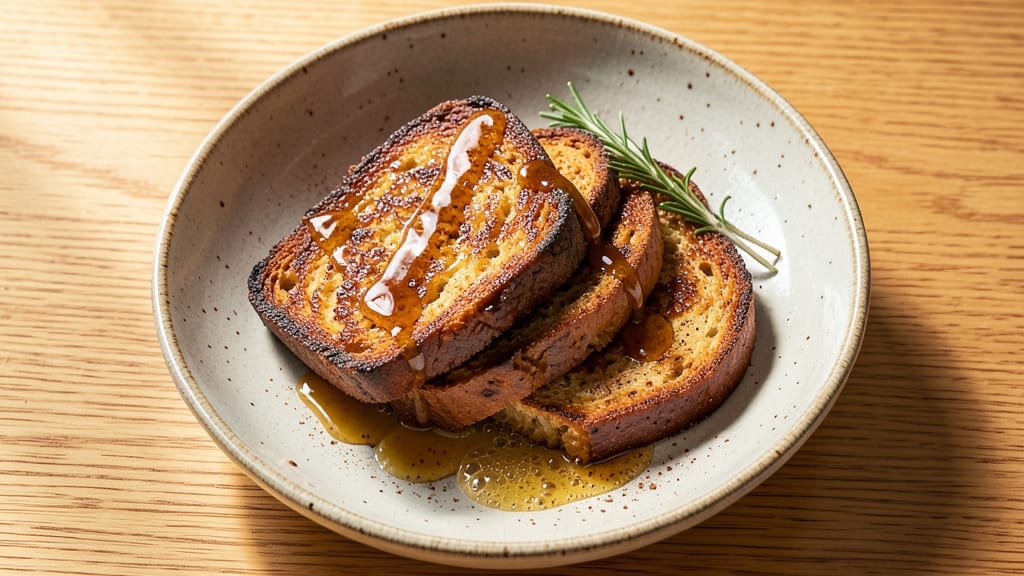
This artisan bread French toast recipe transforms stale loaves into a crispy-golden masterpiece with pillowy centers that defy expectations. The secret lies in a simple egg-milk batter and perfect searing technique—no fancy equipment required.
I've perfected this method over years, ensuring every bite delivers that ideal balance of texture and flavor.
What sets this apart is the use of high-quality artisan bread, which absorbs the custard beautifully while maintaining structure. The batter—just eggs, milk, vanilla, and a touch of cinnamon—creates a rich, flavorful base.
When seared in butter until golden, the exterior becomes irresistibly crispy while the interior stays soft and custardy.
You'll end up with slices that are crispy at the edges, tender in the middle, and infused with warm vanilla and cinnamon notes. The aroma alone will have everyone gathering around the table. This isn't just breakfast—it's a showstopper that elevates any morning.
Serve with powdered sugar, maple syrup, or fresh berries for the full experience. The best part? You can make it ahead and reheat for a foolproof brunch solution. Let's get started on creating your perfect French toast.
Ingredients for artisan bread french toast
These transformative ingredients turn humble bread into a crispy, golden masterpiece with velvety centers.
| Ingredient | Amount | Notes |
|---|---|---|
| Artisan Bread Loaf 🍞 | 1 whole | Stale or slightly dried, crust removed |
| Large Eggs 🥚 | 4 whole | Room temperature for best results |
| Whole Milk 🥛 | 1 cup | Full-fat for creaminess |
| Pure Vanilla Extract 🌿 | 1 tsp | High-quality for rich flavor |
| Ground Cinnamon 🌶️ | 1 tsp | Freshly ground preferred |
| Unsalted Butter 🧈 | 4 tbsp | European-style for higher smoke point |
| Powdered Sugar 🍚 | ¼ cup | For dusting, fine grain |
| Pure Maple Syrup 🍯 | ¼ cup | Grade A for best flavor |
| Fresh Blueberries 🫐 | ½ cup | Or any fresh berries |
| Diamond Crystal Kosher Salt 🧂 | ¼ tsp | For seasoning batter |
| Ground Black Pepper 🌶️ | ⅛ tsp | Freshly cracked for aroma |
The bread is everything here—artisan loaves with a sturdy crust hold up perfectly to soaking. I always grab Breads Bakery or Whole Foods sourdough when possible, but any crusty bread works. Look for loaves with a dense crumb—those cheap store brands get mushy. If you've got stale bread, even better: it soaks up the custard like a dream. For extra flavor, toast the bread lightly before cutting into slices—this helps maintain structure during frying. The key is room temperature batter and hot butter—never skip preheating your pan.
No vanilla extract? Vanilla bean paste works beautifully, or even a scraped vanilla bean. Short on milk? Heavy cream or half-and-half makes it richer, though the texture gets slightly lighter. Cinnamon too strong? Cut it to half a teaspoon or swap for cardamom at one-quarter teaspoon. The butter matters—European-style like Plugra has a higher smoke point and adds nutty depth. For a dairy-free twist, use coconut oil (but expect a different texture). And if you're feeling fancy, add a pinch of nutmeg to the batter for warmth.
This batter keeps for 2 days in the fridge—just whisk before using. The bread slices can be prepped ahead and stored in a sealed container for 1 day. For make-ahead magic, assemble the French toast, dust with powdered sugar, and refrigerate. Reheat in a 350°F oven for 8-10 minutes—the sugar caramelizes beautifully. Leftovers? Freeze slices between parchment paper for up to 1 month. Pro tip: Reheat in a skillet with fresh butter for that authentic crispy edge.
Why You'll Love This Recipe
- No Stale Leftovers: I swear by this trick—tossing day-old artisan bread into the egg-milk-cinnamon bath transforms it. That chewy texture? Gone. Replaced with golden, custardy perfection. I’ve turned forgotten loaves into breakfast heroes more times than I can count.
- Crispy-Creamy Magic: The secret’s in the crust—thick slices of artisan bread soak up the vanilla and cinnamon while the edges get that just-right crunch. Honestly, the first bite makes me pause. It’s like dessert and breakfast had a baby, and it’s ridiculously good.
- Weeknight Hero: Five ingredients, one bowl, zero fuss. I mix the eggs, milk, and vanilla while the coffee brews, then dip the bread while chatting with the kids. Twenty minutes later? Warm, fragrant toast that feels like a hug. (Yes, even on a Tuesday night.)
- Budget Breakfast Luxe: Artisan bread often goes on sale—stock up, freeze slices, and you’ve got gourmet French toast ready whenever. The eggs and milk are pantry staples, and a dash of cinnamon stretches the flavor. Fancy enough for company, cheap enough for daily. My kind of smart.
Step-by-step instructions for artisan bread French toast
Transform your stale artisan bread into decadent, crispy-edged French toast with this foolproof method.
Prepare the Perfect Batter
In a large bowl, whisk together the 4 whole Large Eggs until the yolks and whites are fully combined and the mixture is uniform. The eggs should be at room temperature for best results—they'll incorporate more air and create a lighter batter. Add the 1 cup Whole Milk, 1 tsp Pure Vanilla Extract, 1 tsp Ground Cinnamon, 0.25 tsp Diamond Crystal Kosher Salt, and 0.125 tsp Ground Black Pepper to the eggs, whisking gently to avoid creating too many bubbles. This batter should be smooth and slightly thick, like heavy cream.
Here's the thing—don't overmix. You're aiming for a velvety texture that will soak into the bread without making it soggy. The vanilla and cinnamon will infuse deep flavor, while the pepper adds a subtle warmth that balances the sweetness. Let the batter rest for 5 minutes while you prepare the bread—this allows the flour in the bread to fully absorb the liquid.
Cut and Soak the Artisan Bread
Using a serrated knife, cut the 1 whole Artisan Bread Loaf into ½-inch thick slices. The crust should already be removed, so you're working with the soft, starchy interior that will soak up the batter beautifully. For even cooking, arrange the slices in a single layer on a plate and brush both sides lightly with the batter using a pastry brush. This initial coating helps the bread absorb the batter more evenly.
Now, here's where the magic happens: transfer the brushed slices to a shallow dish and pour the remaining batter over them. Let them soak for 10-15 minutes, flipping once halfway through. You'll know they're ready when the bread has absorbed most of the batter and feels firm to the touch. Don't skip this step—it ensures a moist, pillowy interior rather than a dry, crumbly result.
Cook to Crispy-Golden Perfection
Melt 2 tbsp Unsalted Butter in a large skillet over medium heat until it foams but doesn't brown. Add the soaked bread slices, spacing them ½ inch apart to allow room for crisping. Cook for 2-3 minutes per side until the edges are deep golden brown and the underside is crispy. The butter should sizzle gently—this is your signal that the bread is cooking properly.
Real talk: this is the moment that matters. If the heat is too high, you'll burn the outside before the inside cooks through. If it's too low, you'll end up with greasy, undercooked toast. You're aiming for that perfect balance where the exterior is crisp enough to stand up to a fork but the center remains soft and custardy. Flip carefully using a thin spatula to avoid tearing the bread.
Finish with Maple Syrup and Blueberries
While the French toast cooks, warm the 0.25 cup Pure Maple Syrup in a small saucepan over low heat until it's just heated through—no need to bring it to a boil. In a separate pan, gently heat the 0.5 cup Fresh Blueberries with 2 tbsp Unsalted Butter over medium-low heat for 2-3 minutes until they release their juices and become slightly softened. Season lightly with a pinch of salt if desired.
Transfer the crispy French toast to a serving platter and drizzle generously with the warm maple syrup. Top each slice with the blueberry compote and a dusting of 0.25 cup Powdered Sugar for that classic French toast finish. The contrast of the crispy edges, soft interior, and sweet-tart blueberries is what makes this dish truly special. Serve immediately while the bread is still warm and the syrup is liquid gold.
Serve with Confidence
Arrange the French toast on plates, fanning the slices slightly to showcase their crispy edges. The golden-brown crust should crackle when you cut into it, revealing a moist, custard-like center that's been perfectly set by the egg mixture. Each bite should deliver a symphony of textures: the crunch of the exterior, the softness of the interior, and the burst of blueberry flavor with every forkful.
This isn't just French toast—it's a showstopper. The artisan bread adds a depth of flavor that store-bought varieties can't match, and the careful balance of heat and soaking time ensures you'll achieve that perfect crispy-golden crust every single time. Don't be afraid to experiment with toppings like whipped cream or extra maple syrup, but trust that this method delivers the best foundation for your masterpiece.
Pro Tips For Making Artisan Bread French Toast
- USE STALE BREAD: Artisan bread is best the next day—its crust softens just enough to soak up the custard without falling apart. If you’re making it fresh, let it sit out for 30 minutes first to dry the edges slightly.
- WHISK EGGS LIKE YOU MEAN IT: Cold eggs won’t blend smoothly, and that means lumpy French toast. Crack them into a bowl first, let them sit for 5 minutes, then whisk vigorously until the yolks and whites are fully emulsified—no streaks, no excuses.
- DIP, DON’T DROWN: Artisan bread’s dense crumb needs just enough custard to cling, not drown. Dip slices for 10 seconds max, let excess drip off—over-soaking turns your breakfast into soggy bread soup.
- COOK LOW AND SLOW: High heat sears the outside before the inside cooks through. Start on medium-low, flip once when the edges are golden, then finish on medium to crisp evenly—no burnt crust, no raw centers.
Serving suggestions for this artisan bread french toast
Classic Toppings Trio
Start with the powdered sugar dusting—use a fine-mesh sieve for an even, snowy finish. I like to sprinkle it right after cooking while the toast is still warm, so it melts slightly into the crispy edges.
For a maple syrup drizzle, warm it gently (never boil) to preserve its delicate flavor. The 0.25 cup Pure Maple Syrup you've already measured is perfect—just pour it generously over each slice. 🍯
Fresh Fruit Elevation
The 0.5 cup Fresh Blueberries you heated with butter become a luxurious topping when warmed through. Their juices caramelize slightly, creating a glossy, sweet-tart contrast. For variety, try sliced strawberries or raspberries—just toss them in a pinch of sugar and a squeeze of lemon before heating.
I also love adding thin banana slices that caramelize beautifully in the residual butter heat.
Protein Pairings
Transform this into a brunch powerhouse by serving with crispy bacon or crumbled sausage. I recommend center-cut bacon for maximum crispiness—cook it until deep golden brown and drain on paper towels.
For a lighter option, try smoked salmon with a dollop of herbed cream cheese. The salty protein balances the sweetness perfectly while adding a sophisticated touch.
Warm Spiced Nuts
Toast ½ cup pecans or walnuts in a dry skillet over medium heat for 3-4 minutes until fragrant. Toss them with 1 tsp brown sugar and a pinch of cinnamon while still warm.
These add a delightful crunch that contrasts wonderfully with the soft French toast. I often sprinkle them over the top just before serving for that gourmet touch.
Creamy Drizzles
For an indulgent upgrade, warm ½ cup heavy cream with 1 tbsp maple syrup and a pinch of vanilla until steaming (don't boil). Strain through a fine sieve for a silky finish.
Alternatively, whip ½ cup whipped cream with 1 tbsp powdered sugar and a splash of vanilla for a lighter option. These creamy elements take your French toast from brunch staple to restaurant-worthy dish. 🥄
Herbaceous Garnishes
Fresh herbs add a bright, aromatic element that cuts through the richness. I recommend chopped mint or thinly sliced chives—just sprinkle over the finished toast. For something more dramatic, try edible flowers like nasturtiums or violets.
Even a few leaves of basil add a surprising freshness that pairs beautifully with the maple and berries.
Nutrition facts
Frequently asked questions
Can I use any type of bread for this recipe?
The key here is artisan bread with a sturdy crumb—think sourdough, brioche, or even a good-quality baguette. Avoid soft breads like white sandwich bread; they'll fall apart when soaking. For best results, use bread that's at least 24 hours old or slightly stale—it absorbs the custard beautifully without getting soggy.
Why does my French toast come out greasy instead of crispy?
Greasy French toast usually means the heat was too low or the butter wasn't hot enough. Always use medium heat and let the butter foam before adding the bread. For extra crispiness, pat the soaked bread slices dry with a paper towel before cooking. The secret is patience—let the edges brown for 2-3 minutes per side without rushing.
How do I make this ahead of time for a brunch?
Prepare the batter and cut the bread slices up to 1 day ahead—store them in separate containers. For the full assembly, soak the bread in the batter, then refrigerate for up to 4 hours. When ready to cook, let the slices sit at room temperature for 10 minutes before frying. For reheating, warm in a 350°F oven for 8-10 minutes or crisp in a skillet with fresh butter.
Can I make this recipe without eggs?
Traditional French toast relies on eggs for that custardy interior, but you can substitute with a flax egg (1 tbsp ground flax + 3 tbsp water) or silken tofu blended with vanilla. The texture will be lighter, but it'll still hold together. For a vegan option, use unsweetened almond milk + 2 tbsp cornstarch mixed with the batter ingredients. Just expect a slightly denser result.
What's the best way to store leftovers?
Let the French toast cool completely, then stack slices between parchment paper. Store in an airtight container in the fridge for up to 3 days. To reheat, warm in a skillet with a little butter over medium heat for 1-2 minutes per side until crispy again. For freezing, wrap individual slices tightly in plastic wrap and freeze for up to 1 month. Thaw overnight in the fridge before reheating.