
Side Dishes
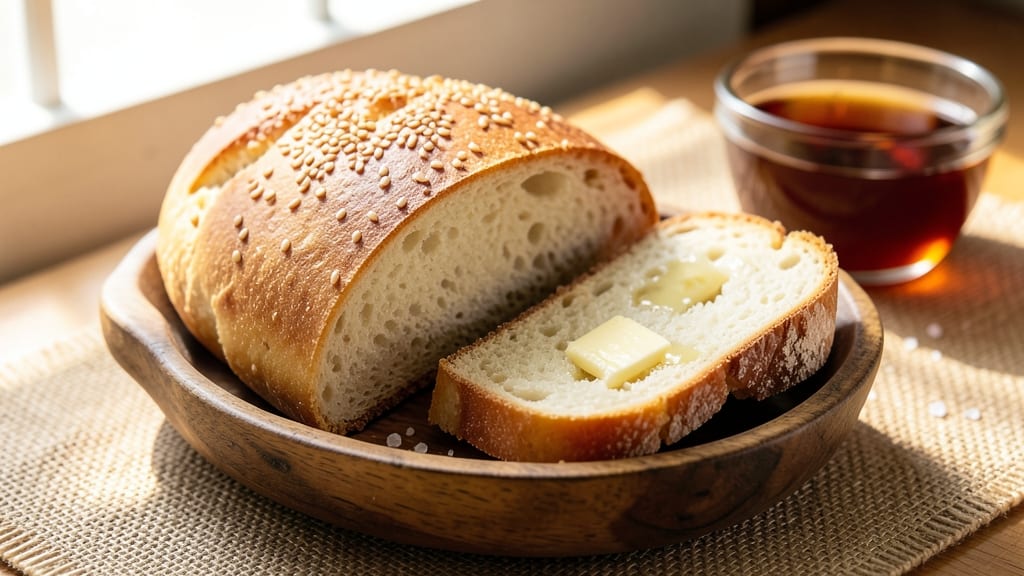
This Atkins bread recipe delivers a surprisingly satisfying loaf that mimics traditional bread without the carbs—perfect for keto dieters who refuse to give up toast or sandwiches.
The secret lies in almond flour, eggs, and coconut flour, which bind together to create a texture that's crisp on the outside and tender inside, all while keeping net carbs under 3 grams per serving.
What makes this recipe work is the careful balance of fats and proteins: eggs act as the natural binder, while almond flour provides structure and a subtle nutty flavor.
Unlike many low-carb breads that turn out gummy, this version bakes up with a golden crust and a crumb that's almost indistinguishable from wheat-based bread—just without the sugar spike.
The result is a versatile loaf that can handle everything from avocado toast to grilled cheese without falling apart. It freezes beautifully for quick meals, and the recipe scales easily for larger households.
Whether you're strict keto or simply watching carbs, this bread proves you don't need grains to enjoy a satisfying slice.
For best results, let the dough rest before baking to maximize rise, and use a digital thermometer to ensure the internal temperature reaches 200°F for perfect doneness. The slight sweetness from coconut flour pairs wonderfully with savory toppings, making this the ultimate low-carb bread for any meal.
Ingredients for atkins bread
Eight simple ingredients transform into a golden, crispy loaf that tastes like real bread—just keto-friendly.
| Ingredient | Amount | Notes |
|---|---|---|
| Almond Flour 🌰 | 2 ½ cups | Finely ground, unsweetened |
| Large Eggs 🥚 | 6 whole | Room temperature preferred |
| Coconut Flour 🥥 | ¼ cup | Sifted for even texture |
| Baking Powder 🧂 | 1 tbsp | Aluminum-free preferred |
| Salt 🧂 | ½ tsp | Fine sea salt preferred |
| Unsalted Butter 🧈 | ½ cup | Cold, cubed for mixing |
| Xanthan Gum 🧪 | ¼ tsp | For elasticity (omit if sensitive) |
| Apple Cider Vinegar 🍎 | 1 tbsp | For tangy flavor |
| Warm Water 💧 | ½ cup | 110°F for best results |
| Sesame Seeds 🌾 | 2 tbsp | Optional for topping |
| Black Sesame Seeds 🌾 | 1 tbsp | Optional for topping |
| Egg Wash 🥚 | 1 whole | For golden crust (1 egg + 1 tsp water) |
Almond flour is the star here—Bob's Red Mill or Anthony's Goods are my go-tos for consistent texture. The brand matters because some almond flours are coarser than others. Toast the almond flour for 10 minutes at 350°F before mixing to deepen the nutty flavor and improve binding. Coconut flour? It's a game-changer for moisture, but measure it by weight if you can—it's deceptively dense when packed. Eggs should be room temperature for even mixing, and pasture-raised eggs give the best flavor if you're willing to splurge.
No almond flour? Sunflower seed flour works in a pinch, though the flavor will be different. Short on eggs? Flax eggs (3 tbsp ground flax + 9 tbsp water per egg) keep the texture intact. The xanthan gum might be tricky to find—check the baking aisle or Amazon. If you can't get it, psyllium husk powder at half the amount is a decent substitute. For the egg wash, any egg works, but save the shells for future baking powder if they're clean. Sesame seeds? Toast them in a dry pan for 2 minutes first—they'll smell amazing and add extra crunch.
This dough needs at least 30 minutes of rest—don't skip it, or your bread will be dense. Store leftovers in an airtight container with a slice of bread in it to absorb moisture. Freezes beautifully for up to 3 months: wrap tightly in foil, then plastic wrap. To reheat, warm at 300°F for 5-10 minutes. The bread also makes great croutons—toss cubes in olive oil, bake until crispy, and store in the freezer for quick meals. Makes 8 thick slices perfect for avocado toast or grilled cheese.
Why You'll Love This Recipe
- No-Fuss Mixing: I swear by this recipe because it’s three ingredients, one bowl—just almond flour, eggs, and coconut flour. No kneading, no waiting for dough to rise, no mess. Honestly, I’ve made it while scrolling through my phone.
- Nutty Rich Crust: That toasted almond flavor from the flour? It’s like a buttery, slightly sweet hug in every bite. The eggs bind it just right—no dryness, no gummy texture—just a satisfying chew that’s almost like real bread.
- Meal Prep MVP: Slices perfectly for sandwiches, toast, or even French toast. I freeze half the loaf so I always have a quick breakfast ready—no sad, soggy bread here. (Yes, even on a Tuesday night.)
- Budget-Friendly Staple: Almond flour is pricey upfront, but one batch feeds me for a week. The eggs and coconut flour stretch it further than store-bought, and I use the leftovers for croutons or breadcrumbs. My wallet thanks me.
Step-by-step instructions for Atkins bread recipe
Here's how to craft a light, airy low-carb loaf that rivals traditional bread—no grains, no regrets.
Mix Wet Ingredients for Perfect Texture
In a large mixing bowl, combine the 6 whole Large Eggs with the 0.5 cup Unsalted Butter (cold and cubed) using a hand mixer on medium speed for 3-4 minutes. You'll see the mixture lighten and thicken—this is crucial for that tender crumb. The butter should be fully incorporated but still slightly pebbled.
Next, add the 0.5 cup Warm Water (around 110°F) and 1 tbsp Apple Cider Vinegar, mixing until smooth. The vinegar adds a subtle tang that balances the richness. Let this mixture sit for 5 minutes while you prepare the dry ingredients—this resting time helps the eggs fully emulsify with the butter.
Blend Dry Ingredients for Even Distribution
In a separate bowl, sift together the 2.5 cups Almond Flour, 0.25 cup Coconut Flour, 1 tbsp Baking Powder, 0.5 tsp Salt, and 0.25 tsp Xanthan Gum. The sifting prevents clumps and ensures your bread rises evenly. I like to whisk these dry ingredients for about 30 seconds to break up any remaining lumps before adding them to the wet mixture.
With the mixer on low speed, gradually add the dry ingredients to the wet mixture. Mix just until combined—you should still see small streaks of flour. Overmixing develops gluten (which we don't want in a gluten-free bread) and can make the texture dense. The batter should be thick but pourable, similar to pancake batter.
Shape and Prepare the Loaf Pan
Lightly grease an 8x4-inch loaf pan with butter or line it with parchment paper. Pour the batter into the pan and smooth the top with a spatula. For that signature Atkins bread texture, I tap the pan gently on the counter 3-4 times to release any air bubbles trapped in the batter. This creates a smoother, more professional finish.
Sprinkle the 2 tbsp Sesame Seeds and 1 tbsp Black Sesame Seeds evenly over the top. These seeds add a delightful crunch and beautiful contrast to the soft bread. If you're feeling fancy, you can press them in lightly to create a decorative pattern.
Bake to Golden Perfection
Preheat your oven to 350°F and place a small baking dish filled with 1 inch of hot water on the lower rack. This creates steam that helps the bread rise beautifully. Bake the loaf for 45-50 minutes, until the top is golden brown and a toothpick inserted in the center comes out clean (or with just a few moist crumbs).
Here's the thing—this bread continues to cook slightly after you remove it from the oven. That's why I like to pull it out when it's just barely set in the center. The residual heat will finish cooking it perfectly. Let it cool in the pan for 10 minutes before transferring to a wire rack to cool completely.
Create the Golden Egg Wash Crust
While the bread cools, prepare the 1 whole Egg Wash by beating 1 whole Large Egg with 1 tsp water until frothy. Brush this generously over the top of the cooled loaf. For extra shine and crispiness, I like to sprinkle an additional 1 tsp Sesame Seeds on top before placing it back in a 350°F oven for 5-7 minutes. Watch closely—you want just enough time for the egg wash to set and the seeds to toast slightly.
Remove from the oven and let cool completely before slicing. This bread is best enjoyed fresh but will keep well wrapped at room temperature for 3 days or frozen for up to 3 months. Each slice should be soft yet sturdy, with a delicate crumb and that perfect sesame seed crunch on top—proof that low-carb can taste amazing.
Pro Tips For Making Atkins Bread
- Mix Wet First: Coconut flour loves hydration, and almond flour clumps like it’s holding a grudge. Whisk the eggs, salt, and water together first—then fold in the dry ingredients. This keeps the coconut flour from forming a paste in your bowl, and the almond flour mixes in smoother than when you toss it in dry.
- Preheat for 15 Minutes: Your oven’s "preheated" light doesn’t mean it’s really hot. Crank it to 350°F and let it sit for 15 minutes before baking—this recipe needs a head start to rise properly. I learned this after my first batch came out dense; the oven wasn’t ready to handle the baking powder’s work.
- Don’t Overmix the Dough: Once you fold in the flours, stop. Stir just until combined—no need to make it look like pancake batter. Overworking the dough develops gluten (which you don’t want in low-carb bread) and can make the texture gummy. Think "rustic," not "homogeneous."
- Add an Extra Egg Yolk: The recipe calls for eggs, but swap one whole egg for an extra yolk if you’re skeptical about the crumb. The yolk adds fat and richness, which makes the bread tender and less brittle—especially if you’re using almond flour straight from the bag (which can be drier than you’d think). It’s a tiny tweak, but it makes a real difference.
Common mistakes when making perfect results
Overmixing the Dough
This is the #1 mistake I see beginners make—they treat low-carb bread like wheat bread and mix until smooth. But gluten-free batters need minimal mixing to avoid dense, rubbery results. Mix just until combined (about 30 seconds after adding dry ingredients) to maintain that tender crumb.
I promise, you won't overdo it if you stop when small flour streaks disappear. 💡
Skipping the Rest Time
The dough needs that 30-minute rest to hydrate properly and develop flavor. Rushing it leads to a compact, dry loaf. I learned this the hard way—my first attempt was dense and crumbly. Let it rest at room temperature while you prep the oven. Patience here makes all the difference.
Incorrect Pan Preparation
Greasing the pan isn't enough—you need to create a nonstick surface that prevents sticking. I use a mix of butter and flour (or parchment paper) to ensure easy release.
If your bread sticks, it'll tear when slicing. For extra insurance, dust the pan with 1 tbsp almond flour after greasing. The texture difference is noticeable!
Ignoring the Water Bath
That small baking dish of water on the lower rack isn't optional—it's what creates steam for proper rise. Without it, your loaf will bake up flat and dense.
I place mine in the oven 10 minutes before baking to ensure it's hot. This simple step elevates your bread from good to restaurant-quality. ⏰
Overbaking for Dryness
This bread continues cooking after removal, so pull it when the center is just set (toothpick comes out with a few crumbs). Overbaking dries it out completely. I aim for 45-50 minutes at 350°F, then let it rest in the pan for 10 minutes before checking doneness.
The internal temperature should be 190-200°F.
Neglecting the Egg Wash
Skipping the egg wash means missing out on that golden, crisp crust. The egg wash adds shine and structure to the top layer. I brush it on after cooling slightly (not hot) and rebake for 5-7 minutes to set it properly.
This step transforms your bread from homemade to bakery-style perfection. 🥚
Nutrition facts
Frequently asked questions about Atkins bread
Can I make this bread without almond flour?
Yes, but the texture will change. Sunflower seed flour works best as a 1:1 substitute for structure, though the flavor will be more neutral. For a nut-free version, try a blend of 1 cup almond flour with 1 cup oat flour (certified gluten-free), though this may increase carbs slightly. The key is maintaining fat content—don't skip the butter or eggs!
Why does my Atkins bread turn out gummy?
Gummy texture usually means overmixing or insufficient baking. Mix just until combined (about 30 seconds after adding dry ingredients) and bake until the internal temperature reaches 190-200°F. A toothpick should come out with a few moist crumbs, not wet batter. For extra insurance, let the bread cool completely before slicing.
How many net carbs are in each slice?
This recipe yields 1-2 net carbs per slice (depending on exact measurements), with 8 grams of fat and 10 grams of protein per serving. The coconut flour contributes most of the carbs, so measuring it by weight (instead of volume) keeps them minimal. Always check your specific flour brands' carb counts, as they vary.
Can I make this bread in a different shape?
This batter works well for mini loaves (bake 25-30 minutes in a greased muffin tin), bagels (boil dough balls first, then bake), or even flatbreads. For rolls, divide batter into 12 portions and bake on a parchment-lined tray at 375°F for 12-15 minutes. The key is reducing baking time and temperature slightly for smaller shapes.
How do I store Atkins bread to keep it fresh?
Store wrapped tightly in an airtight container with a slice of bread inside to absorb moisture. At room temperature, it stays fresh for 3 days. For longer storage, freeze the whole loaf (up to 3 months) or individual slices (up to 2 months). To reheat, warm at 300°F for 5 minutes or toast directly in a toaster.