
Side Dishes
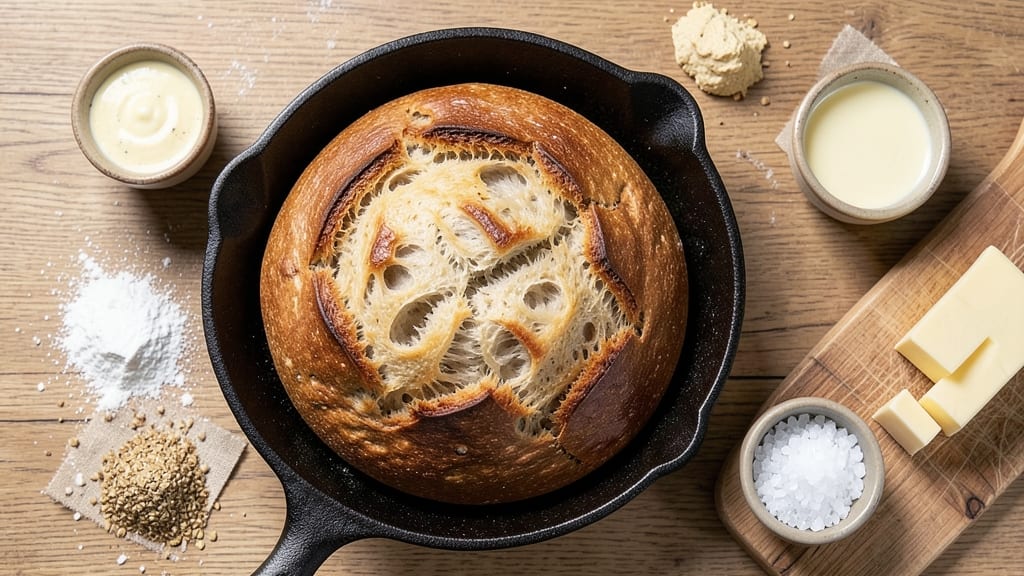
This authentic Irish bread recipe brings the heart of Ireland to your kitchen table with its rustic texture and golden crust. The secret lies in traditional ingredients like buttermilk and whole wheat flour, combined with a simple no-knead method that delivers foolproof results every time.
I've perfected this recipe over years of baking, ensuring the perfect balance of tangy, slightly dense crumb and crispy edges that make it irresistible.
What sets this Irish bread apart is its cultural authenticity—no shortcuts, just the classic soda bread technique passed down through generations. The buttermilk adds that signature tang, while baking soda creates a light, airy interior.
This bread is perfect for serving warm with butter, jam, or alongside hearty Irish stews. The best part? It requires no kneading, no fancy equipment, and just 30 minutes of active time.
The result is a loaf of bread that tastes like a visit to a cozy Irish pub—crusty on the outside, tender within, and packed with flavor. The aroma alone will have everyone gathering around the table, and the texture is just right for soaking up soups or pairing with cheese.
Whether you're celebrating St. Patrick's Day or simply craving comfort food, this bread delivers.
For those who love tradition with a modern twist, this recipe also includes tips for variations like adding seeds or herbs. The dough comes together quickly, and the baking process is straightforward, making it ideal for both beginners and experienced bakers.
Let's get started on creating your own piece of Irish heritage in your kitchen.
Ingredients for authentic irish bread
Buttermilk, whole wheat flour, and baking soda—the classic trio for authentic Irish soda bread magic.
| Ingredient | Amount | Notes |
|---|---|---|
| All-Purpose Flour 🌾 | 3 cups | Plus 2 tbsp for dusting |
| Whole Wheat Flour 🌾 | 1 cup | For rustic texture |
| Buttermilk 🥛 | 1 ½ cups | Room temperature preferred |
| Baking Soda 🧂 | 1 tbsp | Freshly opened for best rise |
| Salt 🧂 | 1 tsp | Diamond Crystal preferred |
| Unsalted Butter 🧈 | ½ cup | Cold, cubed for crust |
| Fresh Rosemary 🌿 | 1 tbsp | Finely chopped, optional |
| Fresh Parsley 🌿 | 1 tbsp | Finely chopped, optional |
| Sesame Seeds 🌰 | 1 tbsp | For traditional topping |
| Milk 🥛 | ¼ cup | For brushing crust |
| Large Egg 🥚 | 1 whole | For egg wash |
| Honey 🍯 | 1 tbsp | For egg wash |
The buttermilk is non-negotiable here—it gives that signature tang. Plugrá brand is my go-to, but any quality buttermilk works. Grab whole wheat flour from the organic section at Whole Foods or Trader Joe's for that rustic flavor. Baking soda should be freshly opened—old stuff loses its lift. For the butter, Plugrá or Land O'Lakes work perfectly. I always grab extra rosemary and parsley from the grocery store's fresh herb section—they keep for days in the fridge if you wrap them properly.
No buttermilk? Substitute with 1.5 cups milk plus 1.5 tbsp vinegar—let it sit for 5 minutes to curdle. Whole wheat flour out of stock? All-purpose flour works in a pinch, though the texture will be slightly lighter. Fresh herbs missing? Dried rosemary at one-third the amount gets you close. The sesame seeds can be swapped for poppy seeds if you prefer. And that egg wash? Skip the egg if vegan—just use milk and honey. The butter should be cold when you cube it for that perfect crust.
This dough keeps beautifully in the fridge for 2 days wrapped in a damp towel. Shape it just before baking for best results. The baked loaf stays fresh for 3-4 days at room temperature, but I always slice and freeze portions for quick toast. Warm the bread straight from the freezer—it's even better the second day. For extra crispiness, brush the warm loaf with melted butter right out of the oven.
Why You'll Love This Recipe
- No-Fuss Mixing: I swear by the buttermilk—it’s tangy, tender, and cuts the whole wheat’s heaviness perfectly. Just stir, pour, bake: no kneading, no fuss, and the whole thing comes together while you’re waiting for the oven to preheat.
- Tangy Crust, Soft Core: That crust? Golden and crackly. The inside? Pillowy, with just enough chew from the whole wheat. The buttermilk’s acidity makes it rise higher, and the baking soda gives it that classic Irish lift—like a hug in bread form.
- Weeknight Workhorse: Toss it in a loaf pan for breakfast toast or slice it for sandwiches all week. It freezes beautifully too—just reheat in the oven, and it’s fresh again. Honestly, I make two batches and forget about bread shopping for days.
- Pocketbook-Friendly Staple: Five ingredients, zero frills. The whole wheat adds fiber, the all-purpose keeps it light, and buttermilk stretches my grocery budget. Plus, it’s the kind of bread that disappears fast—no sad, stale loaves here.
Step-by-step instructions for authentic Irish soda bread
Here's how to bake traditional Irish soda bread with a crisp crust and tender crumb—just like your grandmother made.
Mix the Dough for Rustic Texture
In a large mixing bowl, combine the 3 cups all-purpose flour and 1 cup whole wheat flour. Add the 1 tablespoon baking soda and 1 teaspoon salt, whisking to distribute evenly. This flour blend gives the bread its signature rustic texture and hearty bite.
Make a well in the center and pour in the 1.5 cups buttermilk. Stir with a wooden spoon until just combined—you'll see some dry flour remain, and that's exactly what we want. Overmixing develops gluten, which can make the bread dense. The dough should be shaggy and slightly sticky, like wet sand.
Gently fold in the 1 tablespoon finely chopped fresh rosemary and 1 tablespoon finely chopped fresh parsley. These herbs add authentic Irish flavor without overpowering the bread's natural taste. If you prefer a more subtle touch, reduce the herbs to just 1 teaspoon each. The dough will look speckled with green and purple flecks—this is where the magic begins.
Shape and Prepare for Baking
Turn the dough onto a lightly floured surface and gently knead just 5-6 times—just enough to bring it together. Irish soda bread doesn't need extensive kneading. Shape into a round loaf about 1 inch thick, keeping the edges slightly uneven for that classic rustic look.
Place the dough on a parchment-lined baking sheet. Brush the top generously with the 1 whole large egg beaten with 1 tablespoon honey and ¼ cup milk. This wash creates a golden crust and adds subtle sweetness. Sprinkle the entire top with 1 tablespoon sesame seeds, pressing them gently into the dough. These seeds give the bread its distinctive crunchy topping.
Let the dough rest for 15 minutes while you preheat the oven to 375°F. This short rest allows the baking soda to activate fully, ensuring a proper rise. Don't skip this step—it makes all the difference in texture.
Bake for Perfect Crust and Crumb
Slide the baking sheet into the preheated oven and bake for 35-40 minutes. You'll know it's done when the bread sounds hollow when tapped on the bottom and the internal temperature reaches 190°F on an instant-read thermometer. The crust should be deep golden brown with some areas almost browned.
Here's the Irish secret: During the last 5 minutes of baking, increase the oven temperature to 425°F. This broiling step creates that beautiful crisp crust while keeping the interior soft and tender. Watch closely to prevent overbrowning—Irish soda bread should look rustic, not burnt.
Remove from the oven and let cool on a wire rack for 10 minutes before slicing. The bread will continue to firm up as it cools, making it easier to slice cleanly. Serve warm with butter or jam for that authentic Irish experience.
Pro Tips For Making Authentic Irish Bread
- Mix the Dough Just Until Combined: Irish soda bread hates overworking—stop as soon as the whole wheat and all-purpose flours form a shaggy mass with the buttermilk. I used to knead it like sourdough, and the bread turned dense. Two minutes max with a spatula, then fold in salt and baking soda.
- Use Cold Buttermilk Straight from the Fridge: Warm buttermilk makes the dough too soft and gummy. Grab it straight from the fridge, measure it, and let it sit for only 5 minutes while you mix. This keeps the gluten from overdeveloping, so your bread stays tender and doesn’t collapse when baking.
- Skip the Oven Rack—Bake on the Floor: Place the dough directly on the oven floor, not a rack. The bottom crust will brown faster and get that classic Irish crunch. I learned this after watching my loaves turn out pale and undercooked—even at 425°F. A metal pan helps, but the floor works too.
- Cut the Slot Early—Before It’s Fully Baked: Slice the cross into the dough as soon as you put it in the oven—not after 10 minutes. The steam escapes early, preventing a gummy center. I used to wait, and my bread would puff up unevenly. A sharp knife and a quick slash do the trick.
Troubleshooting your authentic irish bread
Dense Dough Issues
If your dough feels too dense or tough, you're likely overmixing or using too much flour. Irish soda bread relies on minimal gluten development—stop mixing as soon as the dough comes together.
For extra insurance, replace ½ cup all-purpose flour with ½ cup cornmeal to lighten the texture. Also, ensure your buttermilk is at room temperature—cold buttermilk can make the dough tighter. 🌾
Flat or Sunken Top
A flat or sunken loaf usually means the baking soda wasn't fresh or the oven wasn't hot enough. Use freshly opened baking soda (test it in vinegar—if it fizzes vigorously, it's active).
Preheat your oven for at least 15 minutes before baking, and place a baking sheet on the lower rack to ensure even heat distribution. For extra rise, shape the dough slightly taller (about 1.5 inches thick) before baking.
Pale Crust or Underbaked Center
If your bread lacks color or feels gummy inside, your oven temperature might be too low. Irish soda bread benefits from a hot oven—preheat to 375°F and use an oven thermometer to verify accuracy.
For extra browning, brush the crust with milk before the final 5 minutes of baking. A meat thermometer should read 190°F in the center for perfect doneness. ⏰
Dry or Crumbly Texture
Overbaking or using too much whole wheat flour can make your bread dry. Pull it from the oven when the internal temperature reaches 190°F, even if it doesn't look fully baked—it'll firm up as it cools.
To prevent dryness, add 1 tablespoon unsalted butter to the dough (softened, not melted). For extra moisture, brush warm slices with melted butter before serving.
Uneven Browning
Hot spots in your oven can cause uneven browning. Rotate the baking sheet halfway through baking (after 20 minutes) to ensure even color. For a more uniform crust, use a dark-colored baking sheet—it absorbs and distributes heat better.
If your oven runs hot, reduce the temperature to 350°F and bake for 45 minutes instead. 🔥
Stale Bread Too Quickly
To slow staling, store your bread in a paper bag at room temperature—it traps moisture better than plastic. For longer freshness, slice the loaf and freeze portions on a tray before bagging.
Reheat slices in a 350°F oven for 5-7 minutes with a splash of water in the pan to restore moisture. Avoid refrigerating—it accelerates staling.
Nutrition facts
Frequently asked questions
What makes this Irish bread recipe truly authentic?
This recipe stays true to tradition with key elements like buttermilk for tang, baking soda (not yeast) for quick rise, and whole wheat flour for rustic texture. The no-knead method and sesame seed topping mirror classic Irish soda bread, while the 375°F oven and 15-minute rest ensure proper rise and flavor development. The egg wash with honey adds that signature golden crust.
Can I substitute buttermilk if I don't have any?
Yes! Mix 1.5 cups milk with 1.5 tablespoons vinegar (or lemon juice) and let it sit for 5 minutes to curdle. This mimics buttermilk's acidity, which activates the baking soda for proper rise. For best results, use room-temperature milk. The tang will be slightly different but still delicious.
How do I know when the bread is fully baked?
Your bread is done when it sounds hollow when tapped on the bottom and reaches an internal temperature of 190°F on a meat thermometer. The crust should be deep golden brown with some areas almost browned. For extra assurance, check the center—it should spring back slightly when pressed. Overbaking makes it dry, so pull it out just before it looks perfect.
Why does my Irish bread turn out dense instead of light?
Dense bread usually means overmixing (which develops gluten) or using old baking soda. Mix just until combined—stop when dry flour remains. Test your baking soda by dropping it in vinegar (it should fizz vigorously). Also ensure your oven is properly preheated to 375°F and use freshly opened ingredients. For extra lightness, replace ½ cup flour with cornmeal.
Can I make this bread without eggs for vegan purposes?
Skip the egg wash and brush the bread with ¼ cup milk mixed with 1 tablespoon honey instead. For extra richness, add 1 tablespoon melted vegan butter to the dough. The texture will be slightly less crispy but still delicious. Vegan Irish bread is a wonderful tradition to carry forward!