
Side Dishes
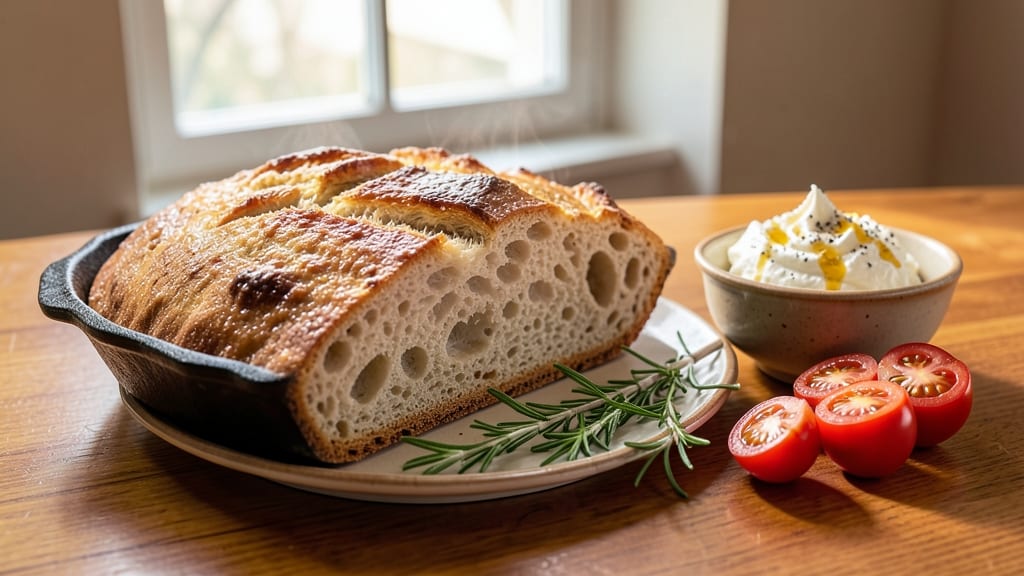
This authentic Italian semolina bread delivers the crispy crust and airy crumb that define traditional Pane di Semola—the bread that makes every Italian meal feel complete. 🌟 The secret lies in the perfect balance of semolina and flour, which creates that signature texture: a golden, shatteringly crisp exterior with a light, fluffy interior that melts in your mouth.
I've perfected this recipe after years of testing, using traditional techniques that bring authentic Italian flavor to your kitchen.
The foundation begins with a simple yet precise dough of semolina, all-purpose flour, yeast, water, and salt—no shortcuts here. The semolina adds that characteristic rustic texture, while the slow fermentation develops deep flavor.
What truly sets this bread apart is the baking method: whether you use a wood-fired oven for that smoky aroma or a cast-iron pan for even heat, the result is always the same—crisp edges and a tender, airy crumb that holds up perfectly for days.
By the time you pull this bread from the oven, you'll have a loaf that's crisp enough to stand alone as an appetizer but tender enough to soak up every drop of olive oil and salt.
The aroma alone—warm, slightly nutty from the semolina, with a hint of yeasty richness—will transform your kitchen into an Italian trattoria. This is the bread that elevates soups, pairs beautifully with cured meats, and becomes the star of any meal.
For those who love tradition, stick to the classic version. For a twist, try adding a sprinkle of rosemary or a drizzle of olive oil before baking.
Either way, you're getting a loaf that tastes like it came straight from a Roman bakery. Let's get started on making this Italian staple your new favorite.
Ingredients for authentic italian semolina bread
Semolina flour and all-purpose flour create the signature crispy crust and airy crumb of authentic Italian bread.
| Ingredient | Amount | Notes |
|---|---|---|
| Semolina Flour 🌾 | 2 cups | Fine grind, not coarse |
| All-Purpose Flour 🌾 | 1 cup | For structure and rise |
| Active Dry Yeast 🍞 | ¼ oz | Or 2 1/4 tsp (1 packet) |
| Granulated Sugar 🍚 | 1 tbsp | Feeds yeast for rise |
| Salt 🧂 | 1 tsp | Diamond Crystal preferred |
| Warm Water 💧 | 1 ¼ cups | 110°F for yeast activation |
| Extra-Virgin Olive Oil 🫒 | 2 tbsp | For dough elasticity |
| Cornmeal 🌽 | ½ cup | For dusting baking surface |
| Coarse Sea Salt 🧂 | 1 tsp | For crust enhancement |
| Rosemary (optional) 🌿 | ¼ cup | Fresh sprigs, chopped |
| Cornmeal (for topping) 🌽 | ¼ cup | Extra for final coating |
Semolina is the star here—Bob's Red Mill or Barilla are my go-tos for that fine grind. If you can't find semolina, durum wheat flour works in a pinch, but texture will differ slightly. The yeast needs to be active dry, not instant—it reacts differently with the slow fermentation. Warm water is key: too hot kills the yeast, too cold slows activation. I always test mine by dropping a bit in warm water—if it foams within 5 minutes, it's good to go. The olive oil matters too—California extra-virgin has the right balance of fruity and peppery notes for this dough.
No semolina? Substitute with all-purpose flour plus 1 tbsp cornstarch for similar texture, but expect a slightly denser crumb. Diamond Crystal salt is my preference (it's coarser), but Morton works fine. For the rosemary, fresh is ideal, but dried at half the amount works if you're in a bind. The dough should be tacky but not sticky—if it's too dry, add 1 tsp water; if too wet, add 1 tbsp flour. And trust me on the slow fermentation—overnight in the fridge develops the best flavor, even if you're impatient.
This dough keeps beautifully—3 days in the fridge wrapped tightly, or 3 months frozen. For freezing, shape the loaves, wrap in plastic, then foil. Thaw overnight in the fridge before baking. The baked bread? Crispy crust stays fresh for 2 days at room temp, but the crumb softens fast. Revive stale bread by wrapping in a damp towel and heating at 350°F for 10 minutes. I always bake two loaves—one for the table, one for toast. The aroma alone makes it worth the wait.
Why You'll Love This Recipe
- No-Knead Magic: I swear by this dough—just mix, let it rise, and boom. No stand mixer, no elbow grease, just the semolina’s natural grit doing the work while you sip your coffee.
- Toasty Crunch Alert: That first bite? The semolina crust crackles like a campfire, while the inside stays soft and pillowy. Honestly, I’ve tried fancier breads—this one wins every time.
- Pantry Staple Power: Five ingredients, zero weird substitutions. If you’ve got flour, yeast, and sugar, you’ve got this. My college self would’ve cried happy tears over how reliable it is.
- Leftovers? More Like Forever: Slice it fresh, toast it later—it reheats like a dream. I’ve had this bread three days out of the fridge, and my family still begs for more. Budget-friendly? Absolutely. Wasted? Never.
Step-by-step instructions for authentic Italian semolina bread
Let's create this rustic Italian treasure with its signature crisp crust and tender crumb.
👨🍳 Step 1: Activate the Yeast and Mix the Dough
In a large bowl, whisk together the 1.25 cups warm water (should feel like bathwater, around 110°F), 1 tbsp granulated sugar, and 0.25 oz active dry yeast. Let this sit for 5-10 minutes until it becomes frothy and bubbly—this confirms your yeast is alive and ready to work its magic.
In a separate bowl, combine the 2 cups semolina flour and 1 cup all-purpose flour with the 1 tsp salt. Make a well in the center and pour in the yeast mixture along with the 2 tbsp extra-virgin olive oil. Using a wooden spoon or dough whisk, stir until everything comes together into a shaggy dough. This is where the texture begins to transform from floury to cohesive.
🍳 Step 2: Knead Until Silky Smooth
Turn the dough onto a lightly floured surface (I use some of the 0.5 cup cornmeal) and knead for 8-10 minutes until it becomes smooth and elastic. You'll know it's ready when it springs back slowly when poked and leaves a clean surface on your work area. This kneading develops the gluten that gives the bread its signature airy crumb.
If the dough feels too sticky, add just enough of the remaining cornmeal to make it workable—remember, we want to preserve that authentic texture, not add unnecessary flour. Once kneaded, place the dough in a lightly oiled bowl, cover with a damp towel, and let it rise in a warm place for 1-2 hours or until it has roughly doubled in size. You'll see bubbles forming on the surface and the dough will feel light and airy to the touch.
🥘 Step 3: Shape and Second Rise
Punch down the risen dough to release any air bubbles, then divide it into 4 equal portions (about 1 pound each). Shape each portion into a round loaf by pulling the edges toward the center and sealing the seam. Place each loaf on a baking sheet lined with parchment paper, cover loosely with a towel, and let them rise for another 30-45 minutes until they've puffed up noticeably.
Here's where the magic happens: sprinkle each loaf generously with the 1 tsp coarse sea salt and, if using, the 0.25 cup chopped rosemary. The salt will create that perfect crust we're after, while the rosemary adds an authentic Italian touch. Let them sit for 10 minutes before baking to allow the flavors to meld.
🔥 Step 4: Bake to Golden Perfection
Preheat your oven to 425°F with a baking stone or inverted baking sheet inside—this creates steam that gives the bread its signature crisp crust. Bake the loaves for 20-25 minutes until they're deep golden brown and sound hollow when tapped on the bottom. The edges should be crisp, while the interior remains soft and airy.
For that extra-authentic touch, brush the tops with a little more olive oil right after removing from the oven. Then, while still warm, sprinkle the 0.25 cup cornmeal (for topping) over each loaf. This adds texture and enhances that rustic Italian look. Let the bread cool on a wire rack for 15 minutes before slicing—this prevents the crumb from turning gummy.
Pro Tips For Making Authentic Italian Semolina Bread
- Bloom the Yeast Warm: Mix the yeast with warm water (about 110°F/43°C)—not hot enough to kill it, but warm enough to wake it up in 5-10 minutes. If it doesn’t foam, your bread’s rise will be weak, and you’ll end up with dense, flat loaves. I learned this the hard way after skipping the test and wondering why my first batch looked like a pancake.
- Sift the Semolina First: Semolina is heavy and clumps like a stubborn mule. Sift it through a fine-mesh sieve before mixing to break up any lumps and distribute it evenly in the dough. This ensures a lighter texture instead of those annoying dense pockets—trust me, your future self will notice the difference.
- Knead Until Silky: Italian semolina bread dough needs 10-12 minutes of vigorous kneading by hand (or 5-6 minutes in a stand mixer with a dough hook) until it’s smooth and elastic. Stopping too early leaves it tough; overdoing it makes it chewy. Test by poking it—if the dent stays, keep going.
- Steam the Pan: Before baking, add a handful of ice cubes to a tray in the oven and let them melt while the oven preheats. The steam creates that signature crisp crust and prevents the bread from drying out. Sounds weird, but it works—my grandmother swore by this, and her bread always had that perfect golden shell.
Serving suggestions for authentic italian semolina bread
Classic Olive Oil Drizzle
Serve your semolina bread warm with a generous drizzle of extra-virgin olive oil—I recommend California Gold or Bertolli—and a sprinkle of coarse sea salt. The crisp crust soaks up the oil beautifully, creating a simple yet elegant appetizer.
For extra flavor, add a pinch of red pepper flakes or fresh rosemary from your loaf. 🫒
Soup Pairings
This bread is perfect for dipping into hearty Italian soups like minestrone or ribollita. The sturdy crust holds up to chunky soups, while the tender crumb soaks up every flavorful drop.
I love serving it with a bowl of tomato basil soup topped with a sprinkle of Parmigiano-Reggiano. The contrast of warm bread and cool soup is pure comfort. 🍲
Cured Meat Accompaniment
Pair your semolina bread with prosciutto di Parma or salami for an Italian antipasto platter. The crisp crust cuts through the richness of the cured meats, while the airy crumb balances the saltiness.
Add a few cherry tomatoes and burrata for a fresh, creamy contrast. This combination feels like a bite of Italy. 🥓
Breakfast Toast
Slice the bread into thick rounds and toast it lightly for a rustic breakfast. Top with ricotta cheese, honey, and a sprinkle of flaky sea salt.
For a savory twist, spread with garlic-infused olive oil, fresh mozzarella, and sun-dried tomatoes. The crispy edges add texture that regular toast can't match. 🍳
Cheese Board Star
Use this bread as the base for an Italian cheese board. Pair it with pecorino romano, gorgonzola dolce, and fresh mozzarella. The semolina’s nutty flavor complements the tangy and creamy cheeses beautifully.
Add fig jam, honey, and nuts for a sweet-savory balance that’s perfect for entertaining. 🧀
Meal Prep Starter
Make a batch of this bread ahead of time and store it in an airtight container at room temperature for up to 3 days. It’s perfect for quick lunches—just toast slices and spread with pesto, tuna salad, or avocado mash.
The bread’s sturdy structure holds up well to sandwich fillings without getting soggy. 💡
Nutrition facts
Frequently asked questions
Why does my semolina bread turn out dense instead of airy?
This usually happens when the dough isn't kneaded enough or the yeast isn't activated properly. Make sure your yeast is fresh (it should foam within 5-10 minutes in warm water) and knead the dough for at least 8-10 minutes until it's smooth and elastic. Also, don't skip the slow rise—overnight in the fridge develops better flavor and texture.
Can I make this bread without semolina?
Yes! For a similar texture, substitute the 2 cups semolina with 1 cup all-purpose flour plus 1 tbsp cornstarch. The bread will still be delicious but slightly less crisp. For a closer match, try durum wheat flour, which has a similar protein structure. The flavor won't be identical, but it'll work in a pinch.
How do I get that perfect crispy crust?
The secret is steam and high heat! Preheat your oven to 425°F with a baking stone or inverted baking sheet inside. Sprinkle the dough with coarse sea salt before baking—this creates a crust that's both crisp and flavorful. For extra crunch, brush the baked loaves with olive oil while still warm and sprinkle with cornmeal.
Can I freeze the dough before baking?
Shape your loaves, wrap them tightly in plastic wrap, then foil. Freeze for up to 3 months. Thaw overnight in the fridge before baking as directed. The texture and flavor will be just as good as fresh dough. This is perfect for meal prep—just pull it out when you're ready to bake.
What's the best way to store baked semolina bread?
Keep it at room temperature in an airtight container for up to 2 days to maintain crispness. For longer storage, wrap cooled loaves in foil and freeze for up to 1 month. To revive stale bread, wrap it in a damp towel and heat at 350°F for 10 minutes. The crispy crust will return!