Side Dishes
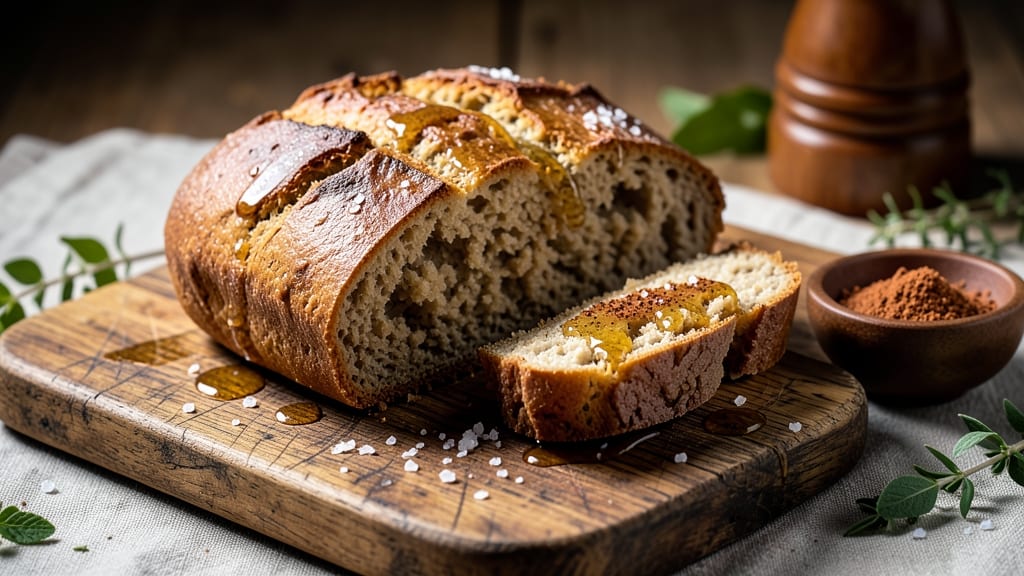
The authentic Jamaican hard dough bread you'll make here carries the soul of Jamaica's kitchen tables—crispy, spiced rum-infused crust giving way to pillowy softness inside. 🔥 This recipe preserves the traditional method passed down through generations, where flour, yeast, and just a touch of spice create a bread so good, it disappears faster than rum at a Sunday dinner.
The secret lies in the slow fermentation and steam baking that gives it that signature texture—no shortcuts, just pure Jamaican craftsmanship.
What sets this bread apart is the careful balance of ingredients: strong flour for structure, yeast for rise, and just enough nutmeg or cinnamon to whisper of Jamaica's spice markets. The dough rests overnight, developing deep flavor as it ferments slowly—a process that transforms simple ingredients into something extraordinary.
This isn't just bread; it's a canvas for Jamaican meals, perfect for soaking up stews, wrapping fried fish, or simply serving warm with butter.
The baking method is where the magic happens. Whether you use a traditional oven with steam or a cast-iron skillet, the goal is the same: achieve that signature crispy crust while keeping the interior tender.
The result is a loaf with a golden, slightly caramelized exterior that cracks open beautifully, revealing soft, airy crumb beneath. This bread isn't just food—it's a taste of home, a tradition you can bake in your own kitchen.
Once baked, the aroma will fill your home with the comforting scent of Jamaica, and every bite will remind you why this bread is a staple in island kitchens. Serve it fresh from the oven, and watch as it becomes the star of your meal.
Let's get started on this authentic recipe that brings a piece of Jamaica to your table.
Ingredients for authentic jamaican hard dough bread
Six cups flour, yeast, and just a whisper of rum create Jamaica's legendary hard dough bread.
| Ingredient | Amount | Notes |
|---|---|---|
| All-Purpose Flour 🌾 | 6 cups | High-protein for structure (12-14%) |
| Active Dry Yeast 🍞 | ¼ oz | Or 2 1/4 tsp (1 packet) |
| Granulated Sugar 🍚 | 1 tbsp | Feeds yeast for rise |
| Salt 🧂 | 1 ½ tsp | Kosher or sea salt |
| Ground Nutmeg 🌿 | ½ tsp | Freshly grated nutmeg preferred |
| Ground Cinnamon 🌶️ | ½ tsp | Optional for warmth |
| Spiced Rum 🍹 | 2 tbsp | For crust infusion (or rum extract) |
| Warm Water 💧 | 1 ½ cups | 110°F for yeast activation |
| Vegetable Oil 🫒 | 2 tbsp | For dough softness |
| Milk 🥛 | ½ cup | Warmed for enrichment |
| Cornmeal 🌽 | ¼ cup | For dusting bread pan |
| Ice Cubes ❄️ | ½ cup | For crust crisping |
The flour is non-negotiable here—King Arthur or Caputo all-purpose give that signature chewy texture. Bulk bins at Whole Foods or Trader Joe's usually have the right high-protein variety (12-14%). If you can't find it, Bread flour works too. The yeast needs to be fresh—check the date on that packet. Spiced rum? Appleton Estate or Bacardi are classic choices, but any good dark rum will do. For the nutmeg, freshly grated is best—pre-ground loses its punch fast. Pro tip: keep your spices in a dark, airtight container to preserve flavor.
No spiced rum? Rum extract at half the amount works in a pinch. The milk can be swapped for warm water plus 1 tbsp melted butter if you're avoiding dairy. For the yeast, if your kitchen is chilly, warm the water to 110°F—yeast dies above 120°F. The dough will be stiff—don't panic, that's normal! If your cornmeal is old, toasted in a dry pan for 2 minutes brings back its flavor. And that ice cube trick? Don't skip it—it's what creates that signature crispy crust.
This dough needs 12-16 hours to ferment at room temp—set a timer so you don't forget. Once shaped, cover with a damp towel to prevent drying. The baked loaves keep well for 3-4 days wrapped in a cotton towel, but they're best fresh. Freeze extras for up to 3 months—just thaw at room temp before serving. The crust gets crunchier as it cools, so slice it warm if you want that perfect balance of crispy and soft.
Why You'll Love This Recipe
- No Yeast Fuss: I swear by this—just mix the dry ingredients, add warm water, and let it rise while you make dinner. No kneading, no waiting hours, just a quick knead and proof that actually works.
- Nutmeg Magic: That tiny pinch of ground nutmeg? It’s the secret weapon. Warm, earthy, and just sweet enough to make every bite feel like a little Jamaican hug—no fancy spices required.
- Breakfast to Brunch: Toast it for breakfast, fry it for brunch, or serve it with stews all week. The dough keeps for days, and the flavor only gets better as it sits. My go-to for lazy mornings and busy nights.
- Pocket-Friendly Staple: Five ingredients, zero waste. This dough stretches further than store-bought, and the nutmeg makes it feel special without breaking the bank. I’ve fed a crowd with one batch—no regrets.
Step-by-step instructions for Jamaican hard dough bread
Here's how to craft that signature Jamaican crust—crispy, rum-kissed, and hiding the softest crumb inside.
👨🍳 Step 1: Activate the Yeast and Mix the Dough
In a large mixing bowl, whisk together the 1.5 cups warm water (about 110°F), 1 tbsp granulated sugar, and 0.25 oz active dry yeast. Let it sit for 5-10 minutes until frothy—this means your yeast is alive and ready to work. If it doesn't bubble, your yeast might be dead, and you'll need to start over.
In a separate bowl, combine the 6 cups all-purpose flour, 1.5 tsp salt, 0.5 tsp ground nutmeg, and 0.5 tsp ground cinnamon. Make a well in the center and pour in the yeast mixture along with the 2 tbsp vegetable oil and 0.5 cup milk. Mix with a wooden spoon until a shaggy dough forms.
🍳 Step 2: Knead Until Silky Smooth
Turn the dough onto a lightly floured surface and knead for 8-10 minutes until it becomes smooth and elastic. You'll know it's ready when it springs back slowly when poked. This step develops the gluten, which gives the bread its signature chewy texture and structure.
Real talk: If your dough feels sticky, don't panic—just add a little more flour, 1 tablespoon at a time, until it's manageable. But don't overdo it, or your bread will turn out dense instead of light and airy.
🥘 Step 3: First Rise and Shape the Loaves
Place the dough back in the bowl, cover it with a damp towel, and let it rise in a warm place for 1-2 hours, or until it has doubled in size. A warm oven with the light on works great for this. Poke the dough gently—if it springs back slowly, it's ready.
Punch down the dough to release any air bubbles, then divide it into 6 equal portions. Shape each portion into a smooth, round loaf and place them on a baking sheet dusted with 0.25 cup cornmeal. Cover them again and let them rise for another 30-45 minutes until puffy.
⏰ Step 4: Add the Rum and Ice Cube Trick
Here's where the magic happens. Preheat your oven to 375°F. Brush each loaf with 1 tbsp spiced rum (divide the total amount evenly). Then, drop 2-3 ice cubes on top of each loaf. The ice will create steam as it melts, helping to create that signature crispy crust.
I know it seems weird, but trust me—this is the secret to that perfect Jamaican crust. The rum adds flavor and helps with browning, while the ice cubes create steam that makes the crust crispy and golden.
🔥 Step 5: Bake to Golden Perfection
Bake the loaves for 25-30 minutes until they are golden brown and sound hollow when tapped on the bottom. For extra crispiness, you can broil them for 1-2 minutes at the end, but keep a close eye to avoid burning.
Let the bread cool on a wire rack for 10 minutes before slicing. This resting time allows the bread to set and makes slicing much easier. Serve warm for the best experience—this bread is even better the next day when toasted or used for sandwiches.
Pro Tips For Making Authentic Jamaican Hard Dough Bread
- Bloom the Yeast Properly: Skip the warm water guesswork—use a thermometer to confirm your liquid is 105°F (40°C) before mixing yeast, sugar, and flour. I learned this the hard way after batches failed because my "warm" water was too hot or too cold; that first rise is where flavor and texture are decided.
- Knead Until It’s Tough: Jamaican hard dough bread demands 10-12 minutes of vigorous kneading by hand (or 5-6 minutes in a stand mixer with a dough hook). Stop when the dough springs back slowly when poked—it should feel dense, not sticky. I used to rush this, and my bread turned out gummy.
- Salt the Dough Twice: Add half the salt to the dry ingredients, then sprinkle the rest on top of the dough after kneading. This distributes it evenly without overpowering the nutmeg’s warmth. My grandmother swore by this, and she was right: the crust gets that perfect sharp-sweet balance.
- Shape Loaves Tightly: Roll the dough into smooth, compact logs—no gaps, no air pockets. Press the seams firmly to lock in moisture and prevent cracking. I was skeptical until I tried it: the bread stays dense and chewy instead of dry or crumbly. (Yes, even if you’re impatient like me.)
Creative variations of this authentic jamaican hard dough bread
Spiced Rum Variations
Skip the rum entirely for a kid-friendly version—just add 1 tsp vanilla extract to the dough instead. For a boozy twist, substitute 2 tbsp dark molasses and 1 tbsp bourbon for the rum and cinnamon.
I love using Appleton Estate 12-year rum for its rich caramel notes, but any aged rum works. 🍹
Sweet Potato Twist
Replace 1 cup of the flour with 1 cup cooked and mashed sweet potato for a moist, slightly sweet variation. This works especially well if you're serving with jerk chicken or ackee and saltfish.
The sweet potato adds natural moisture and a subtle earthiness that pairs beautifully with Jamaican flavors.
Herb-Infused Dough
Add 1 tbsp finely chopped fresh thyme or 1 tsp dried thyme to the dough for an aromatic twist. I also like adding 1 tbsp chopped scallions for a mild onion flavor. These herbs complement the nutmeg and cinnamon beautifully, adding another layer of Jamaican garden freshness to your bread.
Whole Wheat Adaptation
For a healthier version, replace 2 cups of the all-purpose flour with 2 cups whole wheat flour. The bread will be denser but still delicious, especially when served with callaloo soup or oxtail stew.
To maintain lightness, add 1 extra tbsp vegetable oil to compensate for the whole wheat's dryness.
Cheesy Jamaican Bread
Add ½ cup grated cheddar cheese or ½ cup crumbled feta to the dough for a savory variation. The cheese melts slightly during baking, creating pockets of gooey goodness. This version pairs perfectly with beef patties or fried dumplings for a hearty meal. 🧀
Gluten-Free Option
For a gluten-free version, replace the all-purpose flour with 4 cups gluten-free all-purpose flour blend (like King Arthur Measure for Measure) and add 1 tbsp xanthan gum to improve texture.
The dough will be stickier, so use extra cornmeal on your surface. Expect a slightly denser crumb, but the flavor remains authentic and delicious.
Nutrition facts
Frequently asked questions
Why does Jamaican hard dough bread need such a long fermentation time?
The extended 12-16 hour fermentation develops deep flavor and improves texture by breaking down gluten and sugars. This slow rise creates that signature pillowy interior while keeping the crust crispy. Traditional Jamaican bakers believed this process captured the island's tropical warmth in every bite.
Can I make this bread without rum?
Yes! For a non-alcoholic version, replace the rum with 1 tsp vanilla extract or 2 tbsp dark molasses. The rum adds flavor and helps with browning, but these substitutes work beautifully. If using molasses, reduce sugar by 1 tsp to balance sweetness.
What's the best way to store leftover bread?
Wrap cooled loaves in a cotton towel (not plastic) and store at room temperature for 3-4 days. For longer storage, freeze slices wrapped tightly in plastic for up to 3 months. The crust stays crispy while the interior remains soft when reheated.
Why did my bread turn out dense instead of light?
This usually happens from over-kneading, too much flour, or yeast that didn't activate properly. Try kneading only until the dough springs back slowly (about 8-10 minutes) and use a kitchen scale for precise measurements. Also verify your yeast is fresh by testing it in warm water with sugar first.
How do I know when the bread is fully baked?
Look for golden brown color and tap the bottom—it should sound hollow. The internal temperature should reach 190°F. If unsure, slice one loaf to check for even baking. Overbaking dries out the interior, so pull them out just before they look fully done.