
Side Dishes
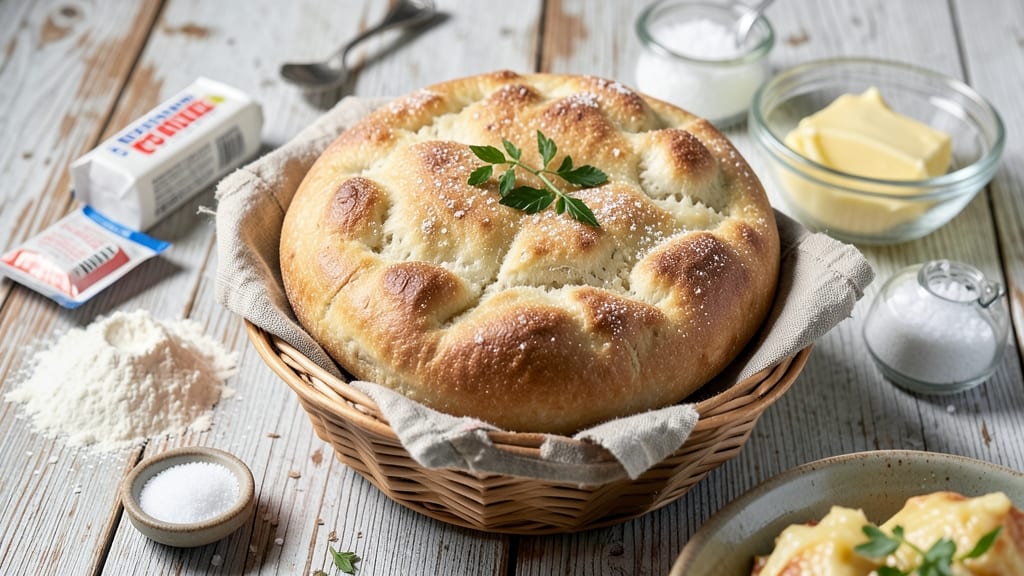
The authentic Turkish bread recipe you're about to try is the same one that's been passed down through generations in Turkish homes—soft, pillowy layers dusted with sesame seeds that crackle with every bite. 🌟 This isn't just bread; it's a tradition, a skill that transforms simple ingredients like flour, yeast, and water into something extraordinary.
The secret lies in the slow fermentation and careful shaping, whether you're making flatbread, braided loaves, or stuffed versions like pide.
What sets this recipe apart is its balance of simplicity and technique. You'll start with a basic dough—flour, yeast, water, and a touch of oil—but the magic happens in how you handle it.
Kneading just until the dough comes together (no overworking!) and letting it rise slowly creates those signature airy, elastic layers. Traditional methods often use a tandoor or griddle, but we'll adapt for home ovens while keeping the authentic texture and flavor.
By the time you pull that golden, sesame-kissed bread from the oven, you'll have something that's both rustic and refined—soft enough to tear by hand, with a crisp edge that adds just the right contrast.
The aroma alone will transport you to a bustling Turkish market or a family dinner table, where bread isn't just food but the heart of the meal. This is the kind of recipe that turns a simple side into a centerpiece.
Whether you're serving it with meals, stuffing it with cheese and herbs, or simply enjoying it warm with butter, this bread delivers the same satisfaction as the ones made in Turkish bakeries. Ready to bring a taste of Turkey to your kitchen? Let's get started.
Ingredients for authentic turkish bread
Four cups flour, a pinch of yeast, and warm water—simple staples for extraordinary Turkish bread.
| Ingredient | Amount | Notes |
|---|---|---|
| All-Purpose Flour 🌾 | 4 cups | High-protein preferred for elasticity |
| Active Dry Yeast 🍞 | ¼ oz | Fresh yeast at half amount |
| Granulated Sugar 🍚 | 1 tbsp | Feeds yeast for faster rise |
| Salt 🧂 | 1 tsp | Kosher or sea salt preferred |
| Unsalted Butter 🧈 | 2 tbsp | Cold, cubed for dough tenderness |
| Warm Water 💧 | 1 ¼ cups | 110°F for optimal yeast activation |
| Sesame Seeds 🌻 | ¼ cup | Toasted for extra crunch |
| Olive Oil 🫒 | 1 tbsp | For dough shaping and brushing |
The yeast is where the magic starts. Fresh yeast from the refrigerated section at Whole Foods or your local Turkish market gives the best rise, but active dry works fine too. If your kitchen's cold, proof the yeast in warm water with sugar first—it should foam in 5-10 minutes. The flour matters too: King Arthur or Gold Medal brands give that perfect chew. I always grab extra sesame seeds—Trader Joe's has the best toasted variety, but any store's bulk bin works. Toast them yourself for 2-3 minutes in a dry pan until golden—trust me, it's worth it.
No sesame seeds? Poppy seeds or everything bagel seasoning add a nice crunch. Running short on butter? Coconut oil or neutral oil works in a pinch, but butter gives that signature tenderness. The dough should be soft but not sticky—add flour 1 tbsp at a time if needed. For shaping, a well-floured surface is key. Traditional Turkish bakers use a tandoor, but a cast-iron skillet or baking stone does the trick at home. The olive oil brush? Don't skip it—it creates that beautiful golden crust.
Dough keeps 2 days wrapped in the fridge or 3 months frozen. Let it thaw overnight in the fridge before shaping. For extra crispiness, brush the baked bread with melted butter while still warm. These loaves reheat beautifully—just 5 minutes at 350°F wrapped in foil. I always make double batches: one for the table, one for freezing. The aroma alone makes your kitchen smell like a Turkish bakery—worth every minute of the slow rise.
Why You'll Love This Recipe
- No-Knead Magic: I swear by this dough—just mix, let it rise, and shape. No stand mixer, no arm workout, just 10 minutes of hands-on time before you walk away.
- Butter-Kissed Crust: That pinch of butter in the dough? It’s what turns this from good to oh my god. The edges get golden and crispy while the inside stays soft—like a warm hug in bread form.
- Breakfast to Dinner: Serve it toasted with jam for lazy mornings or tear it over soups for cozy nights. Freezes like a dream too, so you’re never scrambling for fresh bread.
- Pocket-Friendly Staple: Five ingredients, one bowl, zero waste. A single batch feeds my family for days—sandwiches, dipping, or just eating it straight from the pan. Budget win, no question.
Step-by-step instructions for authentic Turkish bread
Here's how to craft that signature pillowy texture and nutty sesame finish—just like from a Turkish bakery.
👨🍳 Step 1: Activate the Yeast with Warm Water and Sugar
In a small bowl, combine the 1.25 cups warm water (tested at 110°F—too hot kills yeast) with the 1 tbsp granulated sugar. Sprinkle the 0.25 oz active dry yeast on top and let sit for 5-10 minutes until bubbly and foamy. This proves your yeast is alive and ready to work its magic.
Here's the thing—if it doesn't bubble within 10 minutes, your yeast might be dead. Toss it and start fresh with a new packet. The yeast is the soul of this bread, so don't skip this test. Once active, you'll see a frothy, almost beer-like surface—this is your green light to proceed.
👨🍳 Step 2: Mix the Dough with Flour, Salt, and Butter
In a large bowl, whisk together the 4 cups all-purpose flour and 1 tsp salt. Make a well in the center and pour in the yeast mixture along with the 2 tbsp cold cubed butter. Using a wooden spoon or dough whisk, gradually incorporate the ingredients until a shaggy dough forms.
I like to press the dough together with my hands at this stage—it helps develop gluten faster. The dough will be sticky, but that's normal. Once it starts coming together, turn it out onto a lightly floured surface and knead for 8-10 minutes until smooth and elastic. You'll know it's ready when it springs back slowly when poked.
🥘 Step 3: First Rise—Let the Dough Bloom
Lightly oil a large bowl, place the dough inside, and cover with a damp kitchen towel or plastic wrap. Let it rise in a warm place (like near your oven with the light on) for 1-1.5 hours, or until doubled in size. The dough should feel light and airy when pressed gently—like pressing your finger into a pillow.
Don't rush this step. The longer it rises, the more flavorful your bread will be. I often set a timer and check every 30 minutes to ensure it's not overproofing. If you see it deflate after reaching double, give it another 15-20 minutes—it'll bounce back.
🔥 Step 4: Shape and Second Rise for Pillowy Layers
Punch down the risen dough and divide it into 4 equal pieces. On a floured surface, roll each piece into a 12-inch log, about 1.5 inches thick. Fold each log in half like a hot dog bun, then fold it in half again to create a compact rectangle. This folding technique builds those signature layers.
Place the shaped dough onto a parchment-lined baking sheet, cover with the damp towel, and let rise for another 30-45 minutes until puffy. The dough should expand noticeably—this is when those air pockets form, giving you that signature softness. Preheat your oven to 375°F during this final rise.
🔥 Step 5: Bake to Golden Perfection and Toast the Sesame
Brush the risen dough with the 1 tbsp olive oil, then sprinkle generously with the 0.25 cup sesame seeds. Bake for 18-22 minutes until the bread is deep golden brown and sounds hollow when tapped on the bottom. The sesame seeds should be toasted and fragrant—this is your cue that it's done.
Here's a pro tip: If the top browns too quickly, tent the bread with foil after 12 minutes to prevent over-browning while the inside finishes cooking. Let the bread cool on a wire rack for 10 minutes before slicing—this prevents a gummy texture. Serve warm with butter or olive oil for that authentic Turkish experience!
Pro Tips For Making Authentic Turkish Bread
- Bloom Yeast in Warm Water: DESCRIPTION: Ditch the microwave—use a thermometer to hit 105–110°F (40–43°C) for the yeast water. Cold water kills it, hot water shocks it, and both mean dough that takes forever to rise. I learned this the hard way after staring at a sluggish dough for three hours—now I just let tap water sit for 10 minutes to warm naturally.
- Knead Until Silky: DESCRIPTION: Stop when the dough springs back immediately when poked and feels smooth like satin. Over-kneading makes Turkish bread tough—my first attempt was a chewy brick because I thought "more kneading = better." Aim for 8–10 minutes by hand or 5–6 minutes with a stand mixer on low. Less effort, same result.
- Shape Flat, Not Round: DESCRIPTION: Turkish bread isn’t a bagel—press the dough into a thin, flat oval (about ¼-inch thick) with your palms, not rolled into a ball. I used to shape it like a ciabatta, and it puffed up unevenly. Flattening it ensures even cooking and that signature crispy, blistered crust. Think pancake, not meatball.
- Preheat Stone and Oven: DESCRIPTION: Slide a cold baking stone into a 500°F (260°C) oven 30 minutes before baking. The stone needs to scream-hot to mimic a tandoor’s sear. I skipped this once and ended up with sad, pale bread—now I set a timer and walk away. Patience here guarantees that smoky, blistered crust you crave.
Dietary considerations for this dish
Gluten-Free Adaptation
For a gluten-free version, replace the 4 cups all-purpose flour with a 1:1 gluten-free flour blend like Bob's Red Mill or King Arthur. Add 1 tbsp xanthan gum to improve elasticity, but skip if your blend already contains it.
The dough will be stickier, so use extra flour on your surface and handle gently to avoid tearing. Let it rise 10-15% longer since gluten-free dough rises slower. 🌾
Vegan Option
Swap the 2 tbsp unsalted butter for 2 tbsp vegan butter or 2 tbsp olive oil plus 1 tbsp nutritional yeast for flavor. Use active dry yeast (not nutritional yeast) to activate the dough.
For extra richness, brush the baked bread with melted vegan butter mixed with 1 tsp maple syrup. The texture remains soft but slightly denser than traditional bread.
Nut-Free Alternative
Skip the sesame seeds entirely and use everything bagel seasoning or poppy seeds instead. For a savory twist, sprinkle crushed dried herbs (like oregano or thyme) on top before baking.
If you want a crunch without nuts, toast sunflower seeds for 3-4 minutes in a dry pan until golden and sprinkle them on top.
Low-Carb Version
Replace 2 cups of the flour with 2 cups almond flour or coconut flour (reduce water by ¼ cup if using coconut flour). Add 1 tbsp psyllium husk powder to bind the dough.
Expect a denser texture but with a nutty flavor. For extra softness, brush baked bread with melted butter and let it cool completely before slicing.
Allergen-Free Tips
Check your yeast for dairy or soy allergens—some brands contain additives. Use a dedicated floured surface and clean utensils if allergies are severe. Store baked bread in an airtight container with a paper towel to absorb moisture.
For cross-contamination prevention, bake gluten-free or nut-free versions first if sharing a kitchen with allergies.
Nutrition facts
Frequently asked questions
Why does my Turkish bread dough feel too sticky?
Sticky dough is normal, but if it's too wet, add flour 1 tablespoon at a time while kneading. The key is to handle it gently—overworking develops gluten but can make the bread tough. Traditional Turkish bakers use slightly less flour for that signature soft texture, so aim for a dough that's tacky but not gluey.
Can I make this bread without sesame seeds?
Swap sesame for everything bagel seasoning, poppy seeds, or even toasted sunflower seeds for a nut-free option. For extra flavor, try crushed dried herbs like oregano or thyme. The bread will still taste delicious—sesame just adds that classic Turkish crunch.
How do I know when the dough is fully risen?
Press the dough gently with one finger—if it springs back slowly (like pressing a pillow), it's ready. For the first rise, it should double in size (1-1.5 hours); for the second rise, look for noticeable puffiness (30-45 minutes). Overproofing makes bread dense, so don't let it rise beyond these times.
What's the best way to reheat leftover Turkish bread?
Wrap slices in foil and warm at 350°F for 5-7 minutes until soft. For extra crispiness, toast in a dry skillet over medium heat for 1-2 minutes per side. Avoid the microwave—it makes bread gummy. Freshly baked is best, but reheating preserves that pillowy texture.
Can I use a Dutch oven for this recipe?
Yes! A Dutch oven creates a steamy environment that mimics a tandoor, giving you an even crispier crust. Place the shaped dough in the preheated oven (375°F) and bake with the lid on for the first 10 minutes, then remove the lid and finish baking. This method works especially well for stuffed versions like pide.