
Side Dishes
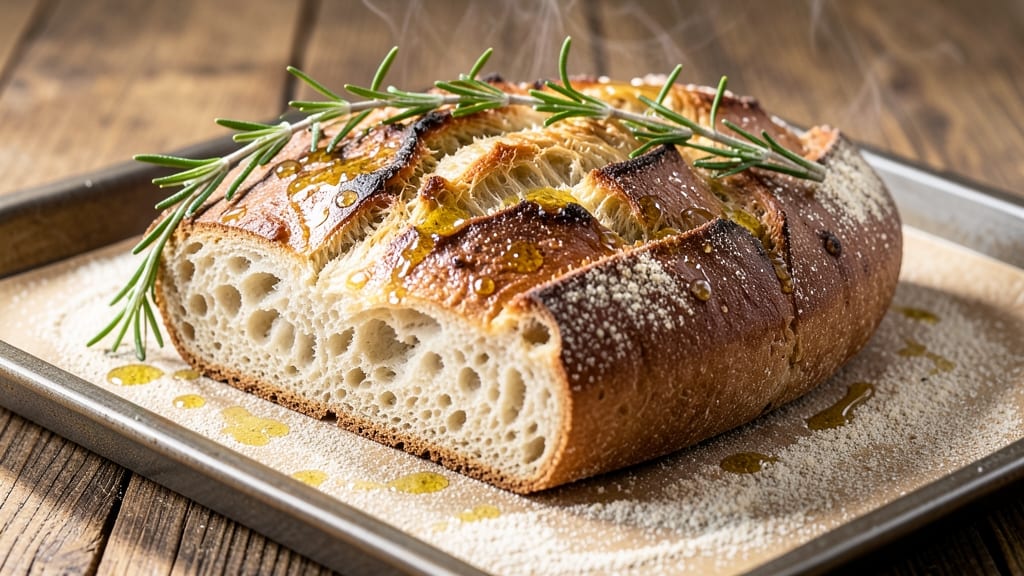
This authentic Tuscan bread recipe brings the heart of Italy to your kitchen with its signature rustic crust and fragrant olive oil essence. 🌟 The secret lies in a no-knead dough that ferments slowly, developing deep flavor and an open crumb structure.
Unlike commercial loaves, this bread relies on simple ingredients—flour, water, yeast, and olive oil—to create something truly special.
The traditional Tuscan method skips kneading entirely, allowing the dough to develop naturally through overnight fermentation. This process creates a tender crumb with a crisp, golden crust that's perfect for soaking up soups or pairing with olive oil and salt.
The bread's aroma alone—warm, yeasty, and faintly herbal—will transport you to a Tuscan countryside bakery.
What makes this recipe truly authentic is the finishing touch: a generous drizzle of extra virgin olive oil before baking. This not only enhances flavor but also creates that signature golden crust.
The result is a loaf with a satisfying crunch and a soft, airy interior that crumbles beautifully. Every bite carries the essence of Tuscany's culinary traditions.
Perfect for serving alongside antipasti or using as a base for bruschetta, this bread keeps well for several days when stored properly. The recipe also allows for variations—add rosemary or fennel seeds for extra depth of flavor. Let's bring the taste of Tuscany to your table with this timeless classic.
Ingredients for authentic tuscan bread
Four simple ingredients transform into Tuscan bread with golden crust and airy crumb.
| Ingredient | Amount | Notes |
|---|---|---|
| All-Purpose Flour 🌾 | 4 cups | Plus 2 tbsp for dusting |
| Extra-Virgin Olive Oil 🫒 | ½ cup | High quality for authentic flavor |
| Active Dry Yeast 🍞 | ¼ oz | Or 2.25 tsp (1 packet) |
| Warm Water 💧 | 1 ¼ cups | 105-110°F for ideal activation |
| Kosher Salt 🧂 | 1 ½ tsp | Diamond Crystal preferred |
| Cornmeal 🌽 | ¼ cup | For dusting baking sheet |
| Coarse Sea Salt 🧂 | ½ tsp | For finishing crust |
| Fresh Rosemary 🌿 | 1 tbsp | Chopped, optional for aroma |
The flour is the foundation—King Arthur or Caputo Tipo 00 elevate texture, but all-purpose works in a pinch. Extra-virgin olive oil must be high quality; California or Italian brands like Colavita or Bertolli shine here. Yeast is non-negotiable—check expiration dates, and store it in the freezer to preserve freshness. Warm water temperature matters: too hot kills yeast, too cold delays fermentation. For the best results, use a thermometer to hit that 105-110°F range. The salt? Diamond Crystal dissolves more slowly, enhancing flavor development during fermentation.
No extra-virgin olive oil? Light olive oil works, but flavor suffers. Running short on yeast? Instant yeast at half the amount works, but proof it first in warm water. Substituting flour? Bread flour adds structure, but all-purpose keeps it rustic. The cornmeal isn't just for dusting—it creates that signature crunchy base. For a herbal twist, add 1 tsp fennel seeds or 1 tbsp chopped fresh thyme to the dough. Just remember: the longer the fermentation, the more complex the flavor—don't rush this Tuscan classic.
Dough keeps 24 hours in the fridge, developing deeper flavor. Shape it into a round boule or batard for that authentic look. For best results, bake within 4 hours of shaping. Store wrapped at room temperature for 3 days or freeze for 3 months. The crust stays crisp for 2 days if kept airtight. For reheating, wrap in foil and warm at 350°F for 10 minutes—nothing beats fresh bread, but this comes close.
Why You'll Love This Recipe
- Five-Ingredient Magic: I swear, this bread only needs flour, olive oil, yeast, water, and salt—yet somehow, it tastes like a Tuscan bakery’s secret. No fancy starters, no waiting for sourdough to wake up. Just mix, let it rise, and bake.
- Crispy-Creamy Crunch: That golden crust? Chef’s kiss. The olive oil infuses the dough with rich, fruity depth, while the salt cuts through the yeasty sweetness for a balance that’s dangerously addictive. (Yes, even on a Tuesday night.)
- Weeknight Wonder: I make this when I’m too tired for dinner plans—toss it with roasted veggies, tear it over soup, or just eat it straight. It’s the kind of bread that turns a lazy meal into something that feels intentional.
- Budget-Friendly Staple: A loaf costs less than takeout, feeds four, and keeps for days. Freeze slices for toast later, or stash it in the fridge for impromptu sandwiches. Honestly, it’s the only bread I buy anymore.
Step-by-step instructions for authentic Tuscan bread
Here's how to capture Tuscan tradition in your kitchen—simple steps for that signature olive oil crust.
👨🍳 Step 1: Activate the Yeast and Mix the Dough
In a large bowl, combine the 1.25 cups warm water (between 105-110°F) with the 0.25 oz active dry yeast. Let it sit for 5-10 minutes until frothy—this confirms your yeast is active. If it doesn't bubble, start over with fresh yeast.
Add the 4 cups all-purpose flour and 1.5 tsp kosher salt to the bowl. Pour in the 0.5 cup extra-virgin olive oil and mix with a wooden spoon until a shaggy dough forms. The oil should be evenly distributed but not yet incorporated completely. This creates that signature Tuscan texture.
Transfer the dough to a lightly floured surface and knead for 8-10 minutes until smooth and elastic. You'll know it's ready when it springs back slowly when poked. The dough should be tacky but not sticky—add a little more flour if needed, but don't overdo it or the bread will be dry.
🥘 Step 2: First Rise and Rosemary Infusion
Place the dough in a lightly oiled bowl, cover with a damp towel, and let rise in a warm place for 1-1.5 hours or until doubled in size. The kitchen should feel noticeably warmer near the dough—this is how you know fermentation is working properly.
While the dough rises, finely chop the 1 tbsp fresh rosemary (if using). Once the dough has risen, punch it down gently to release air, then sprinkle the chopped rosemary evenly over the surface. Gently press it into the dough by hand—this infuses the flavor without overpowering the bread's rustic character.
🔥 Step 3: Shape and Second Rise
Divide the dough into 4 equal portions (about 1 pound each) and shape each into a round loaf. For an authentic Tuscan look, create a slight dimple in the center of each loaf with your thumb—this helps the bread expand evenly and creates that classic sunken center.
Place the shaped loaves on a baking sheet dusted with 0.25 cup cornmeal. Cover loosely with a towel and let rise for another 30-45 minutes until puffy. The dough should feel springy when pressed gently—this is your cue that it's ready for the oven.
🔥 Step 4: Bake with Olive Oil Magic
Preheat your oven to 425°F with a baking stone or inverted baking sheet inside. Brush the risen loaves generously with more extra-virgin olive oil, focusing on the tops and sides. Sprinkle with 0.5 tsp coarse sea salt for that essential Tuscan finish.
Bake for 20-25 minutes until the crust is deep golden brown with dark spots—this is where the real flavor develops. The bread should sound hollow when tapped on the bottom. If the crust isn't browning quickly enough, tent with foil for the last 5-10 minutes to prevent over-browning.
⏰ Step 5: Cool and Serve
Remove the bread from the oven and transfer to a wire rack. Let cool for at least 15 minutes before slicing—this prevents a gummy interior. The bread should have a crisp, crackly crust and a soft, airy crumb with subtle rosemary notes.
Slice with a serrated knife and serve warm. The authentic Tuscan technique of using olive oil in both the dough and as a finish creates that signature flavor you can't get any other way. Store leftovers wrapped in a cloth bag at room temperature for up to 3 days, or freeze for longer storage.
Pro Tips For Making Authentic Tuscan Bread
- Weigh Your Flour: I learned this the hard way—scooping flour by the cup leaves too much air in the dough, and your Tuscan bread will turn out denser than a brick. Use a kitchen scale for 500 grams; pack it lightly into the bowl but don’t compress it. The dough should feel like a soft pillow, not a wrestling mat.
- Use Olive Oil at Room Temp: Cold extra-virgin olive oil from the fridge will slow yeast activation, and you’ll end up waiting forever for that dough to rise. Let the oil sit out for 30 minutes before mixing—it should feel like a warm bath, not a block of ice. Trust me, your yeast will thank you with a faster, more reliable rise.
- Don’t Over-Knead the Dough: I used to think more kneading meant better bread, but this dough only needs about 8-10 minutes by hand (or 5-6 minutes in a stand mixer with a dough hook). Overwork it, and you’ll develop too much gluten, turning your rustic Tuscan loaf into a chewy, store-bought disaster. Stop when the dough springs back slowly when poked.
- Score Before Baking: Skipping the slash with a sharp knife or razor is a rookie move. Slash the dough 1-2 inches deep just before baking—this helps the bread expand properly and gives you that classic open crumb. Use a single, confident motion (no zigzags), and do it right before the oven hits 450°F. The steam will make those cuts look crisp and intentional.
Perfect pairings for this authentic tuscan bread
Olive Oil Finishes
Tuscan bread shines with extra-virgin olive oil—use Colavita or Bertolli for authentic flavor. Brush 2 tablespoons generously on risen dough before baking, then drizzle 1 tablespoon after baking for that signature golden crust. The oil enhances the bread's rustic charm while keeping it moist for days. 🫒
Antipasti Pairings
Serve warm slices with prosciutto di Parma and aged pecorino cheese for a classic Tuscan antipasto. The bread's crisp crust contrasts beautifully with the salty cured meats and tangy cheese. Add marinated artichokes or roasted red peppers for extra depth. 🧀
Soup Companions
This bread is perfect for ribollita or minestrone—its sturdy crust holds up to hearty soups while soaking up flavors. Tear warm slices into bowls for a rustic, satisfying bite. For extra indulgence, top with olive oil and flaky sea salt before serving. 🍲
Wine Pairings
Pair with a crisp Vermentino from Sardinia or a medium-bodied Chianti Classico for a Tuscan-inspired meal. The wine's acidity complements the bread's olive oil richness, while the tannins balance its rustic texture. Avoid heavy reds—they overpower the delicate crust. 🍷
Herbal Variations
Add 1 tbsp chopped fresh rosemary or 1 tsp fennel seeds to the dough for aromatic twists. Rosemary pairs beautifully with roasted meats, while fennel adds a subtle licorice note that works well with seafood. Both infuse the bread without overpowering its natural flavor. 🌿
Breakfast Brunch
Toast slices and top with ricotta cheese, honey, and sliced figs for a Tuscan-inspired breakfast. The bread's crisp crust contrasts perfectly with the creamy ricotta, while the honey adds a touch of sweetness. Serve with a cup of espresso for an authentic Italian morning. ☕
Nutrition facts
Frequently asked questions
Why does this Tuscan bread recipe use olive oil instead of butter?
Traditional Tuscan bread relies on olive oil for its signature flavor and texture. The oil creates a crisp, golden crust while keeping the crumb tender. Unlike butter, olive oil doesn't melt during baking, ensuring that rich flavor stays intact. Plus, it's a staple in Tuscan cuisine—using it pays homage to the region's culinary traditions.
Can I make this bread without kneading?
This recipe uses a modified no-knead method for authentic Tuscan results. The dough develops naturally during the 1-1.5 hour first rise, creating a tender crumb without overworking. Just mix until combined, let it rest, then shape gently. The key is patience—longer fermentation equals better flavor!
What's the best way to tell when the bread is fully baked?
Look for three signs: the crust should be deep golden brown with dark spots, the bread sounds hollow when tapped on the bottom, and an instant-read thermometer inserted into the center should read 190-200°F. If it browns too quickly, tent with foil to prevent over-browning while it finishes baking.
How can I make this bread more flavorful?
Try these authentic Tuscan upgrades: add 1 tbsp chopped fresh rosemary or 1 tsp fennel seeds to the dough, or finish with a drizzle of extra-virgin olive oil and flaky sea salt after baking. For extra depth, sprinkle semolina or cornmeal on the baking sheet before shaping. The longer you ferment (up to 24 hours in the fridge), the more complex the flavor becomes.
Why did my bread turn out dense instead of airy?
Dense bread usually means one of three things: the yeast wasn't active (test it first in warm water), the dough didn't rise enough (check your warm spot), or it was baked at too low a temperature. Ensure your oven is at 425°F with a baking stone, and let the dough fully double in size during rises. Also, don't overhandle the dough when shaping—keep it gentle!