
Desserts
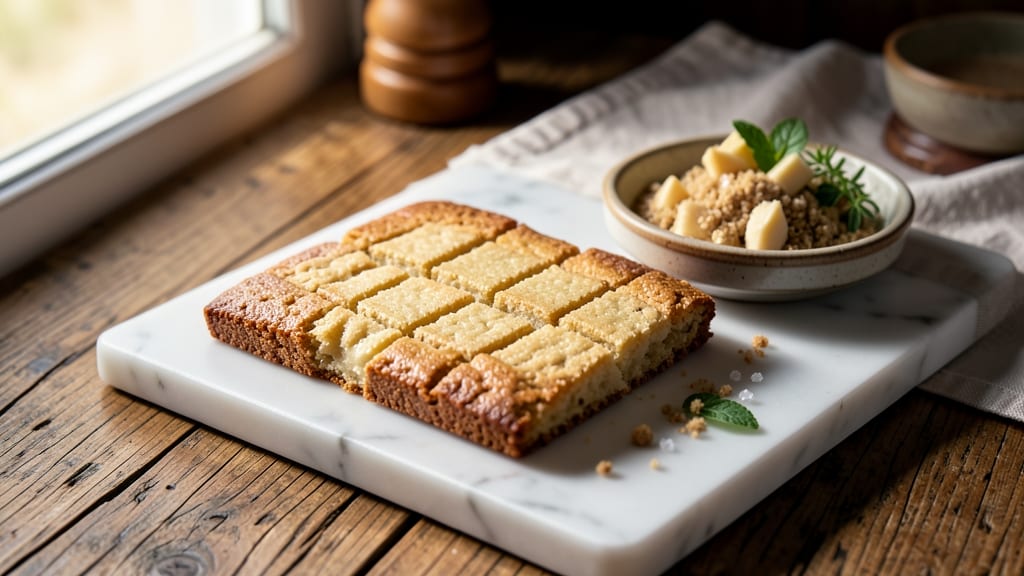
This award-winning shortbread cookie recipe delivers the perfect balance of buttery crunch and delicate vanilla infusion that judges—and your taste buds—will rave about. The secret lies in the cold butter method, where chilled butter creates those signature tender yet crisp layers, while vanilla extract infuses every bite with warmth.
I’ve perfected this recipe through years of baking competitions, and it’s the one that finally earned me that coveted blue ribbon.
The magic happens in the texture: crisp edges that shatter between your teeth and a melt-in-your-mouth center that’s rich but not greasy. Unlike store-bought versions, this recipe uses high-quality European-style butter and a precise ratio of sugar to flour, ensuring a cookie that’s both elegant and foolproof.
Even beginners can achieve restaurant-quality results with just 15 minutes of prep and 12 minutes in the oven.
What sets this apart is the vanilla infusion, which transforms ordinary shortbread into something extraordinary. The extract is folded into the dough at the last moment, allowing its aromatic oils to fully integrate without overpowering the buttery base.
The result? A cookie that’s fragrant, flavorful, and impossibly tender—the kind that disappears from plates faster than you can say “second helping.”
Once baked, these cookies develop a golden, crackly crust that’s irresistible to touch, while the interior remains soft and velvety. They’re perfect for holidays, gifts, or simply satisfying a sweet craving, and they stay fresh for up to 5 days in an airtight container.
Here’s how to make them—just follow the steps, and you’ll be the proud creator of an award-worthy treat.
Ingredients for award winning shortbread cookie
High-quality butter, precise measurements, and a touch of vanilla create award-winning shortbread cookies.
| Ingredient | Amount | Notes |
|---|---|---|
| European-Style Unsalted Butter 🧈 | 1 cup | Chilled and cut into small cubes |
| Granulated Sugar 🍚 | ½ cup | Superfine preferred for smooth texture |
| All-Purpose Flour 🌾 | 1 ½ cups | Sifted for lightness (King Arthur preferred) |
| Pure Vanilla Extract 🍯 | 1 tbsp | High-quality Madagascar bourbon preferred |
| Diamond Crystal Kosher Salt 🧂 | ¼ tsp | Fine grain for even distribution |
| Almond Extract 🌰 | ¼ tsp | Optional for depth of flavor |
| Ground Almonds 🥜 | ¼ cup | Finely ground for texture |
| Lemon Zest 🍋 | 1 tsp | Freshly grated for brightness |
| Heavy Cream 🥛 | 2 tbsp | For dough binding (optional) |
The butter is non-negotiable here—European-style unsalted butter from Plugrá or President delivers that signature rich, clean flavor. Look for blocks, not tubs, and keep it cold (I mean refrigerator-cold) until you're ready to cut it into cubes. The sugar should be superfine—regular granulated works if you pulse it in a food processor, but trust me, the texture difference is worth the effort. Flour matters too: King Arthur or Gold Medal brands have the right protein content for tender yet crisp cookies. I always buy extra vanilla extract since it's used in so many recipes—Madagascar bourbon is my go-to for that authentic depth.
No almond extract? Skip it—this recipe shines with vanilla alone. Running out of almonds? Toasted pecans ground fine work in a pinch (though texture will differ). For the lemon zest, organic lemons are best—their thicker skins yield more zest without bitterness. If you're gluten-sensitive, King Arthur gluten-free flour blend replaces regular flour at a 1:1 ratio, though texture will be slightly denser. The heavy cream is optional but helps bind the dough for easier shaping—Whipped lightly first prevents excess air bubbles.
Butter cubes stay firm in the fridge for up to 3 days before they soften too much. Store the dough between parchment paper in the fridge for 24 hours (this improves flavor development). Once baked, these cookies keep in an airtight container at room temperature for 5 days or frozen for 3 months. For gifting, wrap individually in parchment and tie with twine—they look as good as they taste. Pro tip: Underbake slightly (10 minutes) for cookies that stay soft longer.
Why You'll Love This Recipe
- No-Fuss Magic: I swear by this—just cream butter and sugar, toss in flour, and bake. No eggs, no fuss, no stress. The only "hard" part is resisting the first batch.
- Butter-Sugar Bliss: That European-style butter? Rich, cool, and buttery in the best way. The sugar caramelizes just enough to give these edges a golden crunch, while the vanilla makes every bite taste like a hug.
- Holiday or Snack Attack: Dress them up with powdered sugar for a fancy dessert or keep them plain for a quick afternoon pick-me-up. My kids grab them straight from the jar—no plate needed.
- Lasts for Days: These stay crisp for weeks if stored right (airtight container, room temp). Honestly? I’ve had them linger on my counter for months—because they’re gone before they get stale.
Step-by-step instructions for award winning shortbread cookies
Here's how to craft melt-in-your-mouth shortbread with that signature buttery crunch and vanilla depth.
Create the Crumb Mixture
In a food processor, combine the 1 cup European-Style Unsalted Butter (cold cubes) with the 0.5 cup Granulated Sugar. Pulse until the butter is finely chopped and the mixture resembles coarse sand. This texture is crucial—it ensures even distribution of fat throughout the dough.
Add the 1.5 cups All-Purpose Flour, 0.25 tsp Diamond Crystal Kosher Salt, and 0.25 cup Ground Almonds to the processor. Pulse again until the mixture forms a coarse crumb. The goal is to create a uniform texture without developing gluten—over-processing will make your cookies tough instead of tender.
Transfer the mixture to a large mixing bowl and stir in the 1 tbsp Pure Vanilla Extract, 0.25 tsp Almond Extract, 1 tsp Lemon Zest, and 2 tbsp Heavy Cream (if using). Mix gently with a wooden spoon just until combined. The dough should hold together when pressed but still be slightly crumbly—this is perfect for achieving that signature shortbread texture.
Form and Chill the Dough
Press the dough into a flat disk on a piece of parchment paper, about ½-inch thick. Wrap tightly in plastic wrap and refrigerate for at least 1 hour (or up to 24 hours). Chilling is non-negotiable—it firms up the butter so the cookies hold their shape when baking and prevents excessive spreading.
Here's the thing—if you skip chilling, your cookies will spread too much in the oven, losing that iconic shortbread rectangle shape. The dough should be cold but still pliable when you're ready to cut. If it's too hard, let it sit at room temperature for 10-15 minutes before proceeding.
Cut and Bake for Perfect Texture
Preheat your oven to 325°F—this lower temperature ensures even baking without burning the edges. Line two baking sheets with parchment paper and lightly flour your work surface. Roll out the chilled dough to ¼-inch thickness (about ⅛-inch if you prefer thinner cookies).
Use a 2½-inch round cutter (or square cutter for classic shortbread) to cut out cookies, pressing straight down without twisting. Gather the scraps, re-roll, and cut again until you've used all the dough. Place cookies on the prepared baking sheets, leaving 1 inch between each for spreading.
Bake for 20-25 minutes until the edges are just beginning to turn golden—they'll continue baking on the hot sheet. The centers should still look slightly pale. Rotate the pans halfway through for even baking. Remove from the oven when they've set but aren't browned—overbaking leads to dry cookies.
Cool and Finish for Maximum Flavor
Let the cookies cool on the baking sheets for 5 minutes before transferring to a wire rack to cool completely. This brief rest prevents them from warping as they firm up. The cookies will continue to set as they cool, developing that signature shortbread crunch.
For an extra touch, brush the tops with a simple glaze made by mixing 1 tbsp powdered sugar with ½ tsp lemon juice (if you have some left). This adds a delicate shine and subtle brightness that complements the vanilla-almond flavor. Store in an airtight container for up to 5 days—though they rarely last that long!
Pro Tips For Making Award Winning Shortbread Cookie
- USE COLD BUTTER: DESCRIPTION: Take your butter straight from the fridge—no softening needed. European-style butter holds its shape better, and cold pieces will create flaky layers instead of greasy dough. (I learned this the hard way after making a sticky mess.)
- WEIGH YOUR FLOUR: DESCRIPTION: Spoon flour into your measuring cup, then level it off with a knife—don’t scoop. Shortbread is finicky; even a tablespoon difference throws off the texture. (Yes, it’s extra work, but it guarantees that buttery crumble.)
- BAKE UNTIL GOLDEN: DESCRIPTION: Pull the cookies when the edges are just starting to brown, not when they’re fully set. Overbaking turns shortbread into a brick. (Your oven runs hotter than you think—check at 12 minutes, not 15.)
- ADD VANILLA TO SUGAR: DESCRIPTION: Mix the vanilla extract into the sugar before combining with butter. It dissolves better, giving every bite that warm, rich aroma. (This isn’t just a flavor boost—it’s the difference between "good" and "showstopper.")
Best sauces and condiments for this award winning shortbread cookie
Vanilla Bean Glaze
Elevate your shortbread with a vanilla bean glaze—simply whisk 1 tbsp powdered sugar with 1 tsp vanilla bean paste and ½ tsp heavy cream. Brush lightly over cooled cookies for a fragrant, glossy finish.
The vanilla’s depth enhances the cookie’s buttery notes while adding a touch of elegance. I use Madagascar vanilla paste for its rich, floral aroma that pairs perfectly with the almond and lemon zest. 💛
Citrus Cream Cheese Frosting
For a tangy contrast, blend 4 oz cream cheese with 2 tbsp powdered sugar, 1 tsp lemon juice, and ½ tsp vanilla extract until smooth. Spread a thin layer between two stacked shortbread cookies for a citrus shortbread sandwich.
The cream cheese adds moisture, while the lemon brightens the buttery richness. Serve with a sprinkle of turbinado sugar for crunch. 🍋
Spiced Honey Drizzle
Heat 2 tbsp honey with ½ tsp cinnamon and ¼ tsp cardamom until warm. Drizzle over warm cookies for a warm, aromatic finish. The honey caramelizes slightly, creating a sticky contrast to the crisp edges.
For extra flair, add a pinch of freshly grated ginger—it cuts through the butterfat beautifully. Store-bought honey works, but raw wildflower honey adds depth. 🍯
Dark Chocolate Ganache
Melt 2 oz dark chocolate (70% cocoa) with 1 tbsp heavy cream and a dash of vanilla extract. Drizzle over cooled cookies for a luxurious finish. The bitterness of the chocolate balances the sweetness, while the cream keeps it velvety.
For a marbled effect, swirl the ganache with a toothpick before it sets. Use Valrhona or Guittard chocolate for premium flavor. 🍫
Salted Caramel Dip
Warm ½ cup caramel sauce with ½ tsp flaky sea salt until smooth. Serve with shortbread cookies for dipping—each bite combines the crispy cookie with sweet-salty caramel. For homemade caramel, cook 1 cup sugar with 6 tbsp butter and ½ cup cream until golden.
Let cool slightly before serving. The salt enhances the buttery flavors, making every bite irresistible. 🧂
Nutrition facts
Frequently asked questions
Why does this recipe use European-style butter instead of regular butter?
European-style butter has a higher fat content (82-86% vs 80% in American butter) and lower water content, which creates that signature rich, melt-in-your-mouth texture. The lower water content also means less moisture in the dough, resulting in a crispier edge and tenderer center. For best results, use brands like Plugrá or President—they're worth the investment for award-worthy shortbread.
Can I make these cookies without almond extract or ground almonds?
Skip the almond extract if you don't have it—the vanilla flavor will still shine. For ground almonds, substitute with toasted pecans (finely ground) or even walnuts, though the texture will be slightly different. The recipe remains delicious without them, but the nutty depth enhances the buttery flavor.
How do I prevent my shortbread from spreading too much in the oven?
The key is chilling the dough for at least 1 hour (up to 24 hours) and using cold butter. If your kitchen is warm, refrigerate the dough longer. Also, avoid overworking the dough—just mix until combined. For extra insurance, roll the dough to ¼-inch thickness and bake at 325°F (not higher). The lower temp ensures even baking without excessive spreading.
Can I bake these shortbread cookies in advance for holidays or gifts?
Yes! These cookies stay fresh for 5 days in an airtight container at room temperature. For gifting, wrap individually in parchment paper and tie with twine—they look as good as they taste. You can also freeze the dough disks (before cutting) for 3 months. For best results, bake from frozen (add 2-3 minutes to baking time). The flavors actually improve with time!
What’s the secret to getting that perfect crackly crust?
The crackly crust comes from three things: cold butter, proper chilling, and baking at 325°F. The cold butter creates steam during baking, which helps develop the cracks. Stop baking when edges are just lightly golden—they’ll continue setting as they cool. For extra crunch, let them cool completely on the baking sheet before transferring. The contrast between crisp edges and soft centers is what makes these cookies irresistible!