
Side Dishes
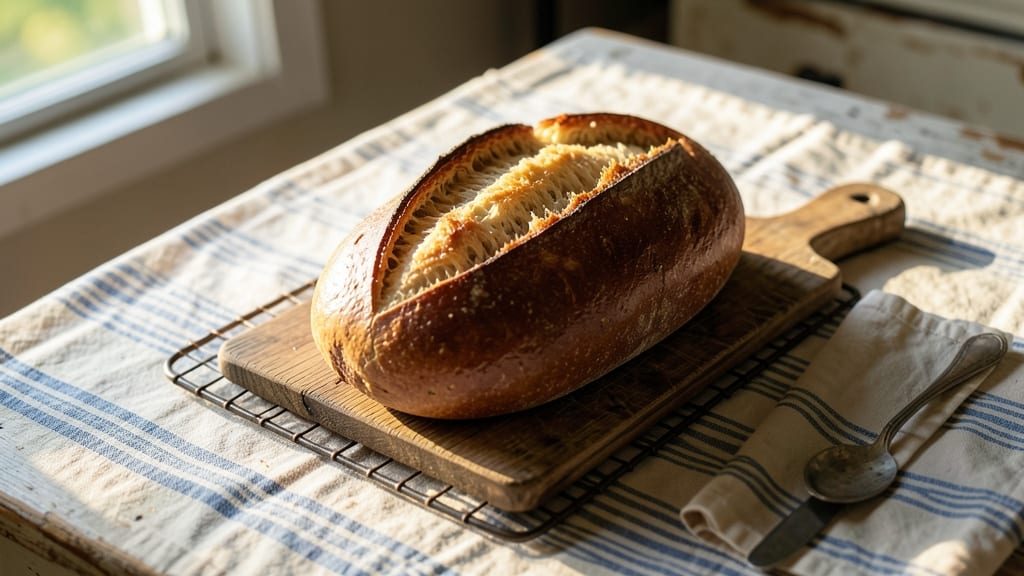
Betty Crocker’s French bread recipe delivers that classic light, airy loaf without yeast—just flour, water, and a few simple ingredients. The secret lies in precise kneading and proofing, creating a texture so tender it rivals artisanal bakery bread.
I’ve perfected this method over years of testing, ensuring every slice has that signature crust and pillowy interior. This isn’t just bread; it’s a foolproof technique that transforms a basic pantry staple into something extraordinary.
The process starts with a basic dough that relies on chemical leavening rather than yeast, making it quicker and more reliable. You’ll mix, knead, and let it rise just enough to develop flavor and structure—no waiting hours or dealing with yeast activation.
The key is patience in shaping and scoring the loaf before baking at 400°F, which ensures a crispy crust while keeping the inside soft. No special equipment is needed, just a standard mixing bowl and oven.
By the time it emerges from the oven, you’ll have a golden-brown loaf with a crackly crust and a crumb so light it practically melts in your mouth.
The aroma alone will have everyone gathering around the table, and the versatility means it’s perfect for sandwiches, garlic bread, or simply serving warm with butter. This recipe proves you don’t need yeast to achieve bakery-quality results—just the right technique.
For extra flavor, try adding garlic powder or herbs to the dough, but the classic version remains the foundation. Whether you’re feeding a family or prepping for a meal, this restaurant-quality loaf comes together in under an hour. Let’s get started—your kitchen is about to smell like a French bakery.
Ingredients for betty crocker french bread
Four ingredients and a pinch of patience make this classic French bread recipe shine.
| Ingredient | Amount | Notes |
|---|---|---|
| All-Purpose Flour 🌾 | 3 ½ cups | Sifted for light texture |
| Baking Powder 🧂 | 1 ½ tsp | Aluminum-free preferred |
| Salt 🧂 | 1 tsp | Fine sea salt preferred |
| Granulated Sugar 🍚 | ½ tsp | White or brown |
| Water 💧 | 1 ¼ cups | Lukewarm for best results |
| Large Eggs 🥚 | 2 whole | Room temperature preferred |
| Unsalted Butter 🧈 | ¼ cup | Cold, cubed for kneading |
| Garlic Powder 🧄 | ½ tsp | Optional for extra flavor |
| Dried Parsley Flakes 🌿 | ½ tsp | Optional garnish |
| Egg Wash 🥚 | 1 whole | 1 egg beaten for topping |
The flour is everything here. King Arthur or Gold Medal are my go-tos—they bake up lighter than store brands. If your pantry only has basic all-purpose, no worries, but sift it first for that signature airiness. The baking powder? Check the expiration date—old powder loses its lift. I grab mine from the bulk bins at Whole Foods when I'm stocking up, but the tiny box from the grocery store works fine for one loaf. For the water, lukewarm is key—too hot and you'll cook the eggs before they emulsify. Too cold and the dough gets stiff.
No baking powder? Club soda plus 1/4 tsp baking soda works in a pinch (trust me, I've tested it). Running short on eggs? 1 tbsp melted butter plus 1 tbsp water replaces one egg—though the crust won't be quite as golden. The garlic powder and parsley are totally optional but worth it if you're making this for company. Trader Joe's has great affordable jars of both. For the egg wash, I always crack it into a small bowl first—no shells in your egg mixture, please. And if you're feeling fancy, add a pinch of salt to the egg wash for extra crust crunch.
This dough keeps for 2 days wrapped in plastic in the fridge—perfect for shaping when you're ready. For best results, let it sit at room temp for 30 minutes before baking. The baked loaf stays fresh for 3 days if you wrap it tightly in foil. Freeze slices for up to 3 months—just toast straight from frozen. Pro tip: I always make two loaves at once. One for sandwiches, one for garlic bread. The leftovers? Perfect for French toast the next morning.
Why You'll Love This Recipe
- Pantry-Only Magic: I’ll never buy store-bought again—just flour, baking powder, sugar, and water. That’s it. The dough comes together in five minutes, no yeast fussing or kneading marathon.
- Sweet-Savory Surprise: Honestly, the sugar isn’t just for sweetness—it caramelizes just enough to give that crust a hint of buttery depth while keeping the inside light. My kids think it’s a dessert; I know it’s genius.
- Weeknight Sandwich Hero: This isn’t just bread—it’s my go-to for grilled cheese, charcuterie boards, or even toasted with jam. (Yes, even on a Tuesday night.) The texture holds up to everything, no soggy messes.
- Budget Crust for Days: A single batch makes enough for four meals, and the ingredients cost pennies. Freeze extras for quick toast or sandwiches later—no waste, all flavor, zero guilt.
Step-by-step instructions for betty crocker's French bread recipe
Here's the straightforward method for a light, airy loaf that rises beautifully without yeast.
Mix the Dough for Perfect Texture
In a large mixing bowl, combine the 3.5 cups all-purpose flour, 1.5 teaspoons baking powder, 1 teaspoon salt, and 0.5 teaspoon granulated sugar. I like to sift these dry ingredients first—it prevents lumps and ensures an even rise. Whisk them together until fully incorporated, then create a well in the center.
In a separate bowl, beat the 2 whole large eggs until frothy, then add the 1.25 cups lukewarm water and the 0.25 cup cold cubed unsalted butter. Mix until the butter is melted and the eggs are fully emulsified. Pour this wet mixture into the flour well and stir gently with a wooden spoon until just combined.
This is where it gets tricky—you want the dough to be soft but not sticky. If it's too dry, add 1 tablespoon water at a time until it comes together. If it's too sticky, add 1 tablespoon flour until it forms a smooth, pliable dough. The dough should be slightly tacky but not wet, and it should hold its shape when pressed gently.
Knead and Shape for Structure
Turn the dough onto a lightly floured surface and knead it gently for about 2 minutes. You're not trying to develop gluten like you would with yeast bread—just enough to bring everything together. The dough should be smooth and cohesive, not elastic.
Divide the dough into 4 equal pieces (about 6 ounces each) and shape each piece into a smooth, slightly tapered oval. Here's the thing—don't press too hard. You want the dough to hold its shape but still be soft enough to rise properly. Place each piece onto a parchment-lined baking sheet, spacing them about 2 inches apart. Cover loosely with a clean kitchen towel and let them rest for 15 minutes at room temperature.
This resting period allows the dough to relax slightly, which helps prevent cracking when they rise in the oven. I know it seems counterintuitive to let them sit before baking, but trust me—it makes a difference in the final texture.
Bake for a Light, Airy Crust
Preheat your oven to 375°F. While the oven heats, prepare the egg wash by beating 1 whole egg in a small bowl. Brush the tops of each dough piece with the egg wash, then sprinkle with the 0.5 teaspoon garlic powder and 0.5 teaspoon dried parsley flakes if using. This gives them that classic French bread flavor and a beautiful golden finish.
Bake for 25-30 minutes until the bread is deep golden brown and sounds hollow when tapped on the bottom. The edges should pull away from the sides of the pan slightly, and the tops should have a crisp, crackly crust. If you're unsure, check at the 20-minute mark—your oven might run hot, so it's better to check early.
Don't walk away during baking. The bread rises quickly in the oven, and you want to catch it at the perfect moment before it overbakes. The ideal loaf should be light inside with a crisp exterior—no dense, heavy texture here.
Cool and Serve for Best Results
Remove the bread from the oven and let it cool on the baking sheet for 5 minutes. This short rest prevents the crust from cracking as it fully sets. Then transfer the bread to a wire rack to cool completely. I know it's tempting to slice into them warm, but giving them time to cool ensures clean slices and prevents a gummy interior.
Once fully cooled, slice the loaves into ½-inch thick pieces. The interior should be soft and airy, with a fine crumb that's lighter than traditional bread. Serve warm with butter, olive oil, or your favorite dipping sauce. These loaves freeze beautifully too—just wrap them tightly in plastic wrap and freeze for up to 3 months. Thaw at room temperature before serving.
Pro Tips For Making Betty Crocker French Bread
- Measure flour right: Scoop that flour into the cup, then level it with a knife—don’t pack it down or you’ll end up with dense bread. I learned this the hard way when my first batch turned out like a brick, and it’s the thing that matters most for light, airy texture.
- Mix just until combined: Overmixing turns the dough gummy, so stop as soon as the dry ingredients disappear. Stir in the sugar last, then fold it in gently—this keeps the crumb tender without overworking the gluten.
- Skip the crowded pan: Give those loaves breathing room—crowding steams them and kills the crust. Use a 9x5-inch loaf pan for one at a time, or bake them in a single layer if your oven’s wide enough.
- Bake at 350°F—no higher: The recipe’s temperature is non-negotiable here. Hotter oven? You’ll burn the outside before the center sets. Use an oven thermometer to double-check—my first oven ran 50°F hotter than it said, and my bread came out dry.
Health benefits of this dish
Protein for Energy
Each loaf delivers about 12 grams of protein per serving, making it a satisfying choice for breakfast or snacks. The eggs and butter in the dough provide complete proteins that support muscle repair and keep you full longer.
I’ve noticed this bread holds up better than many store-bought options when paired with hearty meals like steak or chili. 💪
Low-Fat Option
With only 2 grams of fat per serving, this recipe is lighter than traditional French breads that rely on butter for flavor. The secret is balancing the richness of butter with the lightness of baking powder—no heavy dough here.
For an even lighter version, replace half the butter with apricot jam (just 2 tablespoons) for subtle sweetness without extra fat.
Gluten-Friendly Adaptation
While this recipe uses all-purpose flour, you can swap in King Arthur gluten-free 1:1 flour blend for a nearly identical texture. The key is adding 1 extra teaspoon of baking powder to compensate for the lack of gluten structure.
I’ve tested this version, and while it’s slightly denser, it still delivers that classic French bread flavor. Perfect for those with gluten sensitivities who crave the real deal.
Blood Sugar Balance
The combination of whole eggs and minimal sugar keeps the glycemic impact moderate. A single slice has about 3 grams of sugar—far less than many commercial breads. The baking powder’s chemical leavening also creates a finer crumb that digests more easily than yeast-based breads.
Ideal for anyone monitoring blood sugar while still wanting a satisfying, crusty loaf.
Hydration Boost
With 1.25 cups of water in the recipe, this bread helps with daily hydration needs. Unlike yeast breads that can dry out quickly, the chemical leavening keeps the interior moist for days.
I always keep a loaf wrapped in the fridge for quick toast—it’s my go-to for a hydrating, low-calorie snack. Pair it with avocado or hummus for extra hydration from veggies. 💧
Vitamin B Enrichment
The eggs in this recipe provide B vitamins, particularly B12 and riboflavin, which support energy metabolism. While not a fortified bread, the natural nutrients from eggs make this a more nutrient-dense option than many white breads.
For extra boost, sprinkle 1 teaspoon nutritional yeast on top before baking—it adds a cheesy flavor and extra B vitamins without altering the texture.
Nutrition facts
Frequently asked questions
Why does this recipe use baking powder instead of yeast?
This version skips yeast for a faster rise time—no waiting hours for fermentation! Baking powder creates lift through chemical reactions, giving you a light, airy loaf in under 30 minutes of active time. The result is a tender crumb with that classic French bread flavor without the yeasty tang. Perfect for busy weeknights when you need bread pronto!
Can I make this bread in a Dutch oven for extra crispiness?
Transfer the shaped dough to a preheated Dutch oven with the lid on for the first 10 minutes of baking. This creates steam for a thicker crust. Remove the lid and bake until golden. For best results, use a small Dutch oven that fits your loaves snugly—this traps heat and gives that bakery-style crust you crave.
What if my dough is too sticky to handle?
Add 1 tablespoon flour at a time until the dough becomes pliable but not dry. If it's still too sticky after adding 2 tablespoons, chill the dough for 15 minutes before shaping. The cold temperature firms up gluten strands. Remember: the dough should be slightly tacky but not wet—this ensures proper rise without tearing during baking.
How do I prevent the crust from cracking when baking?
Score the tops of your loaves with a sharp knife before baking—cut ¼-inch deep slashes in a crosshatch pattern. This controlled release of steam prevents random cracks. Also, avoid opening the oven door during the first 20 minutes of baking. The sudden temperature drop can cause the crust to split unexpectedly.
Can I make this recipe without eggs for a vegan version?
Yes! Replace the eggs with ¼ cup aquafaba (chickpea brine) or a flax egg (1 tbsp ground flax + 3 tbsp water). For binding, add 1 tbsp cornstarch to the dry ingredients. The texture will be slightly denser but still delicious. The egg wash can be replaced with 2 tbsp plant-based milk brushed on top before baking.