
Desserts
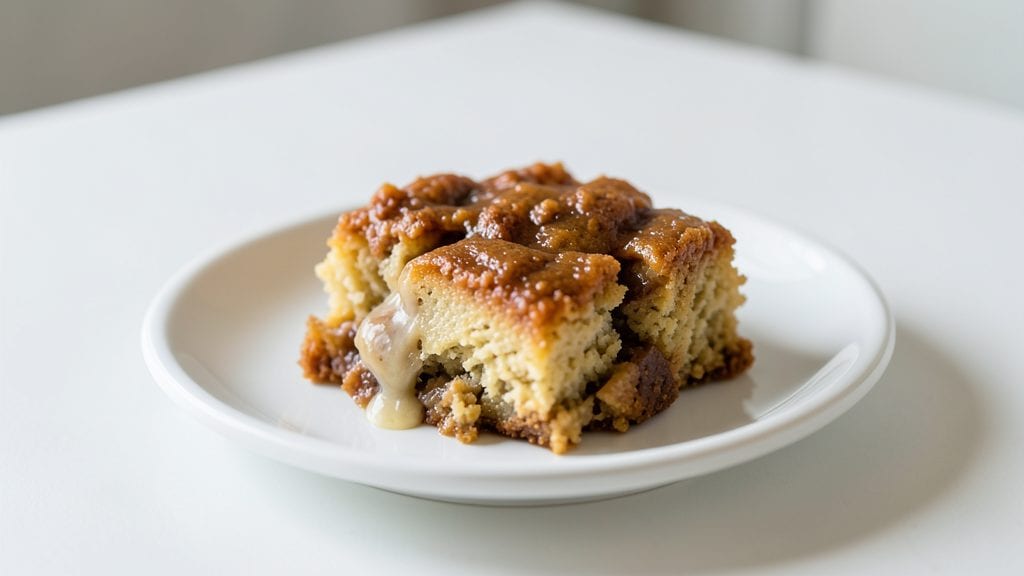
Betty Crocker's Old-Fashioned Bread Pudding Recipe delivers the comforting, custardy perfection I grew up craving—especially on chilly Ohio evenings when Mrs. Henderson would pull this golden, toasted masterpiece from the oven. The secret lies in that perfect balance of vanilla custard and crispy bread edges, a technique I've refined over years of testing (and burning a few batches). This isn't just dessert; it's nostalgia in every bite.
What makes this recipe special is the foolproof method that transforms stale bread into something irresistible. With just six simple ingredients—plus a few pantry staples—you'll create layers of warm vanilla custard and caramelized crust that disappear faster than you can say "second helping."
The key? A slow bake at 350°F for 40 minutes, letting the custard set while the edges turn golden and crisp.
Imagine pulling this from the oven—warm, fragrant, with that signature toasted crust that crunches just enough to contrast the silky custard inside. The vanilla flavor sings through every forkful, rich but never overpowering.
This is the kind of dessert that makes guests ask for the recipe, the kind that turns weeknights into special occasions.
Serve it warm with a drizzle of caramel sauce or a scoop of vanilla ice cream for the ultimate comfort. Restaurant-quality at home, this bread pudding is the dessert that proves homemade always tastes better. Let's get baking!
Ingredients for betty crocker old fashioned bread pudding
Six core ingredients transform humble bread into nostalgic, restaurant-quality dessert perfection.
| Ingredient | Amount | Notes |
|---|---|---|
| Day-Old White Bread 🍞 | 1 ½ lb | Crusts removed, cubed into 1-inch pieces |
| Large Eggs 🥚 | 6 whole | Room temperature for even baking |
| Granulated Sugar 🍚 | 1 ½ cups | Pure cane sugar for optimal caramelization |
| Unsalted Butter 🧈 | ¾ cup | Cold, cubed for even distribution |
| Pure Vanilla Extract 🌿 | 2 tbsp | High-quality, 100% pure vanilla |
| Whole Milk 🥛 | 2 cups | Full-fat for rich custard texture |
| Diamond Crystal Kosher Salt 🧂 | ½ tsp | Fine grain for precise seasoning |
| Ground Cinnamon 🌶️ | 1 tsp | Freshly ground for aromatic depth |
| Light Brown Sugar 🍚 | ¼ cup | Packed, for enhanced caramel notes |
| Heavy Whipping Cream 🥛 | ½ cup | Optional, for ultra-creamy texture |
| Caramel Sauce 🍯 | ½ cup | Store-bought or homemade for serving |
The bread forms the foundation—day-old white loaves (like Sara Lee or Wonder) work best for texture. Avoid whole wheat or rye, as they absorb liquid unevenly. For optimal quality, cube the bread into uniform 1-inch pieces, removing crusts entirely to prevent grittiness. Costco often carries pre-sliced loaves perfect for this, or check the bakery section for fresh day-old bread. The sugar selection matters too: pure cane granulated sugar (like Domino) caramelizes more beautifully than beet sugar substitutes. If using a mix, sift it first to prevent lumps in the custard.
No vanilla extract? Vanilla bean paste works equally well, or a scraped vanilla bean pod for authentic depth. Substituting milk? Evaporated milk intensifies richness, while half-and-half lightens the texture slightly. For a dairy-free adaptation, use full-fat coconut milk, though the custard will be slightly denser. The cinnamon should be freshly ground—pre-ground loses potency quickly. Store it in an airtight container away from light. If you prefer a less sweet pudding, reduce the granulated sugar to 1 cup and add an extra tablespoon of vanilla for balance. The heavy cream is truly optional but elevates the dish to restaurant-quality decadence.
This dessert reheats beautifully—350°F for 10-12 minutes restores its warm, custardy perfection. Store leftovers in an airtight container for up to 5 days, though I recommend reheating portions as needed. For make-ahead convenience, assemble the pudding the night before and refrigerate overnight, then bake straight from the fridge (add 5-7 minutes to baking time). The caramel sauce should be stored separately; it keeps for 3 months refrigerated. Portion into individual ramekins for elegant serving—each bite delivers that perfect contrast of crispy crust and silky custard.
Why You'll Love This Recipe
- No Stale Ingredients Needed: I’ll admit it—this recipe loves your day-old bread. That’s right, the drier the better. No need to rush out for fresh loaves or waste perfectly good bread from yesterday’s sandwiches. Just tear it up, and boom—you’ve got the base for something that tastes like a warm hug.
- Caramelized Butter Magic: That buttery sauce? Oh, it’s the star. Melted butter, sugar, and vanilla swirled into the bread cubes before baking creates this unreal crispy crust with a gooey center. Honestly, the first time I tasted it, I nearly licked the pan clean.
- Dessert That Feeds a Crowd: This isn’t just for two. The recipe scales effortlessly—double the batch for company, halve it for a cozy night in. Between us, it’s my go-to for holiday breakfasts or when friends drop by unexpectedly. Everyone leaves happy (and with seconds).
- Zero-Waste, Budget Win: Use up that slightly dried-out bread, crack open a few eggs, and you’ve got a dessert that costs pennies to make. The leftovers? Even better reheated the next day—if they last that long. My kids beg for it, and my wallet thanks me.
Step-by-step instructions for Betty Crocker's old-fashioned bread pudding
Here's the method that delivers that signature Betty Crocker texture—creamy custard with a perfectly toasted crust.
Prepare the Bread and Mix the Custard Base
Tear the 1.5 lb day-old white bread into 1-inch cubes, removing any crusts as specified. This size ensures even cooking and maximum surface area for that signature toasted crust. Spread the bread cubes in a single layer on a baking sheet and toast in a 350°F oven for 8-10 minutes until lightly golden. Watch closely—they should just begin to crisp but not brown deeply.
While the bread toasts, whisk together the 6 whole large eggs, 1.5 cups granulated sugar, 2 cups whole milk, 0.5 tsp diamond crystal kosher salt, and 2 tbsp pure vanilla extract in a large mixing bowl. The mixture should be smooth and fully combined, with no visible streaks of egg or sugar. This base forms the custard that will soak into the bread and create that signature creamy texture.
Combine Bread and Custard Mixture
Remove the toasted bread cubes from the oven and let them cool for 2-3 minutes. Transfer them to the same mixing bowl with the custard mixture. Gently fold the bread into the custard using a wooden spoon, ensuring each cube is fully coated. Avoid overmixing—just enough to distribute the custard evenly. The bread should absorb the liquid gradually, but don't worry if it looks slightly dry at first.
In a separate small bowl, combine the 0.75 cup unsalted butter (cold and cubed), 0.25 cup packed light brown sugar, 1 tsp ground cinnamon, and 0.5 cup heavy whipping cream. This mixture adds depth of flavor and a subtle caramelized sweetness. Cut the cold butter into the custard mixture using a pastry cutter or fork until it's evenly distributed. The butter should melt slightly but still retain some texture, creating pockets of richness throughout the pudding.
Bake to Golden Perfection
Transfer the bread pudding mixture to a 9x13-inch baking dish, pressing down gently to ensure even distribution. The dish should be filled to about ¾ full—this allows for proper browning and prevents overflow. Place the baking dish on the middle rack of your oven and bake at 350°F for 40-45 minutes. The pudding is done when the top is golden brown, the edges are set, and a toothpick inserted near the center comes out clean.
Here's the thing—don't open the oven during baking. The steam is crucial for that tender texture, and peeking too early can cause the top to dry out. If you notice the edges browning too quickly, loosely tent the dish with aluminum foil to prevent over-browning while allowing the center to finish cooking.
Rest and Serve with Caramel Sauce
Remove the bread pudding from the oven and let it rest for 10-15 minutes before serving. This resting period allows the custard to set slightly and redistribute its moisture, ensuring each slice is creamy and not gummy. The pudding should be warm but not hot—ideal for serving with the 0.5 cup caramel sauce drizzled generously on top.
Slice the pudding into 6 equal servings and serve immediately. The contrast of the warm, custardy bread pudding with the cool, rich caramel sauce creates a perfect balance of textures and flavors. Each bite should deliver a mix of toasted bread, creamy custard, and a hint of vanilla and cinnamon warmth.
Pro Tips For Making Betty Crocker Old Fashioned Bread Pudding
- CUT BREAD INTO UNIFORM PIECES: I learned this the hard way—uneven bread cubes bake at different rates, leaving some doughy while others turn to sawdust. Aim for 1.5-inch chunks (about the size of a walnut), and don’t skimp on the knife work. Yes, it’s tedious, but the texture pays off when every bite is perfectly tender.
- USE ROOM-TEMPERATURE EGGS: Cold eggs from the fridge won’t blend smoothly with the milk and sugar, and you’ll end up with lumps that ruin the custard’s silky texture. Let them sit in warm water for 10 minutes first—trust me, your future self will notice the difference.
- STOP WHEN THE CENTER JIGGLES: The recipe might say "until golden," but overbaking is the real enemy here. The pudding should pull away from the edges but still wobble slightly in the center—like a firm Jell-O. If you wait for it to look "done," you’ll end up with a dry, sad dessert.
- ADD A PINCH OF SALT: The recipe calls for sugar and vanilla, but no salt. Sounds weird, but it works: unsalted butter and sweetened bread need that tiny balance. Just a ¼ teaspoon in the custard mix—you won’t taste it, but you’ll taste the difference in how the flavors sing.
Storing and reheating this recipe
Refrigerator Storage
Store your bread pudding in an airtight container for up to 5 days—I use glass Pyrex with snap-on lids to maintain freshness. Let it cool completely before sealing to prevent condensation, which can make the crust soggy.
The flavors actually deepen overnight, so I often make a double batch and reheat portions throughout the week. 💫
Freezer-Friendly Prep
For longer storage, freeze individual portions in ramekins or a single 9x13-inch dish wrapped tightly in plastic wrap and aluminum foil. This pudding keeps its texture for up to 3 months—just thaw overnight in the fridge before reheating.
The crust stays crispy when reheated properly, which is key for that classic Betty Crocker texture.
Oven Reheating
My favorite method is reheating in the oven at 350°F for 10-12 minutes. Cover the dish loosely with foil to prevent over-browning while restoring that warm, custardy center.
If you used heavy cream, this step ensures it doesn't curdle. I also add a splash of milk to the baking dish before reheating to keep things moist. 🔥
Microwave Shortcuts
For quick servings, cover a single portion with a damp paper towel and microwave on 50% power for 1-2 minutes. Stir halfway to distribute heat evenly—this prevents dry spots.
Add a teaspoon of milk or cream if it looks too dry. The microwave method works best for smaller portions, not the whole dish.
Caramel Sauce Pairing
Store caramel sauce separately in an airtight container for up to 3 months. Warm it gently in a saucepan over low heat before drizzling over reheated pudding. The contrast of warm pudding and cool caramel is what makes this dessert feel special.
I like to keep a small jar in my fridge just for this purpose—it makes serving feel like a restaurant experience. 🍯
Make-Ahead Magic
Assemble the pudding the night before and refrigerate it overnight. Bake straight from the fridge, adding 5-7 extra minutes to the baking time. This slow start creates an even more tender texture.
I do this when hosting—it's one less thing to worry about on the day of the gathering. The bread absorbs the custard more evenly after chilling. ❄️
Nutrition facts
Frequently asked questions
Can I use fresh bread instead of day-old?
Fresh bread works in a pinch, but day-old bread creates the perfect texture—lightly dried edges that crisp beautifully while staying tender inside. If using fresh bread, tear it into cubes and let them sit uncovered on a baking sheet for 1-2 hours to dry out slightly before mixing with the custard. This mimics the texture of stale bread.
Why did my bread pudding turn out gummy?
Gummy texture usually means the custard didn't set properly. This often happens if the baking time was too short or the oven temperature wasn't hot enough. Always bake at 350°F for 40-45 minutes—the center should be just set when a toothpick comes out clean. Another culprit? Overmixing the bread into the custard, which can break down the gluten and make it dense.
Can I make this bread pudding without eggs?
Yes! For a vegan version, replace the eggs with a flaxseed "egg" mixture: whisk 6 tablespoons ground flaxseed with 1.5 cups water and let sit for 5 minutes to thicken. Add 2 tablespoons cornstarch to the custard mixture to help it set. The texture will be slightly denser, but still delicious with extra vanilla and a sprinkle of cinnamon on top.
What's the best way to serve leftover bread pudding?
Reheat slices in the oven at 350°F for 10-12 minutes until warm and crispy at the edges. Top with warm caramel sauce or a scoop of vanilla ice cream for the ultimate comfort combo. For a breakfast twist, add a drizzle of maple syrup and crumbled bacon on top—it's a game-changer! Store leftovers in an airtight container for up to 5 days.
Can I make this in ramekins instead of a baking dish?
Individual ramekins create elegant portions perfect for serving. Use 6-8 ramekins (about 6-ounce size) and bake at 350°F for 25-30 minutes—the smaller size means they'll cook faster. Press the bread mixture down firmly to prevent overflow, and let them rest for 5 minutes before serving. The edges will be extra crispy, which is ideal for dipping in caramel sauce.